Northern Tanzania
Tarangire National Park — Giant Elephants, Baobabs & River Safaris
Tarangire National Park is northern Tanzania's wildlife secret weapon — famed for enormous elephant herds, towering baobab trees and the life-giving Tarangire River that concentrates game during the dry season. It's a perfect complement to the Serengeti and Ngorongoro on multi-day safaris or a focused 2–3 day wildlife escape for families, photographers and birders.
Why visit
- Elephant stronghold — highest concentrations in northern Tanzania
- Tarangire River draws wildlife during dry months
- Iconic baobabs create dramatic photo opportunities
- Prolific birding with 550+ species
Best time
June–October (dry season): Animals converge on the Tarangire River and Silale Swamps for exceptional wildlife density. November–May (wet season): Excellent for migratory birds, newborns and lush scenery.
Travel time
Approximately 2–3 hours by road from Arusha. Light aircraft charters to nearby airstrips also available. Perfect between Lake Manyara and Ngorongoro Crater.
Overview
Tarangire National Park is northern Tanzania's wildlife secret weapon — famed for enormous elephant herds, towering baobab trees and the life-giving Tarangire River that concentrates game during the dry season. It's a perfect complement to the Serengeti and Ngorongoro on multi-day safaris or a focused 2–3 day wildlife escape for families, photographers and birders.
Why visit Tarangire?
- Elephant stronghold: Tarangire hosts one of the highest concentrations of African elephants in northern Tanzania — a must for elephant-focused safaris.
- Tarangire River: During the dry months the river remains a dependable water source and draws large numbers of wildlife into view.
- Iconic baobabs & scenery: The park's giant baobabs create dramatic photo opportunities and lend Tarangire a distinct, timeless landscape.
- Birding and biodiversity: Wet-season birdlife is prolific, making Tarangire a top stop for birdwatchers as well as big-game spotting.
When to go — quick guide
- Best for large-game concentration (June–October): Animals converge on the Tarangire River and Silale Swamps, producing exceptional densities of elephant, zebra, wildebeest and predators.
- Best for birding & green landscapes (November–May): Excellent for migratory and resident bird species, newborns and lush scenery.
- Year-round access: Roads are generally accessible most of the year, but the wet season can make some tracks slow — we plan camp and lodge choices around seasonal conditions.
Practical tips
- What to pack: Neutral clothing layers, wide-brim hat, good binoculars (8–10x), long lens (200–400mm recommended), sunblock and refillable water bottle.
- Health & safety: Malaria precautions advised; follow guide instructions when viewing close to wildlife.
- Driving & access: Tarangire is reachable by road from Arusha (approx. 2–3 hours) or by light aircraft into nearby airstrips — we'll include transfers in your quote.
Top highlights
Massive elephant herds
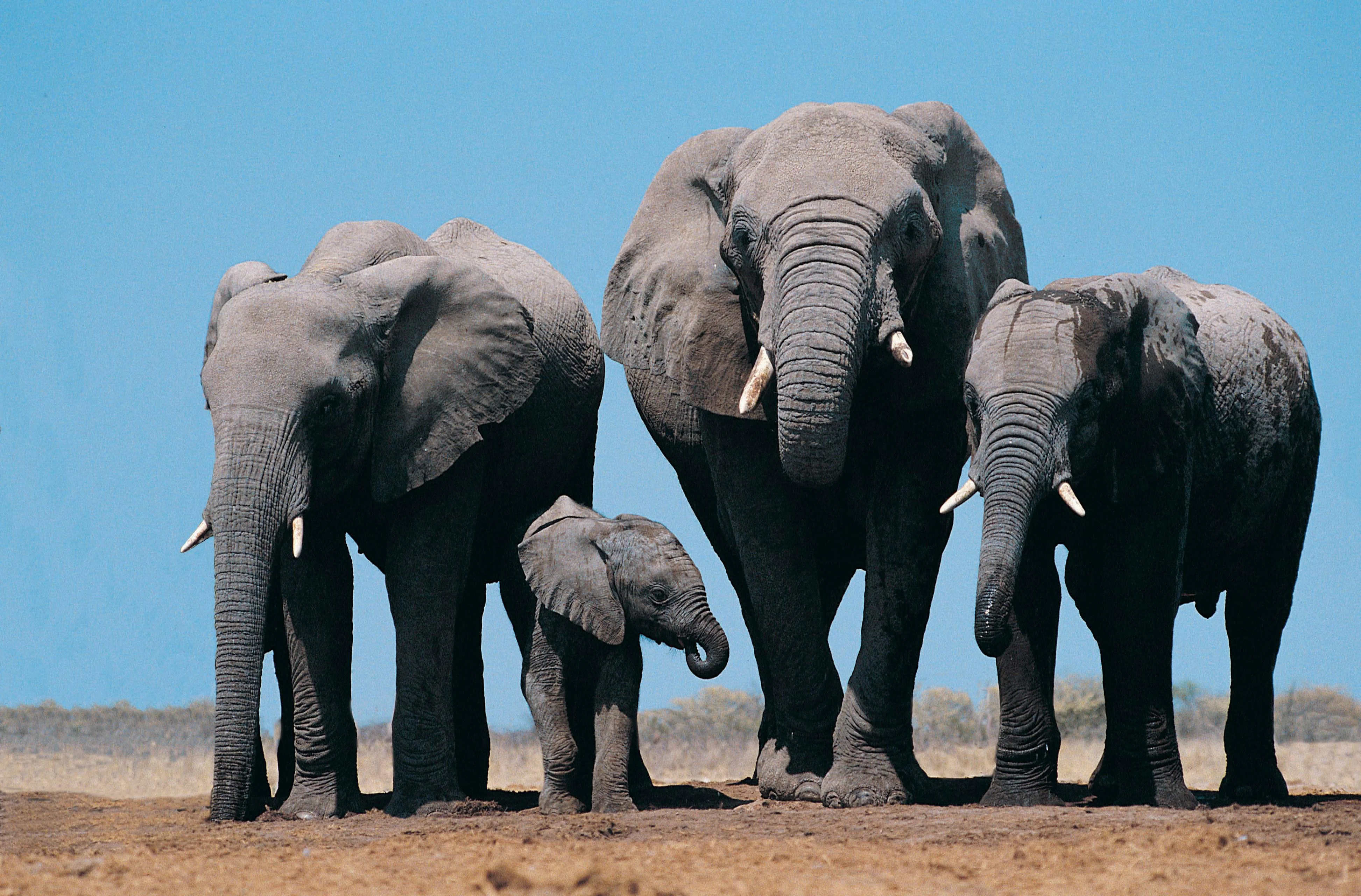
See family groups and huge aggregations near river margins and seasonal swamp areas, often up close from a respectful distance. Guides in Tarangire are expert at locating and interpreting elephant behaviour for photographers and curious travellers.
The Tarangire River & Silale Swamps
The river's year-round water and the adjacent Silale swamp create a natural magnet for wildlife in the dry season — perfect for long, relaxed game drives and picnic stops.
Baobab-dotted landscapes
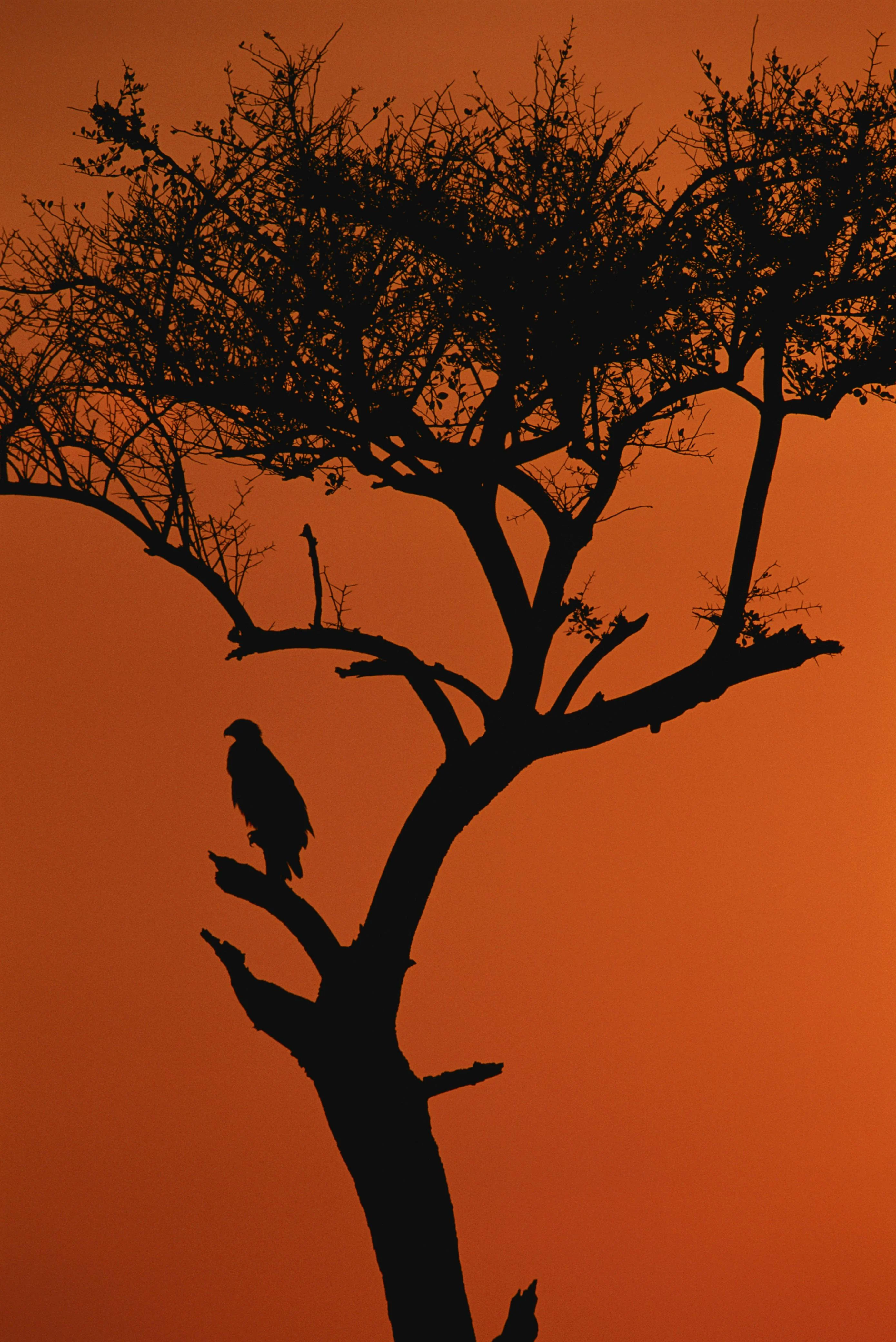
Huge baobabs punctuate the park and provide unforgettable silhouettes at sunrise and sunset — ideal for landscape photography and short guided nature walks near camp.
Birding heaven
Tarangire's mix of dry woodland, riverine habitat and seasonal wetlands brings resident and migratory birds into easy view — from raptors and storks to colorful passerines. Visit during the green season for maximum bird diversity.
Sample itineraries (3–4 days)
3-Day Taste of Tarangire
- Day 1: Drive/flight into Tarangire; late afternoon game drive to watch elephants at the river; overnight in a riverside tented camp.
- Day 2: Full-day private game drives with picnic by a river viewpoint; optional short guided walk near camp (where permitted).
- Day 3: Morning game drive, transfer to Lake Manyara or onward to Ngorongoro/Serengeti.
4-Day Relaxed & Photographic
Add an extra day for sunrise/sunset photography sessions, a birding-focused morning, and time to relax at your luxury camp. We tailor vehicle time to your interests (long photographic stops, family pacing, or action-driven drives).
We tailor every day to the season, wildlife movements and guest preferences.
Practical tips
- What to pack: Neutral clothing layers, wide-brim hat, good binoculars (8–10x), long lens (200–400mm recommended), sunblock and refillable water bottle.
- Health & safety: Malaria precautions advised; follow guide instructions when viewing close to wildlife.
- Driving & access: Tarangire is reachable by road from Arusha (approx. 2–3 hours) or by light aircraft into nearby airstrips — we'll include transfers in your quote.
- Photography: Dry-season light is sharp and animals concentrate near water — shoot during golden hours and ask your guide for vehicle positioning to capture behaviour without disturbing animals.
Responsible travel & conservation
Trails Safari Explorers works with local operators and community conservation projects to protect Tarangire's dispersal areas and migration corridors. We prioritise lodges that follow anti-poaching best practices, support community-run wildlife management areas, and practice low-impact vehicle protocols to reduce disturbance to herds and sensitive habitat. Protecting dry-season dispersal areas beyond the park is critical to maintaining Tarangire's elephant populations.
FAQ
When is the best time to see elephants in Tarangire?
The dry season (June–October) draws the largest concentrations to the Tarangire River and Silale Swamps, offering the most reliable elephant sightings.
How long should I spend in Tarangire?
For a focused experience, 2–3 days is excellent. Combine with Lake Manyara or Ngorongoro for a richer Tanzania circuit.
Is Tarangire good for families and photographers?
Yes — calm game drive pacing, high wildlife density, and short transfer times from lodges make Tarangire ideal for families and dedicated photographers.
Can I do walking safaris in Tarangire?
Short, guided walks are possible near some camps and in community areas — always arranged with your guide and where permitted for safety.
Ready for Tarangire?
Ready to experience Tarangire's elephant spectacle and baobab sunsets? Tell us your travel dates, group size and interests (photography, family, birding) and we'll design a private Tarangire itinerary with the best camp/lodge options and transfers.
Explore Further
Read our best time to visit Tanzania,safari cost guide, or packing list.
Explore all destinations,Serengeti,Ngorongoro Crater,Lake Manyara, or Tanzania safaris.
Read our planning guide,Serengeti guide, or browse our journal.