Dry-season safari landscape in Tanzania

Tanzania safari planning guide: Best Places to Visit in Africa in October

October is an excellent transition month for Tanzania safaris, as the last Mara River crossings occur early in the month before herds drift southward toward the central plains. Wildlife remains concentrated around permanent water sources, delivering outstanding game viewing with lower rates than peak season and the arrival of spectacular afternoon thunderheads that create dramatic photography conditions.

Wildlife in Serengeti National Park, Tanzania
Migration Return

Serengeti National Park in October — Migration Return Journey

October marks the return of the Great Migration herds from Kenya's Masai Mara, with hundreds of thousands of wildebeest beginning their journey back to the southern Serengeti. The northern regions witness the beginning of the Great Migration's return journey as herds start filtering back from the Masai Mara. Wildlife viewing remains at its best during October, with excellent sightings and fewer visitors than during July and August.

What

  • •Migration herds filtering back from Masai Mara
  • •Central Seronera exceptional for big cat sightings

Why

  • •Excellent wildlife viewing with fewer visitors
  • •Predator activity intensifies around water sources

When to book

  • •Early October: Book 4–6 months ahead for premium accommodations
  • •Late October: 2–3 months ahead usually suffices
Elephant herd in Tarangire National Park, Tanzania
Peak Season

Tarangire — Absolute Prime

Tarangire National Park arguably reaches its absolute prime during October. This underrated gem experiences one of East Africa's highest concentrations of elephants during the dry season's final weeks. The park's Tarangire River becomes a magnet for massive elephant herds, sometimes numbering in the hundreds.

What

  • •Massive elephant herds (hundreds of individuals)
  • •Baobab-studded landscapes, diverse birdlife

Why

  • •East Africa's highest elephant concentrations
  • •Predators follow herbivore concentrations

When to book

  • •Book early for premium camps
  • •Late October offers better availability
Ngorongoro Crater landscape, Tanzania
Big 5 Guaranteed

Ngorongoro Crater — Wildlife Amphitheater

Ngorongoro Crater maintains its reputation as Africa's wildlife amphitheater throughout October. The crater floor's permanent water sources ensure exceptional game viewing year-round, but October's dry conditions concentrate animals even further. Expect to see large herds of buffalo, zebra, and wildebeest alongside the crater's famous black rhino population.

What

  • •Black rhino population, large buffalo herds
  • •Resident lion prides and spotted hyenas

Why

  • •Dry conditions concentrate animals further
  • •Golden light with mist rising from crater floor

When to book

  • •Book 4–6 months ahead for crater rim lodges
  • •Early morning descents offer best light

What October feels like

October represents a magical transition period in East Africa's safari calendar, offering savvy travelers an exceptional blend of world-class wildlife viewing and diminishing tourist numbers. As the final month of the long dry season, October in Tanzania delivers extraordinary game viewing opportunities as animals congregate around dwindling water sources, creating concentrated wildlife spectacles that rival any time of the year. The October Tanzania safari experience combines the best of both worlds: the excellent wildlife visibility of peak season with fewer vehicles at sightings and more competitive pricing as the month progresses.

Who should travel

  • Travelers seeking excellent wildlife viewing with fewer crowds
  • Photographers and wildlife enthusiasts dreaming of dramatic encounters
  • Bird enthusiasts appreciating early European migratory bird arrivals
  • Climbers targeting Kilimanjaro before short rains begin
  • Beach travelers wanting warm seas and good visibility (early month)

Where to go

Wildlife & highlights

  • Migration herds filtering back from Masai Mara
  • Massive elephant herds in Tarangire (hundreds of individuals)
  • Extraordinary predator viewing with concentrated prey
  • Early European migratory bird arrivals
  • Golden-brown landscapes with dramatic cloud formations

Packing & gear checklist

  • Lightweight, breathable safari clothing in neutral colors
  • Long-sleeved shirts and pants for sun protection and cooler mornings
  • Warmer layer for early morning game drives (fleece or light jacket)
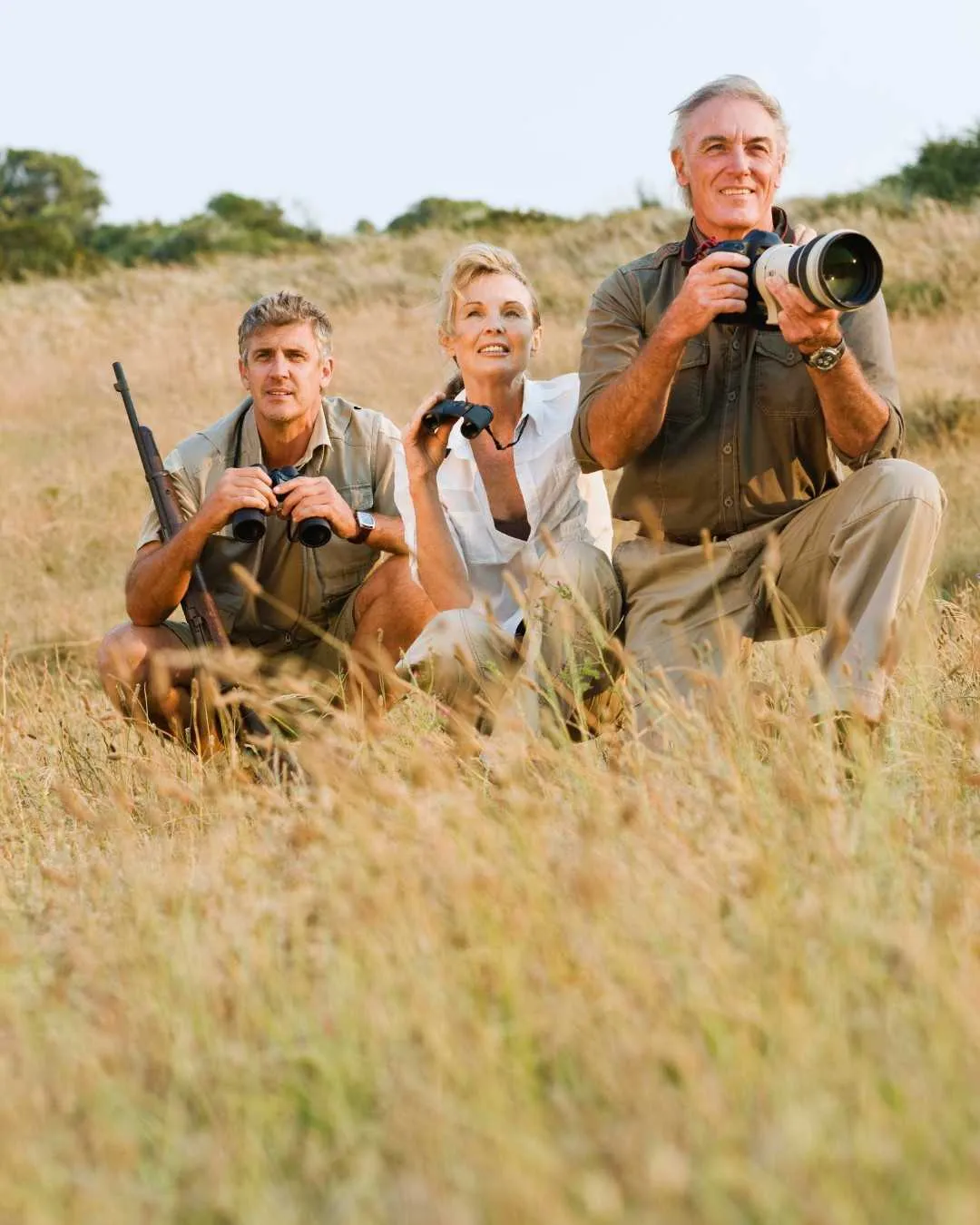
  • Quality binoculars (8x42 or 10x42 recommended)
  • Camera equipment with telephoto lens (300mm minimum for wildlife)
  • Dust protection for camera gear (plastic bags, lens cleaning supplies)
  • High-SPF sunscreen (50+ recommended), wide-brimmed hat, sunglasses
  • Reef-safe sunscreen, snorkel kit for island extensions

Logistics & booking tips

  • Early October: Book 4–6 months ahead for premium accommodations
  • Late October: Booking 2–3 months ahead usually suffices
  • Book early for itinerary add-ons (balloons, private boat charters)
  • Keep a day buffer between domestic hops and international flights
  • Review malaria recommendations for coastal/island legs

Health & safety notes

  • Anti-malarial medication as prescribed by your doctor
  • Insect repellent with DEET (though insects remain minimal in dry season)
  • Intense sun exposure requires strong sun protection
  • Dust levels reach peak—sunglasses and breathable face coverings useful

Recommended lodge pairings

  • Serengeti: Mobile camps following migration or central Seronera lodges
  • Tarangire: Tarangire Treetops, Chem Chem, Sanctuary Swala Camp
  • Ngorongoro: Crater rim lodges for early morning descents
  • Ruaha: Jabali Ridge, Ruaha River Lodge (remote wilderness)
  • Zanzibar: Stone Town boutique + Mnemba/Pemba/Mafia hideaways

October Tanzania Safari

The Ultimate Guide to East African Wildlife Adventures

October represents a magical transition period in East Africa's safari calendar, offering savvy travelers an exceptional blend of world-class wildlife viewing and diminishing tourist numbers. As the final month of the long dry season, October in Tanzania delivers extraordinary game viewing opportunities as animals congregate around dwindling water sources, creating concentrated wildlife spectacles that rival any time of the year.

The October Tanzania safari experience combines the best of both worlds: the excellent wildlife visibility of peak season with fewer vehicles at sightings and more competitive pricing as the month progresses. Water becomes increasingly scarce after five months without significant rain, forcing predators and prey into close proximity around remaining water sources, creating dramatic encounters that photographers and wildlife enthusiasts dream about.

The landscape takes on a distinctive golden-brown character during October, with vegetation thinned to stubble in many areas, making wildlife spotting remarkably easy. Daytime temperatures reach their yearly peak, with skies remaining mostly clear, though the anticipation of approaching rains adds an element of dramatic cloud formations and spectacular evening light for photography.

Country-specific highlights

Where to focus in October

Tanzania

The Ultimate Safari Destination

Serengeti National Park

Serengeti National Park experiences one of its most productive wildlife viewing periods during October. The northern regions witness the beginning of the Great Migration's return journey as herds start filtering back from the Masai Mara. Wildlife viewing remains at its best during October, with excellent sightings and fewer visitors than during July and August. The central Seronera area becomes exceptional for big cat sightings, with lions, leopards, and cheetahs capitalizing on herbivore concentrations around the Seronera River valley.

Wildlife highlights: Migration herds filtering back, exceptional big cat sightings, resident wildlife populations, predator activity intensifying around water sources.

Tarangire National Park

Tarangire National Park arguably reaches its absolute prime during October. This underrated gem experiences one of East Africa's highest concentrations of elephants during the dry season's final weeks. The park's Tarangire River becomes a magnet for massive elephant herds, sometimes numbering in the hundreds. The park's distinctive baobab-studded landscapes provide dramatic backdrops for wildlife photography.

Wildlife highlights: Massive elephant herds (hundreds of individuals), lions, leopards, buffalo, wildebeest, zebra, giraffe, over 550 bird species, pythons sometimes visible in trees.

Ngorongoro Crater

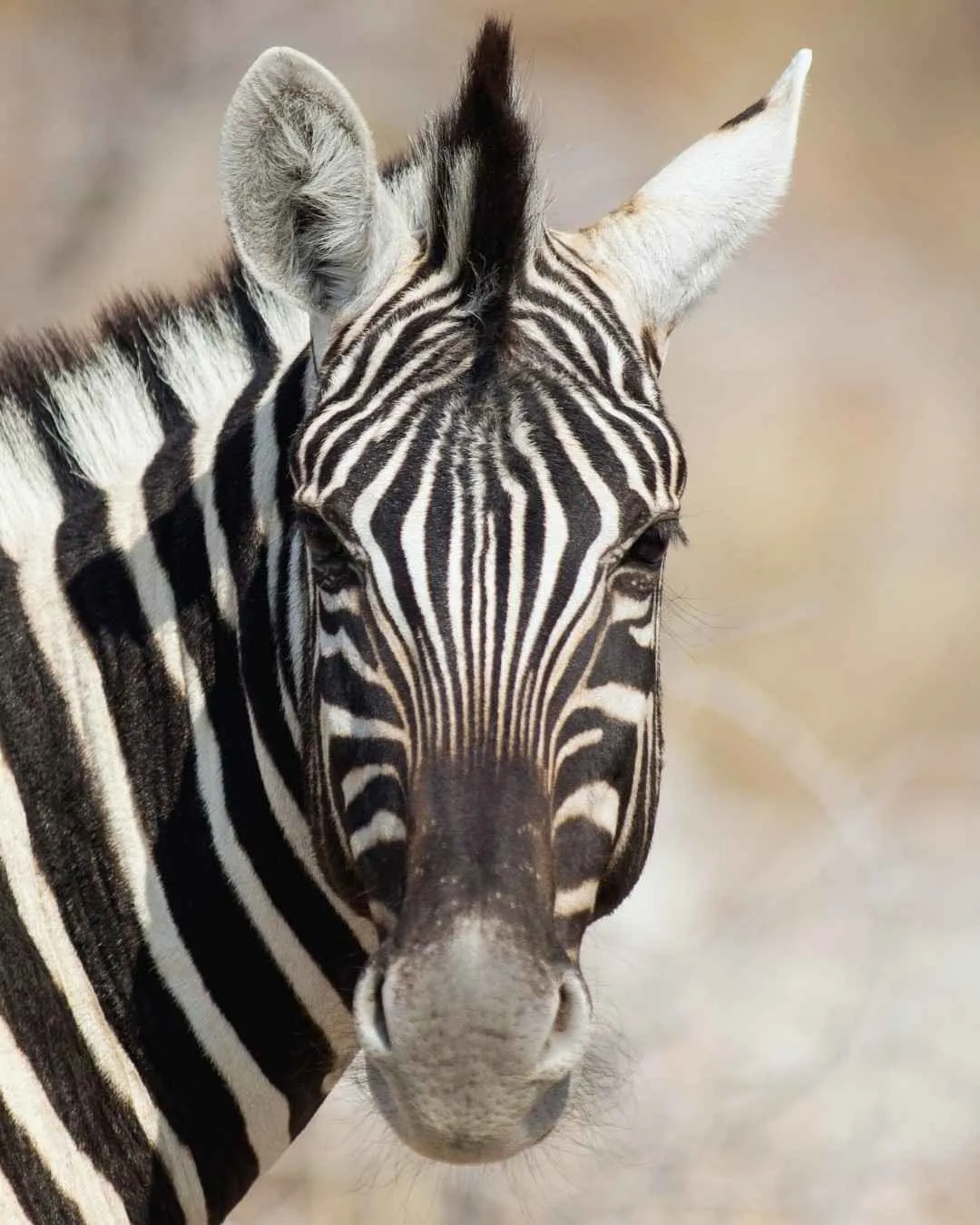
Ngorongoro Crater maintains its reputation as Africa's wildlife amphitheater throughout October. The crater floor's permanent water sources ensure exceptional game viewing year-round, but October's dry conditions concentrate animals even further. Expect to see large herds of buffalo, zebra, and wildebeest alongside the crater's famous black rhino population.

Ruaha National Park

Ruaha National Park, Tanzania's largest national park, delivers exceptional October safaris. The Great Ruaha River shrinks to isolated pools, creating concentrated wildlife viewing around these precious water sources. Ruaha's predator diversity rivals anywhere in Africa. Lion prides, some numbering over 20 individuals, dominate the river valleys. The park hosts one of Tanzania's largest cheetah populations, thriving in the open plains areas.

Nyerere National Park (Selous)

Nyerere National Park offers an extraordinary October safari experience. The foliage in the Reserve is very thin making the spotting of wildlife easier, and animals congregate around the five lakes allowing proper views of big cats like lions and leopards as well as wild dogs. The park's boat safaris provide unique perspectives on hippos, crocodiles, and the abundant birdlife that thrives along the Rufiji River system.
Kenya

Masai Mara and Beyond

Masai Mara National Reserve

October in Kenya's Masai Mara brings the closing act of the Great Migration spectacle. Early October still offers opportunities to witness river crossings, though they become less frequent as the month progresses. The Mara's resident wildlife populations ensure exceptional game viewing even as the migration herds depart. Lion prides, leopards, cheetahs, and all members of the Big Five remain consistently visible throughout the month.

Wildlife highlights: Final migration crossings, resident big cats, elephants, buffalo, hippos, crocodiles, diverse birdlife.

Amboseli National Park

October in Amboseli National Park offers spectacular elephant viewing against the iconic backdrop of Mount Kilimanjaro. The dry conditions concentrate elephants around the park's swamps and springs, while the lack of rain keeps Kilimanjaro visible for longer periods each day—a photographer's dream.

Samburu, Buffalo Springs & Shaba

These three contiguous reserves in northern Kenya offer unique wildlife species found nowhere else in East Africa. October's dry conditions concentrate animals around the Ewaso Ng'iro River, creating excellent viewing opportunities for the "Samburu Special Five": Grevy's zebra, reticulated giraffe, Beisa oryx, Somali ostrich, and gerenuk.

Wildlife & nature highlights

Why October feels electric

October's concentrated prey populations create extraordinary predator viewing across East Africa. Lions capitalize on herbivores clustered around water sources, often hunting during daylight hours when temperatures remain comfortable. Pride dynamics become particularly visible as competition for territories and resources intensifies.

Leopards, typically elusive, become more visible during October as they're forced to hunt in more open terrain around water sources. Early morning and late evening game drives offer the best chances for leopard sightings, particularly in areas with rocky outcrops or riverine woodland where they rest during the day.

Cheetahs thrive during October's open conditions. The short grass and excellent visibility favor their hunting strategy of high-speed chases across open plains. October represents prime time for witnessing cheetah hunts, particularly in Serengeti's short-grass plains and the Masai Mara.

Elephant viewing — spectacular levels

Elephant viewing reaches spectacular levels during October across East Africa. Tarangire hosts perhaps the continent's highest elephant densities during this period, while Ruaha, Nyerere, Amboseli, and Tsavo all see massive concentrations. October's conditions allow observation of complex elephant social behaviors as family units gather at water sources.

Birdlife — transitional period

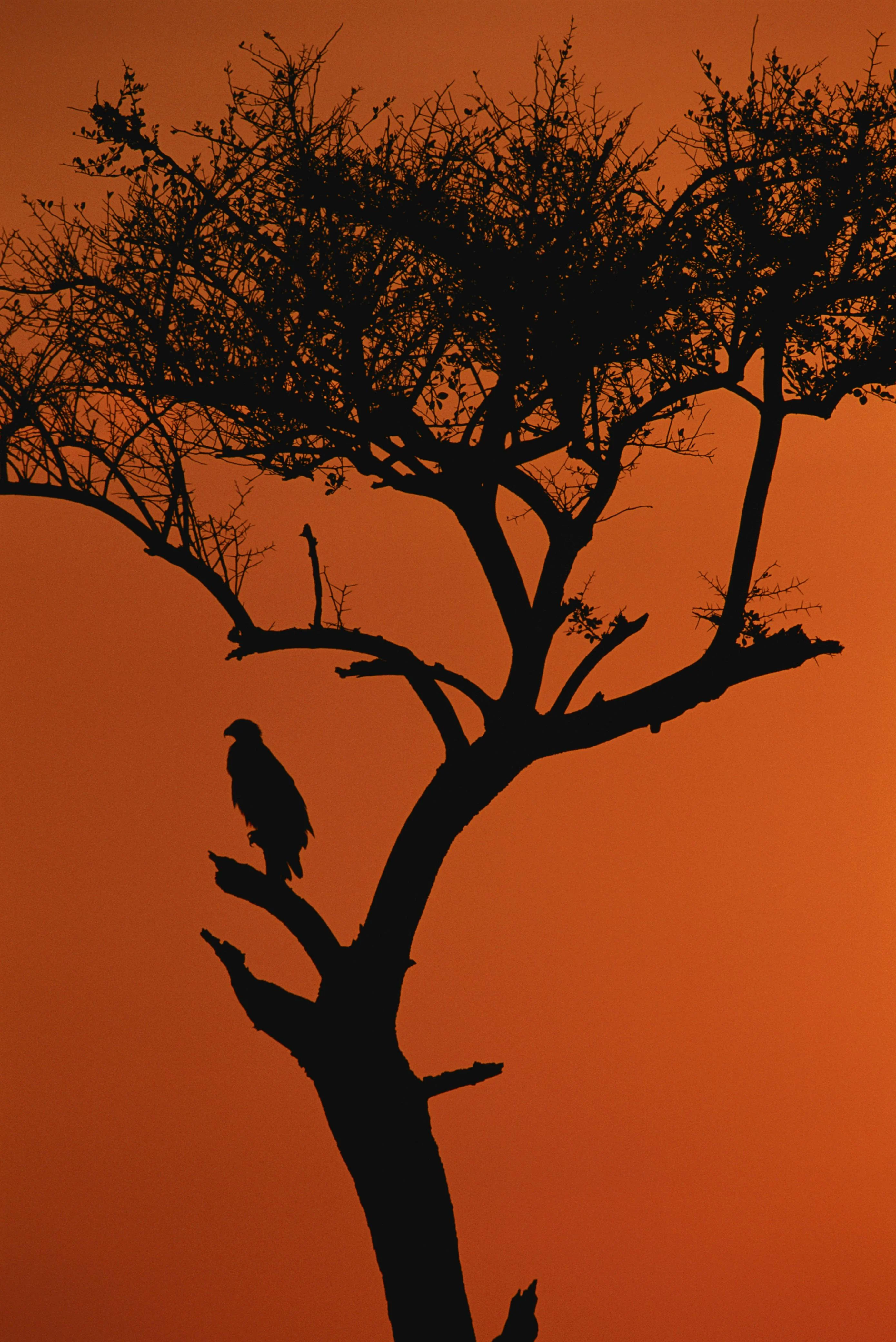
October marks a transitional period for East African birdlife, combining resident species with the first arrivals of European migrants. Late October starts the season of European migration and allows observation of more unique species of birds. Raptors begin arriving, with steppe eagles, lesser spotted eagles, and steppe buzzards taking up residence for the winter months.

Photography notes

October creates exceptional photographic conditions. The thinned vegetation, concentrated wildlife, and dramatic lighting combine for world-class photography opportunities. The golden-brown landscape provides beautiful, non-distracting backgrounds that make subjects pop. Dust kicked up by moving herds and vehicles catches light beautifully, particularly backlit during sunrise and sunset.

Activities & experiences

What to do in October

Game drives — exceptional conditions

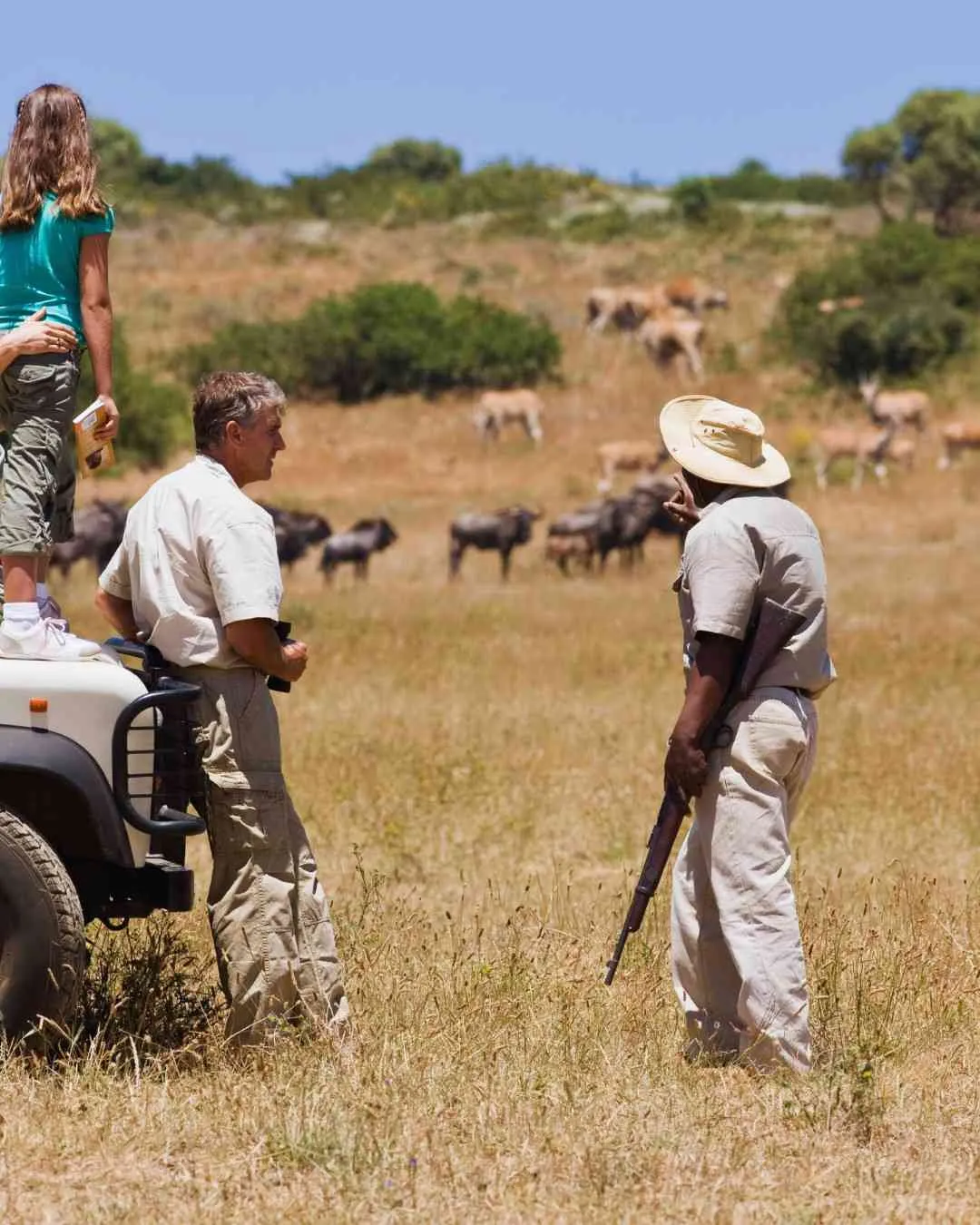
October offers exceptional conditions for extended game drives. October is warm and mostly dry, with daytime temperatures ranging from 24°C to 30°C, making it excellent for safaris. Morning drives, starting before sunrise, provide the best opportunities for predator activity and pleasant temperatures. The cool dawn air keeps animals active longer before heat drives them to shade.

Walking safaris

October's dry conditions create ideal circumstances for walking safaris. Nyerere National Park, Ruaha National Park, and various private conservancies offer guided bush walks that provide intimate wilderness experiences impossible from vehicles. Walking allows attention to smaller details often missed from vehicles: tracks and signs, insects and reptiles, birds and plants.

Hot air balloon safaris

Balloon safaris, offered primarily in the Serengeti, Tarangire, and Ruaha, provide incomparable aerial perspectives on East Africa's landscapes and wildlife. October's stable atmospheric conditions and clear skies create near-perfect ballooning weather. Flights typically depart at dawn, catching the landscape in beautiful morning light.

Boat safaris

Water-based safaris add diversity to traditional game drive experiences. Nyerere's boat safaris along the Rufiji River reveal hippos, crocodiles, and excellent birdlife. October's lower water levels concentrate wildlife along riverbanks, improving sighting quality.

Cultural experiences

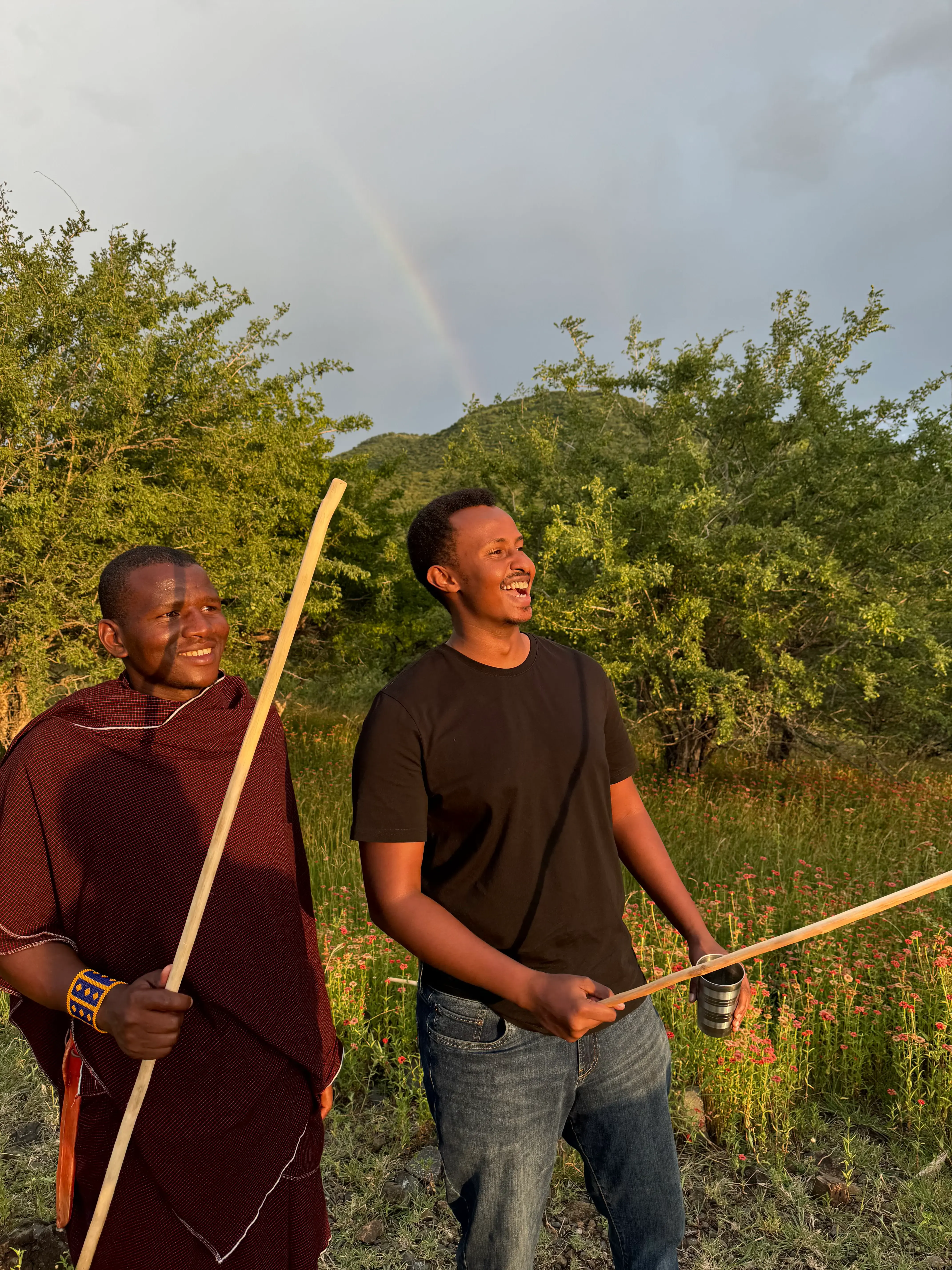
October provides excellent weather for cultural visits to local communities. Maasai villages near Ngorongoro Crater and Amboseli offer insights into traditional pastoralist lifestyles. Around Kilimanjaro, Chagga cultural tourism initiatives introduce visitors to coffee production, traditional banana beer brewing, and the remarkable underground cave dwellings used historically for defense.

Kilimanjaro climbing

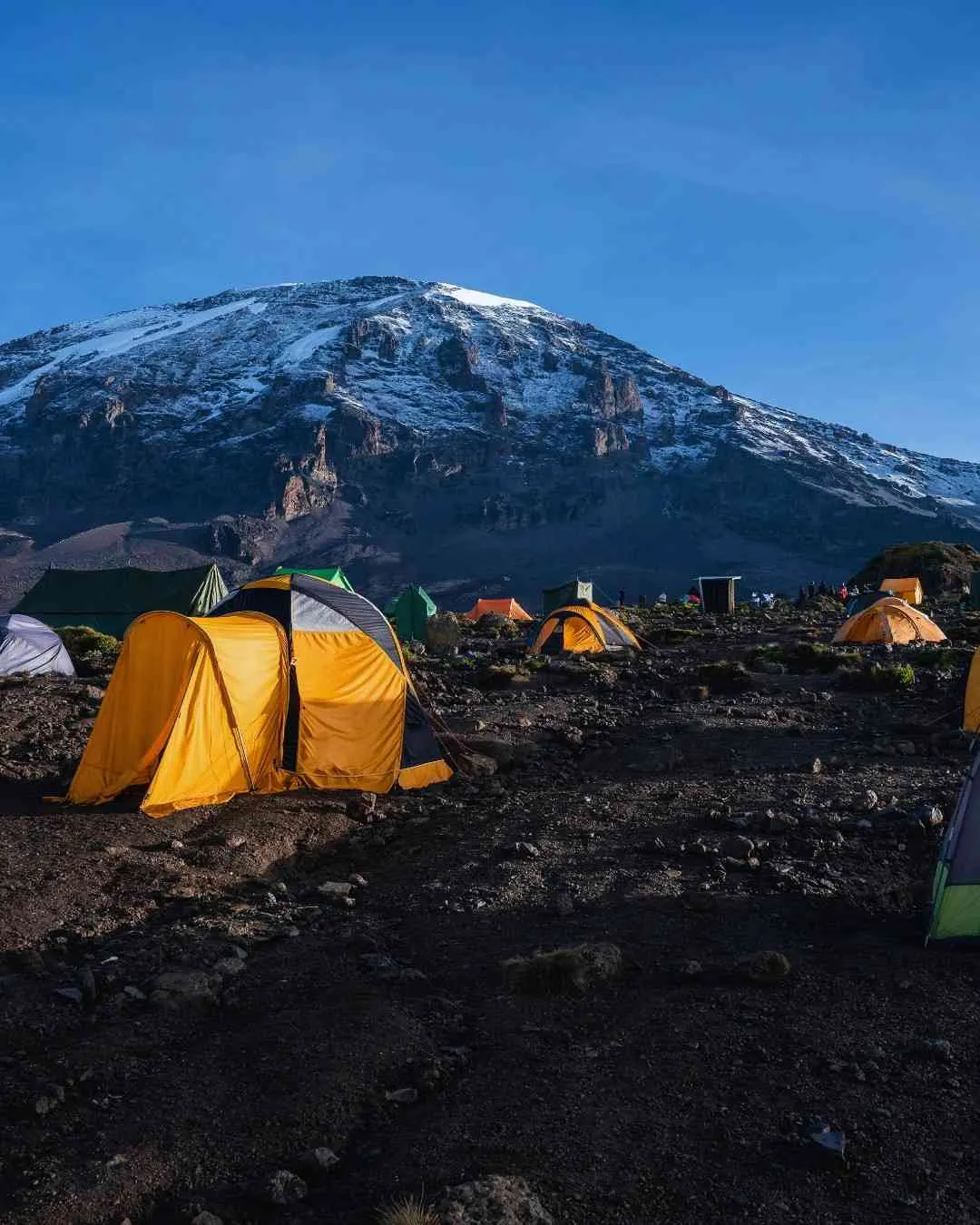
October presents excellent conditions for mountain climbing in Tanzania. October is a good month for Kilimanjaro climbs with weather conditions generally dry and clear, with excellent summit visibility. The dry conditions ensure trails remain in good condition, though climbers should prepare for cold temperatures at higher altitudes, particularly near the summit.

Weather & climate

How October feels across regions

Northern Tanzania (Serengeti, Ngorongoro, Tarangire)

  • Daytime temperatures: 27-30°C (81-86°F), though regional variations exist
  • Nights remain comfortable, typically around 15-18°C (59-64°F)
  • Higher altitude areas maintain cooler conditions (Ngorongoro rim 22-25°C daytime)
  • Early October usually remains completely dry
  • Late October experiences increased likelihood of precipitation

Southern Tanzania (Ruaha, Nyerere)

  • Daytime temperatures: 26-32°C (79-90°F); can feel hot
  • Nighttime temperatures: 14-20°C (57-68°F)
  • Rainfall: None; peak dry season
  • Conditions: Hot, dry, dusty; excellent game viewing; low water levels

Coastal Regions (Zanzibar, Dar es Salaam)

  • Temperatures: 25-30°C (77-86°F); moderate humidity
  • Rainfall: Minimal; dry season continues
  • Sea conditions: Calm, excellent for diving and snorkeling
  • Tides: Significant tidal variations on east coast

Sun exposure and UV

  • October's clear skies and equatorial location create intense sun exposure
  • UV indices consistently reach extreme levels (11+) during midday hours
  • Sun protection becomes critical: high-SPF sunscreen, hats, sunglasses, protective clothing
  • Dust levels reach their peak after months without significant rain

Travel tips

How to plan October right

Best parks to prioritize

  1. Tarangire National Park — absolute prime, highest elephant concentrations
  2. Serengeti National Park — migration return journey, excellent big cat sightings
  3. Ngorongoro Crater — reliable Big Five, excellent conditions
  4. Ruaha and Nyerere — remote wilderness, exceptional predator viewing
  5. Masai Mara (Kenya) — early October for tail end of migration

Ideal safari circuits

  • Classic Northern Circuit (7-10 days): Tarangire → Serengeti → Ngorongoro
  • Extended Northern Circuit (10-14 days): Add Lake Manyara, extend Serengeti, include Zanzibar
  • Southern Circuit Explorer (7-10 days): Focus on Ruaha and Nyerere
  • Multi-Country Combination (12-14 days): Kenya → Tanzania → Zanzibar

Crowd levels & booking

October starts with moderate to high tourist numbers in popular parks like Serengeti and Masai Mara, particularly in early October when conditions remain peak-season quality. However, numbers drop noticeably as the month progresses, with late October seeing significantly fewer visitors. Early October: Book 4-6 months ahead. Late October: Booking 2-3 months ahead usually suffices.

Where to Stay in October

October offers exceptional value with shoulder-season rates at many camps. Tarangire's riverfront lodges (Tarangire Treetops, Oliver's Camp, Sanctuary Swala) host peak elephant congregations—this is the month to splurge on Tarangire accommodation. Serengeti central and southern camps position guests for the migration's return journey. Southern circuit camps (Ruaha, Nyerere) deliver wilderness without peak pricing. Book 3–6 months ahead for early October; 2–3 months suffices for late October. Browse all accommodations.

Packing essentials

  • Lightweight, breathable safari clothing in neutral colors
  • Long-sleeved shirts and pants for sun protection
  • Warmer layer for early morning game drives
  • Quality binoculars (8x42 or 10x42), camera with telephoto lens
  • Dust protection for camera gear, lens cleaning supplies
  • High-SPF sunscreen (50+), wide-brimmed hat, sunglasses

Photography tips

  • Schedule serious photography for first three hours after sunrise and final two hours before sunset
  • Dust becomes significant concern—change lenses sparingly, keep gear in sealed bags
  • Meter off your subject rather than bright sky or dark shadows
  • Position yourself near water sources during heat of day for concentrated activity

Budget considerations

October presents interesting pricing dynamics: Early October maintains peak-season rates. Late October sees many properties transitioning to shoulder-season pricing (15-30% discounts). Budget: $200-300 pp/day. Mid-Range: $400-600 pp/day. Luxury: $800-1,500+ pp/day.

FAQs

October safari questions

Is October a good time for Tanzania safari?+

Yes, October ranks among the best months for Tanzania safaris, particularly in the first three weeks. October offers some of the best game viewing during the dry season as animals congregate around remaining water sources. The weather remains predominantly dry and warm, vegetation stays thinned for excellent visibility, and wildlife concentrations reach impressive levels after months without significant rain. October delivers particular advantages for Tarangire National Park, which experiences perhaps its single best month as elephant herds congregate in extraordinary numbers.

What's the weather like in Tanzania during October?+

October weather in Tanzania features warm, predominantly dry conditions ideal for extended game drives and outdoor activities. Daytime temperatures typically range from 24-30°C (75-86°F), with cooler highland areas around 22-25°C (72-77°F). Nights remain comfortable at 15-18°C (59-64°F), though crater rim areas can drop to 10-13°C (50-55°F). Early October remains completely dry with clear skies and excellent visibility. Late October experiences increasing likelihood of brief afternoon thunderstorms, though total monthly rainfall stays low at 25-50mm.

Can I see the Great Migration in October?+

Yes, though October's migration viewing differs significantly from the dramatic river crossing spectacles of July-September. October witnesses the Great Migration's southward return journey from Kenya's Masai Mara back into Tanzania's Serengeti. The herds begin filtering back across the Mara River in the opposite direction, though these crossings occur less frequently and with smaller groups than the famous northward crossings. Early October may still offer opportunities to see the tail end of large herds in the northern Serengeti and Masai Mara.

Should I visit Tanzania or Kenya in October?+

For October specifically, Tanzania offers slight advantages over Kenya, particularly in the second half of the month. Tanzania's Tarangire National Park reaches its absolute prime during October, delivering wildlife concentrations that rival anywhere in East Africa. The Serengeti maintains consistent excellence throughout October, while southern circuit parks like Ruaha and Nyerere experience their best conditions. Kenya's Masai Mara remains excellent in early October as the migration lingers, but wildlife viewing typically decreases through the month as herds depart for Tanzania.

What wildlife is best in October?+

October excels for several wildlife viewing priorities. Elephants reach their highest concentrations in October, particularly in Tarangire, Ruaha, and Amboseli where hundreds gather around remaining water sources. Predator viewing peaks during October as concentrated prey populations make hunting easier and more visible. Lions become remarkably active, often hunting during comfortable daytime hours. Leopards appear more frequently around water sources, while cheetahs thrive in the excellent visibility provided by thinned vegetation. Buffalo herds reach spectacular sizes in October, with concentrations of thousands common in Katavi, Ruaha, and the Serengeti.

How should I prepare for an October safari?+

Preparing for an October safari requires focusing on hot, dry conditions with intense sun exposure. Pack lightweight, breathable clothing in neutral colors, emphasizing sun protection with long sleeves, wide-brimmed hats, and high-SPF sunscreen. Include a light jacket for cool early mornings and evenings, particularly if visiting highland areas. Quality binoculars and camera equipment enhance the October experience when wildlife viewing reaches its peak. Bring dust protection for electronics as October's dry conditions create dusty environments on game drives. Book accommodations and gorilla permits well in advance for early October when demand remains high.