9 Days
Ultimate Migration Split
- Northern Serengeti (3–4 nights) on Mara River
- Masai Mara conservancy (3 nights) for crossings + off-road
- Nairobi exit day or add Amboseli
Est. $8,500–12,000 pp luxe mobile/conservancy mix.
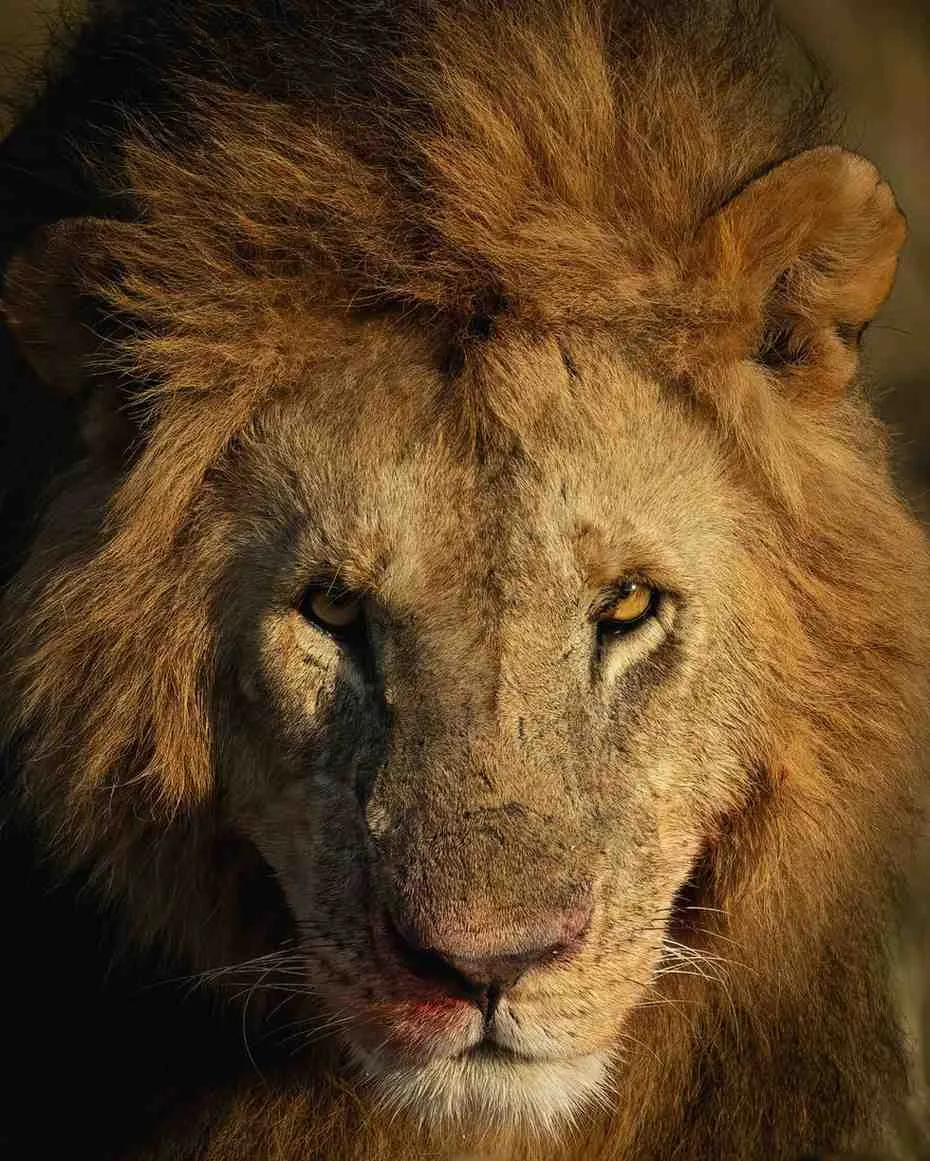
July is the peak dry season month for Tanzania safaris, when the Great Migration fills the northern Serengeti and the first dramatic Mara River crossings begin. Wildlife concentrates around permanent water sources, grass is short for excellent visibility, and the northern circuit delivers its most reliable game viewing of the year with Tarangire's elephant super-herds and Ngorongoro's guaranteed Big Five.
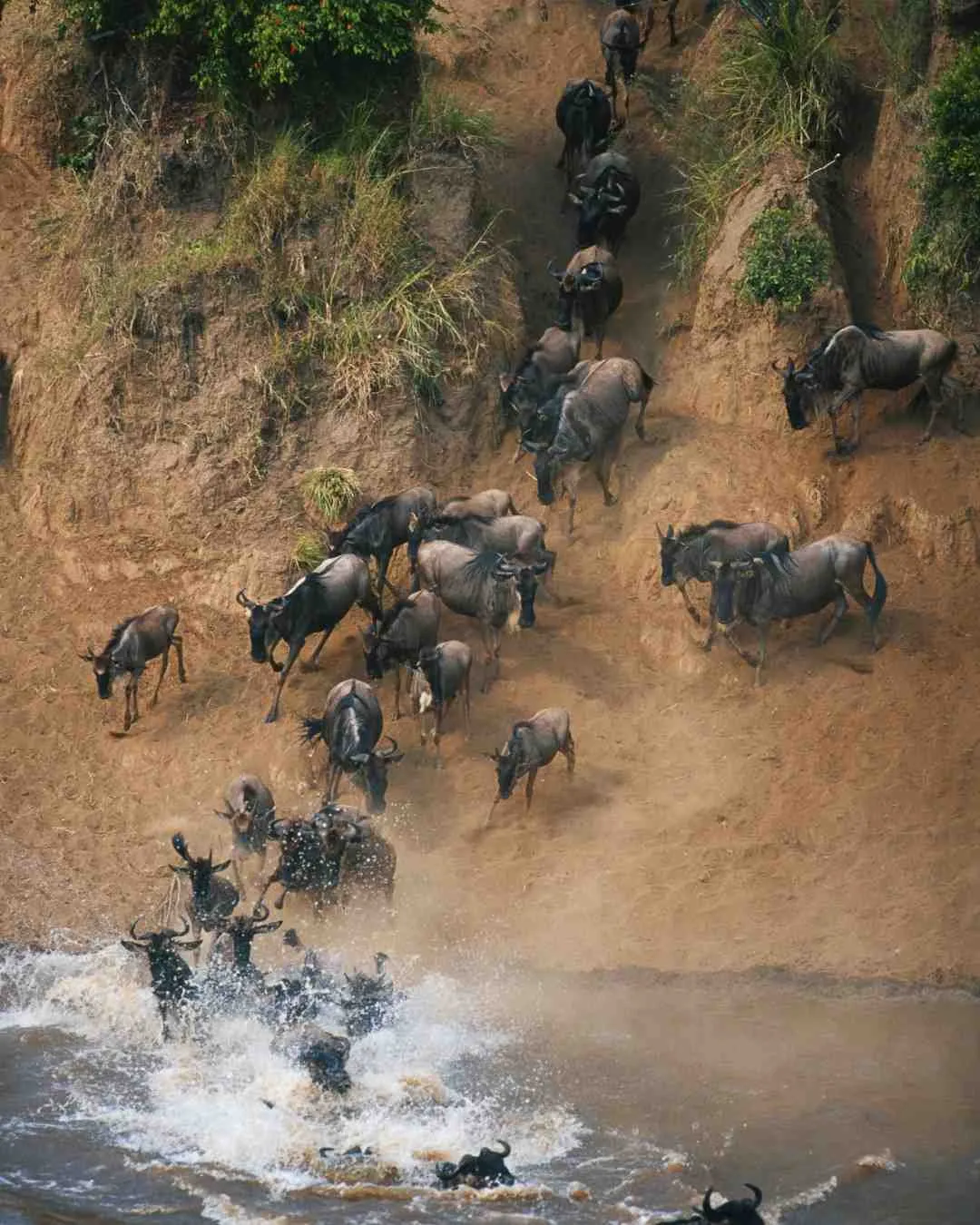
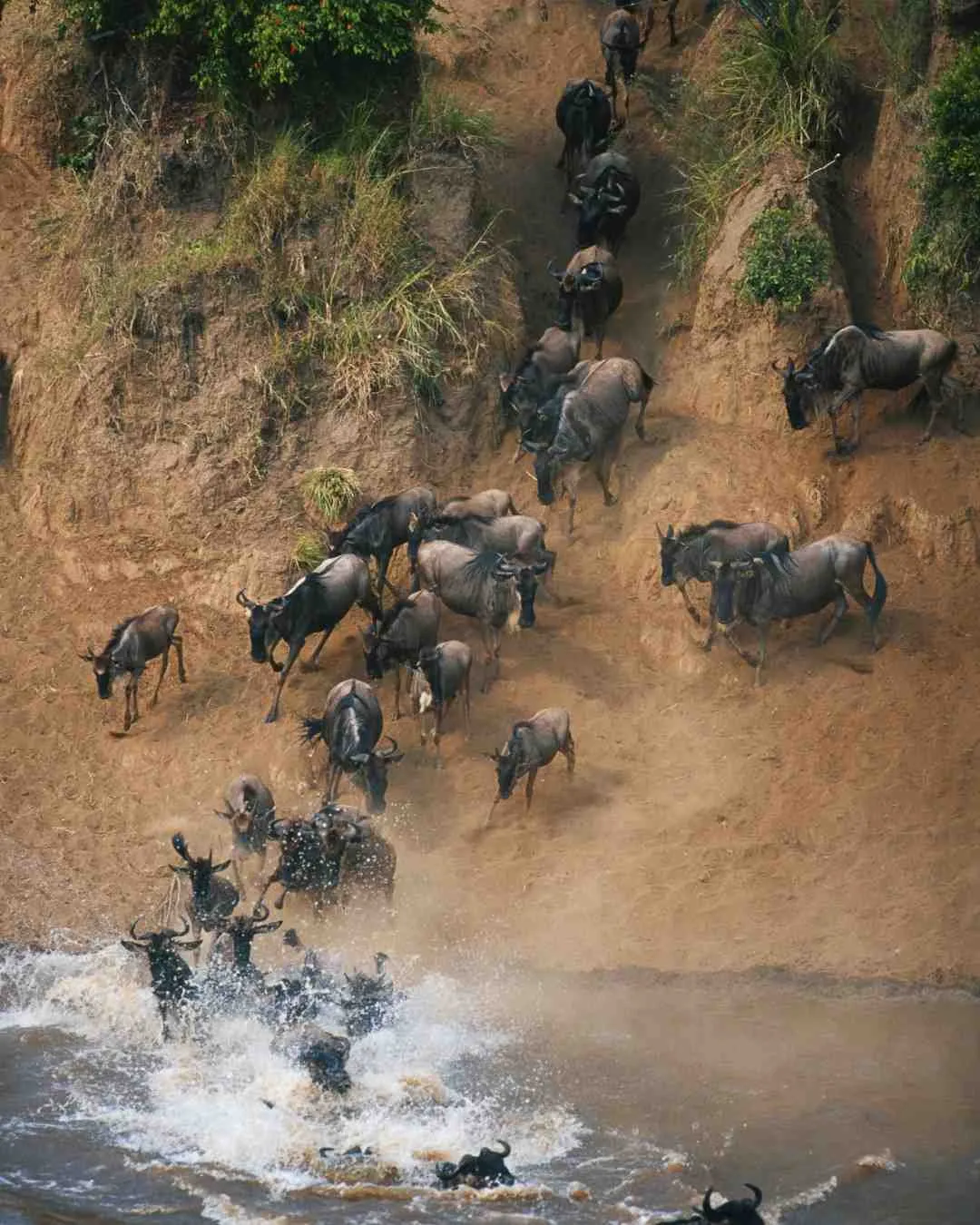
July is Mara River theatre. Herds test multiple crossing points from Kogatende to Lamai while western corridors still host Grumeti holdouts. Expect cliff-top views, crocodile lunges, lion ambushes and packed viewing calendars—book camps and private vehicles well ahead.
Tarangire’s elephant super-herds trench the riverbed in July, Ruaha’s lions and wild dogs dominate shrinking waterholes, and Ngorongoro mornings are crisp with endless visibility. Pair these with crater picnics or Karatu coffee walks between migration days.
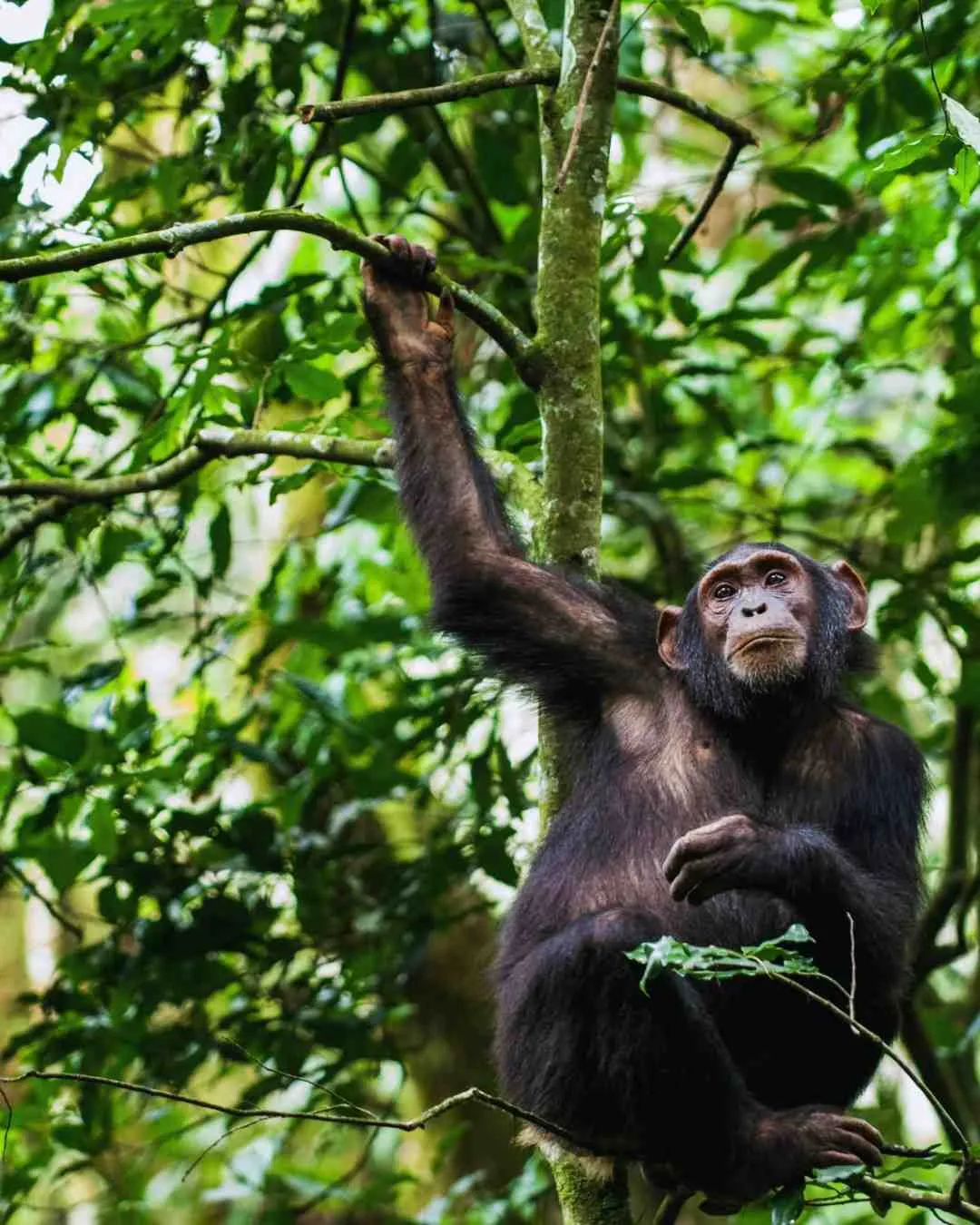
July is a peak Kilimanjaro month with cold, clear summits. It’s also poster-perfect on Zanzibar, Pemba, Fanjove and Mnemba—calm seas, rooftop breezes and world-class diving. Book charters early; July demand is fierce.
July Safari Guide
July is the migration’s headline month: explosive Mara River crossings, Tarangire’s elephant super-herds, Ruaha wild dog country, crystal Kilimanjaro mornings and calm Indian Ocean seas. It’s also peak season—book early and plan for crowds at the rivers.
Tanzania
Unlike the Grumeti's gradual crossings, the Mara River presents vertical banks, strong currents, and large concentrations of enormous Nile crocodiles. Crossings are unpredictable, explosive, and unforgettable. Thousands of animals mass along the riverbanks, building courage as the herd swells. Suddenly, a brave individual launches into the torrent, triggering a stampede as hundreds follow in chaotic succession.
Year-round predator hub even after herds push north: lions, leopards in riverine figs, cheetahs on plains; permanent water keeps wildlife dense.
July showcases the Crater at its finest with optimal wildlife visibility as animals concentrate around remaining water sources. The Crater floor's 30,000 resident animals create one of Africa's most reliable Big Five destinations.
Tarangire peaks: 300–500 elephant spectacles on the river, lions, leopards, cheetahs, fringe-eared oryx, baobab silhouettes; Manyara for tree lions, forest elephants, hippo pools, 400+ birds.
Prime dry season: Rufiji boat safaris with massive crocs/hippos, lions, leopards, wild dogs, 15k+ elephants, buffalo mega-herds; combine drives, boats and walking for varied perspectives.
Ruaha peak: lion super-prides (20–30), leopards, wild dogs, 12k+ elephants, rare antelope; Katavi hippo/buffalo pile-ups and low crowds; Mahale/Gombe for elite chimp tracking with clear Tanganyika waters.
Beyond Tanzania
Masai Mara receives the migration; expect big-cat feasts and river chaos—use conservancies for off-road, night drives and fewer vehicles. Amboseli for super-tuskers with clear Kili, Samburu’s “Special Five,” Laikipia rhino/wild dog programs, Tsavo’s red elephants.
Dry-season gorilla/chimp trekking: Bwindi/Mgahinga, Kibale, Queen Elizabeth, Murchison; Rwanda’s Volcanoes, Nyungwe, Akagera. Book permits 6–12 months out (Rwanda $1,500, Uganda $800); trails drier but still cool/misty.
Wildlife & nature
The Mara River is the migration’s main gauntlet: vertical banks, raging currents, and apex predators stacked. Tarangire and Ruaha compress life onto rivers; crater mornings reveal dense Big Five; dust and golden light set the scene.
Resident focus at peak activity and plumage: rollers, bustards, raptors, flamingos (Magadi/Manyara), Pel’s fishing owl (Nyerere), shoebill chances on Nile/Kazinga/Ihema deltas; dust adds atmosphere to backlit shots.
Activities & experiences
Dawn and late-day for cooler temps and hunting predators. Full days in Northern Serengeti/Mara to sit on crossings; private vehicles help pivot fast.
Peak balloon season over migration herds (north/central Serengeti, Mara), Tarangire baobabs, Ruaha wilderness—reserve months ahead.
Nyerere multi-day, Ruaha/Tarangire guided walks, Ngorongoro rim strolls, Laikipia conservancies—track on dry ground; start early before heat.
Rufiji (Nyerere), Kazinga Channel, Victoria Nile, Lake Ihema—hippos, crocs, elephants, prolific birds; sunset cruises are standouts.
Gorilla/chimp treks in Uganda/Rwanda at peak demand; drier but still steep—book 6–12 months out. Mahale/Gombe chimps excellent in July.
Maasai/Samburu visits, Hadzabe/Datoga at Eyasi; Kili/Meru climbs with clear nights; end with Stone Town, spice tours, dhow sails.
Weather & climate
Travel tips
July is peak: hold mobile/conservancy camps, balloons, private vehicles, Kili routes and crater rim lodges 9–12 months out.
July demands camps in the northern Serengeti: mobile tented camps from Singita, &Beyond, Asilia and Lemala position guests metres from Mara River crossing points. Lamai Wedge camps offer semi-permanent luxury with migration front-row seats. For crater complement, rim lodges above Ngorongoro provide pre-dawn access to beat the crowds. Tarangire's riverfront properties host elephant super-herds. Book 9–12 months ahead for these prime locations. Browse all accommodations.
Suggested itineraries
Est. $8,500–12,000 pp luxe mobile/conservancy mix.
Est. $7,500–11,000 pp mid–lux mix.
Est. $12,000–17,000 pp incl. Rwanda gorilla permit.
FAQs
It’s peak: Mara crossings, dense wildlife, clear weather and Kilimanjaro windows. Crowds and prices are highest—June or early Aug are lighter alternatives.
With 4–5 days in Northern Serengeti/Mara, odds are high (70–80%+), but never guaranteed. Crossings are unscheduled—buffer days matter.
Do both if possible: split nights across Northern Serengeti (fewer vehicles) and Mara conservancies (off-road/night drives). If one, TZ = value/fewer cars; Kenya = easy access + conservancy perks.
9–12 months for northern Serengeti mobiles, Mara conservancies, crater rim, balloons and Kili routes; 6–12 months for gorilla permits.
Warm dawn layers, buff/eye drops for dust, telephoto glass, soft duffel, SPF 50+, DEET, hydration salts. For Kili: summit down, mitts, -20 °C bag.
Read our best time to visit Tanzania,best time to visit Serengeti, or Mara River crossing guide.
Explore all months,June,August, or Tanzania safaris.
Read our safari cost guide,packing list, or browse our journal.
Receive a free, no obligation quote from our safari experts.

We're here to help