Tanzania Safari

Tanzania Safari Tours 2026

Serengeti, Ngorongoro & Beyond

Private, tailor-made safaris across the Northern Circuit, Southern wilderness, and Zanzibar's islands. Born-and-raised local guides. Maximum 7 guests per vehicle — guaranteed.

🇹🇿 Tanzanian-owned

Quick Facts

Typical trip length4–14+ days (most guests choose 7–10 days)
Popular circuitsNorthern, Southern, Western, Coastal & Islands
Safari styles availablePrivate vehicle, Small-group, Mobile fly-camp, Photography, Honeymoon, Family
Guide languagesEnglish, Swahili, German, French, Spanish
Group size capMaximum 7 guests per vehicle — always, written into every contract
Base & contactDodoma Road, Arusha, Tanzania · +255 783 255 249 · info@trailsafariexplorers.com

Browse our complete collection of Tanzania safari tours.

Why Tanzania Remains Africa's Greatest Safari Country

Tanzania dedicates approximately 38% of its land to protected areas — the highest proportion of any country worldwide. This commitment has preserved the complete Great Wildebeest Migration route across the Serengeti, the world's largest inactive volcanic caldera at Ngorongoro, and the snow-capped summit of Kilimanjaro. Three of Africa's Seven Natural Wonders sit within Tanzania's borders. From the elephant kingdoms of Tarangire to the predator-dense wilderness of Ruaha and the spice-scented alleys of Zanzibar, a Tanzania safari delivers unmatched geographic breadth in a single journey.

The country's geological diversity creates year-round wildlife opportunities across every season. The Rift Valley escarpments of the north, volcanic highlands around Ngorongoro, miombo woodlands of the south, montane forests of the west, and coral-fringed Indian Ocean coastline each host distinct ecosystems. This translates into specific, measurable wildlife densities: Tarangire's dry season concentrates elephant herds of 300 or more along the Tarangire River; Ngorongoro Crater holds one of the continent's densest concentrations of predators within its 600-metre walls; Ruaha National Park protects approximately 10% of the world's remaining lions alongside significant African wild dog populations; and Mahale Mountains National Park shelters over 900 habituated chimpanzees on the shores of Lake Tanganyika. No other safari country matches this range of specialised wildlife experiences.

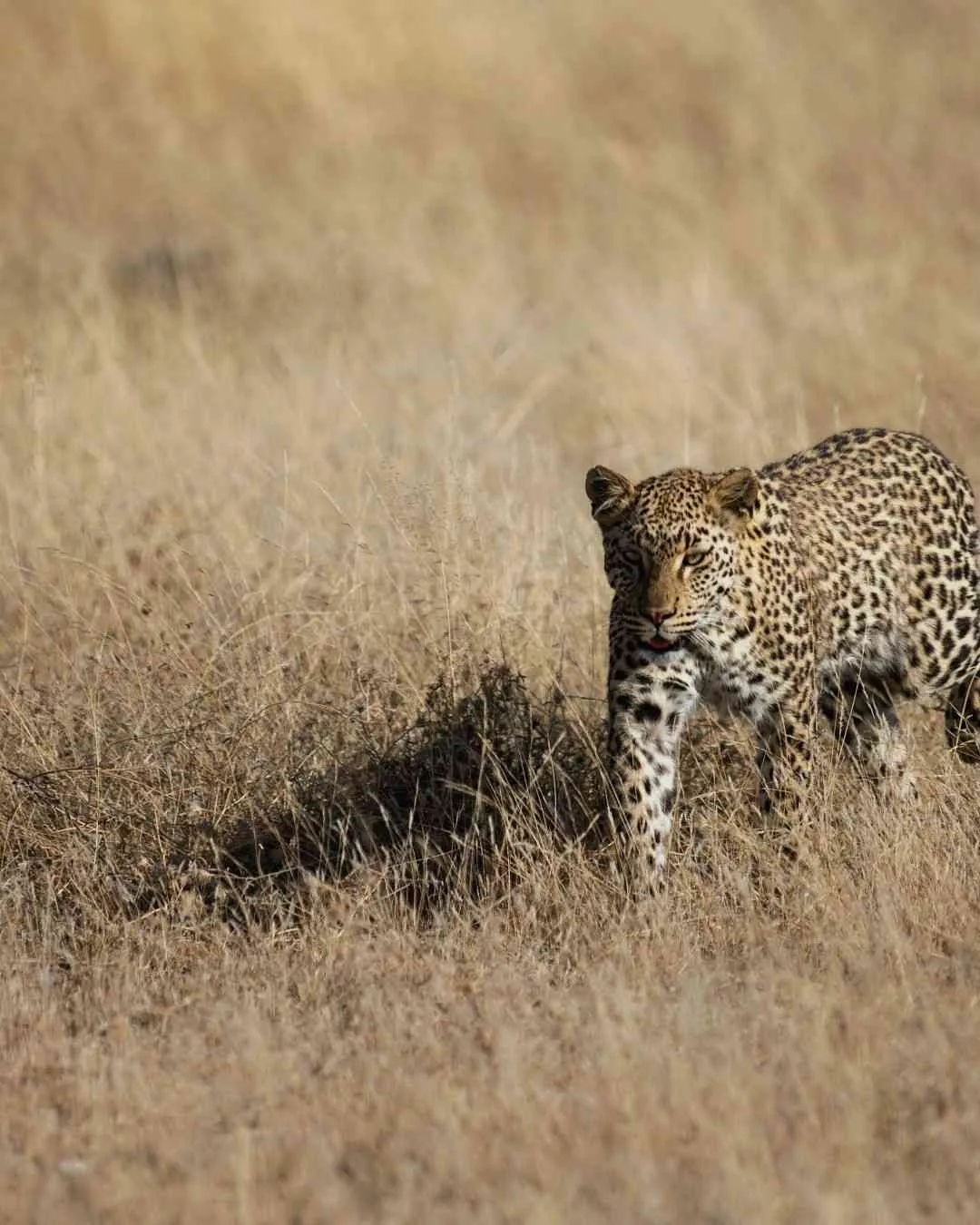
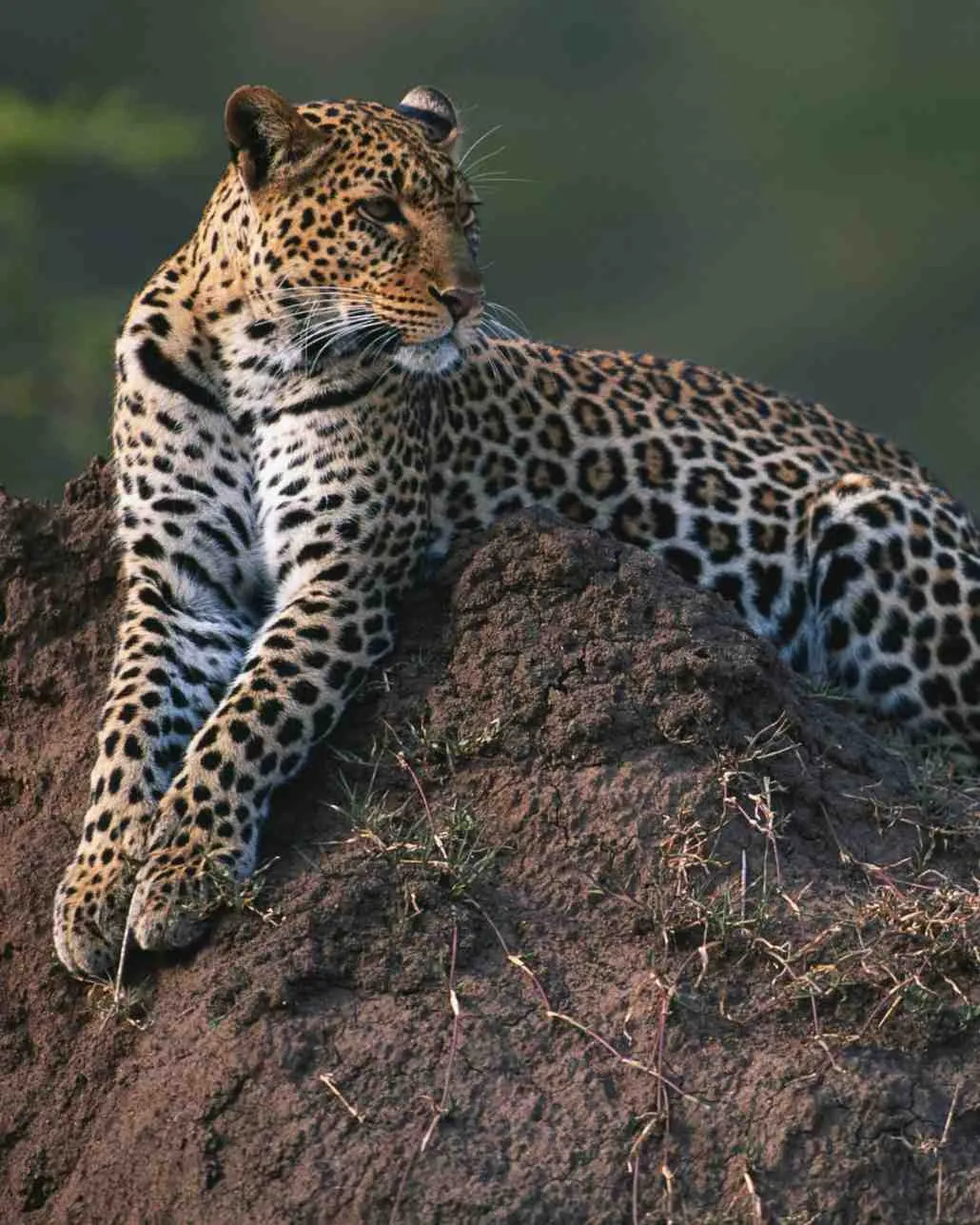
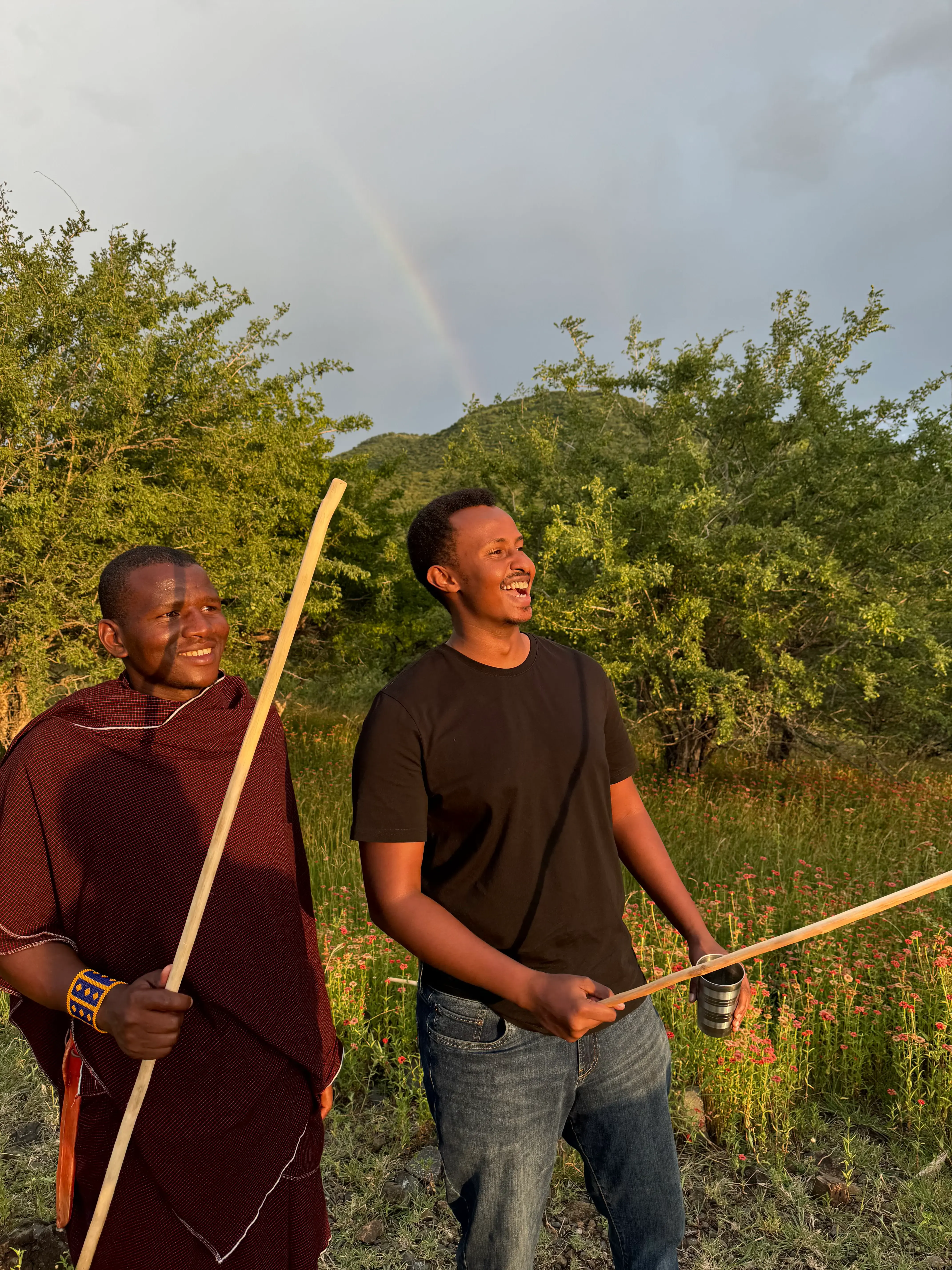
Trail Safari Explorers operates from Arusha, not from a foreign booking office. Our guides were born in Tanzania — in Maasai, Meru, and Chagga communities — and have tracked wildlife across these landscapes for decades. They know which kopje that leopard favours for afternoon shade, when the tuskers arrive at the Tarangire River, and exactly where to position your vehicle at the Mara crossing for the light and the action. Maximum 7 guests per vehicle is written into every contract, not offered as a vague promise. Every Tanzania safari we build is tailored to your specific dates, preferred pace, and wildlife priorities. No generic templates. No middlemen. Just local expertise delivered directly.

Primary regions

Map Your Circuit — Tanzania's Four Safari Zones

Tanzania divides into four distinct safari zones. First-time visitors typically begin with the Northern Circuit, while repeat travellers explore the remote south and west. Speak to one of our Tanzania experts to determine which circuit suits your timing and interests.

Serengeti National Park

Great Migration epicentre

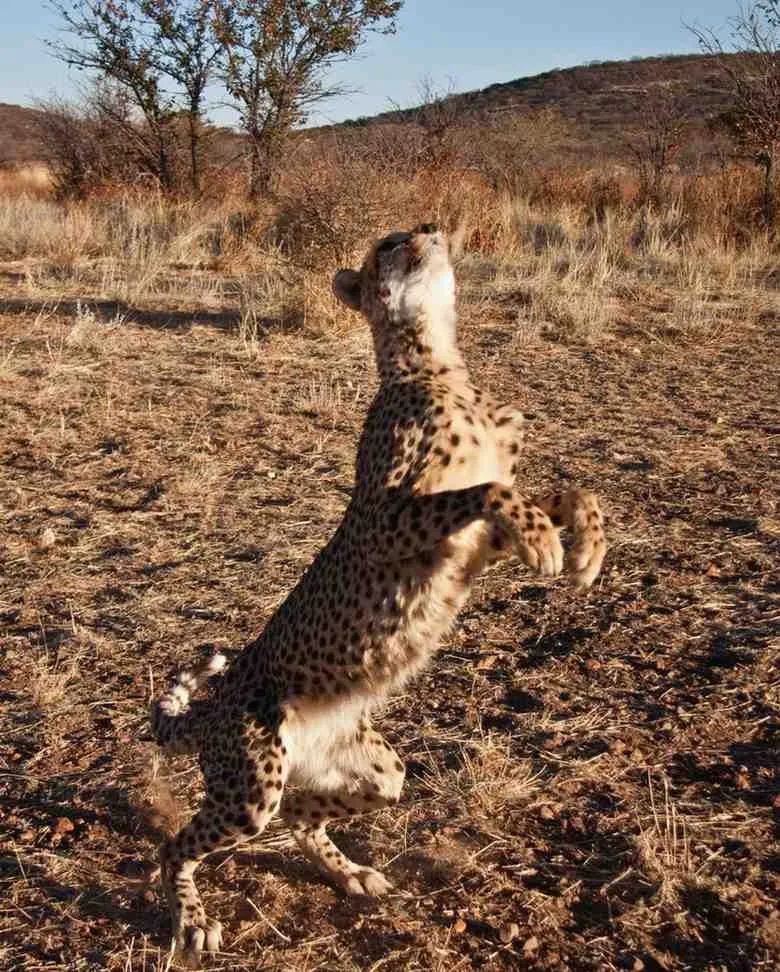
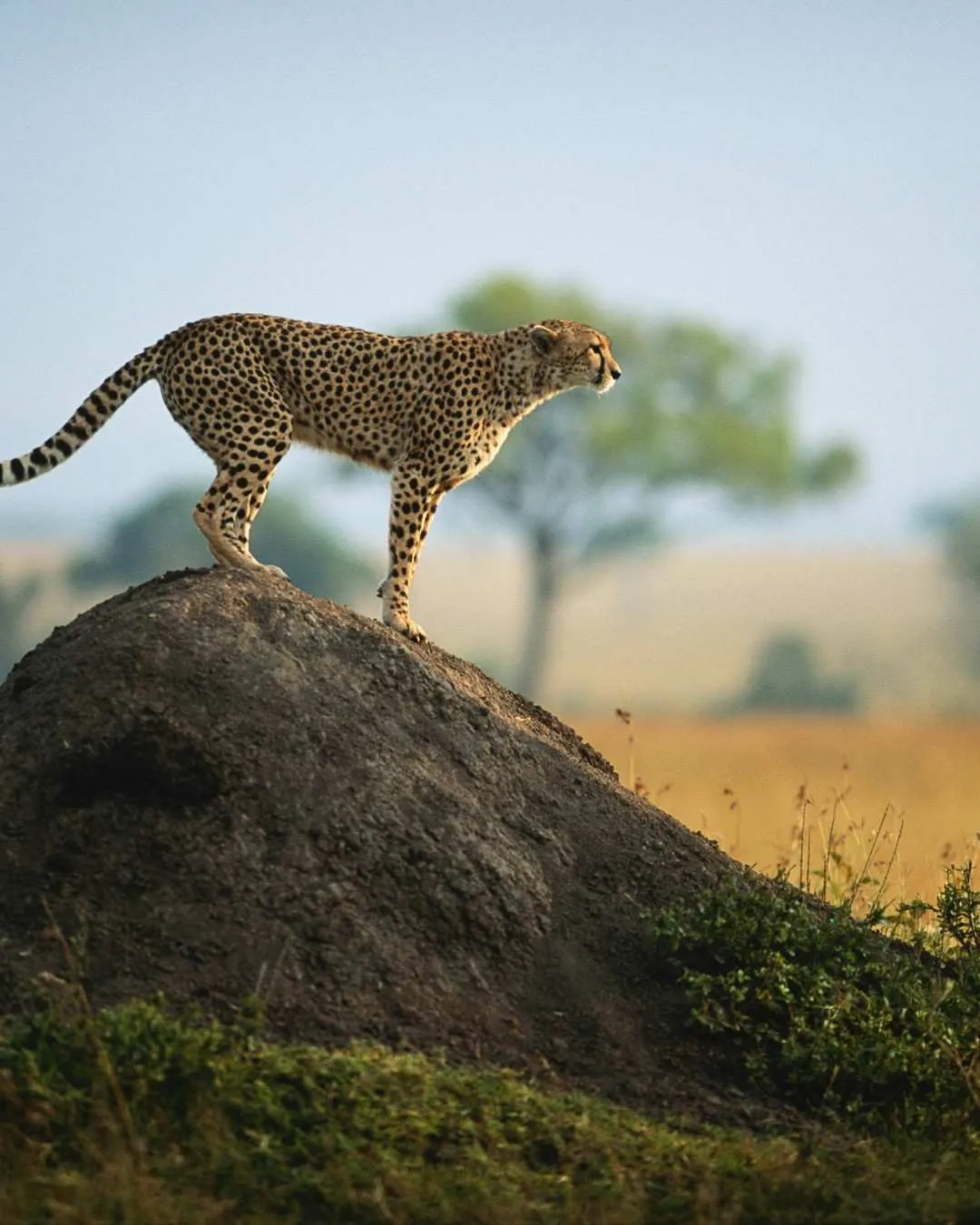
At 14,763 km², the Serengeti dominates northern Tanzania. The wildebeest herds calve in the southern plains from January through March, when predator action peaks around 8,000 births per day. Between May and June, the Western Corridor fills with animals pressing toward the Grumeti River. July to October brings the Mara River crossings — the dramatic culmination of the migration cycle. By November and December, the herds turn south again, completing the circle. Throughout, the Serengeti delivers reliable big-cat sightings, cheetah territories on the open plains, and kopje-dwelling leopards.

Ngorongoro Conservation Area

World's largest inactive volcanic caldera

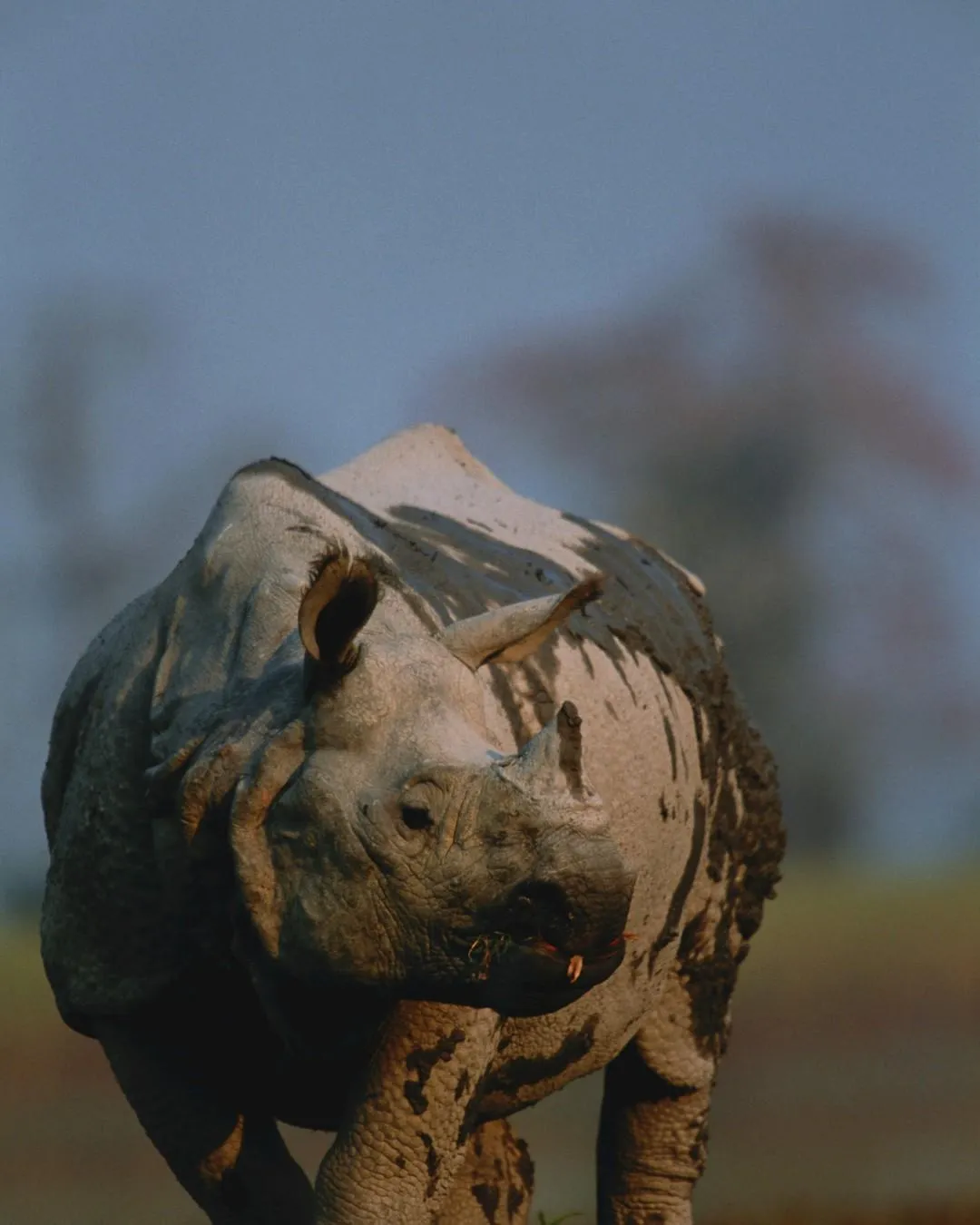
Ngorongoro's 600-metre walls encircle the world's largest intact volcanic caldera, creating a natural amphitheatre with approximately 30,000 animals inside. Black rhino sightings remain consistent here when they have become rare elsewhere. Lion prides patrol the crater floor, hyenas commute along well-worn tracks, and flamingos colour the soda lakes pink. Beyond the crater, the Olduvai Gorge holds two million years of human history — our guides explain the significance of the archaeological finds as you stand at the viewpoint.

Tarangire National Park

Elephant kingdoms & ancient baobabs

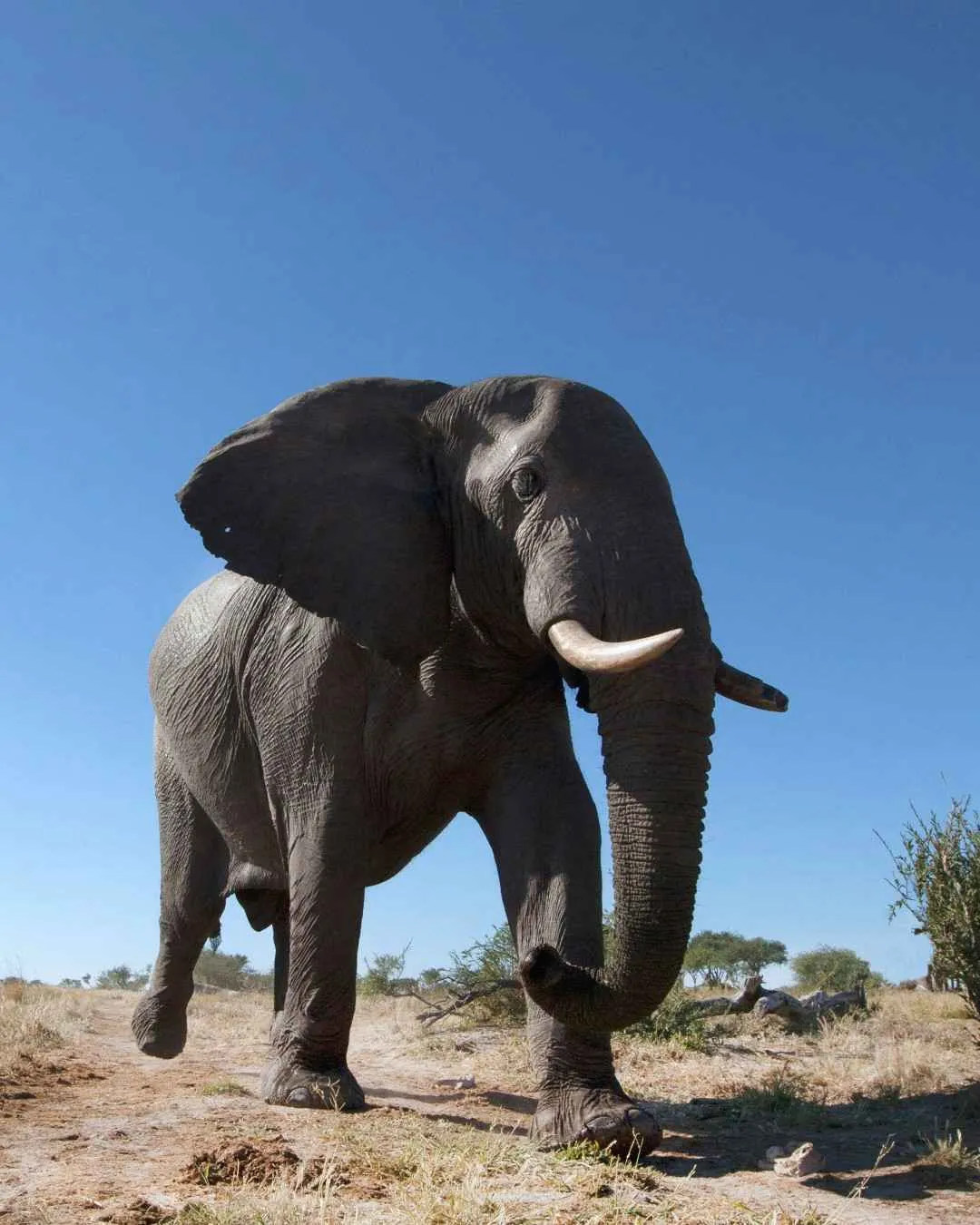
During the dry season, the Tarangire River becomes the only reliable water source for herds of 300 or more elephants that gather along its banks. The park protects over 500 bird species, including the endemic yellow-collared lovebird found nowhere else in Tanzania. Ancient baobabs punctuate the landscape, and night drives in the park's limited concession areas reveal hunting leopards, servals, and aardvarks. Tarangire pairs naturally with Lake Manyara and Ngorongoro for classic northern circuit itineraries.

Ruaha National Park

Southern wilderness & mega-prides

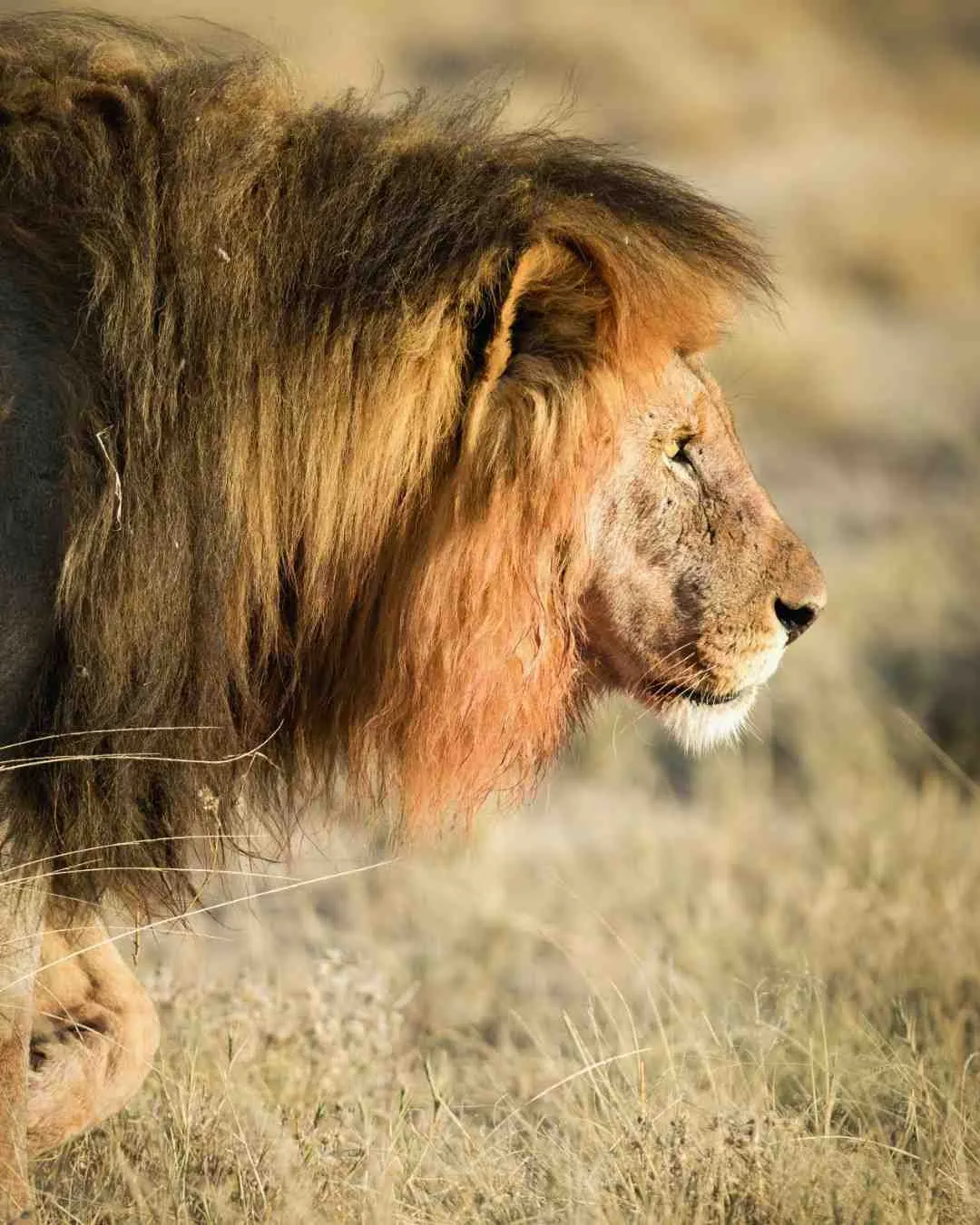
As Tanzania's largest national park at 20,226 km², Ruaha offers true wilderness scale. The park protects over 10,000 elephants and carries approximately 10% of the world's remaining lion population within its boundaries. African wild dogs maintain a significant stronghold here, with dens active during the dry season. The Great Ruaha River attracts predators to its shrinking pools between June and October. Walking safaris with armed guides reveal the details that vehicle-bound visitors miss — tracks, dung beetles, and the alarm calls that precede predator sightings.

Nyerere National Park (Selous)

Rufiji River & untamed bush

At roughly 30,000 km², Nyerere (formerly Selous) stands as Africa's largest game reserve. The Rufiji River system defines the experience here — boat safaris pass pods of hippo, basking crocodiles, and the rare Pel's fishing owl in the riverside trees. Walking safaris explore the miombo woodlands, while fly-camping options place you in lightweight tents deep within the reserve. Wild dogs den in the area, and the combination of water and land activities creates a varied safari rhythm unavailable in purely savannah parks.

Katavi & Mahale Mountains

Western frontier & chimpanzee encounters

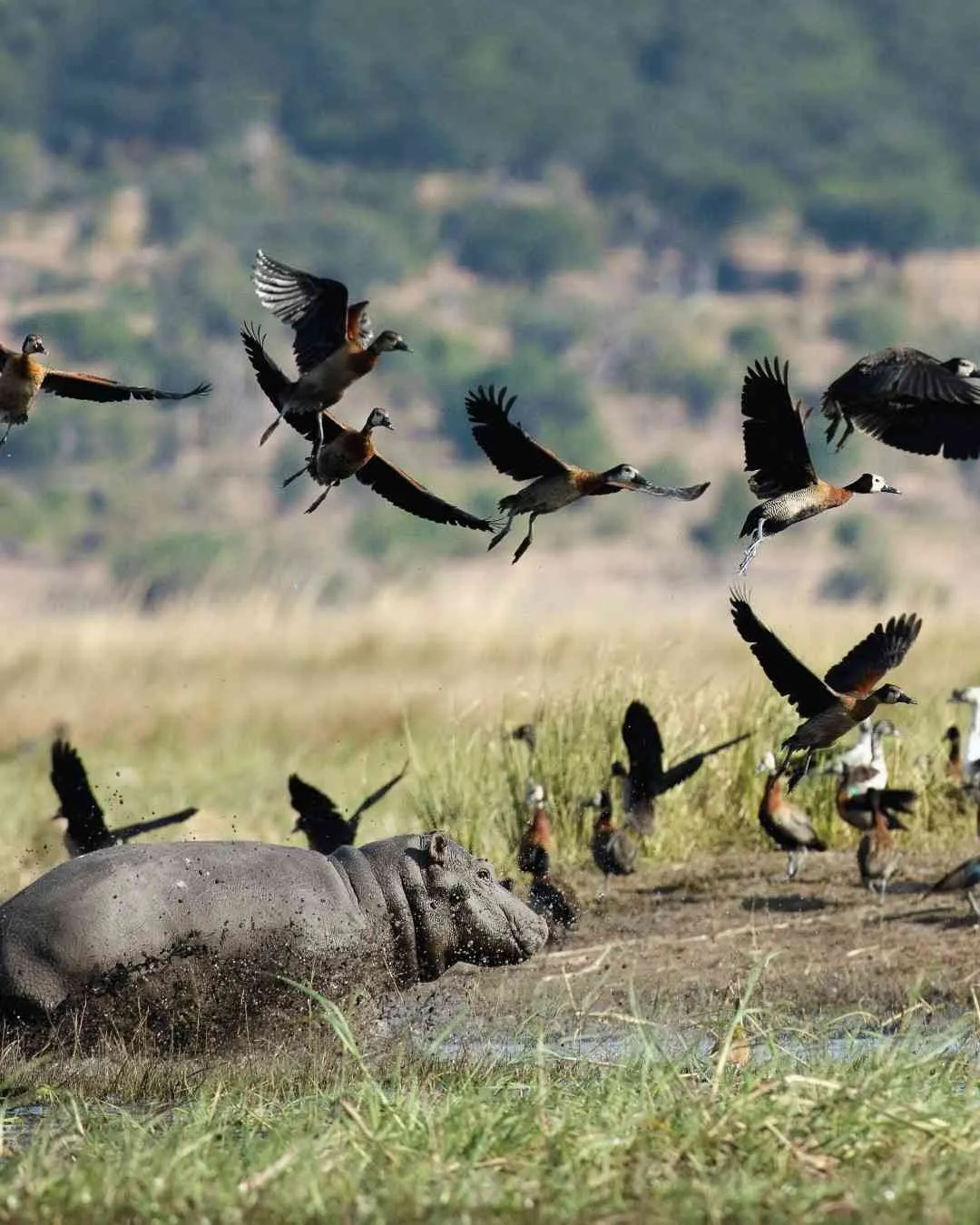
Katavi's Katuma River explodes with wildlife concentration during the dry season — several hundred hippos cram into shrinking pools, creating territorial battles that echo across the floodplains. Buffalo herds number in the thousands. Four hundred kilometres north, Mahale Mountains National Park shelters over 900 habituated chimpanzees along the white-sand beaches of Lake Tanganyika. Reaching both parks requires charter flights, which limits visitation and preserves their wilderness character. These destinations suit repeat safari travellers seeking experiences beyond the northern circuit.

Zanzibar, Pemba & Mafia Islands

Bush-to-beach finale

Stone Town's UNESCO-listed streets offer a cultural counterpoint to wildlife safari days, with spice tours revealing why these islands earned their historical reputation. Mnemba Atoll delivers snorkelling and diving within a protected marine reserve off Zanzibar's northeast coast. Pemba's wall dives rank among East Africa's best, with depths dropping to 40 metres. Between October and February, Mafia Island's whale sharks feed at the surface, offering swimming encounters. A 45-minute domestic flight from Arusha connects directly to Zanzibar, making the bush-to-beach combination logistically straightforward.

Wildlife & phenomena

What You'll See

Great Migration Rhythms

  • Calving: Southern Serengeti/Ndutu (Jan–Mar)
  • Western Corridor & Grumeti crossings (May–Jun)
  • Mara River crossings (Jul–Oct) · Return south (Nov–Dec)

Big Five Strongholds

  • Ngorongoro & Serengeti for rhino, lion, leopard, elephant, buffalo
  • Tarangire’s elephant megaherds and tree-climbing lions
  • Ruaha’s predator density rivals the northern circuit

Predator & Rare Species

  • Serengeti cheetahs, Ruaha wild dogs, Katavi crocodile gauntlets
  • Lake Manyara flamingos, Tarangire’s 500+ bird species
  • Mahale chimpanzees, Gombe history, coastal marine megafauna

Birding Bonanza

  • Tarangire (500+ species) with endemic yellow-collared lovebirds
  • Nyerere wetlands, Lake Manyara flamingo waves
  • Serengeti raptors, ground hornbills, and ostrich parades

Special Behaviors

  • Tree-climbing lions of Lake Manyara
  • Katavi hippo battles when rivers shrink
  • Secretary birds striding across Serengeti short grass

Experiences

Safari Experiences — Shape Every Day

A Trail Safari Explorers itinerary is not a fixed schedule'll See

Great Migration Rhythms

  • Calving: Southern Serengeti/Ndutu (Jan–Mar)
  • Western Corridor & Grumeti crossings (May–Jun)
  • Mara River crossings (Jul–Oct) · Return south (Nov–Dec)

Big Five Strongholds

  • Ngorongoro & Serengeti for rhino, lion, leopard, elephant, buffalo
  • Tarangire’s elephant megaherds and tree-climbing lions
  • Ruaha’s predator density rivals the northern circuit

Predator & Rare Species

  • Serengeti cheetahs, Ruaha wild dogs, Katavi crocodile gauntlets
  • Lake Manyara flamingos, Tarangire’s 500+ bird species
  • Mahale chimpanzees, Gombe history, coastal marine megafauna

Birding Bonanza

  • Tarangire (500+ species) with endemic yellow-collared lovebirds
  • Nyerere wetlands, Lake Manyara flamingo waves
  • Serengeti raptors, ground hornbills, and ostrich parades

Special Behaviors

  • Tree-climbing lions of Lake Manyara
  • Katavi hippo battles when rivers shrink
  • Secretary birds striding across Serengeti short grass

Experiences

Safari Experiences — Shape Every Day

A Trail Safari Explorers itinerary is not a fixed schedule — it is a framework your guide adjusts in real time based on where the wildlife is moving. The experiences below are available across our circuits. Browse the full experiences library or ask your safari planner to build them into your quote.

Game Drives — Morning & Afternoon

Pop-up roof Land Cruisers sweep sunrise and sunset circuits across the savannah. Morning drives catch predators returning from the hunt; afternoon drives track herds moving toward water. Your guide reads the landscape in real time, adjusting routes based on radio reports and fresh sign.

Hot-Air Balloon Safaris

Float above the Serengeti at dawn, watching wildlife scatter beneath your shadow. Champagne breakfasts follow landing, served where the plains meet the morning light. These flights book out months ahead during peak season — early reservation is essential.

Walking Safaris

Ruaha, Nyerere, and select Serengeti concessions permit armed walking safaris. Your guide interprets spoor, identifies alarm calls, and tracks movements that vehicle passengers never witness. Walks typically run 3–4 hours at dawn before the heat builds.

Boat Safaris

The Rufiji River in Nyerere creates Africa's classic water safari experience. Drift past pods of hippo, watch crocodiles bask on sandbanks, and train binoculars on the rare Pel's fishing owl in riverside trees. Boat safaris run morning and late afternoon for optimal light and wildlife activity.

Night Game Drives

Private concessions around Tarangire and select northern circuit areas permit night drives. Spotlighting reveals nocturnal species — servals hunting in the grass, aardvarks excavating termite mounds, leopards beginning their patrols. Night drives require specific concession access not available in standard national park areas.

Cultural Connections

Tanzania's human heritage enriches the wildlife experience. Visit Maasai communities to learn about pastoral life, trek with Hadzabe bushmen to understand hunter-gatherer tracking techniques, or join Swahili cooking classes in Stone Town. These encounters support community-owned tourism initiatives.

Chimpanzee & Primate Trekking

Mahale Mountains National Park shelters over 900 habituated chimpanzees along Lake Tanganyika's beaches. Trek through montane forest to observe chimp social dynamics, vocalisations, and feeding behaviours. Gombe Stream, made famous by Jane Goodall, offers alternative chimp encounters further north.

Photographic Safaris

Specialised photographic vehicles provide beanbag mounts, 360-degree shooting positions, and behaviour-trained guides who understand camera angles and animal positioning. These safaris prioritise quality over quantity — longer waits at sightings yield superior images.

Seasonality & packing

Tanzania Wildlife Calendar — When to Go & What to See

Timing shapes every Tanzania safari. For detailed month-by-month guidance, see our Travel by Month resource.

Dry Season · June – October

Best for: peak wildlife, Great Migration river crossings, Tarangire elephants

  • June: Herds push north; first river crossings possible at Grumeti
  • July–August: Peak Mara River crossing season in the northern Serengeti
  • September: Tarangire elephant herds reach 300+ along the Tarangire River
  • October: Last reliable wildlife concentrations before rains arrive

See our July safari guide and August safari guide

Green/Calving Season · January – March

Best for: wildebeest calving, photography, predator action, value

  • Late January: Wildebeest calving begins in southern Serengeti/Ndutu plains
  • February: Peak calving with up to 8,000 births per day; predator action intensifies
  • March: Final calving weeks; dramatic skies create exceptional photographic light
  • Lower rates than dry season; landscapes lush and green

See our January safari guide and February safari guide

Shoulder Season · April – May & November

Best for: value, birding, lush landscapes, uncrowded experiences

  • April–May: 30–40% lower rates; long rains bring emerald landscapes
  • November: Palearctic migrants arrive; birding reaches peak diversity
  • Some remote southern/western camps close; northern circuit remains fully open
  • Ideal for photographers who embrace occasional showers for dramatic skies

See our November safari guide

Packing essentials

  • Neutral safari layers + warm dawn kit for crater & highlands
  • Waterproof shell, quick-dry clothing, scarf/buff for dust
  • Wide-brim hat, SPF 50+, polarized sunglasses
  • Closed-toe safari boots / sandals, walking shoes, gaiters for walks
  • Binoculars (10x42), telephoto lens (400–600 mm), bean bag/strap, dust protection
  • Power bank, universal adapters (Type G), soft-sided duffel (15 kg on bush flights)
  • Swimwear & reef-friendly sunscreen for Zanzibar/Pemba/Mafia

Logistics & budgets

Tanzania Safari Costs — What to Budget

Safari prices vary by season, accommodation tier, circuit, and group size. All quotes include accommodation, meals on safari, park fees, private vehicle and guide, and specified transfers. Exclusions: international flights, visas, travel insurance, gratuities.

Budget benchmarks

Budget camping safarisFrom $1,640 pp for 7 days
Comfort lodge safaris$300–$450 per person per day
Premium tented camps$500–$800 per person per day
Luxury fly-in safaris$1,000–$1,500+ per person per day
Small-group departures$3,495–$5,150 per person (7–8 days)

Visas & entry

  • Tanzania visa on arrival: USD $50–$100
  • Yellow fever certificate if arriving via endemic countries
  • 6 months passport validity required

Small-group departures

Guaranteed Weekly Departures — Join a Small Group

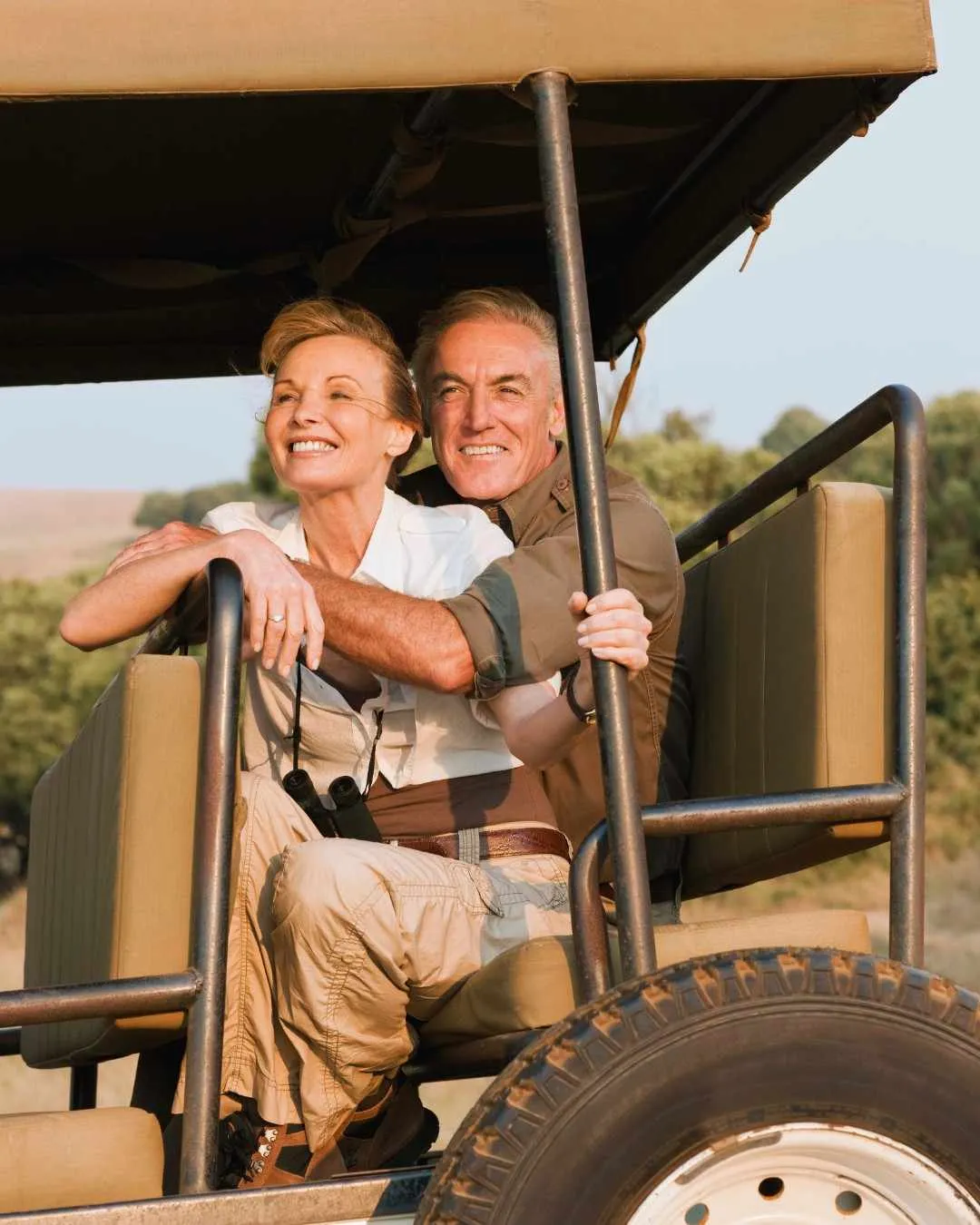
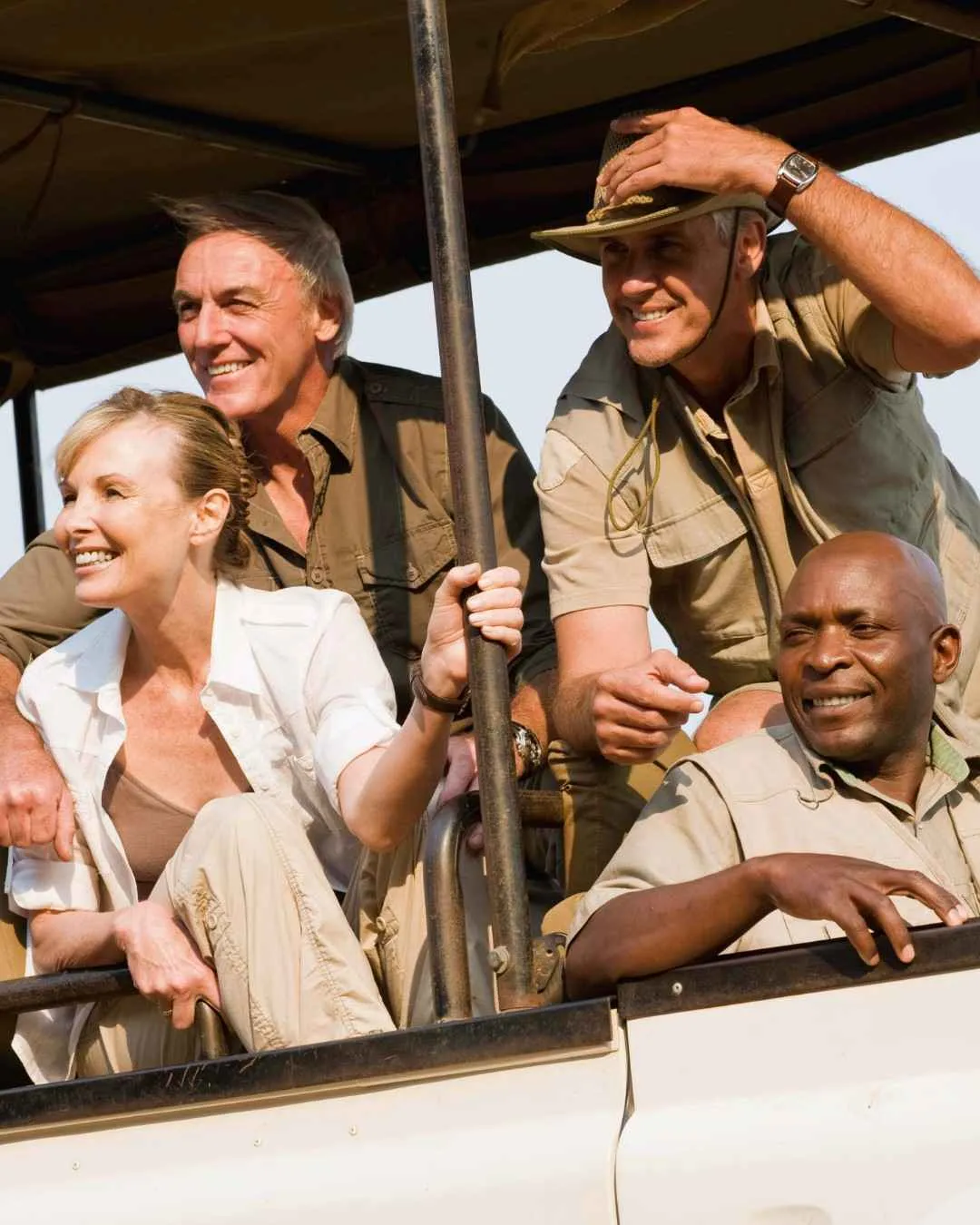
Small-group safaris suit solo travellers who prefer company, couples who enjoy group energy, and anyone seeking cost savings without compromising quality. Maximum 7 guests means every seat is a window seat. Our Tanzanian-born guides come from Maasai, Meru, and Chagga communities — bringing authentic local knowledge to every drive. Find your tribe and join like-minded explorers.

Grumeti Signature Luxury

Peak Migration · Western Corridor

Wednesdays · 7 Days / 6 Nights

$4,650 pp (2026) · $4,895 (2027) · $5,150 (2028)

  • Tarangire Treetops, The Manor at Ngorongoro, Labalaba Grumeti Art Lodge
  • Focus on Grumeti River crossings, kopje sundowners, curated art & cuisine
  • Private 4x4s, internal flights, Flying Doctors cover, max 7 guests

Comfort Retreat Premium

Year-Round Northern Circuit

Saturdays · 8 Days / 7 Nights

$3,495 pp (2026) · $3,675 (2027) · $3,865 (2028)

  • Serian Tarangire, acacia-farm-lodge, Enkirari Wilderness or Lion’s Paw Camp
  • Full-day crater descent, Serengeti photographic drills, optional balloon
  • Guaranteed departures once 4 guests confirmed · single supplement +$600

Solo Traveller Tribe

Find Your Tribe · Tanzanian-Owned

Weekly date blocks · shared or private rooms

Room share at standard rate or single supplement +$600–$800

  • Maximum 7 guests, every seat a window seat
  • Guides from Maasai, Meru, and Chagga communities
  • Conservation contributions, emergency evacuation, 24/7 operations support

Tanzania Safaris — Planning Guide

Why choose Tanzania

Tanzania combines world-class big-game viewing, iconic landscapes, and island beaches — all in one country. Expect high-quality wildlife encounters across diverse habitats, the option to time your trip around the Great Migration and calving, and easy combinations with Kilimanjaro or Zanzibar.

How to choose regions

The Northern Circuit (Serengeti, Ngorongoro, Tarangire, Manyara) is ideal for first-time safaris and migration action. The Southern & Western Circuits (Ruaha, Nyerere, Katavi, Mahale, Gombe) offer remote wilderness, river safaris and chimp trekking. Select zones by season, interests and pace.

Seasonality & wildlife

June–October usually brings concentrated wildlife near waterholes and possible river crossings in many years. January–March often features calving in the Serengeti’s southern plains. The green seasons offer lush scenery, prolific birding and fewer visitors.

Accommodation & lodge styles

From luxury tented camps and boutique lodges to mobile and fly-camp experiences, we match you to properties that suit your style, accessibility needs and photography goals.

Booking & pricing transparency

Quotes typically include accommodation, meals on safari, private vehicle and guide, park fees and specified transfers. Exclusions usually cover international flights, visas, insurance, tips and optional extras.
Regional Overviews

Seasonality & Wildlife Calendar

  • Jan–Mar (short dry; calving in southern Serengeti/Ndutu): excellent predator action.
  • Apr–May (long rains): lush landscapes; great birding; fewer visitors.
  • Jun–Oct (cool dry): peak wildlife viewing; river crossings in some years.
  • Nov–Dec (short rains): green season, good value and birding.

See also Travel by Month. Use our best time to visit Tanzania guide.

Accommodation & Lodges

Tiers: Budget, Comfort, Luxury, Ultra-luxury, Private-use. Filter for family-friendly, accessible, eco-certified, private-use, proximity to park gates, photographic suitability.

Explore partners: Accommodations.

Booking, Pricing & What to Expect

  • Sample price bands vary by season and style. Ask for a tailored quote.
  • Typically includes: park fees, private 4x4 and guide, accommodation, meals, specified transfers.
  • Common exclusions: international flights, insurance, tips, visas, optional extras.

Booking flow: itinerary page → Plan My Trip (prefilled) → proposal & deposit → confirmation.

Legal: Terms & Conditions

Practical Resources

Tanzania Safari FAQs

What is the best time to visit Tanzania for a safari?

June to October brings peak wildlife viewing across all circuits, with the Great Migration crossing the Mara River between July and October. January to March offers the calving season in the southern Serengeti, when 8,000 wildebeest are born daily and predator action intensifies. April to May (long rains) and November (short rains) deliver emerald landscapes, exceptional birding, and rates 30–40% lower than peak season.

How much does a Tanzania safari cost?

Budget camping safaris start from $1,640 per person for 7 days. Comfort lodge safaris typically range $300–$450 per person per day. Premium tented camps run $500–$800, while luxury fly-in safaris reach $1,000–$1,500+ per person per day. Small-group departures cost $3,495–$5,150 depending on season and year. All Trail Safari Explorers quotes include accommodation, meals on safari, park fees, private vehicle and guide, and specified transfers.

How long should I spend on safari in Tanzania?

Most guests choose 7–10 days for a comprehensive Tanzania safari experience. Four to five day options suit those combining safari with Kilimanjaro or Zanzibar. Ten to fourteen days allows multi-circuit exploration — combining the Northern Circuit (Serengeti, Ngorongoro) with the Southern Circuit (Ruaha, Nyerere) or adding western chimpanzee trekking at Mahale.

Do I need vaccinations or malaria prophylaxis for Tanzania?

Malaria prophylaxis is recommended for all safari areas. Consult your doctor 6–8 weeks before travel to discuss appropriate medications. Yellow fever vaccination is required if you are arriving from an endemic country. We include Flying Doctors air evacuation cover on all our trips for additional peace of mind.

Can you combine Tanzania safari with Kilimanjaro or Zanzibar?

Absolutely — these combinations are among our most requested itineraries. Popular pairings include Kilimanjaro summit followed by Serengeti wildlife recovery, or Serengeti safari concluded with Zanzibar beach relaxation. A 45-minute flight connects Arusha directly to Zanzibar. We arrange all logistics, internal flights, and accommodation transitions seamlessly.

What should I pack for a Tanzania safari?

Pack neutral-colour clothing (khaki, olive, brown), a warm fleece for dawn game drives, wide-brim hat, sunglasses, and SPF 50+ sunscreen. Bring binoculars (8x42 or 10x42 recommended), camera with telephoto lens, soft-sided duffel bag (15 kg limit for bush flights), power bank and universal adapter. Include swimwear and reef-friendly sunscreen if visiting Zanzibar. See our complete Tanzania safari packing list.

What is the difference between the Northern and Southern safari circuits?

The Northern Circuit (Serengeti, Ngorongoro, Tarangire, Manyara) offers the most concentrated wildlife viewing and infrastructure, ideal for first-time visitors. The Southern Circuit (Ruaha, Nyerere/Selous) provides remote wilderness, fewer vehicles, walking safaris, and boat safaris unavailable in the north. The Northern Circuit works year-round; the Southern Circuit excels June to October when dry season concentrates wildlife.

Why choose Trail Safari Explorers over other Tanzania operators?

We are Tanzanian-owned and Arusha-based — not a foreign booking office. Our guides were born in Maasai, Meru, and Chagga communities and hold professional Tanzania Tourist Board licences. Maximum 7 guests per vehicle is written into every contract, not offered as a vague promise. We inspect every camp and lodge we recommend, provide 24/7 in-country support, and contribute to wildlife conservation with every booking.

Do you offer small-group safaris or only private trips?

Both. Our guaranteed weekly small-group departures run every Wednesday and Saturday with maximum 7 guests per vehicle — ideal for solo travellers and couples who enjoy company. Alternatively, we design fully private safaris tailored to your dates, pace, and interests. Small-group prices start at $3,495 per person; private safaris are quoted individually based on your specific requirements.