Cultural Experiences
Hadzabe Bushmen Trek Tanzania – Walk with the Last Hunter-Gatherers
An authentic encounter with humanity's ancient past
Hunter-Gatherers
Last traditional lifestyle
Bow & Arrow
Traditional hunting demonstration
Lake Eyasi
Ancient homeland setting
The Hadzabe bushmen trek Tanzania offers one of Africa's most profound cultural experiences. Near Lake Eyasi, approximately 1,000 Hadzabe maintain one of the world's last true hunter-gatherer lifestyles—living much as all humans did 10,000 years ago. This is not a performance for tourists but an authentic encounter with an ancient way of life.
Who Are the Hadzabe?
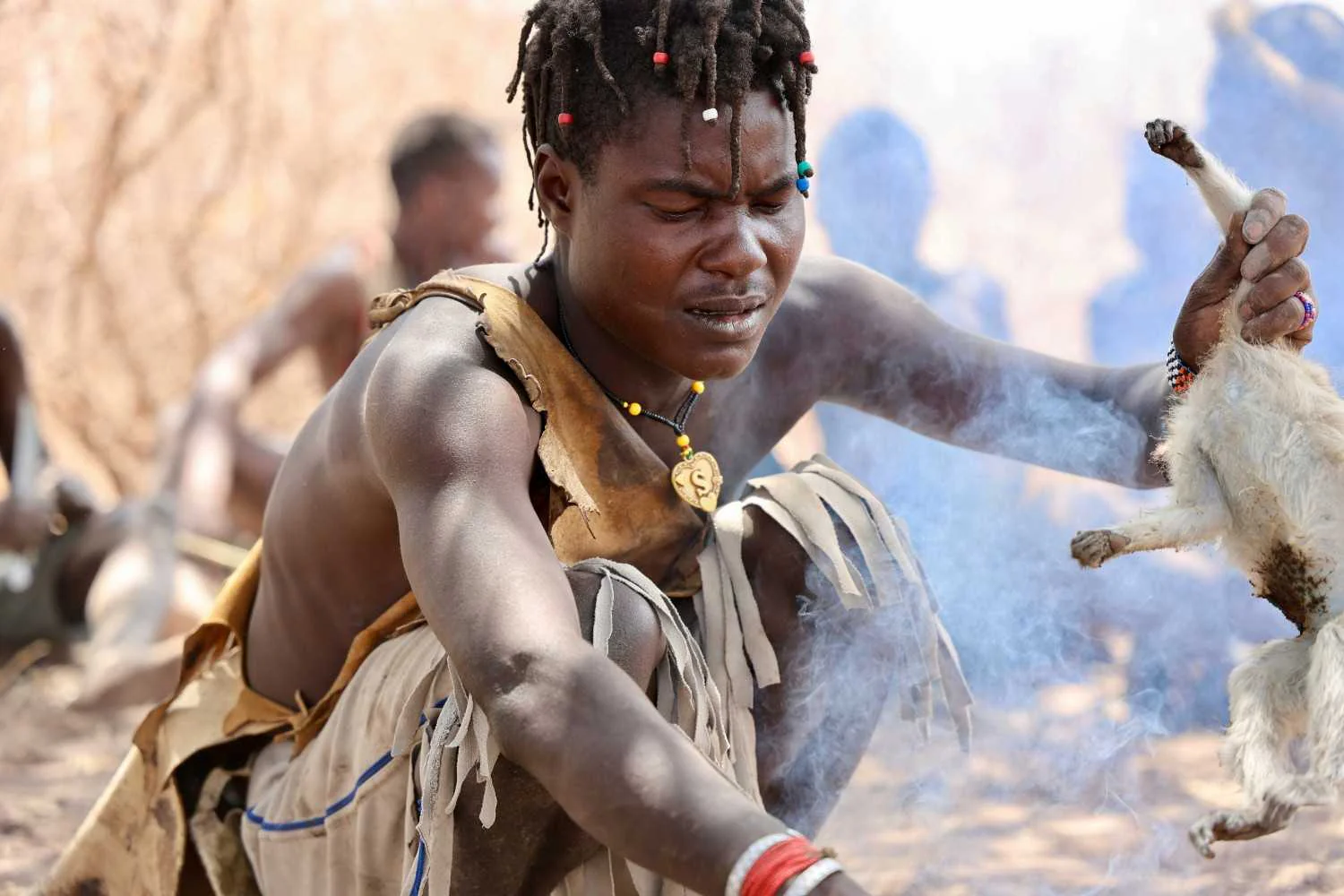
The Hadzabe (or Hadza) have inhabited the Lake Eyasi basin for millennia, predating agricultural expansion across Africa. They speak a unique click-language unrelated to neighboring Bantu or Nilotic tongues—possibly one of humanity's oldest surviving languages. Their genetic lineage also suggests ancient roots, with some studies linking them to early human populations.
Approximately 300–400 Hadzabe maintain fully traditional lifestyles, living in small mobile camps, hunting with bows and poison arrows, and gathering wild tubers, berries, and honey. Others have settled into villages but maintain cultural connections. The total population is around 1,000 individuals.
The Trekking Experience
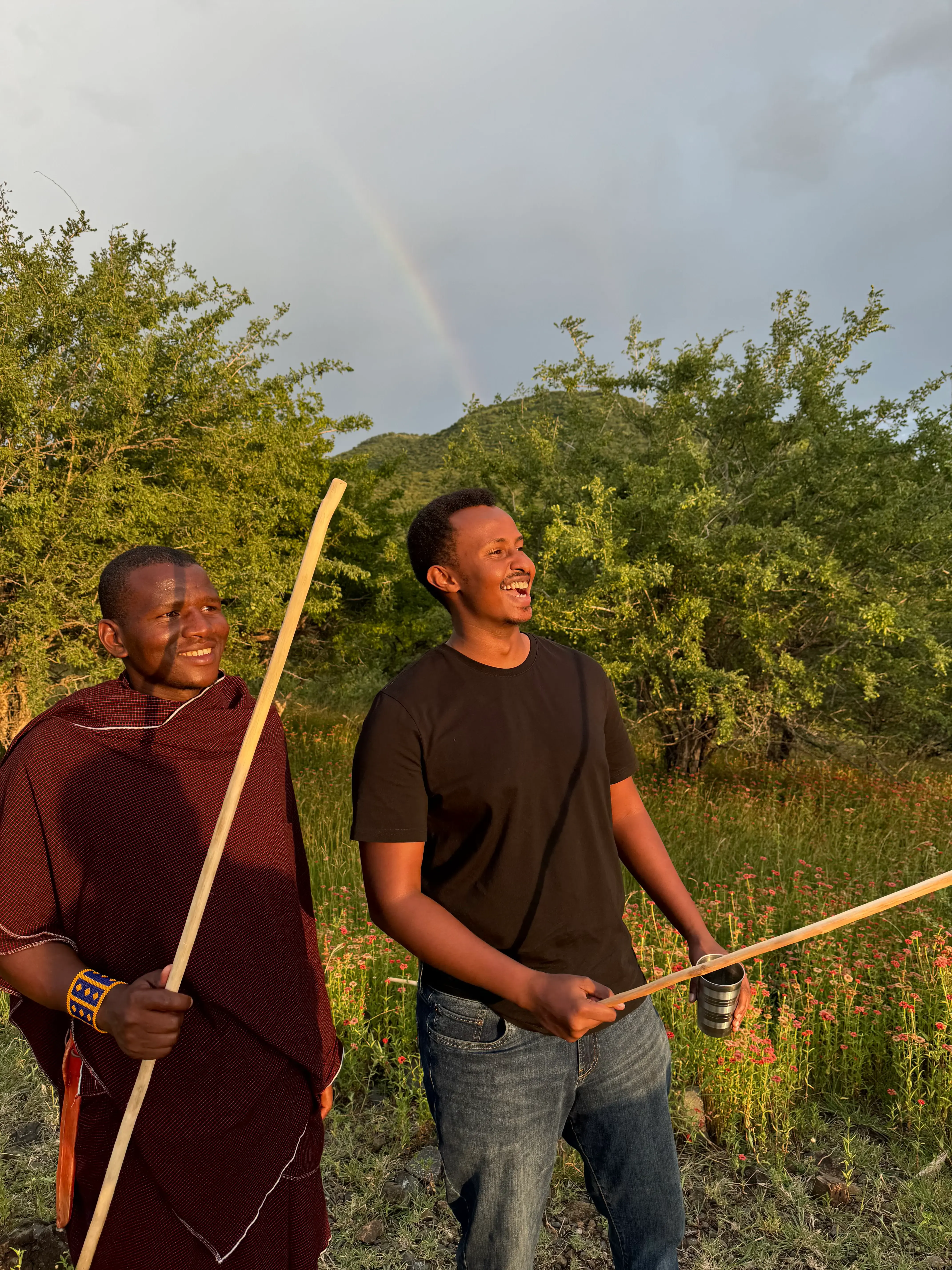
Your Hadzabe tribe experience Tanzania begins before dawn. You'll drive to a Hadzabe camp where men are preparing for their morning hunt. After brief introductions, join them as they track game through acacia woodland. Watch demonstration of bow-and-arrow techniques using poison extracted from desert rose bark.
Women demonstrate foraging—digging for tubers, collecting berries, and identifying medicinal plants. Mid-morning, the group gathers around a campfire to share gathered food. Stories are told through interpreters, and you'll learn about seasonal movements, kinship structures, and the challenges of maintaining tradition in modern Tanzania.
Morning Hunt & Foraging Walk
The hunt is primarily demonstration rather than actual killing—rarely does game fall during tourist visits. The value lies in observing techniques: tracking spoor, identifying bird alarm calls, moving silently through bush, and reading the landscape for animal signs.
Foraging yields tangible results—tubers roasted in campfire ashes, berries eaten fresh, honeycomb prized when found. You'll taste foods that sustained human ancestors for 99% of our species' history.
Lake Eyasi – Their Homeland
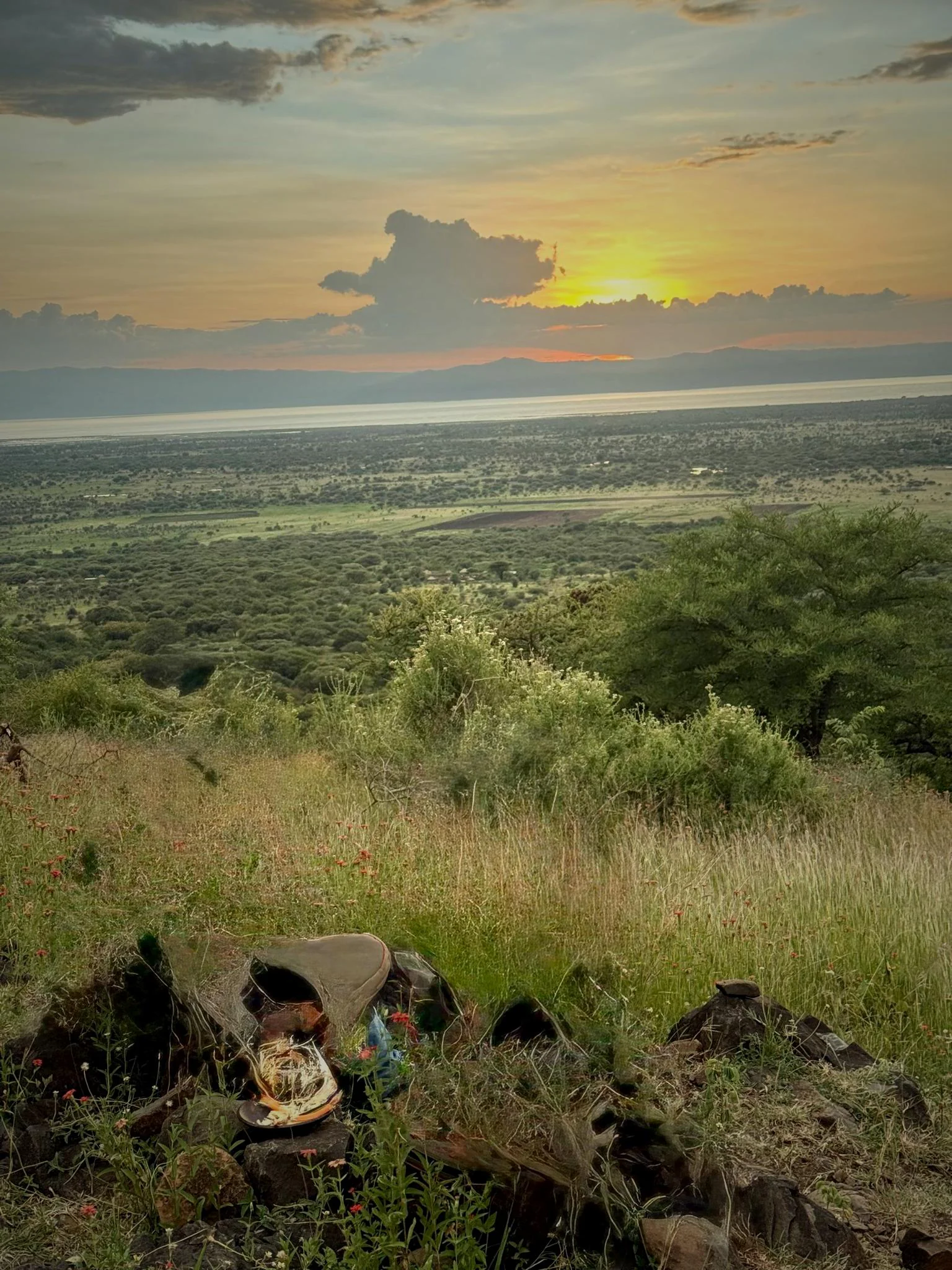
Lake Eyasi sits south of Ngorongoro Crater in the Rift Valley, a shallow soda lake surrounded by acacia woodland and rocky hills. This marginal environment—too dry for reliable agriculture—protected Hadzabe autonomy while agricultural peoples expanded around them. The landscape looks much as it did millennia ago.
Ethical Considerations
Responsible Lake Eyasi Hadzabe trek tourism requires: direct community payment (not through middlemen), small groups (max 6), advance permission rather than dropping in, no photography of individuals who decline, and realistic expectations of "authenticity" in a changing world.
The Hadzabe face serious challenges from encroaching pastoralists, loss of hunting territories, and cultural pressures. Tourism income helps maintain autonomy but must be balanced against disruption. We work with community-elected representatives to ensure fair distribution and cultural preservation.
Combining with Datoga Blacksmiths
Most itineraries combine morning Hadzabe visits with afternoon Datoga blacksmith demonstrations nearby. The Datoga are pastoral neighbors who maintain traditional metalworking—creating a complementary cultural day that supports two distinct communities.
FAQs About the Hadzabe Trek
Who are the Hadzabe?
What happens on a Hadzabe trek?
Is this ethical tourism?
Book Your Hadzabe Experience
The Hadzabe bushmen trek Tanzania requires advance booking to arrange community permission and guides. Combine with Lake Manyara or Ngorongoro safaris for comprehensive northern circuit itineraries. This experience challenges modern assumptions and offers profound perspective on human history.
Explore Further
Read our best time to visit Tanzania,safari cost guide, or packing list.
Explore all experiences,destinations,Tanzania safaris, or Zanzibar.
Read our planning guide,Serengeti guide, or browse our journal.