Safari Destinations · Kenya
Kenya SafarisKenya Safaris: Africa's Premier Wildlife DestinationKenya Safaris: The Complete Guide to Africa's Premier Wildlife Destination
Endless savannahs, snow-capped mountains, and the Great Migration across the Masai Mara.Discover Kenya—where endless savannahs meet snow-capped mountains, where the Great Migration thunders across golden plains, and every sunrise promises wildlife encounters.Discover the magic of Kenya—where endless savannahs meet snow-capped mountains, where the Great Migration thunders across golden plains, and where every sunrise promises a new encounter with Africa's most magnificent wildlife. Welcome to the ultimate Kenya safari experience with Trail Safari Explorers. the Great Migration in Kenya's Masai Mara.
Sample itineraries
Pick a template, tailor the details
7-Day Classic Kenya Safari
7 Days / 6 Nights
$2,800–$4,500 standard · $5,000–$8,000 luxury
- Day 1: Arrive Nairobi (NBO), transfer to Masai Mara
- Days 2–3: Masai Mara National Reserve (game drives, optional hot air balloon)
- Day 4: Transfer to Lake Nakuru National Park
- Day 5: Lake Nakuru game drives, transfer to Amboseli
- Days 6–7: Amboseli National Park (elephants & Kilimanjaro views), return to Nairobi
10-Day Kenya Grand Safari
10 Days / 9 Nights
$4,500–$7,000 mid-range · $8,000–$12,000 luxury
- Day 1: Arrive Nairobi, orientation
- Days 2–3: Samburu National Reserve (Special Five)
- Day 4: Ol Pejeta Conservancy (rhino tracking)
- Day 5: Lake Nakuru National Park
- Days 6–9: Masai Mara National Reserve (Great Migration focus)
- Day 10: Return to Nairobi, depart
12-Day Safari & Beach Combo
12 Days / 11 Nights
$5,000–$8,000 mid-range · $10,000–$15,000 luxury
- Days 1–3: Amboseli National Park
- Days 4–7: Masai Mara National Reserve
- Days 8–12: Diani Beach or Lamu Island (coastal relaxation, water sports)
- Day 12: Return to Nairobi, depart
5-Day Masai Mara Intensive
5 Days / 4 Nights
$2,200–$3,500 standard · $4,000–$6,500 luxury
- Day 1: Arrive Nairobi, fly to Masai Mara
- Days 2–4: Extended game drives, walking safaris, night drives (conservancies)
- Day 5: Morning game drive, fly to Nairobi, depart
Guide overview
Table of Contents
Jump directly to migration timing, regional highlights, packing advice, or itinerary ideas as you plan your Kenya circuit.
Wildlife diversity
25,000+ animal species, all Big Five, 1,100+ bird species
Best seasons
Jul–Oct (migration), Jan–Feb (dry & uncrowded)
Top parks
Masai Mara, Amboseli, Samburu, Lake Nakuru, Tsavo
Great Migration
2+ million wildebeest, zebra & gazelle (Jul–Oct)
Conservation
60+ national parks & reserves, innovative conservancies
Why travel here
Why Choose Kenya for Your Safari
Kenya is not the same as Tanzania. The two countries share the Serengeti-Mara ecosystem — the same wildebeest, the same Mara River, the same ancient migration cycle — but they offer it differently. Kenya's private conservancy system around the Masai Mara gives guests access to night drives, off-road positioning, and walking safaris unavailable in Tanzania's national parks. The Samburu Special Five — Grevy's zebra, reticulated giraffe, Somali ostrich, gerenuk, Beisa oryx — exist nowhere south of Kenya's northern frontier. Amboseli's elephant herds in front of Kilimanjaro's snow-capped peak is a photographic composition Tanzania cannot offer. Learn more about the Serengeti ecosystem.
Unmatched Wildlife Diversity
Kenya protects some of Africa's highest concentrations of wildlife, with over 25,000 animal species including all of the Big Five. The country's 60+ national parks and reserves ensure extraordinary wildlife encounters year-round.
The Great Migration
Witness one of nature's most spectacular events as over two million wildebeest, zebra, and gazelle thunder into the Masai Mara between July and October, braving crocodile-infested rivers in their eternal search for fresh grazing.
Diverse Landscapes
From the endless plains of the Mara to the snow-capped peaks of Mount Kenya, from the flamingo-pink shores of Rift Valley lakes to the pristine beaches of the Indian Ocean coast, Kenya's geographical diversity is breathtaking.
Year-Round Accessibility
Kenya's well-developed tourism infrastructure, excellent lodges, and reliable weather patterns make it an ideal safari destination any time of year. Well-maintained roads and domestic flights connect all major parks.
Trail Safari Explorers operates across both Kenya and Tanzania from our Arusha base. Many of our guests combine both countries in a single itinerary — tracking the Great Migration from Tanzania's calving grounds in February through to the Mara River crossings in July. See our combined East Africa resources:
- ● Tanzania safari tours — the Serengeti, Ngorongoro & beyond
- ● Great Migration guide — full annual cycle across both countries
- ● Tanzania vs Kenya comparison — honest comparison by operators who do both
- ● Combined Kenya + Tanzania itineraries
National parks & conservancies
Kenya's premier wildlife destinations
Masai Mara National Reserve
The Crown Jewel of Kenya Safaris
- 1,510 square kilometers of pristine savannah with highest lion population in Kenya
- All Big Five present in excellent numbers with outstanding cheetah and leopard sightings
- Great Migration river crossings (July–October) with dramatic Mara River scenes
- Over 470 bird species, year-round resident wildlife, private conservancies
Amboseli National Park
Where Giants Roam Beneath Africa's Roof
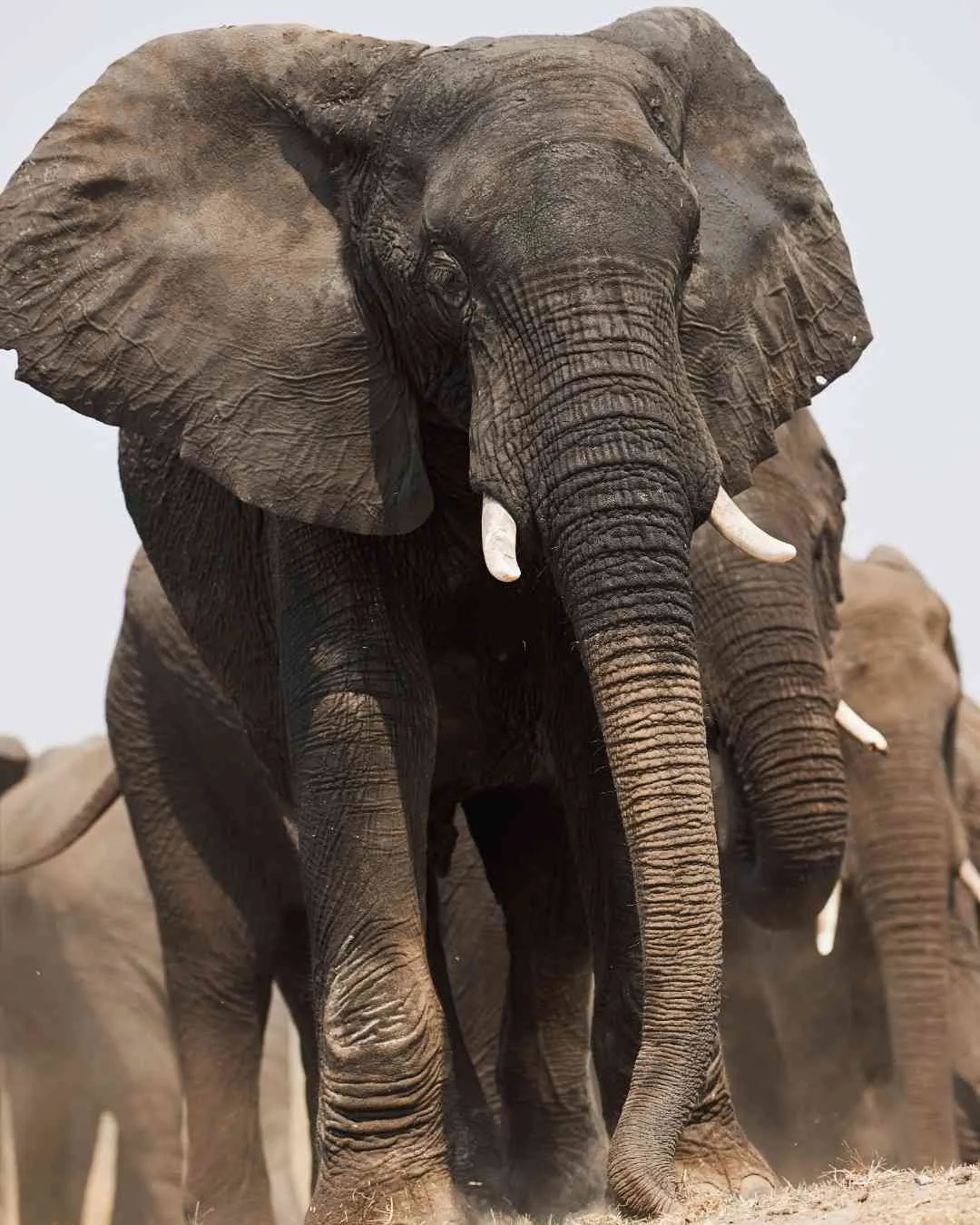
- Legendary elephant herds (over 1,600 individuals) with stunning Mount Kilimanjaro backdrop
- Big Five minus rhino, Maasai giraffe, zebra, wildebeest, and gazelle in abundance
- Five distinct habitats including permanent swamps, open plains ideal for photography
- Best visibility of Kilimanjaro at dawn and dusk, close elephant encounters
Samburu National Reserve
The Wild North's Hidden Gem
- Samburu Special Five: Grevy's zebra, reticulated giraffe, Somali ostrich, gerenuk, Beisa oryx
- Rugged semi-arid landscape along Ewaso Nyiro River with unique northern species
- Large elephant populations, leopards frequently spotted, over 450 bird species
- Fewer tourists than southern parks, rich Samburu cultural experiences
Lake Nakuru National Park
The Flamingo Sanctuary
- Black and white rhinos—one of Kenya's best rhino viewing destinations
- Famous for millions of flamingos, Rothschild's giraffe, lions and leopards
- Compact 188 square kilometers easily accessible from Nairobi (3 hours)
- Rift Valley escarpment views, picturesque lake setting, over 450 bird species
Tsavo East & West National Parks
Kenya's Wilderness Giants
- Together forming Kenya's largest protected area (over 22,000 square kilometers)
- Tsavo East: Famous red elephants, vast open landscapes, Galana River
- Tsavo West: Volcanic landscapes, Mzima Springs underwater hippo viewing, rhino sanctuary
- All Big Five, diverse birdlife (over 500 species), lower tourist numbers
Laikipia Plateau
Conservation Innovation & Exclusive Wilderness
- Mosaic of community and private conservancies protecting Kenya's second-largest wildlife population
- Highest density of black rhinos in East Africa, all Big Five present
- Grevy's zebra, reticulated giraffe, wild dogs (rare), over 480 bird species
- Exclusive experiences: horseback safaris, walking safaris, night drives, camel treks
Lake Naivasha
Freshwater Oasis & Walking Safaris
- Boat safaris among hippos, Crescent Island walking encounters with zebra and giraffe
- Over 400 bird species, located just 90 minutes from Nairobi
- Perfect for safari breaks or family adventures, fishing available
- Nearby Hell's Gate National Park offers cycling and walking safaris
Meru National Park
Remote Wilderness & Elsa Heritage
- Remote wilderness with diverse habitats, Elsa the lioness heritage site
- Rhino sanctuary, excellent for those seeking solitude and authentic bush experience
- Less visited than major parks, excellent birding and diverse mammal species
Aberdare National Park
Mountain Forests & Tree Hotels
- Mountain forests with rare bongo antelope, tree hotels with waterhole viewing
- Cool highland climate, unique accommodation experiences
- Excellent for birding, forest walks, and observing wildlife from elevated platforms
Private conservancies
The Masai Mara Conservancy System
Our Kenya itineraries access the Masai Mara through the conservancy system — not just the main reserve — as standard. The private conservancies surrounding the national reserve offer exclusive game viewing, night drives, walking safaris, and off-road access that the main reserve cannot match. Here are the six key conservancies we work with:
Mara North Conservancy
Northwest of the main reserve, bordering Mara River
One of the Mara's oldest private conservancies — approximately 30,000 acres of wilderness managed by local Maasai landowners. Vehicle density is a fraction of the main reserve, which matters most during July–August when river crossings occur within Mara North's territory. Night drives and walking safaris are permitted and excellent for leopard and nocturnal species. Some of the Mara's best-positioned camps for the river crossing season operate here. The river boundary gives direct access to crossing points without driving through the crowded main reserve.
Best for
Migration crossings with privacy, night drives, repeat Mara visitors
Naboisho Conservancy
East of the main reserve, 50,000 acres
The largest of the Mara conservancies, limiting vehicle numbers per camp to create genuinely uncrowded game viewing. Naboisho is famous for its lion density — several large prides with well-documented family histories that experienced guides can explain over multiple drives. Walking safaris and night drives are permitted. The conservancy's commitment to low-impact tourism means lodge numbers are strictly capped. For travellers who want the Masai Mara ecosystem without the main reserve's congestion, Naboisho is the most straightforward alternative.
Best for
Lion viewing, low-density game drives, photography
Ol Kinyei Conservancy
Eastern Mara ecosystem, adjacent to Naboisho
A smaller, quieter conservancy with a strong community ownership model — the Maasai landowners receive direct revenue from conservancy fees, creating the economic incentive that funds anti-poaching. Ol Kinyei's small size means its single lodge has near-exclusive access to its territory. Game viewing encompasses the full Mara ecosystem species list: lion, cheetah, leopard, elephant, buffalo, and excellent bird diversity. Walking safaris and night drives permitted. The intimacy of a single-lodge conservancy creates a fundamentally different experience from even the other conservancies.
Best for
Exclusive experience, community conservation, honeymoon
Mara Naboisho (Old Ol Seki)
Within the broader Naboisho landscape
A block within the Naboisho ecosystem with its own distinct camp positioning and Maasai community partnerships. The landscape here — open plains transitioning to riverine woodland — creates excellent habitat diversity for both plains game and cover-seeking predators. Cheetah families with cubs are a regular sighting in the open sections. Night drives frequently produce aardvark, serval, and African wild cat sightings that the main reserve's road restrictions make near-impossible. Works well combined with Mara North for a varied 5–6 night conservancy experience.
Best for
Cheetah and nocturnal species, diverse habitat
Ol Pejeta Conservancy (Laikipia)
Laikipia Plateau, central Kenya
Africa's largest black rhino sanctuary and home to the world's last two northern white rhinos — a wildlife heritage site of global significance. Ol Pejeta also holds all Big Five plus cheetah, African wild dogs (rare in Kenya), and an extraordinary bird list. Activities unavailable elsewhere in Kenya: rhino tracking on foot, night drives, camel safaris across the plateau. For travellers who have done the Mara and want northern Kenya's different ecosystem character, Ol Pejeta represents a genuinely distinct wildlife experience.
Best for
Rhino specialist, wild dogs, diverse activities, northern Kenya alternative
Lewa Wildlife Conservancy
Northern Kenya, beneath Mount Kenya
One of Kenya's original conservancies and a UNESCO World Heritage Site. Lewa protects the largest concentration of Grevy's zebra in Kenya alongside black and white rhino, reticulated giraffe, wild dogs, lion, and cheetah in a 62,000-acre landscape of riverine forest, swamp, and open plains. The backdrop of Mount Kenya's snow-capped peaks adds a visual dimension the Mara cannot offer. Lewa suits travellers combining a Mara migration visit with a distinctly different northern Kenya experience — the contrast between the two ecosystems over 10–12 days is one of Kenya's most satisfying itinerary constructions.
Best for
Grevy's zebra, Kenyan diversity, Mount Kenya backdrop, multi-ecosystem itinerary
Our Kenya itineraries access the Masai Mara through the conservancy system — not just the main reserve — as standard. Contact us to discuss which conservancy combination suits your dates, wildlife priorities, and budget. See also our 3-Day Masai Mara fly-in safari and 7-Day Kenya classic for conservancy-included options.
Wildlife highlights
What you'll encounter
The Big Five
- African Lion: East Africa's largest populations, particularly in Masai Mara where prides thrive
- African Leopard: Elusive and beautiful, excellent sightings in Mara's riverine forests and Samburu
- African Elephant: Over 34,000 individuals from Amboseli's legendary tuskers to Tsavo's red-dusted herds
- African Buffalo: Unpredictable and powerful, massive herds across Kenya's grasslands
- Rhinoceros: Both black and white rhinos with Ol Pejeta sheltering world's last Northern White Rhinos
The Samburu Special Five
- Grevy's Zebra: Endangered and elegant with fine striping, only in northern Kenya
- Reticulated Giraffe: Distinctively beautiful with geometric patterns
- Somali Ostrich: Blue-legged during breeding season
- Gerenuk: 'Giraffe-necked' antelope standing on hind legs to browse
- Beisa Oryx: Striking antelope with rapier horns
Great Migration Spectacle
- Over 1.5 million wildebeest and 200,000 zebra participate in the endless cycle
- Dramatic Mara River crossings (July–October) with crocodile encounters
- Predator action peaks as lions, cheetahs, and hyenas follow the herds
- Year-round resident wildlife populations ensure excellent viewing outside migration months
Birdwatching Paradise
- Over 1,100 recorded species—more than the entire European continent
- Rift Valley lakes: flamingos, pelicans, fish eagles, kingfishers, herons
- Masai Mara: raptors (tawny eagle, martial eagle, bateleur), secretary birds, kori bustards
- October–March: European and Asian migrants boost species counts dramatically
Beyond the Big Five
- Cheetah: Mara's open plains provide perfect habitat for speed demons and cub training
- Wild Dog: Rare and endangered, occasionally appear in Laikipia and Samburu
- Primates: Olive baboons, vervet monkeys, Colobus monkeys (black, white, red), blue monkeys
- Small Wonders: Dwarf mongoose, bat-eared fox, serval, caracal, dik-dik, honey badger
Activities & experiences
How to shape each day
Game Drives
Early morning (5:30–9:30am) and late afternoon (3:30–7pm) drives in specially designed 4x4 vehicles with pop-up roofs. Full-day drives with picnic lunches available for remote area exploration. Expert guides track predators and interpret wildlife behavior.
Hot Air Balloon Safaris
Float silently above the Masai Mara at dawn, watching golden plains come alive beneath you. One-hour flights at sunrise followed by champagne bush breakfast under an acacia tree. Best locations: Masai Mara, Amboseli. Cost: USD $450–550 per person.
Walking Safaris
Step out of the vehicle and into the wilderness on foot. Guided by armed rangers and expert naturalists, walking safaris reveal tracks, insects, plants, and the thrill of being on the same ground as wild animals. Available in private conservancies, Laikipia, and Hell's Gate.
Night Game Drives
As darkness falls, a different cast of characters emerges. Night drives (permitted in private conservancies) reveal nocturnal hunters, elusive aardvarks, genets, and mesmerizing eyeshine. Best for leopard viewing and nocturnal species discovery.
Cultural Encounters
Connect with Kenya's indigenous communities—the Maasai, Samburu, and other tribes. Experiences include village visits, traditional dancing, bead-making workshops, warrior training demonstrations, and bush skills lessons.
Photography Safaris
Private vehicle game drives for optimal positioning, professional photographer guides, bean bags and tripod mounts, extended stops for perfect shots, and early/late departure times for best light. Kenya's landscapes offer endless photographic possibilities.
Horseback & Camel Safaris
Experience the bush from a different perspective—on horseback through Laikipia's plains or by camel through Samburu's northern frontier. Unique ways to explore Kenya's diverse landscapes while connecting with traditional transport methods.
Coastal Extensions
Combine safari with Kenya's pristine Indian Ocean coastline. Diani Beach (17km of powder-white sand), Watamu Marine National Park (vibrant coral gardens, sea turtles), and Lamu Island (UNESCO World Heritage Site, car-free Swahili settlement).
Weather & packing
Know the climate, pack with purpose
Peak Season (July–October)
- Dry weather with minimal rainfall, optimal game viewing
- Great Migration in Masai Mara with dramatic river crossings
- Pleasant temperatures: 24–28°C days, 10–15°C nights in highlands
- Thinned vegetation for better wildlife spotting, best time for hot air balloon safaris
Shoulder Season (January–February)
- Superb game viewing with clear skies and warm days
- Fewer tourists than peak season, lower rates
- Excellent for photography, calving season for some species
- Can be hot in lower-altitude parks (28–35°C)
Green Season (March–May, November–December)
- Significantly lower rates (20–40% discounts), far fewer tourists
- Lush green landscapes, dramatic skies for photography
- Baby animals abundant, migratory birds arrive (October–March)
- Afternoon rains likely (usually brief), morning game drives usually rain-free
Coastal Regions
- Hot and humid year-round: 28–32°C days, 22–25°C nights
- Sea temperature: 25–28°C, perfect for water activities
- Year-round beach weather, slightly cooler/drier July–October
- High humidity (70–80%), reef-safe sunscreen essential
Packing essentials
- Neutral-colored clothing (khaki, olive, brown) for game drives
- Layers for cool mornings: fleece, light jacket (highland parks can be 10–15°C at dawn)
- Long sleeves and pants for sun protection and tsetse fly prevention
- Wide-brimmed hat, polarized sunglasses, SPF 30+ sunscreen (equatorial sun is intense)
- Binoculars essential (8x32 or 10x42 recommended)
- Camera with zoom lens (300mm+ ideal), dust-proof bags, spare batteries and memory cards
- Comfortable walking shoes, closed shoes for muddy conditions in rainy season
- DEET-based insect repellent (30–50% concentration) for malaria prevention
- Waterproof jacket and bags for rainy season, quick-dry clothing
- Reusable water bottle, first-aid kit with basic medications, prescription medications
Logistics & budgets
Booking insights & cost benchmarks
Planning tip: best time to visit Kenya – July peak season.
Booking insights
- Peak season (July–October) requires booking 6+ months in advance
- Shoulder season (January–February) offers excellent value with fewer crowds
- Green season (March–May, November–December) provides 20–40% rate discounts
- Pre-book hot air balloon safaris, private vehicles, and specialist guides
- Comprehensive travel insurance covering medical evacuation is essential
- Yellow fever vaccination required if arriving from endemic countries
Budget benchmarks
What's included in our safaris
- Customized itinerary planning and consultation
- All accommodation from mid-range to ultra-luxury
- All meals as specified (full board typical)
- All game drives with expert guides
- Airport/park transfers in comfortable 4x4 vehicles
- Park entry fees and conservancy fees
- Flying doctor emergency evacuation insurance
- 24/7 in-country support and pre-departure briefing
Country comparison
Kenya Safari vs Tanzania Safari — An Honest Comparison
We operate in both Kenya and Tanzania. Our guides have worked across both ecosystems in multiple seasons. The Kenya vs Tanzania question is one of the most common planning questions we receive — and the honest answer is that neither is objectively better. They are different in character, logistics, price, and what they deliver. Here is the comparison we give to clients.
| Factor | Kenya (Masai Mara focus) | Tanzania (Serengeti focus) |
|---|---|---|
| Best season | Jul–Oct (migration) · Jan–Mar (calving) | Jan–Feb (calving) · Jun–Oct (crossings) |
| Migration access | Mara River crossings Jul–Oct | Full annual cycle: calving + crossings |
| Vehicle density | High in main reserve; low in conservancies | Lower than Kenya in most areas |
| Night drives | Yes — in conservancies only | Yes — in private concessions |
| Walking safaris | Yes — conservancies and Laikipia | Yes — Ruaha, Nyerere, Serengeti concessions |
| Off-road driving | Yes — conservancies only | Yes — Serengeti concessions |
| Park entry fees | $80–$200/day depending on season | $70–$100/day |
| Access from Arusha | ~45min domestic flight to Nairobi, then Mara | 45min–3hrs from Arusha to most parks |
| Wildlife diversity | Big Five + Samburu Special Five (north) | Big Five + wild dogs, chimps, Mahale |
| Private concessions | Strong conservancy system | Good private concession access |
| Best for | Masai Mara migration + Kenya diversity | Full migration cycle + southern circuit |
| Combined itinerary | Yes — we handle both | Yes — we handle both |
When Kenya wins
Kenya's specific advantages: the private conservancy system around the Masai Mara gives you night drives, off-road access, and walking safaris that Tanzania's national park regulations don't allow in equivalent areas. The Mara River crossing experience on the Kenya side — in a private conservancy vehicle that can position off-road close to the bank — is different in character from Tanzania's strictly regulated road access at Kogatende. Kenya also offers ecosystem diversity in a single country: Masai Mara, Amboseli, Samburu, Laikipia, and the northern parks cover enough different habitats for a 14-day Kenya-only itinerary to feel genuinely varied. Learn more about the Serengeti ecosystem.
When Tanzania wins
Tanzania's specific advantages: you can witness the complete migration cycle — calving in January, the western corridor crossings in May–June, the Mara River crossings in July–October, the southward return in November — without leaving Tanzania. Southern Tanzania (Ruaha, Nyerere) and western Tanzania (Mahale, Katavi) add dimensions — chimpanzee trekking, boat safaris, remote wilderness — that Kenya cannot match. Vehicle density at Tanzania's northern circuit is lower than the main Masai Mara reserve in peak season, and park fees are somewhat lower. Explore Tanzania safaris and Ruaha National Park.
The migration question specifically
For the Great Migration specifically: Tanzania gives you the full story from calving to crossing; Kenya gives you the northern chapter only. July–October, the herds are in both countries simultaneously. Tanzania's northern Serengeti (Kogatende and Lamai Wedge) offers multiple crossing points with fewer vehicles than Kenya's main reserve. Kenya's conservancies around the Mara offer the crossing experience with vehicle restriction controls unavailable in the main reserve. Our ideal recommendation for first-time migration visitors: Tanzania for the full cycle. For return visitors who want to add the conservancy experience: Kenya extension. Read our complete Great Migration guide.
The combined circuit
The most complete East Africa safari combines both. Our 12-day Tanzania & Kenya migration circuit — or the longer 15-day version — tracks the migration from the southern Serengeti through the Mara River crossings in Tanzania, then crosses into Kenya's conservancies for night drives and walking safaris before departing from Nairobi. We handle the crossing, the internal flights, the conservancy permissions, and the logistics as one seamless itinerary. One contact. One team. Two countries. View our 12-day Tanzania & Kenya circuit and 15-day version.
FAQs
Kenya safari questions answered
Tanzania safaris – the southern side of the Migration.
How much does a Kenya safari cost?+
Kenya safaris range from approximately $200–$500 per person per day for budget camping options to $1,500–$3,000+ per person per day for ultra-luxury private conservancy experiences. A realistic 7–10-day mid-range Kenya safari — including private conservancy fees, all meals, park fees, game drives, and guides — typically costs $4,000–$8,000 per person. Luxury experiences in the private Mara conservancies start from $8,000–$15,000 per person for 7–10 days. Note that Masai Mara park entry fees increase significantly in peak season (July–December): $200 per person per day versus $80 in January–June. Our quotes always include all fees transparently.
When is the best time to see the Great Migration in Kenya?+
The Great Migration is present in the Masai Mara from approximately late July through October, with August and September typically delivering the highest frequency of Mara River crossings. Crossings cannot be predicted by day — herds may mass on the riverbank for hours or cross multiple times daily — which is why we recommend spending at minimum three to four nights in the northern Mara conservancies rather than one or two. Late July and early October are the shoulder ends of the season: still strong, with fewer vehicles. For calving season action (January–March), see Tanzania's Serengeti and Ndutu plains, where the herds are during those months. See our comprehensive guide to the Great Migration for the full annual cycle.
Is Kenya safe for tourists?+
Kenya is safe for safari tourists visiting the main game parks and reserves. The Masai Mara, Amboseli, Samburu, Laikipia, and the other national parks and conservancies have well-established tourism infrastructure and good safety records. The Foreign Commonwealth & Development Office and equivalent authorities from major origin countries rate the wildlife areas as generally safe for travel. Standard precautions apply: keep valuables secure, follow your guide's instructions, do not approach wildlife on foot without a trained guide, and ensure your travel insurance covers emergency evacuation from remote areas. Flying Doctors cover is included on all Trail Safari Explorers Kenya itineraries.
Do I need malaria medication for Kenya?+
Yes — malaria prophylaxis is strongly recommended for all Kenya safari areas including the Masai Mara, Amboseli, Samburu, and Tsavo. Laikipia at higher altitude presents lower risk but prophylaxis is still advised. Consult a travel medicine clinic or GP at least four to six weeks before departure to discuss which antimalarial is most appropriate for your health profile and trip duration. DEET-based insect repellent (30–50% concentration) should be applied at dawn and dusk regardless of prophylaxis. Yellow fever vaccination is required if you are arriving from an endemic country — check current requirements for your departure country.
Can I see all Big Five in Kenya?+
Yes — all Big Five are present in Kenya. The Masai Mara is particularly reliable for lion, cheetah, and leopard, with elephant and buffalo year-round. Rhino is the most challenging of the Big Five in the Mara: black rhino sightings occur mainly in the Mara Triangle area, and viewing is not guaranteed. For more reliable rhino sightings, Lake Nakuru National Park (both black and white rhino), Ol Pejeta Conservancy in Laikipia (Africa's largest black rhino sanctuary and home to the world's last two northern white rhinos), and Nairobi National Park provide better odds. Our multi-park Kenya itineraries specifically include a rhino-focused stop.
How long should I stay on safari in Kenya?+
A minimum of five to seven nights is needed to experience Kenya's wildlife properly. A 5-day Masai Mara intensive (fly-in from Nairobi) provides three to four full days in the conservancies — enough for good game viewing, a balloon flight, and meaningful time at the river during migration season. A 7-day classic Kenya circuit adds Amboseli and Lake Nakuru to the Mara, covering a much wider geographic range. For the migration specifically, four nights in the northern Mara conservancies significantly improves crossing odds over two-night stays. A 10–14-day trip combining Kenya with Tanzania gives you both the Mara and the Serengeti in a single itinerary.
Are Kenya safaris suitable for children?+
Yes — Kenya is one of East Africa's most family-friendly safari destinations. The private conservancies around the Masai Mara permit walking safaris and night drives for children (minimum age varies by camp, typically 7–12 years for night drives). Amboseli is particularly good for families: excellent elephant viewing from well-maintained tracks, lower overall intensity than the Mara's peak crossing season, and a more relaxed pace. We advise against taking very young children (under 5) on extended safari itineraries due to the early starts and vehicle time, though some luxury lodges are specifically designed to accommodate families with dedicated family vehicles and guides.
Can I combine Kenya with Tanzania or other East African countries?+
Absolutely — and for most guests, a combined itinerary is more rewarding than either country alone. Kenya + Tanzania is our most popular multi-country combination: the Masai Mara's conservancy experience for night drives and walking safaris, combined with Tanzania's Serengeti for the complete migration cycle, Ngorongoro Crater's Big Five, and Tarangire's elephant mega-herds. We design these as single itineraries of 10–15 days, handling all internal flights and cross-border logistics. Kenya also combines naturally with Uganda gorilla trekking (Entebbe is a 45-minute flight from Nairobi). See our Tanzania safaris and combined East Africa itineraries for sample routes.
Explore Further
Read our Tanzania vs Kenya safari,Masai Mara vs Serengeti, or best time to visit.
Explore Tanzania safaris,the Great Wildebeest Migration, or luxury safaris.
Read our safari cost guide,packing list, or browse our journal.