8 Days
Classic Northern Circuit
- Tarangire elephants/baobabs (2 nights)
- Western Serengeti/Grumeti crossings (3 nights)
- Ngorongoro crater Big Five (2 nights)
Est. $4,500–6,500 pp mid–lux.
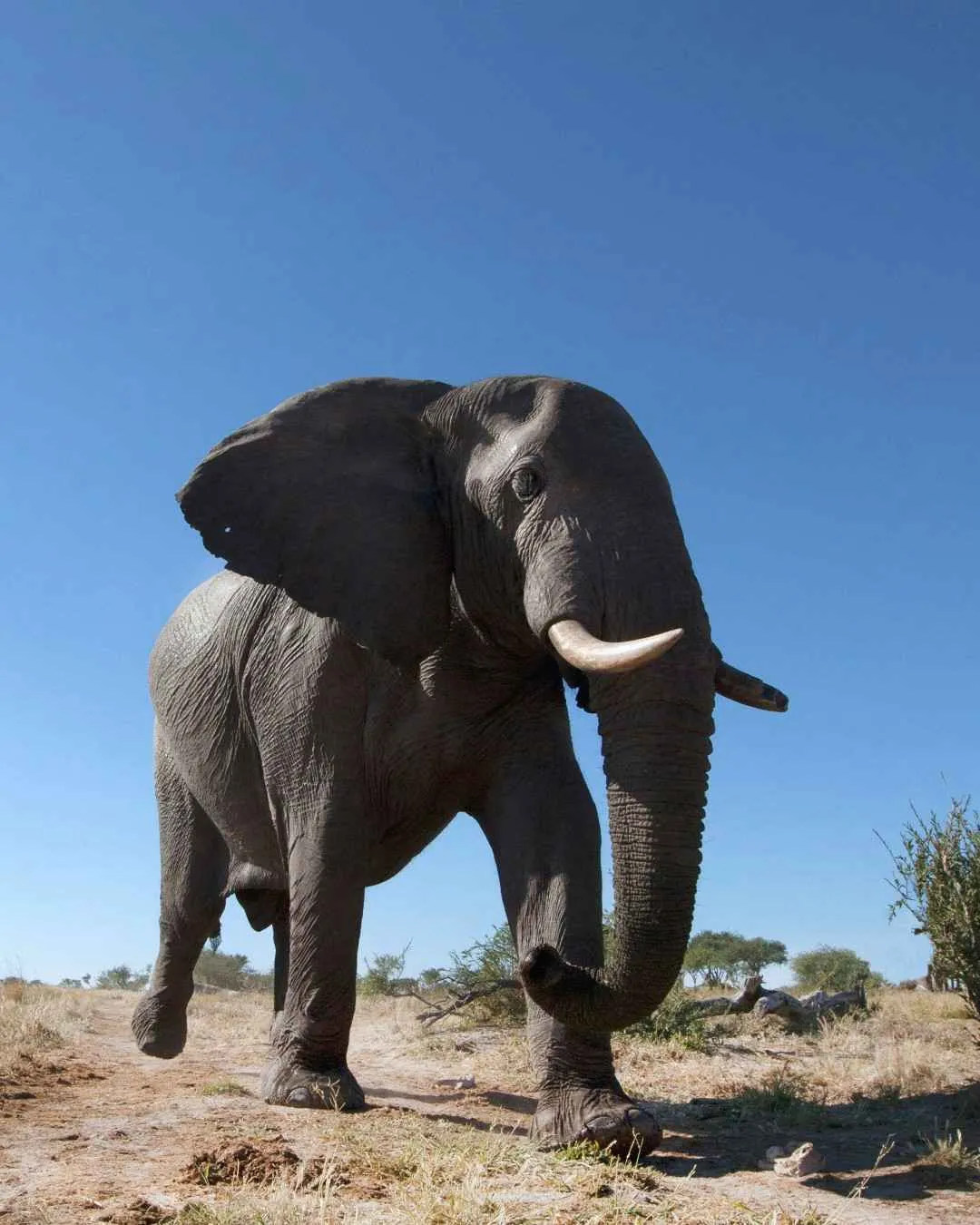
June is an exceptional shoulder-season month for Tanzania safaris, marking the dry season opening with clear skies, mild temperatures, and wildlife concentrating around water sources. The Grumeti River crossing season begins, Tarangire's elephant herds return to the river, and prices remain 20–30% below July–August peak while delivering similar wildlife quality.
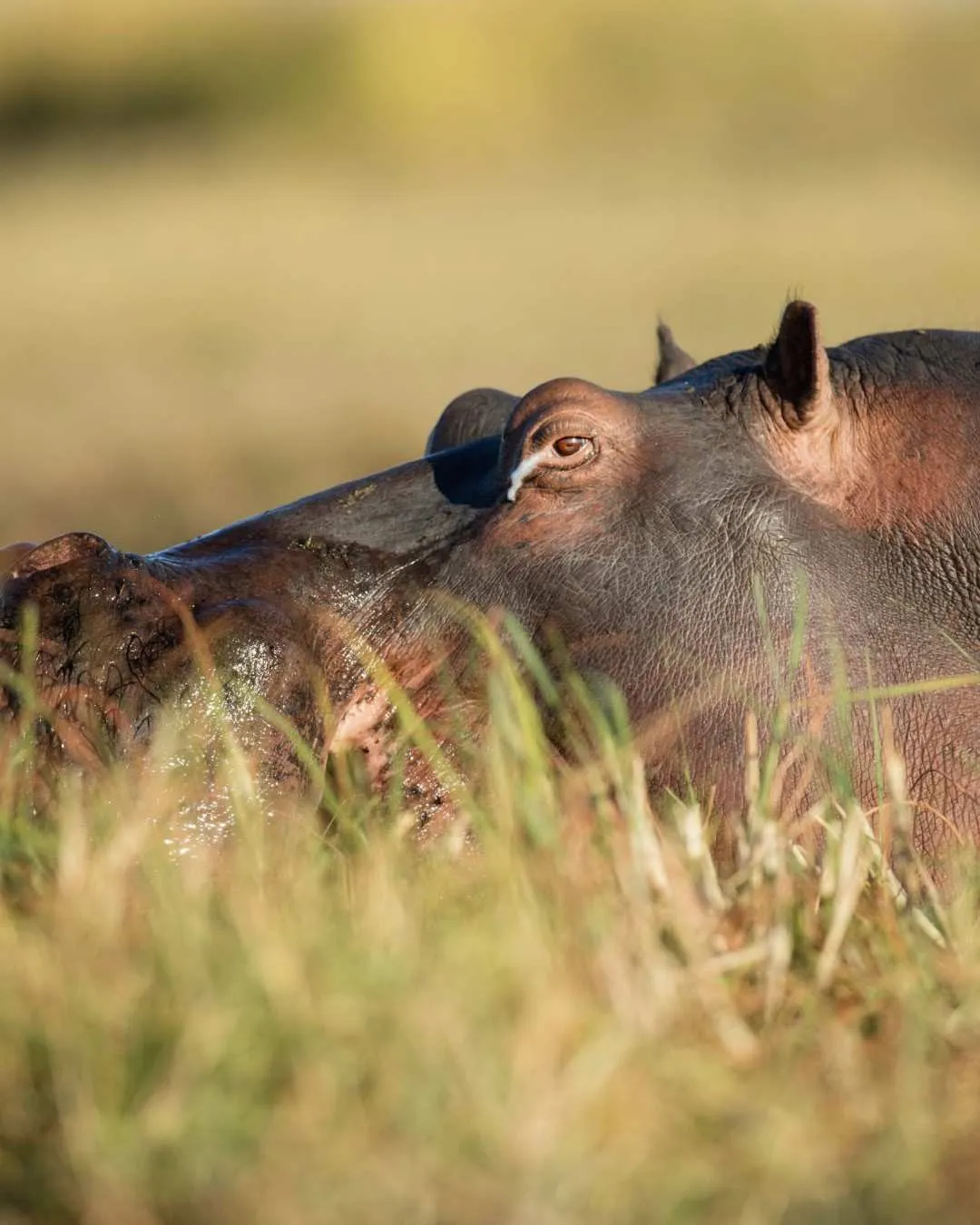
June ushers in the dry season. Herds surge toward the western corridor and Grumeti River, crocodiles take position and the first crossings become possible late month. Expect big cat concentrations on kopjes, balloon mornings over misty river lines and long golden light.
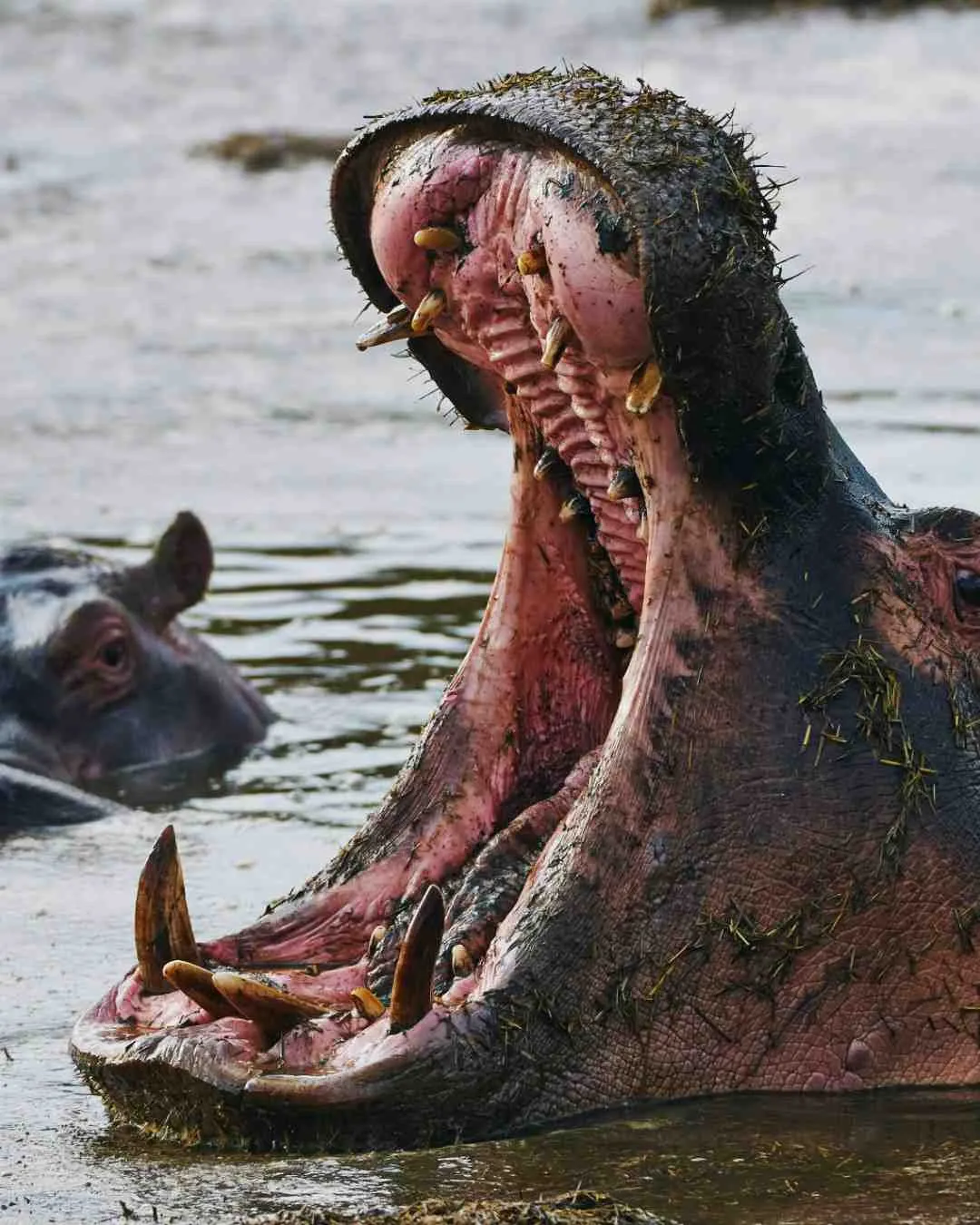
June is one of the clearest Kilimanjaro windows: drier trails, crisp summit views and cooler nights. It’s also outstanding for gorilla/chimp trekking in Uganda or Rwanda, so many travellers climb first, then fly to Serengeti and finish with primates or Zanzibar saltwater.
Tarangire’s elephant mega-herds start funneling back to the river, Ngorongoro stays emerald but with clear skies, and Zanzibar/Pemba enjoy dry, breezy days. Pair crater mornings, baobab sunsets and island dhow sails in one itinerary.
June Safari Guide
June represents a pivotal moment in the Great Migration's annual journey. The massive herds—over 1.5 million wildebeest, 250,000 zebras, and countless gazelles—have moved northwest from the Central Serengeti and now concentrate along the Grumeti River in the Western Corridor. This marks the beginning of the river crossing season, though crossings here are typically less dramatic than the famous Mara River crossings that follow in July-August.
June flips the switch to classic safari weather: clear mornings, minimal rain, crisp light and the migration stacked along the Western Corridor and Grumeti River. Predator action spikes, Kilimanjaro visibility improves, gorilla trails dry out, and beaches turn calm and clear—before July crowds arrive.
Tanzania
June represents a pivotal moment in the Great Migration's annual journey. The massive herds—over 1.5 million wildebeest, 250,000 zebras, and countless gazelles—have moved northwest from the Central Serengeti and now concentrate along the Grumeti River in the Western Corridor. This marks the beginning of the river crossing season, though crossings here are typically less dramatic than the famous Mara River crossings that follow in July-August.
Seronera remains stellar for resident predators; northern zones stay quiet pre-July. Expect clear air, golden-green transition, and kopje cats with minimal traffic.
Dense Big Five with lush but thinning grass; black rhino (20–25), flamingos on Magadi when levels suit, 60–70 lions, elephant bulls and endless grazers. Fewer vehicles than July–Aug.
June marks the beginning of Tarangire's peak season as the permanent Tarangire River becomes the lifeline for vast elephant populations migrating from surrounding dispersal areas. While peak concentrations occur July-October, June offers excellent viewing with fewer tourists.
Africa's largest national park (30,893 km²) offers exclusive wilderness experiences with minimal tourist presence. June marks the beginning of Nyerere's prime dry season when wildlife concentrations around the Rufiji River system become exceptional.
Ruaha: lion super-prides (20–30), leopards, wild dogs, rare antelope, 12k+ elephants. Katavi: hippo/buffalo build-up begins; remote, fly-in. Mahale/Gombe: peak chimp tracking with clear Lake Tanganyika.
Beyond Tanzania
Mara pre-migration secret: superb resident cats, 30–50% lower rates, few vehicles. Amboseli offers super-tuskers with clear Kilimanjaro mornings; Laikipia conservancies add rhinos, wild dogs, horses/camels/night drives; Tsavo shows red elephants and lava flows.
Dry-season prime for gorillas/chimps: Bwindi/Mgahinga, Kibale, Queen Elizabeth, Murchison; Rwanda’s Volcanoes NP, Nyungwe and Akagera all shine with drier trails and strong sighting rates.
Wildlife & nature
Migration herds squeeze along the Grumeti, predators stack on river bends, crocs wake, and vegetation thins for visibility. Elephants return to Tarangire; rhinos stand out on lush crater floors; air stays crisp and dust-free.
Palearctic migrants mostly gone, spotlight on resident breeders in peak plumage: secretary birds, kori bustards, ostriches, vultures, rollers; flamingos on Magadi/Manyara; shoebill chances in Nile/Kazinga/Ihema deltas.
Activities & experiences
Early mornings (cool, active predators, golden light), full days in Western Corridor to sit on crossings, crisp sunsets with low dust.
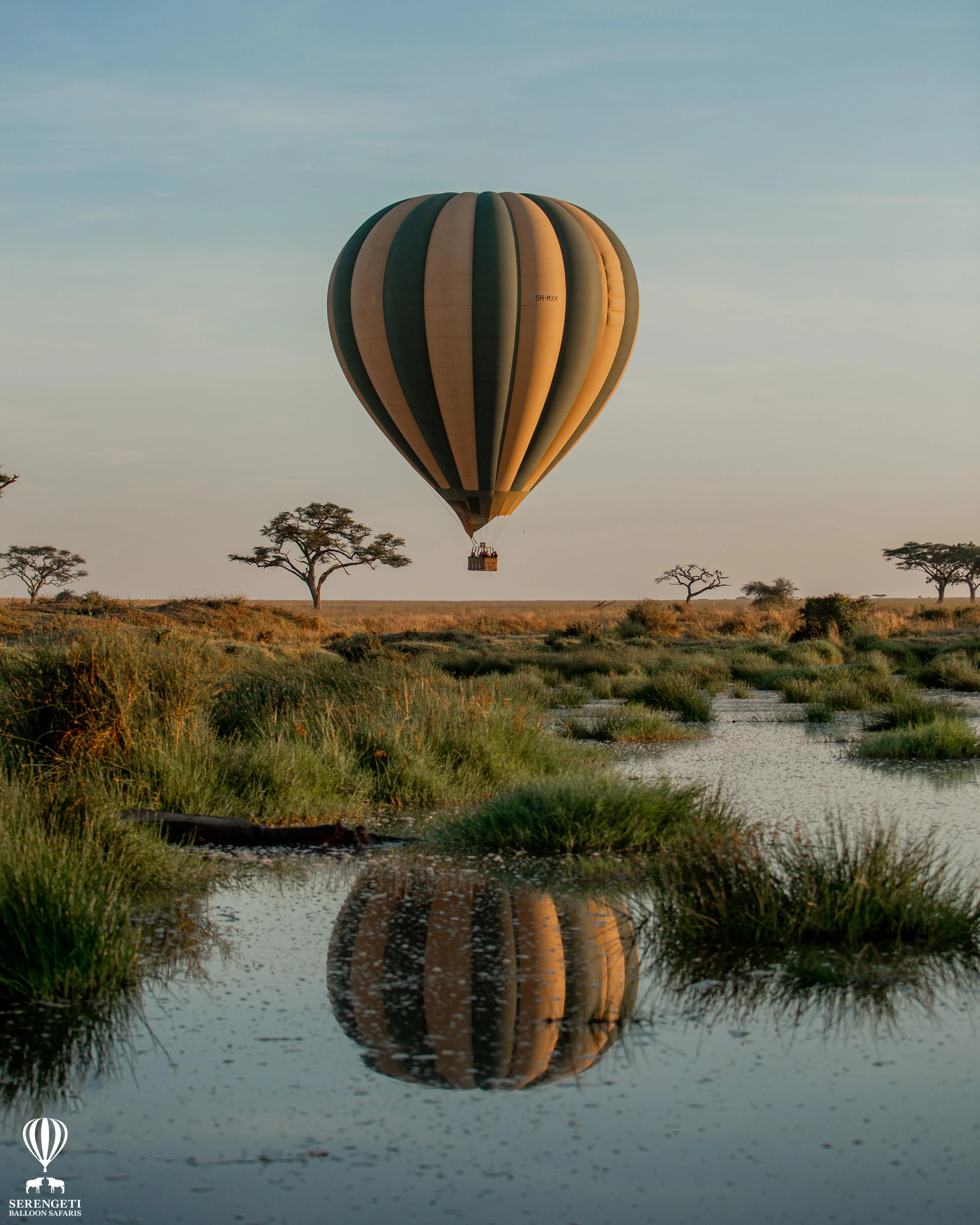
Ideal calm mornings in Serengeti (central/west), Tarangire, Mara, Ruaha—book early.
Nyerere multi-day, Ruaha/Tarangire walks, Ngorongoro rim strolls, Laikipia/Mara conservancies—dry ground, readable tracks.
Rufiji (Nyerere), Kazinga Channel, Victoria Nile, Lake Ihema—hippos, crocs, elephants, birdlife; sunset cruises shine.
Dry-season prime for gorillas/chimps in Uganda/Rwanda; success rates 98%+ for gorillas, 85–95% for chimps. Book permits 3–9 months ahead.
Maasai/Samburu visits, Hadzabe/Datoga at Eyasi; Kili/Meru climbs in clear weather; finish with Stone Town, spice tours, dhow sails.
Weather & climate
Travel tips
Book 4–9 months out for western corridor camps, crater, Kili and gorilla permits; June is high season but lighter than July–Aug.
Suggested itineraries
Est. $4,500–6,500 pp mid–lux.
Est. $7,500–10,500 pp incl. $1,500 gorilla permit.
Est. $5,500–8,000 pp mid–lux.
FAQs
Absolutely—dry-season start, clear skies, Grumeti crossings, predators visible, great temps, fewer crowds and slightly lower rates than July–Aug.
Western Serengeti/Grumeti; early crossings mid/late month. Leading edges may probe north (Lobo) late June; main herds head to Mara from July.
Dry, clear, 24–27 °C days (north), cool 13–15 °C mornings. Southern/Western slightly warmer; coast/islands dry with calm clear seas.
4–9 months for western Serengeti, crater, Kili; 3–9 for gorilla permits; 3–6 for Mara conservancies. June is high season—early holds help.
Yes—dry-season prime in Uganda/Rwanda: less mud, pleasant temps, high success. Book permits 3–9 months ahead (Rwanda highest demand).
Layers (warm dawn fleece, light shell), hat/gloves for Kili, waterproof boots for gorillas, soft duffel, telephoto + wide lenses, rain cover, SPF 50+, DEET, meds/insurance.
Read our best time to visit Tanzania,best time to visit Serengeti, or wildebeest migration guide.
Explore all months,May,July, or Tanzania safaris.
Read our safari cost guide,packing list, or browse our journal.
Receive a free, no obligation quote from our safari experts.

We're here to help