Best Places to Visit in Africa in February
February is the best month for Tanzania safari calving season, when approximately 8,000 wildebeest calves are born daily on the Ndutu plains. This concentrated birthing draws extraordinary predator activity, with lion prides, cheetah coalitions, and hyena clans hunting around the clock. Warm green-season weather, dramatic storm-lit photography conditions, and fewer tourists than July–October make February ideal for wildlife enthusiasts seeking intense action.
Great Wildebeest Migration calving continues — Peak Calving Crescendo
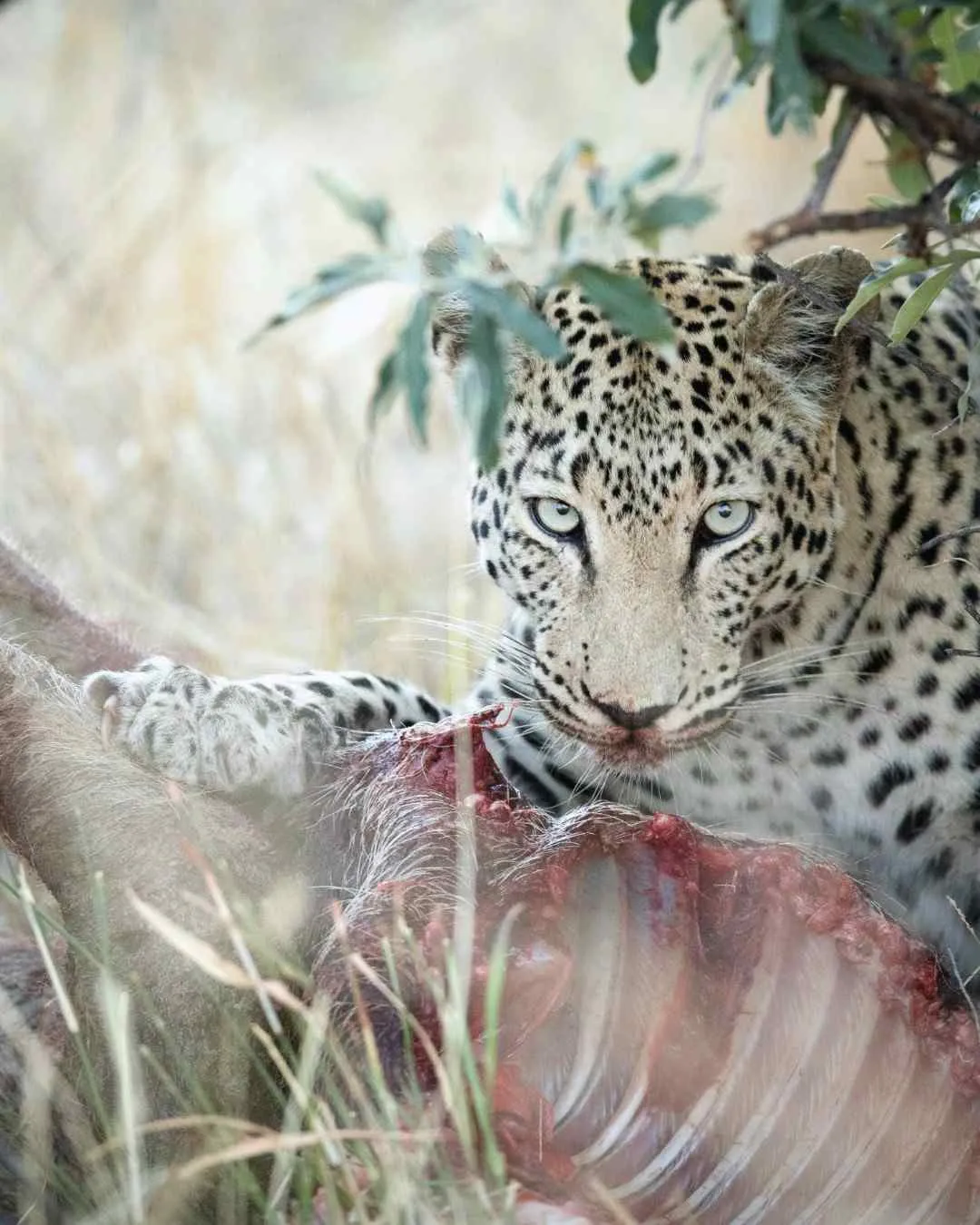
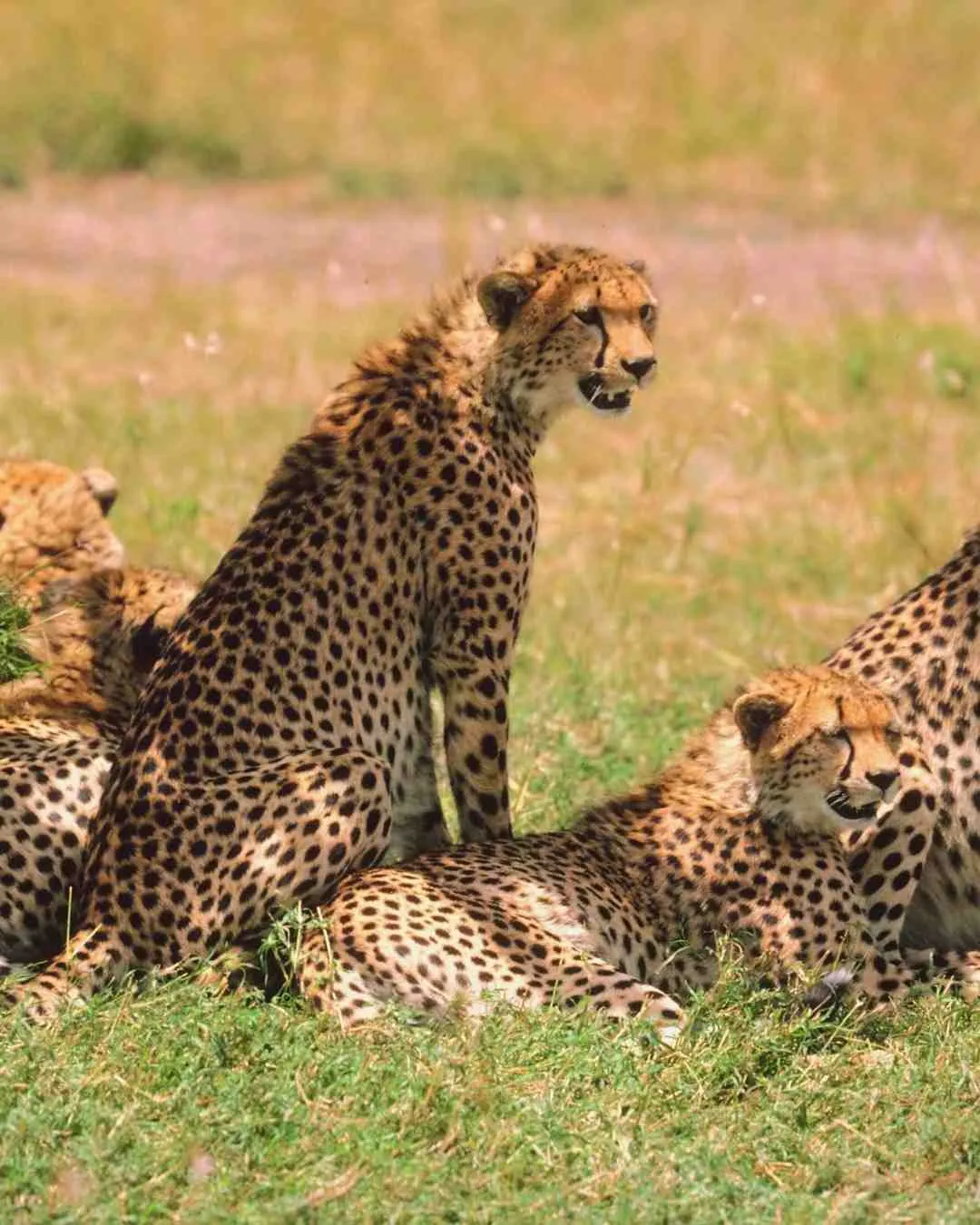
February is peak Ndutu intensity. Around 500,000 wildebeest calves hit the ground within weeks, cheetah coalitions sprint in every direction and sunrise storms paint neon backdrops. Mobile camps track the nursery so dawn drives start meters from the herds.
What
- Calves born by the thousands each morning
- Cheetah, lion and hyena chaos on short-grass plains
Why
- Action compressed into a 30 km pocket
- Flexible mobiles follow the herds nightly
When to book
- Secure prime mobiles & guides 9–12 months out
- Chinese New Year / half-term weeks spike demand
Ngorongoro, Tarangire & Manyara — Lush Contrasts
Crater floors glow emerald, Lake Magadi hosts flamingos and Tarangire woodlands buzz with birds and elephant families. February balances high-density Big Five drives with cultural visits and coffee estate downtime.
What
- Rhino, flamingos, elephant herds, soda-lake birdlife
- Rim hikes, crater picnics, Karatu coffee walks
Why
- Quieter than July–October yet wildlife stays concentrated
- Lush scenery for photographers and birders
When to book
- Secure crater permits and Tarangire treehouses early
- Book Karatu suites if combining with coffee harvest tours
Zanzibar, Mafia & Pemba — Warm, Glassy Seas
February seas hover around 29 °C with excellent visibility. Sail a dhow to Mnemba sandbanks, swim with whale sharks off Mafia (seasonal) and wind down in Stone Town courtyards before flying home.
What
- Mnemba snorkels, kite-free lagoons, Stone Town dinners
Why
- Warm, calm water + easy flight links from Ndutu/Arusha
- Mafia whale sharks typically reliable through February
When to book
- Reserve boutique beach suites before half-term spikes
- Pre-book private boats for whale shark codes of conduct
February Tanzania Safari Guide
Peak calving season & predator paradise
February stands as one of the most thrilling months for Tanzania safaris, delivering what many consider the wildlife spectacle of the year—the Great Wildebeest Migration's explosive calving season. On the southern Serengeti plains and Ndutu region, approximately 8,000 wildebeest calves are born daily during this concentrated six-week window, creating a predator bonanza unlike anywhere else on Earth. This is nature at its most raw and dramatic. Newborn calves struggle to their feet within minutes of birth, instinctively knowing that survival depends on immediate mobility. Lions, cheetahs, leopards, hyenas, and jackals converge in extraordinary numbers, capitalizing on the abundance. For photographers, wildlife enthusiasts, and first-time safari travelers, February in Tanzania offers unparalleled action, excellent weather, and relatively fewer crowds than the peak July-October river crossing season.
Ideal travellers
- Photographers chasing predator-prey action and storm-lit skies
- First-timers wanting guaranteed migration drama without peak crowds
- Families/couples pairing wildlife with Zanzibar, Pemba or Mafia
- Birders following migrants across soda lakes and woodlands
Where to go
- Southern Serengeti / Ndutu, Kusini, Maswa for calving
- Ngorongoro Ndutu plains in February — Ngorongoro Crater & Lake Magadi for Big Five & flamingos
- Tarangire, Lake Manyara for elephants & birding
- Zanzibar / Pemba / Mafia for warm, clear seas
Highlights
- 500,000+ calves in weeks; cheetah, lion and hyena on open plains
- Flamingo-filled lakes, rhino chances, lush crater light
- Glassier seas (~29 °C) for snorkelling and whale sharks (Mafia)
Tanzania
Calving season headquarters
Southern Serengeti & Ndutu plains
From late January through February, 1.5+ million wildebeest concentrate on volcanic short-grass plains. About 500,000 calves are born in weeks, overwhelming predators and creating nonstop action with open sightlines and golden storm-lit backdrops.
- Multiple births per drive; best cheetah densities of the year
- Short grass = unobstructed photography and visible predator approaches
- Focus dawn to mid-morning; action persists all day during calving
Best camps: Ndutu mobiles (Lemala, Legendary, Ubuntu), Ndutu Safari Lodge.
Ngorongoro Crater
A 100-square-mile caldera with dense year-round wildlife: black rhino, 60–70 lions, giant tusker elephants, buffalo herds, hippo pools and flamingos on Lake Magadi. February stays lush, with fewer vehicles than July–October.
Tarangire & Lake Manyara
Elephant strongholds, baobab forests, tree-climbing lions and 550+ bird species. Green-season light makes for striking photography; crowds are low.
Southern circuit (Ruaha, Nyerere, Katavi)
Wild, remote February alternatives with lush landscapes, huge elephants, lions, leopard, wild dogs, sable and kudu. Boat the Rufiji in Nyerere, find lion prides in Ruaha and vast buffalo herds in Katavi. Expect fewer tourists and dramatic skies; some roads require 4x4 skill.
Lake Manyara add-on
Half-day stop for tree-climbing lions, elephants, flamingos and canopy walkway—perfect en route to Ngorongoro.
Beyond Tanzania
Kenya, Uganda & Rwanda in February
Kenya highlights
Masai Mara stays excellent with resident predators and minimal crowds; conservancies allow night drives and walks. Amboseli delivers Kilimanjaro backdrops with iconic elephants. Tsavo shows off red elephants and vast wilderness; Samburu’s Special Five thrive along the Ewaso Ng’iro River.
Uganda & Rwanda
February is prime dry season for gorilla and chimp trekking in Bwindi, Mgahinga, Kibale and Rwanda’s Volcanoes NP. Expect clearer trails, comfortable temps and strong sighting rates. Pair with Queen Elizabeth NP or Murchison Falls for savanna game drives.
Wildlife & nature
Why February feels electric
Calving saturates predators: cheetah success spikes on open short grass; lion prides with cubs gorge; hyena clans swell to 50+. Zebra foals add to the hunt. Dramatic thunderheads and golden light elevate photography all day—rare for safari seasons.
Birding surge
- Palearctic migrants in breeding plumage; Abdim’s & white storks shadow herds
- Raptors everywhere: six vulture species, tawny, bateleur, martial eagles
- Flamingos on alkaline lakes; secretary birds, kori bustards displaying
Migration in February
Herds are reliably on the southern Serengeti/Ndutu plains—one of the few months you can predict their position with confidence. Peak births mid-Jan through February; calves stand in minutes and run within days.
Predator behaviour
- Cheetah densities among the planet’s highest; multiple hunts daily
- Lions hunt in daylight with abundant prey; relaxed, well-fed prides
- Hyena dens active; clans vocal and social dynamics visible
- Leopards around kopjes/Seronera; tree-stored kills common
Vegetation & skies
Short emerald grass, wildflowers after showers, towering storm clouds and clear morning light—ideal for wide-angle herds and action sequences.
Activities & experiences
What to do in February
Game drives
Early starts (6:00–6:30) catch peak calving and predator hunts; midday remains productive during calving season; golden-hour storms deliver cinematic light.
Walking safaris
Offered in Ngorongoro highlands, select Serengeti concessions, Ruaha, Nyerere and Kenya conservancies—focus on tracks, birds, smaller fauna.
Hot air balloons
Sunrise flights over the calving herds (60–75 minutes) with champagne bush breakfasts. Book early; limited seats.
Primate trekking
Bwindi/Mgahinga (Uganda) and Volcanoes NP (Rwanda) enjoy drier trails, better visibility and comfortable temps. Book permits 3–6 months out.
Cultural & coastal
Maasai village visits, Hadzabe hunter-gatherer experiences, coffee estates; cap with Zanzibar/Pemba/Mafia for dhow sails, Mnemba snorkels and whale sharks (Mafia).
Photography focus
Fast shutters (1/1000–1/2000s) for hunts, wide angles for herds + skies, continuous AF and backup drives; dust spikes if plains dry mid-month.
Weather & climate
How February feels
Northern Tanzania (Serengeti, Ngorongoro, Tarangire)
- Day 25–30 °C; night 15–18 °C
- Mostly dry with brief afternoon showers; clear mornings
- Short grass and high visibility; high UV—pack SPF
Southern Tanzania (Ruaha, Nyerere)
- Wet season continues; lush, dramatic skies
- Hotter days; some roads challenging
- Low crowds, strong value
Zanzibar & coast
- 28–32 °C, humid; seas ~29 °C, generally calm
- Excellent for snorkelling/diving; occasional shower
Kenya / Uganda / Rwanda
- Masai Mara/Laikipia: warm days, cool nights, light showers
- Amboseli: clear Kilimanjaro views common
- Uganda/Rwanda highlands: pleasant trekking temps, drier trails
Travel tips
How to plan February right
Best parks to prioritise
- Southern Serengeti / Ndutu — main calving event
- Ngorongoro Ndutu plains in February — Ngorongoro Crater & Lake Magadi for rhino, flamingos and crater cats
- Tarangire or Manyara — elephants, birding
- Masai Mara conservancies — resident predators, low crowds
- Bwindi / Volcanoes NP — prime gorilla trekking
Crowd levels & booking
Book 6–9 months ahead for Ndutu mobiles and permits; half-term/Chinese New Year weeks spike demand.
Budget guide
Feb value beats peak season. Typical ranges:
- Budget: $200–350 pp/day
- Mid-range: $400–600 pp/day
- Luxury: $700–1,200+ pp/day
Kenya often 30–40% lower in low season; southern Tanzania camps price competitively.
Where to Stay in February
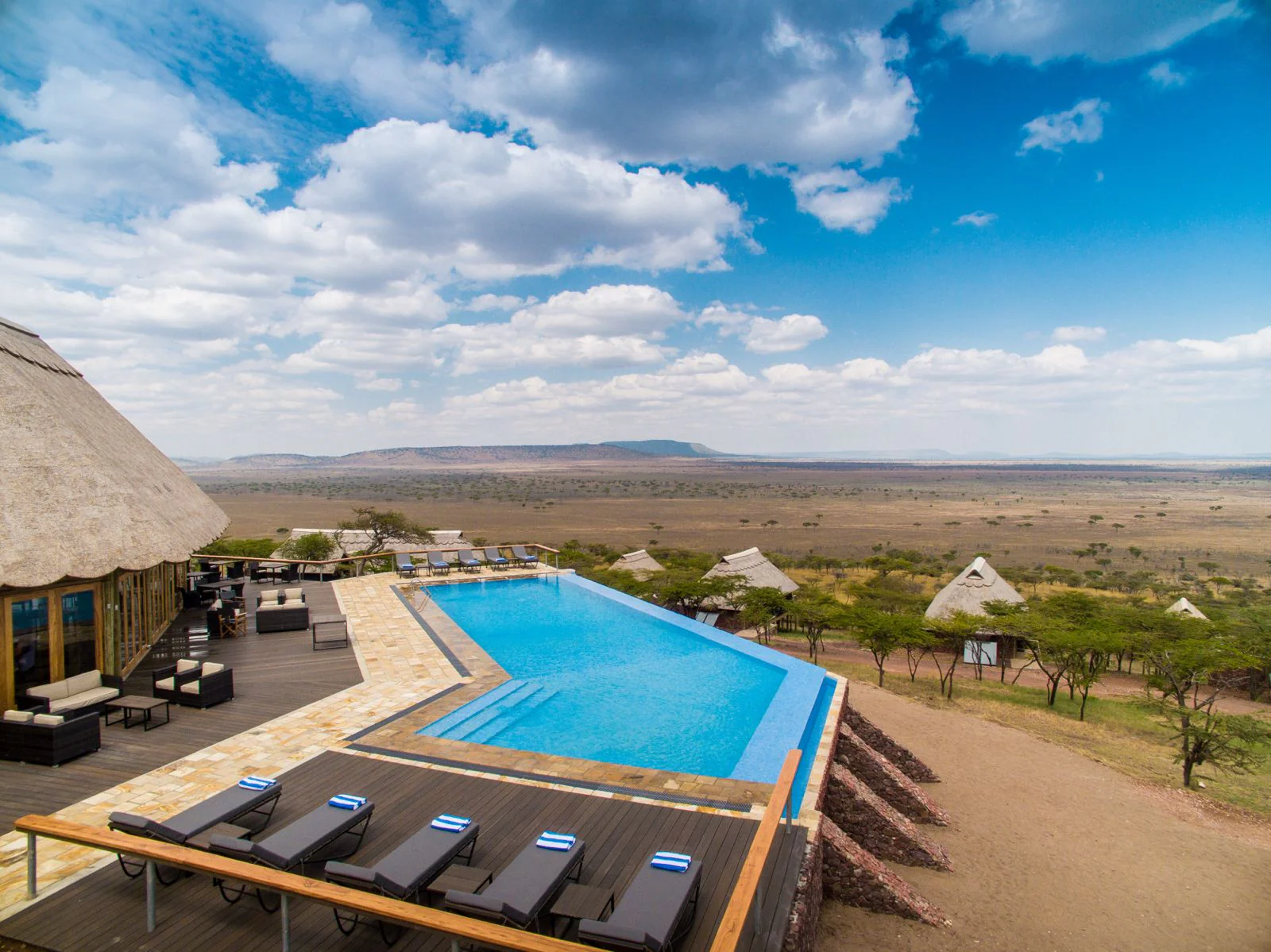
February calving demands camps positioned on or near the Ndutu short-grass plains: mobile tented camps from operators like Lemala (Ewanjan), Legendary Expeditions, and Serengeti Under Canvas reposition nightly to stay metres from the birthing herds. Fixed lodges like Ndutu Safari Lodge sit directly on the ecosystem boundary and offer year-round familiarity with the calving dynamics. Ngorongoro rim lodges add the crater's Big Five certainty to a calving camp itinerary. Zanzibar boutique properties and Mafia Island's small lodges complement the wildlife component perfectly. Browse all accommodations.
Packing snapshot
- Neutral layers, insulated dawn jacket, light rain shell
- 300–600 mm lens, beanbag, backups; reef-safe SPF, rash guard
- Waterproof boots/gaiters for gorilla treks
FAQs
February safari questions
Is February a good time for a Tanzania safari?+
Absolutely—February is one of the best months for a Tanzania safari, delivering the peak of the Great Migration's calving season. Approximately 8,000 wildebeest calves are born daily on the short-grass plains of the southern Serengeti and Ndutu region, creating a predator bonanza unlike anywhere else on Earth. Lion prides, cheetah coalitions, and hyena clans converge in extraordinary numbers to capitalise on the abundance of vulnerable newborns. The weather is warm and pleasant with occasional brief showers that clear quickly, leaving dust-free air and dramatic skies perfect for photography. February also sees fewer tourists than the July–October peak season, meaning a more exclusive safari experience. It is ideal for photographers, wildlife enthusiasts, and families seeking guaranteed action.
Where exactly should I go?+
Prioritise southern Serengeti and Ndutu for the main calving event—this is where the action concentrates in February. Ngorongoro Crater delivers reliable Big Five sightings with lush green scenery and fewer vehicles than mid-year. Tarangire and Lake Manyara offer excellent elephant herds and spectacular birding with migrant species. For a complete East African experience, add Kilimanjaro for trekking or Bwindi/Volcanoes NP for gorilla trekking—February is prime dry season for primate encounters. Cap the itinerary with Zanzibar, Pemba, or Mafia Island for warm, calm seas.
Can I see the Great Migration?+
Absolutely—February is one of the most predictable months for the Great Migration. The herds are reliably concentrated on the southern Serengeti and Ndutu short-grass plains for calving season, one of the few times you can predict their exact location with confidence. You will not see the dramatic river crossings that occur July through October in the northern Serengeti; instead, you will witness something equally extraordinary: mass calving with approximately 8,000 calves born daily. This synchronized birthing overwhelms predators and creates the most intense predator-prey action of the entire migration cycle. The concentration of vulnerable newborns attracts lions, cheetahs, and hyenas in extraordinary numbers—making February arguably the best month for guaranteed wildlife drama.
How far in advance should I book?+
Book 6–9 months ahead for Ndutu mobile camps, specialist guides, and gorilla permits to secure your preferred dates and accommodations. Premium and luxury mobile camps fill fastest, often requiring 9–12 months advance booking for February dates. The half-term and Chinese New Year windows in mid-February see particularly high demand and should be secured even earlier. Ndutu mobile camps that reposition nightly to track the herds are limited in number and fill well ahead of travel dates. Last-minute bookings (1–2 months) are sometimes possible but severely limit your options—you may miss the prime camps positioned closest to the calving action. We recommend securing your Ndutu camp first, then building the rest of your Tanzania itinerary around those dates. Contact our Arusha team for current availability.
Is February crowded?+
February sees moderate visitor numbers at Ndutu but remains far quieter than the July–October peak season. The southern Serengeti and Ndutu plains absorb vehicles well due to the vast open terrain—you will never experience the vehicle congestion common during river crossing season in the north. Kenya's Masai Mara and the conservancies are particularly calm in February, offering uncrowded predator viewing and a more exclusive safari experience. Gorilla permits in Uganda and Rwanda are manageable with 3–6 months advance booking, though popular habituated families still fill quickly. Outside the half-term and Chinese New Year windows, February offers a relaxed, uncrowded safari with exceptional wildlife action and dramatically fewer tourists than the dry-season peak.
What about weather and sea conditions?+
The northern circuit—Serengeti, Ngorongoro, Tarangire—enjoys warm, mostly dry weather with only brief afternoon showers that clear quickly. Daytime temperatures range 25–30°C, cooling to 15–18°C at night. Short grass and clear mornings provide excellent visibility for wildlife viewing and photography. The short rains have typically passed by February, leaving lush green landscapes without sustained rainfall. On the coast and islands, expect hot, humid conditions with seas around 29°C and excellent visibility—perfect for Mnemba snorkelling, dhow cruises, and seasonal whale shark encounters off Mafia Island. February is ideal for combining safari with beach relaxation.
Explore Further
Read our best time to visit Tanzania,best time to visit Serengeti, or calving season guide.
Explore all months,January,March, or Tanzania safaris.
Read our safari cost guide,packing list, or browse our journal.