Green-season landscape in the Serengeti, Tanzania

Tanzania safari planning guide: Best Places to Visit in Africa in March

March is an excellent and often underrated month for Tanzania safaris, marking the transition from calving season to the wildebeest rut across the southern and central Serengeti. Warm green-season weather, dramatic storm-lit photography conditions, exceptional birding with flamingos, and 30–50% lower rates than peak season make March ideal for value-seeking wildlife enthusiasts and photographers.

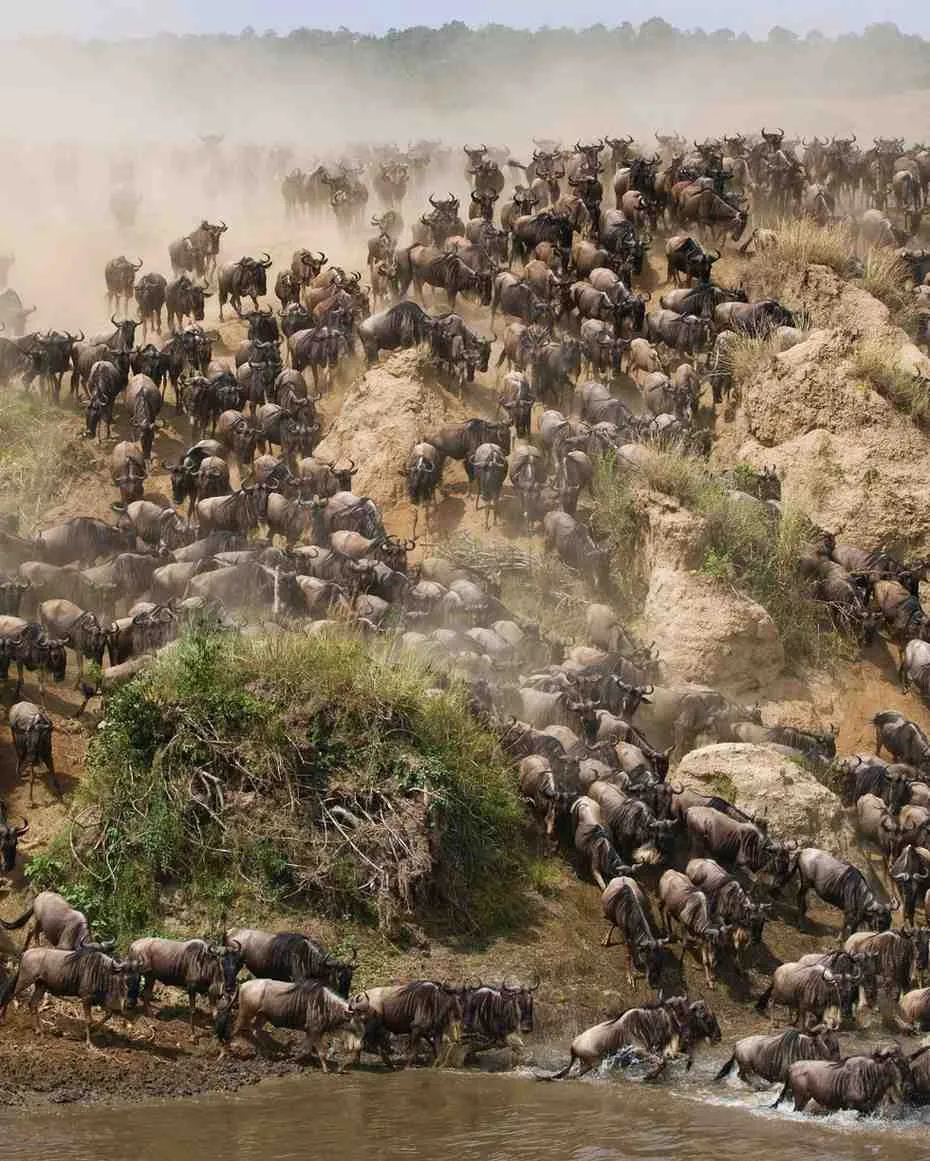
Wildebeest herds on the southern Serengeti plains, Tanzania

Serengeti National Park in March — Late Calving + Rut

March marks the switchover from calving to rutting. Early in the month, Ndutu still hosts newborns and stalking predators; by mid-March, bulls clash across the central plains as storm clouds build. Light is moody and crowds are minimal.

What

  • Late calf drops, rutting battles, cheetah chases
  • Thunderheads and saturated greens for photos

Why

  • Open short-grass plains + low vehicle density
  • Flexible mobiles track herds as they shift north-west

When to book

  • Lock mobiles early; confirm live herd intel 2–3 weeks out
  • Blend early March Ndutu with mid-March Seronera/Naabi
Flamingos at Lake Manyara, Tanzania

Ngorongoro, Manyara & Tarangire — Flamingos & Forest Light

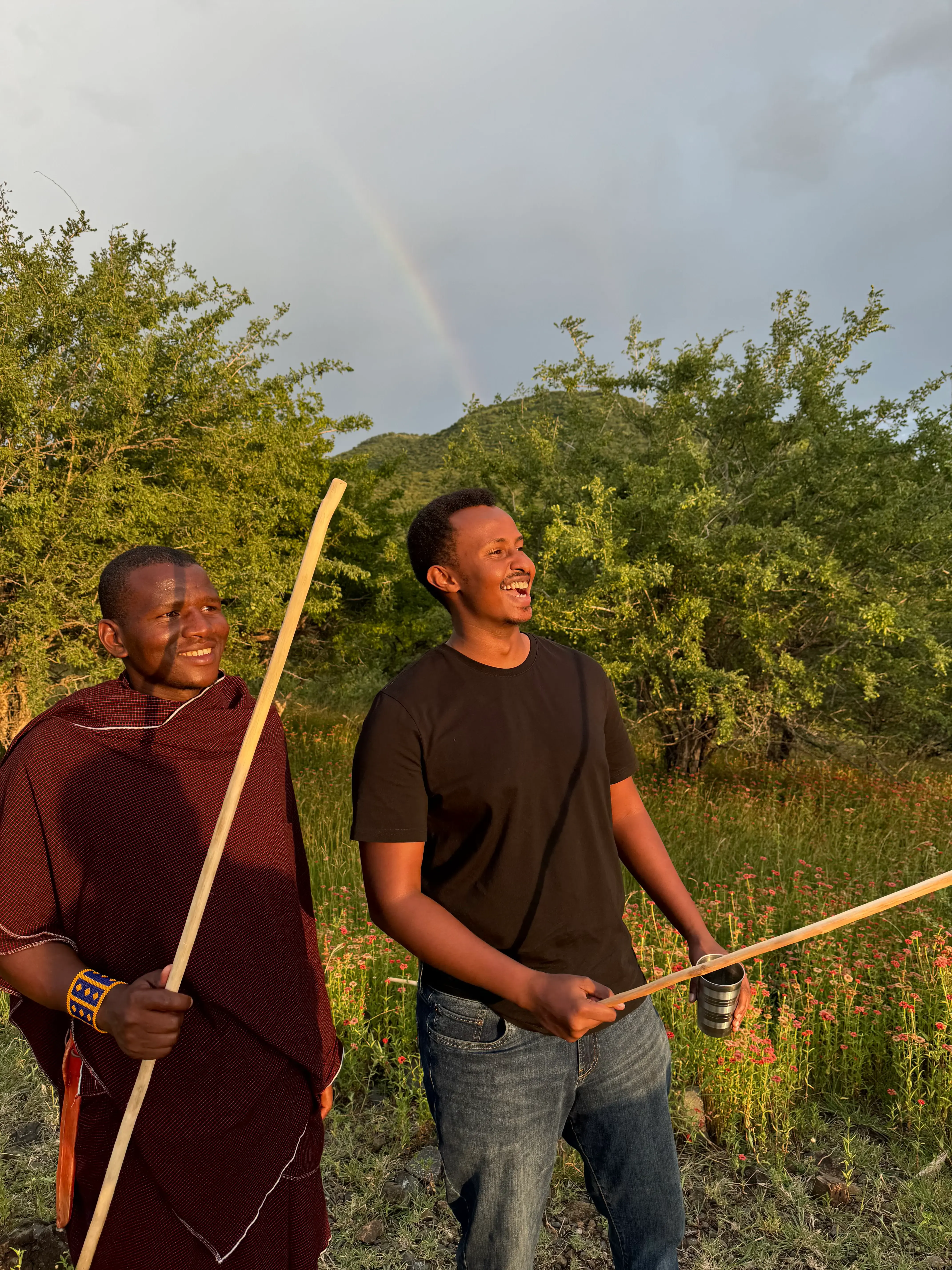
Crater floors are carpeted in wildflowers, Lake Manyara hosts peak flamingo numbers and Tarangire’s swamps brim with elephants and birds. Combine crater descents with Hadzabe or Datoga culture days around Lake Eyasi.

What

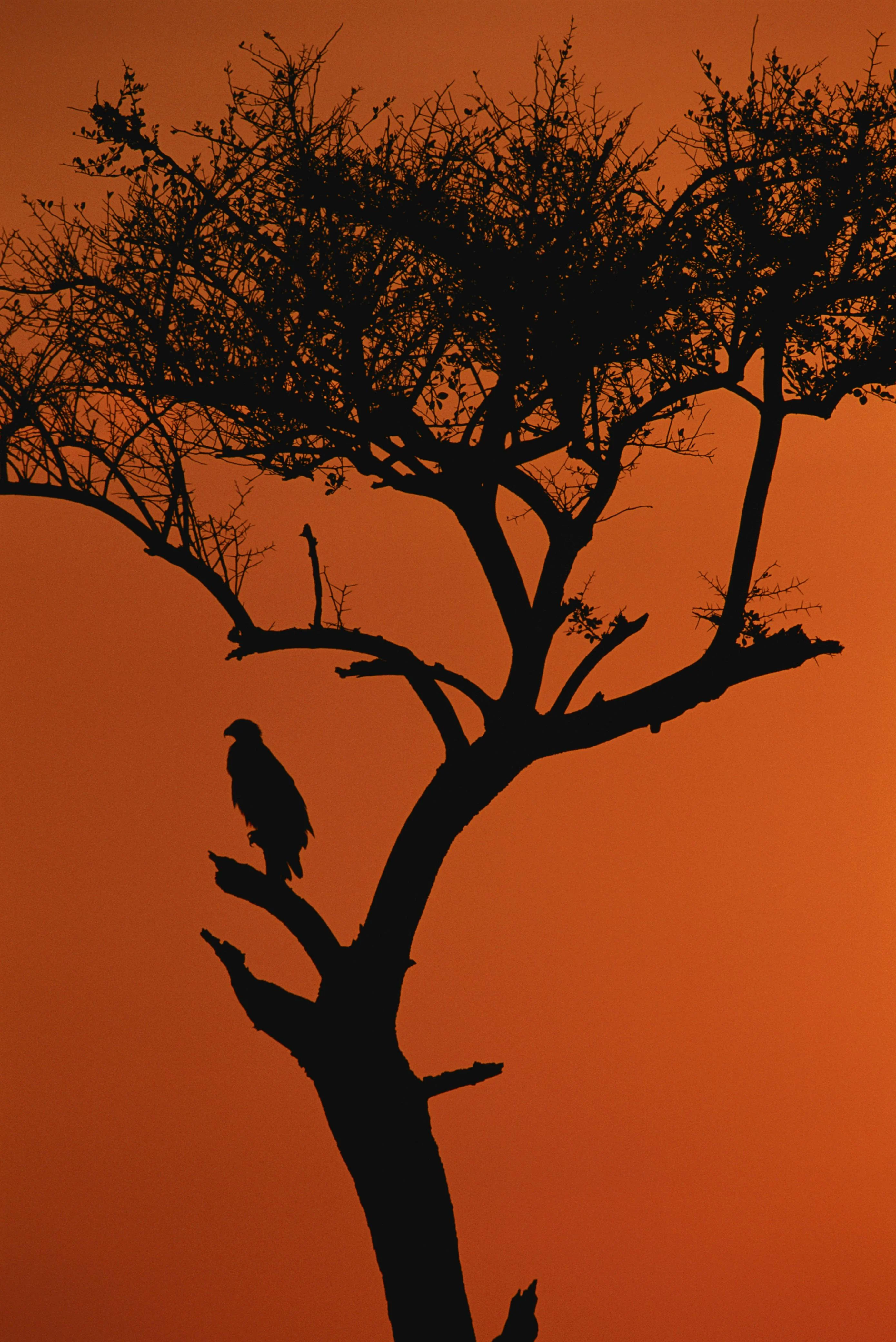
  • Rhino sightings, flamingos, baobab silhouettes
  • Hadzabe hunts & Karatu coffee walks

Why

  • Lush scenery + softer pricing than peak season
  • Birdlife explodes during the green season

When to book

  • Secure crater permits and guides early for sunrise descents
  • Plan cultural visits with community partners ahead of time
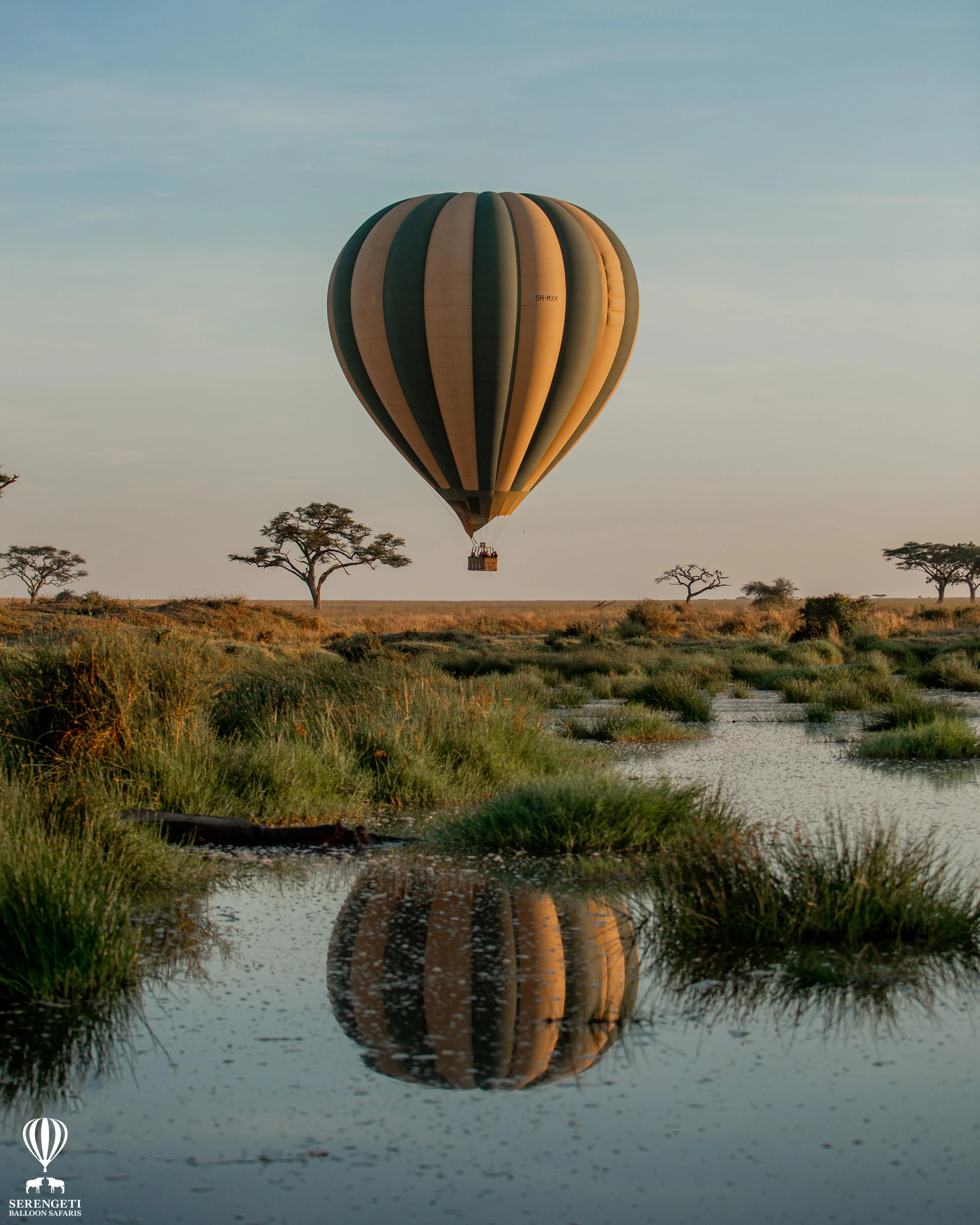
Hot air balloon over the Serengeti plains, Tanzania

Zanzibar, Stone Town & Private Islets — Warm Breezes

March keeps seas warm and calm, especially earlier in the month. Spend slow mornings on spice plantations, chase sunset rooftop dinners in Stone Town and add Pemba/Mafia for serious divers—just double-check visibility if travelling late March.

What

  • Spice tours, dhow sails, Mnemba snorkels, Stone Town culture

Why

  • Warm seas + value-driven offers before Easter rush
  • Easy flight links from Arusha/Serengeti hubs

When to book

  • Target early-March departures for clearest water
  • Hold private guides for spice/Stone Town tours now

March Safari Guide

Green Season Magic & Calving Finale

March represents one of East Africa's most underrated safari months—a time when the landscapes transform into emerald paradise, wildlife activity reaches fever pitch, and savvy travelers enjoy extraordinary value. While conventional wisdom suggests avoiding the onset of the "long rains," March Tanzania safaris deliver spectacular wildlife encounters at a fraction of peak season costs.

The southern Serengeti witnesses the grand finale of the wildebeest calving season, with hundreds of thousands of young calves strengthening their legs for the epic migration ahead. Predator action intensifies as big cats capitalize on the abundance of vulnerable prey. The rains bring dramatic afternoon thunderstorms that paint the skies in magnificent hues, creating photographer's dreams of green grasslands contrasting with storm-dark clouds.
Ideal travellers

  • Photographers chasing storm drama, rutting action and reflections
  • Value seekers wanting quieter lodges and softer green-season rates
  • Birders: flamingos, migrants, raptors at peak activity
  • Cultural explorers pairing Eyasi/Datoga/Hadzabe with wildlife

Where to go

Highlights

  • Predator paradise: lions, cheetahs, leopards on vulnerable calves
  • Rutting wildebeest, thunderheads, emerald kopje backdrops
  • Peak flamingo shows at Manyara and Magadi; prolific bird breeding
  • 30–50% rate drops vs. peak season; flexible permits and routing

Tanzania

Calving finale & green glory

Southern & central Serengeti (Ndutu → Seronera)

Late calving rolls into rutting by mid/late March. Kopjes around Gol/Maasai/Moru become predator lookouts; thousands of newborns still learning to run. By late month, herds drift west toward the corridor as grasses thin.

  • Prime predator hunts; cheetah densities remain superb
  • Short grass + storm light = rare photographic conditions
  • Mix Ndutu mobiles with Seronera/Naabi positioning mid-month

Stay: Ubuntu Migration, Ndutu Safari Lodge, Kusini; shift to Dunia/Namiri as herds move.

Ngorongoro Crater

Verdant bowl with resident rhino, 60–70 lions, tusker bulls, flamingos on Lake Magadi, hippo pools and constant Big Five prospects—fewer vehicles than peak months.

Tarangire & Lake Manyara

Green woodlands, prolific elephants, baobab silhouettes and 550+ bird species; Manyara peaks for flamingos March–April.

Southern circuit (Ruaha, Nyerere)

Lush, remote and great value—huge elephants, lions, leopards, wild dogs, sable, kudu; Rufiji boat safaris surge with water levels. Expect few visitors and dramatic skies; 4x4 skill needed after heavy rain.

Lake Manyara add-on

Birding heaven with flamingos, hippo pools, tree-climbing lions and Rift views—great half-day pairing with crater circuits.

Beyond Tanzania

Kenya, Uganda & Rwanda in March

Kenya green season

Masai Mara’s quietest month with resident big cats, birthing season for plains game, and 30–50% rate drops. Amboseli serves Kilimanjaro backdrops and swamp elephants; Samburu offers the Special Five with lighter rains; Tsavo gives red elephants and vast wilderness.

Uganda & Rwanda

Gorilla/chimp trekking stays rewarding in misty forests; permits are easier and lodges discount heavily. Expect muddy trails—pack waterproofs. Pair Bwindi/Mgahinga or Volcanoes NP with Queen Elizabeth or Murchison Falls for boats and tree-climbing lions.

Wildlife & nature

Why March feels electric

Predator-prey drama peaks: late calves and rutting herds keep lions, cheetahs, leopards and hyenas hunting all day. Storm-cleared air, emerald grass and lightning skies deliver rare photography conditions.

Migration dynamics

  • Late calving continues; calves 1–2 months old strengthening
  • By late March, herds drift west toward the corridor/Grumeti
  • Short grass, open sightlines, kopje predators in Gol/Moru

Predator behaviour

  • Lions: prides with cubs feast; daytime hunts common
  • Cheetahs: high success on gazelle fawns; adolescents learning
  • Leopards: kopje and Seronera trees with cached kills
  • Hyenas: vocal clans 50+; den activity; social drama on kills
  • Wild dogs: active in Ruaha/Nyerere; denning season begins

Birding bonanza

  • Palearctic migrants departing; residents in breeding plumage
  • Flamingos at Magadi/Manyara; secretary birds and kori bustards displaying
  • Raptors: vultures, tawny, bateleur, martial; shoebill in Uganda deltas

Photographic light

Afternoon storms, rain-washed clarity, reflections on pans, and green backdrops—pack rain covers, shoot wide for sky drama and fast shutters for hunts.

Activities & experiences

What to do in March

Game drives

Dawn to mid-morning for hunts; late afternoons for golden storm light. Full-day drives in Serengeti keep you with herds as weather shifts.

Walking safaris

Cooler temps make walks great in Ngorongoro highlands, Nyerere, Ruaha, Laikipia and Mara conservancies; tracks read easily in soft mud.

Hot air balloons

Weather-dependent; morning flights over green plains are spectacular when they go—book ahead and keep flexible.

Boat safaris

Rufiji (Nyerere), Kazinga Channel (Uganda), Victoria Nile (Murchison) surge with life; Shoebill chances rise in deltas.

Primate trekking

Bwindi/Mgahinga and Volcanoes NP stay excellent—misty, muddy, intimate; book permits 3–6 months out, pack waterproofs/gaiters.

Culture & coast

Hadzabe/Datoga near Eyasi, Maasai visits, coffee estates; finish with Zanzibar/Pemba/Mafia—early March for clearer water, expect brief showers.

Weather & climate

How March feels

Northern Tanzania

  • Serengeti/Ngorongoro/Manyara/Tarangire: 26–30 °C day, 15–18 °C night
  • Transitional: clear mornings, afternoon storms (1–3 hours), short grass = visibility
  • Ngorongoro rim: 10–20 °C—pack warm layers

Southern Tanzania

  • Ruaha/Nyerere: 28–32 °C, wetter, lush, some tracks muddy
  • Excellent value, very low crowds

Kenya

  • Mara/Amboseli/Laikipia: 24–28 °C day, 14–18 °C night; short storms
  • Great visibility, emerald landscapes, low vehicles

Uganda / Rwanda

  • Highlands: 18–23 °C day, 8–12 °C night; rain likely, misty and atmospheric
  • Trails muddy—gaiters, waterproof boots essential

Coast & islands

  • Zanzibar/Pemba/Mafia: 28–32 °C, humid; showers later month; seas warm (~29 °C), visibility best earlier month

Travel tips

Plan March the smart way

Priorities & routes

  1. Ndutu/Southern → Central Serengeti (shift mid-month)
  2. Ngorongoro + Manyara/Tarangire for flamingos/birding
  3. Mara conservancies for quiet cat action
  4. Bwindi/Volcanoes NP for gorillas; Queen Elizabeth/Murchison for boats

Booking & crowds

Book 2–4 months out for best lodges; crater permits still need early holds. Vehicles 40–50% fewer than peak.

Where to Stay in March

March's transitional character means camp choice should flex: early month stays best at Ndutu/southern Serengeti for the calving finale, then shift to central Serengeti (Seronera area camps) for the rut action. Ngorongoro remains excellent from any rim lodge. The advantage of March: the best camps have good availability and often offer upgrades or extended-stay rates not available in peak season. Mobile operators like Lemala, Legendary Expeditions, and Ubuntu track herd positions nightly. Browse all accommodations.

Value & packing

  • Rate relief: luxury 30–50% off, mid-range 20–40% off vs. July–Oct
  • Packing: waterproof shell/pants, gaiters, neutral layers, warm rim layers
  • Photo: rain covers, fast shutters, backups; boots for mud
  • Health: malaria prophylaxis; hydration salts; trust 4x4 guides on slick tracks

Suggested itineraries

Plan March day-by-day

7 Days

Tanzania Calving Finale

  • Arrive Arusha → fly Ndutu
  • Ndutu/Southern Serengeti calving (2–3 days)
  • Shift toward central plains for rutting herds
  • Ngorongoro crater day
  • Return via Arusha (optional Tarangire add)

Est. $3,500–5,500 pp mid–lux (ex int’l flights).

12 Days

Ultimate TZ + Kenya Circuit

  • Amboseli → Masai Mara green season
  • Fly to Arusha → Ndutu/Serengeti calving & rut
  • Ngorongoro crater → Tarangire

Est. $5,800–8,500 pp (mid-range).

10 Days

Gorillas & Calving

  • Entebbe → Bwindi gorilla trek(s)
  • Queen Elizabeth (Kazinga Channel, tree-climbing lions)
  • Fly to Serengeti calving/rut → Ngorongoro

Est. $7,500–10,500 pp (incl. one gorilla permit).

FAQs

March safari questions

Is March a good time for Tanzania safaris?+

Yes—late calving, rutting herds, intense predator action, lush scenery and 30–50% softer rates. Brief storms rarely stop drives.

Can I see the Great Migration?+

Absolutely—herds are massed on southern/central plains. No river crossings yet, but calving finale, rutting clashes and predators in the open.

Weather reality?+

Clear mornings; afternoon storms 1–3 hours. Warm days (26–30 °C north), cooler rims/highlands. Pack waterproofs and warm layers for altitude.

Tanzania or Kenya in March?+

Tanzania for calving/rut and crater/flamingos; Kenya for quiet Mara cats, Amboseli elephants/Kili, Samburu specials. Combine both for diversity and value.

How far ahead to book?+

2–4 months for most lodges; 3–6 months for mobiles/permits; gorilla permits 3–6 months. Crater permits still need early holds.

How much cheaper is March?+

Luxury often 30–50% off, mid-range 20–40%, budget 15–30% vs. peak. Flights ~10–20% lower. Gorilla permits are fixed but lodges discount ~30–40% around Bwindi.