Tanzania
Calving season spectacular
Serengeti National Park — Southern Plains & Ndutu
January is undeniably the Serengeti's calving month. The 1.5 million-strong herds congregate on short-grass plains stretching from Ndutu through southern Serengeti. By late January calving reaches full intensity with half a million calves born within a three-week burst. This synchronized birthing overwhelms predators and gives individual calves better survival odds.
Ndutu, technically within the Ngorongoro Conservation Area yet continuous with the southern Serengeti ecosystem, becomes safari central. Newborn wildebeest stand within minutes of birth and run within days. Plains stretch endlessly, dotted with grazing herds and intensified predator action—multiple lion prides, cheetah coalitions and solitary leopards focus on this nursery.
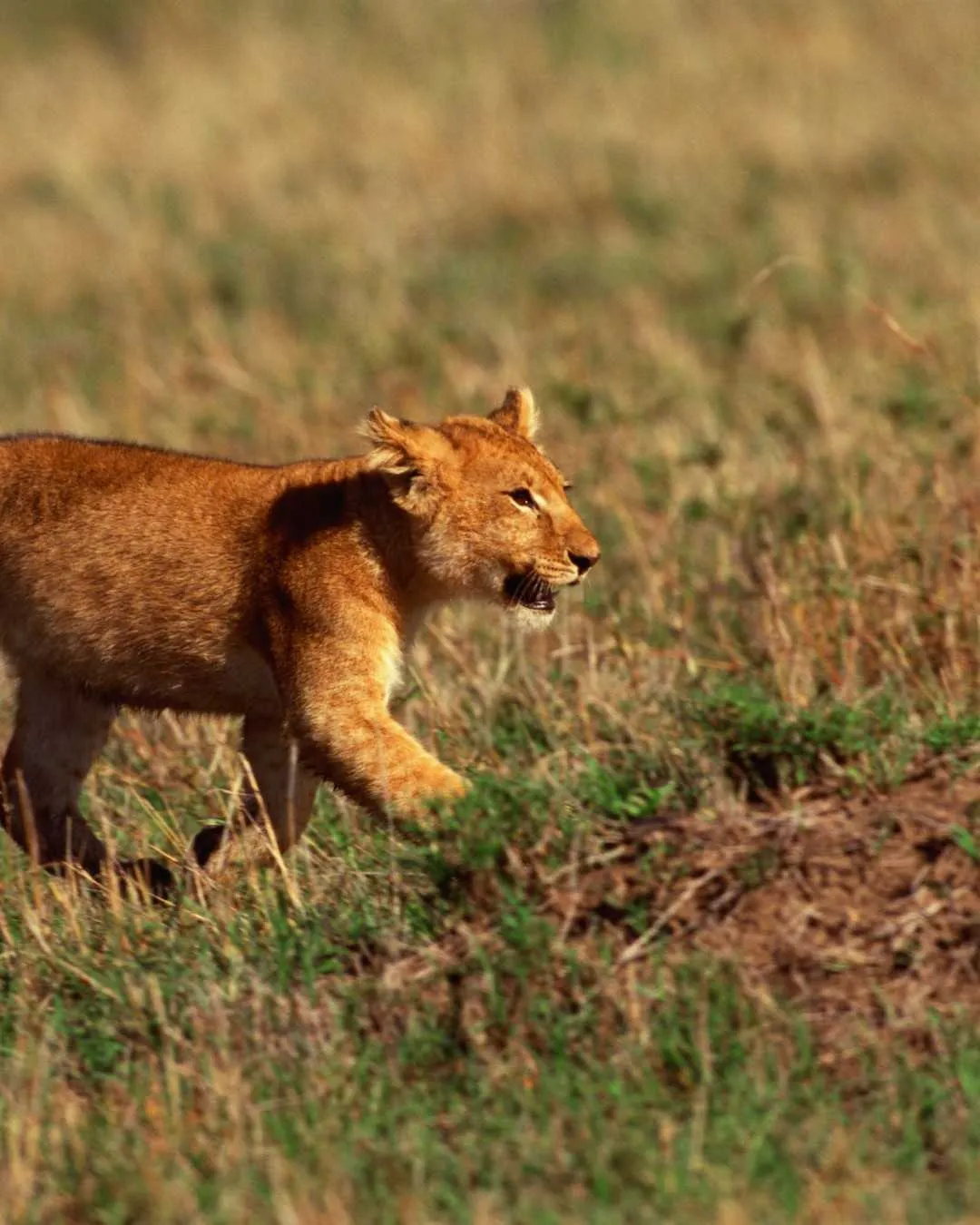
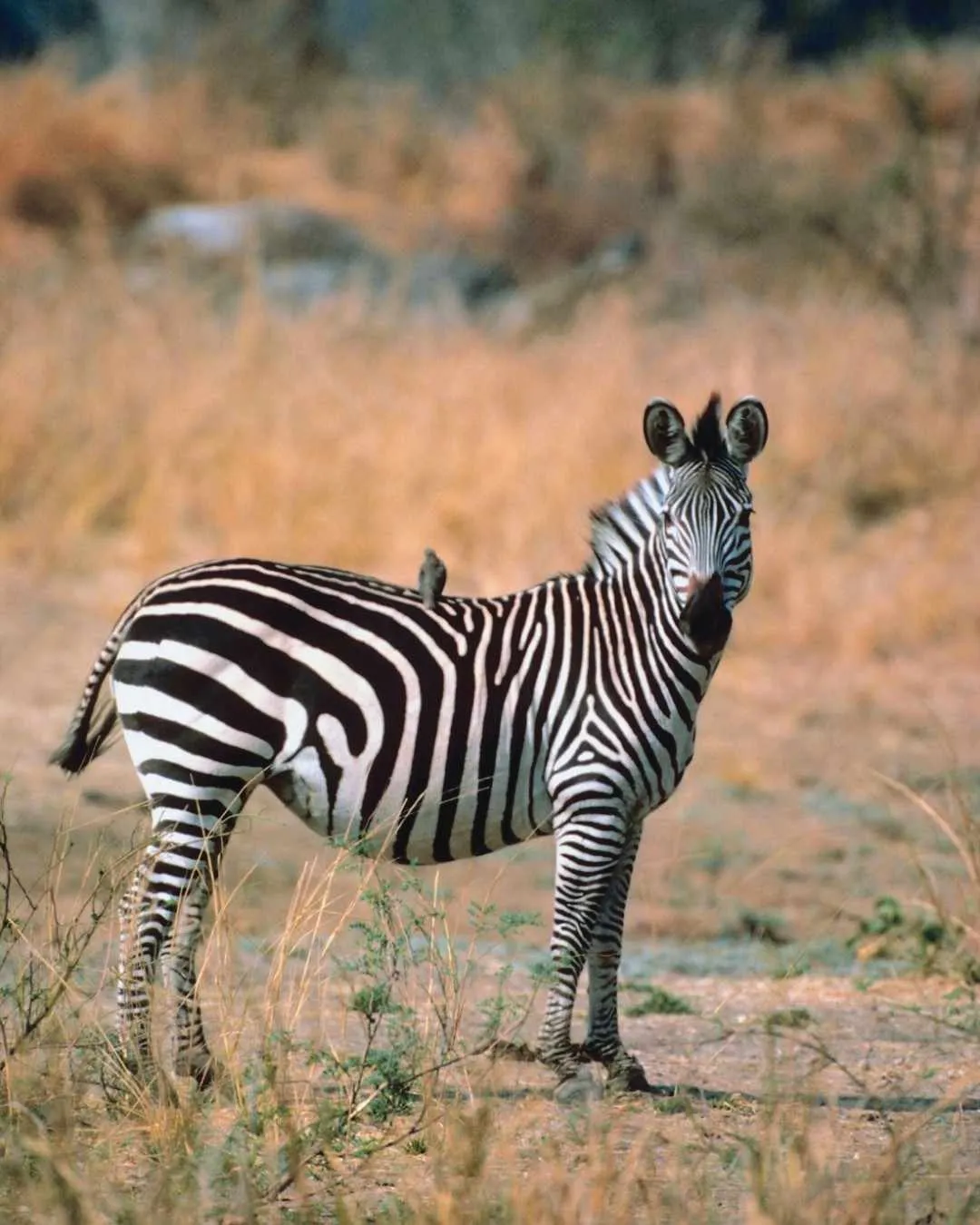
Wildlife highlights: Calving wildebeest, massive zebra and gazelle herds, lions with cubs, cheetah hunts, hyena clans, jackals, vultures, marabou storks.
Best areas: Ndutu, Kusini, Maswa, southern Serengeti short-grass plains, areas around Lake Ndutu and Lake Masek.
Ngorongoro Crater
The crater remains exceptional year-round and January is no exception. Wildlife densities stay sky-high on the crater floor with reliable Big Five sightings. Rains bring lush vegetation and flamingos to Lake Magadi, while green-season timing means fewer vehicles than mid-year.
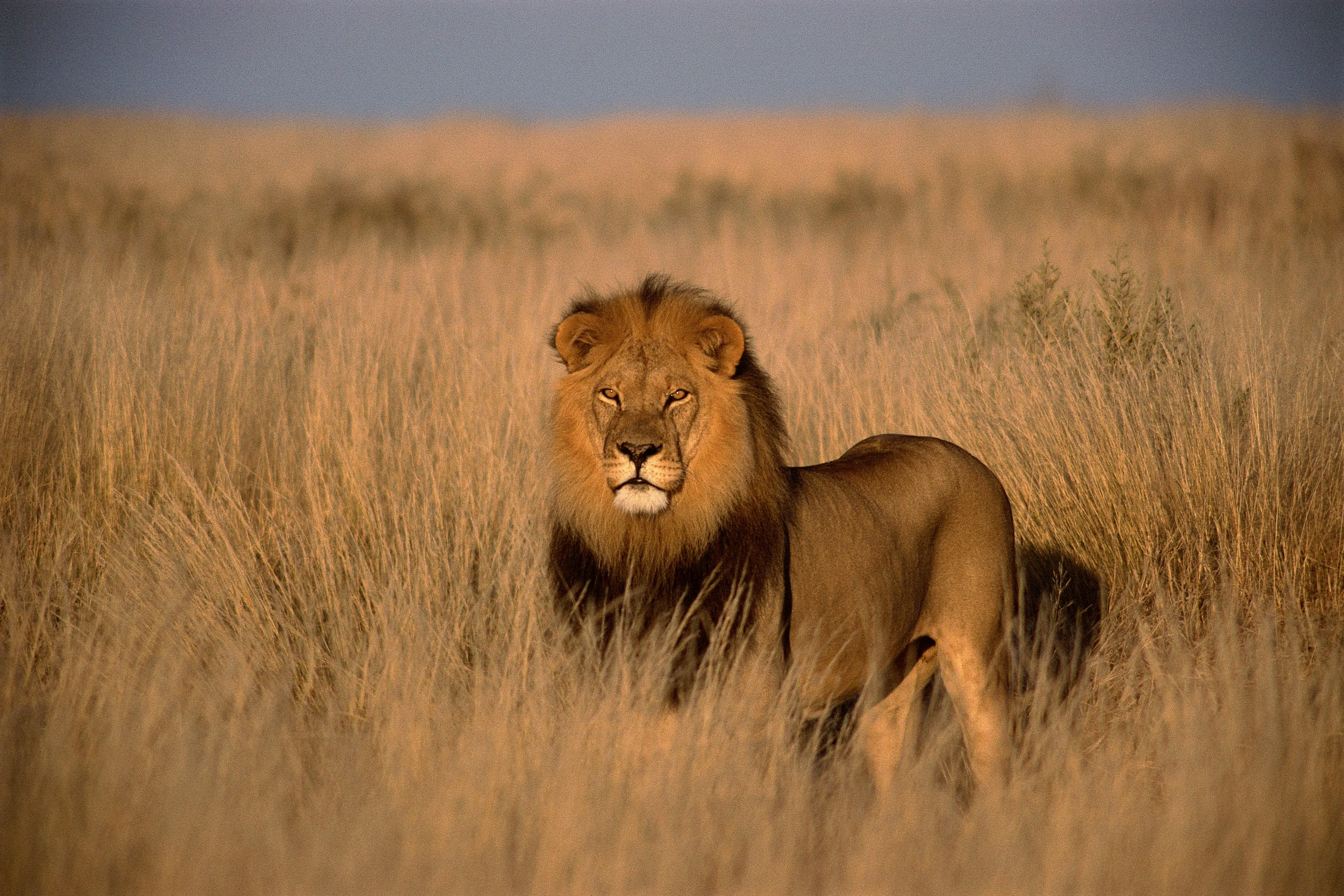
Wildlife highlights: Black rhino (best chances in Tanzania), dense lion populations with dark manes, elephant, buffalo, hippo, flamingos, crowned cranes.
Tarangire National Park
January is Tarangire's wet season, so wildlife disperses as temporary water sources fill, yet it remains excellent for elephants, resident predators, and birding. Baobab-studded scenery turns photogenic under green-season light.
Wildlife highlights: Elephant herds, lion, leopard, buffalo, giraffe, assorted antelope, 550+ bird species including migrants.
Ruaha National Park
Sporadic rains transform Ruaha into a lush wilderness. Wildlife disperses from the Great Ruaha River as water becomes available everywhere, so sightings are more spaced than in the dry season yet still rewarding thanks to large lion prides, leopard, wild dog, elephant, buffalo, kudu and sable.
Nyerere National Park (Selous)
The wet season continues with lush vegetation and high Rufiji River levels. Boat safaris excel with birding and hippo/croc encounters, and game drives still deliver despite dispersed wildlife. Expect vivid photographic backdrops.