10 Days
Northern TZ Migration
- Arusha → Tarangire (2) peak elephants
- Ngorongoro rim (1–2) full-day crater
- Northern Serengeti (4–5) on the Mara River
Est. $6,800+ pp mid–lux with mobile options.
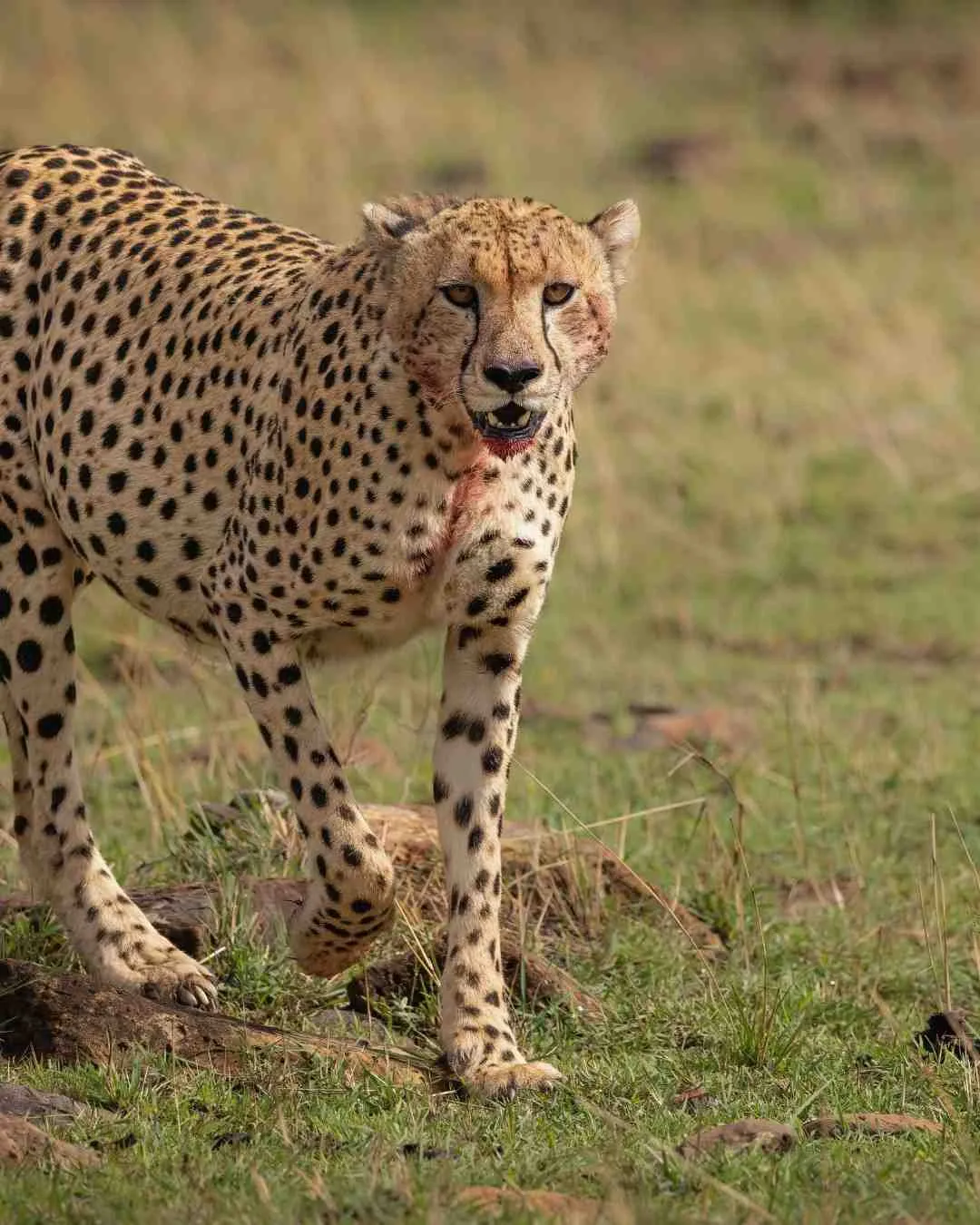
August is the iconic peak season month for Tanzania safaris, delivering the most dramatic Mara River crossings of the year in the northern Serengeti. Herds mass at multiple crossing points, creating the wildlife spectacle seen in documentaries. Combined with Tarangire's elephant mega-herds and perfect dry-season weather, August offers the quintessential safari experience for first-time visitors.
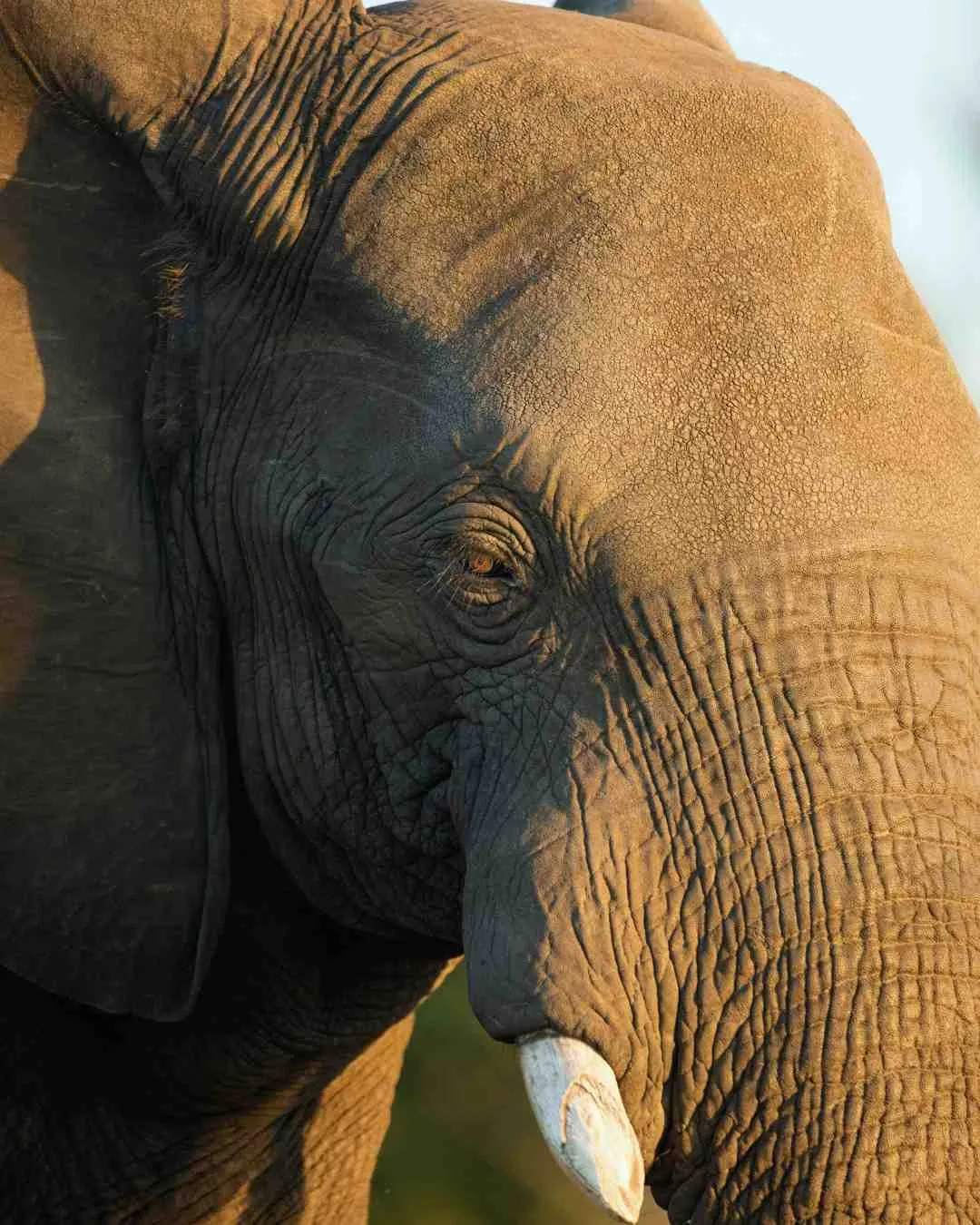
Northern Serengeti (Kogatende, Lamai Wedge) and the Mara Triangle erupt in August. Multiple crossing points fire daily, cheetahs patrol short grass, and cliff-top sundowners watch crocodiles strike. Fly-in mobiles or conservancy camps keep you flexible.
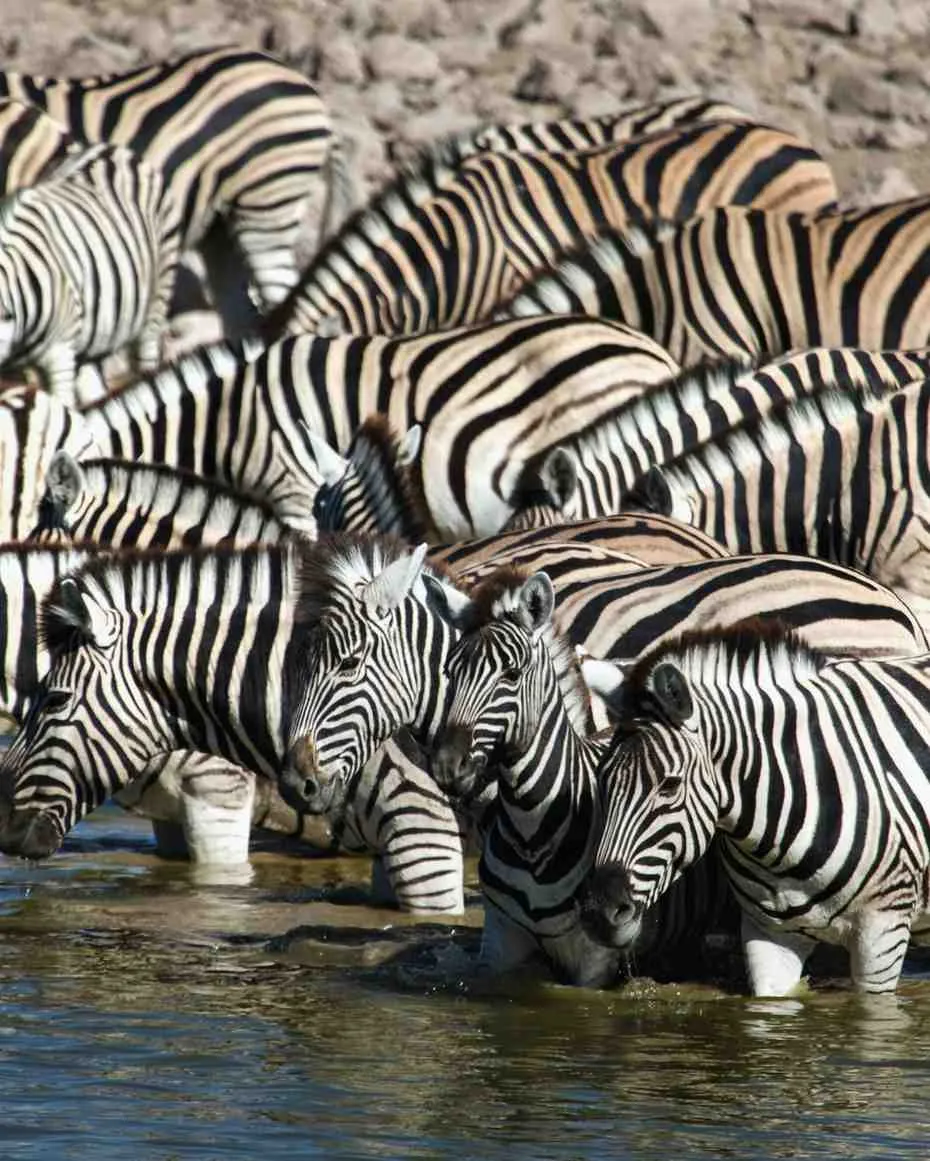
Tarangire’s famous elephant mega-herds trench the riverbeds in August while Ruaha goes bone-dry, exposing lions, leopards and thriving wild dog packs. Pair baobab horizons with night drives and walking safaris for contrast to the migration north.
Book private villas or full-island occupancy well in advance. August trade winds are perfect for dhow sails and kitesurfing on Paje, Matemwe and Mnemba, while Mafia and Fanjove serve snorkelling without crowds.
August Safari Guide
August is the pinnacle: Mara River crossings in full force, elephants stacked on rivers, Ruaha and Nyerere at their wildest, Kilimanjaro windows wide open, and islands in prime dry season. It’s also the busiest month—plan far ahead.
Tanzania
August witnesses the Great Migration's most spectacular and sought-after event: the Mara River crossings between Tanzania's northern Serengeti and Kenya's Masai Mara. These dramatic crossings typically occur from late July through August and early September as hundreds of thousands of wildebeest and zebras attempt to reach the greener pastures of the Masai Mara.
While migration attention focuses on the northern Serengeti, the central Seronera Valley maintains outstanding wildlife concentrations throughout August. This region's permanent water sources (Seronera River, Orangi River) support year-round resident populations, making it an excellent complement to northern migration viewing.
Dependable Big Five: ~30 black rhinos, 60–70 lions, tusker bulls, massed buffalo, flamingos when levels suit. Go early/late to dodge peak vehicle windows.
Tarangire peaks: 300–500 elephants on the river, lions, leopards, cheetahs, fringe-eared oryx, baobab vistas. Manyara: tree-climbing lions, forest elephants, flamingos when alkaline fits, 400+ birds.
Peak dry season: Rufiji boat safaris (hippos, giant crocs), lions, leopards, wild dogs, elephants 15k+, buffalo mega-herds. Mix boats, walks and drives for variety with minimal crowds.
Ruaha zenith: lion super-prides, leopards, wild dogs, rare antelope, 12k+ elephants. Katavi hippo/buffalo pile-ups, low visitor numbers. Mahale/Gombe: elite chimp tracking with clear Tanganyika.
Beyond Tanzania
Masai Mara receives the migration—expect river crowds; use conservancies for off-road and night drives. Amboseli for Kili + super-tuskers, Samburu “Special Five,” Tsavo red elephants, Laikipia rhino/wild dog programs.
Peak dry season for gorillas/chimps: Bwindi/Mgahinga, Kibale, Queen Elizabeth, Murchison; Rwanda’s Volcanoes, Nyungwe, Akagera. Book permits 6–12 months ahead; expect clear views and drier trails.
Wildlife & nature
This is the river-crossing apex: vertical banks, roaring currents, dust clouds, croc strikes and predators waiting. Dry-season compression lights up Tarangire, Ruaha and crater floors; air stays clear for photography.
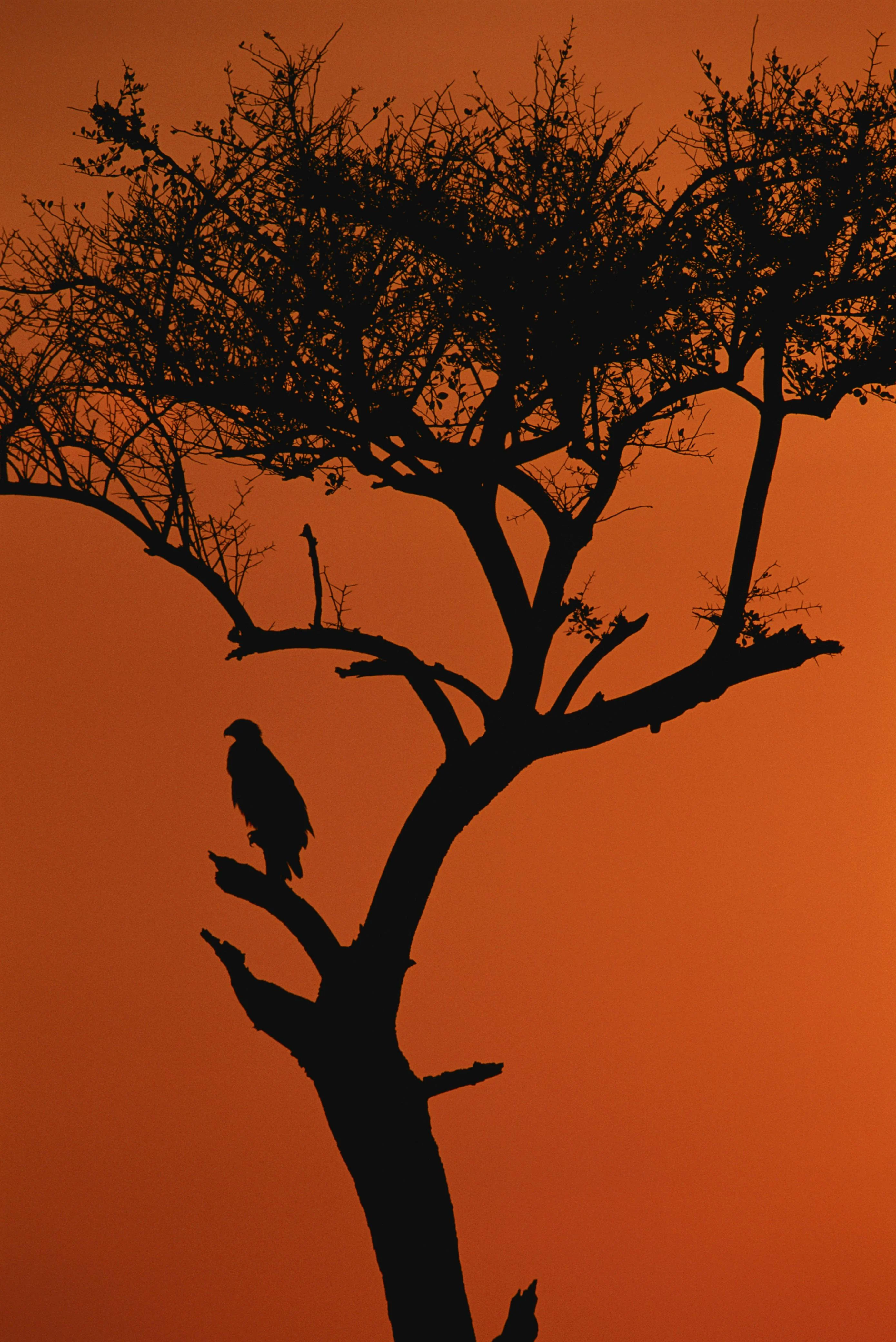
Resident focus at peak activity: raptors, bustards, rollers; flamingos on Magadi/Manyara; Pel’s fishing owl in Nyerere; shoebill chances on Kazinga/Nile/Ihema; dust adds drama to backlit scenes.
Activities & experiences
Dawn and late-day for predators and golden light; full days on the Mara River to wait out crossings; private vehicles help reposition fast.
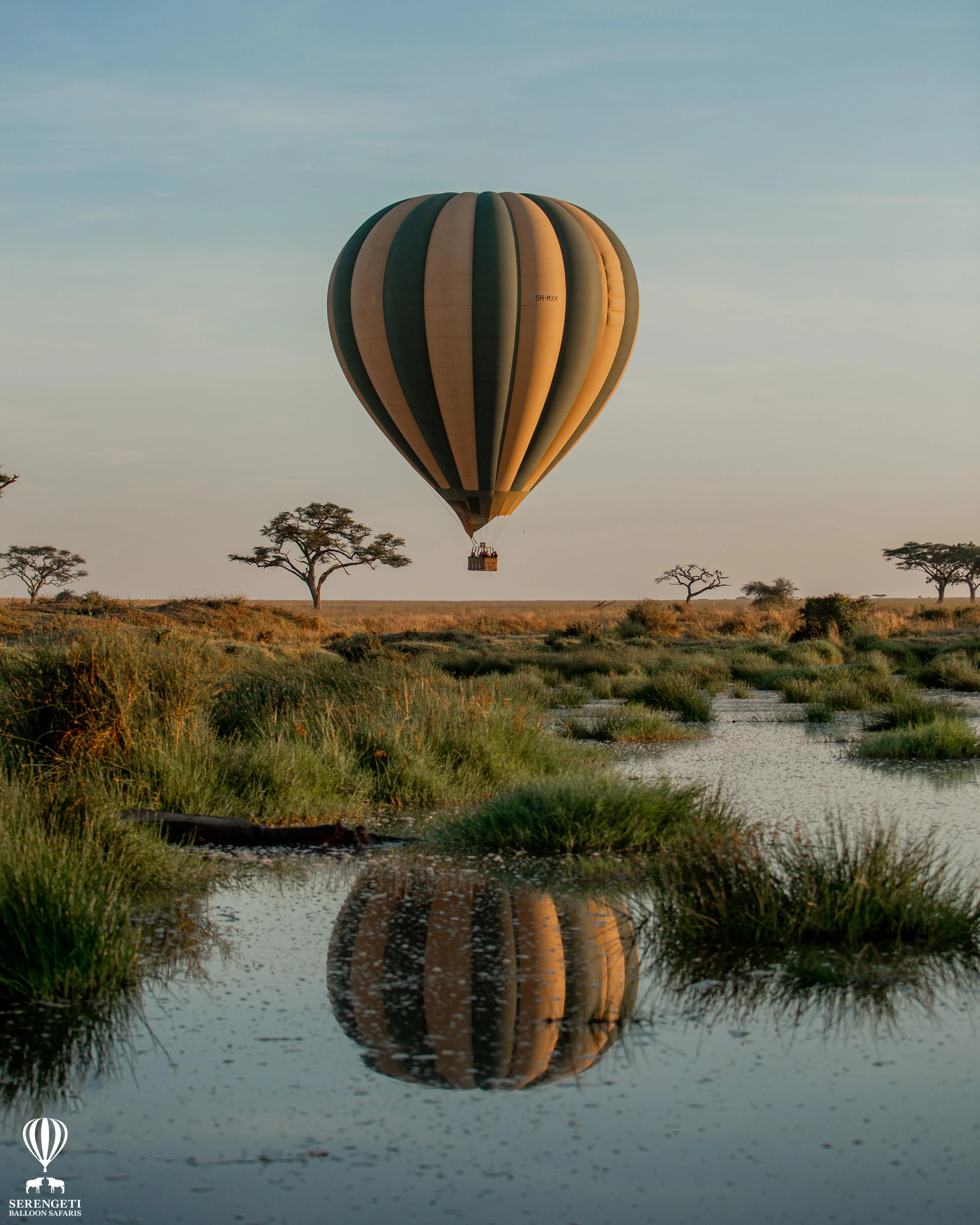
Peak balloon window over Mara River herds (north Serengeti/Mara), plus Tarangire and Ruaha. Book many months ahead.
Nyerere multi-day, Ruaha/Tarangire guided walks, Ngorongoro highlands and Laikipia conservancies—start early before heat/dust.
Rufiji (Nyerere), Kazinga Channel, Victoria Nile, Lake Ihema—hippos, crocs, elephants and waterbirds; low water tightens sightings.
Gorilla/chimp treks in Uganda/Rwanda at peak; book permits 6–12 months ahead. Trails drier but still steep; waterproof boots recommended.
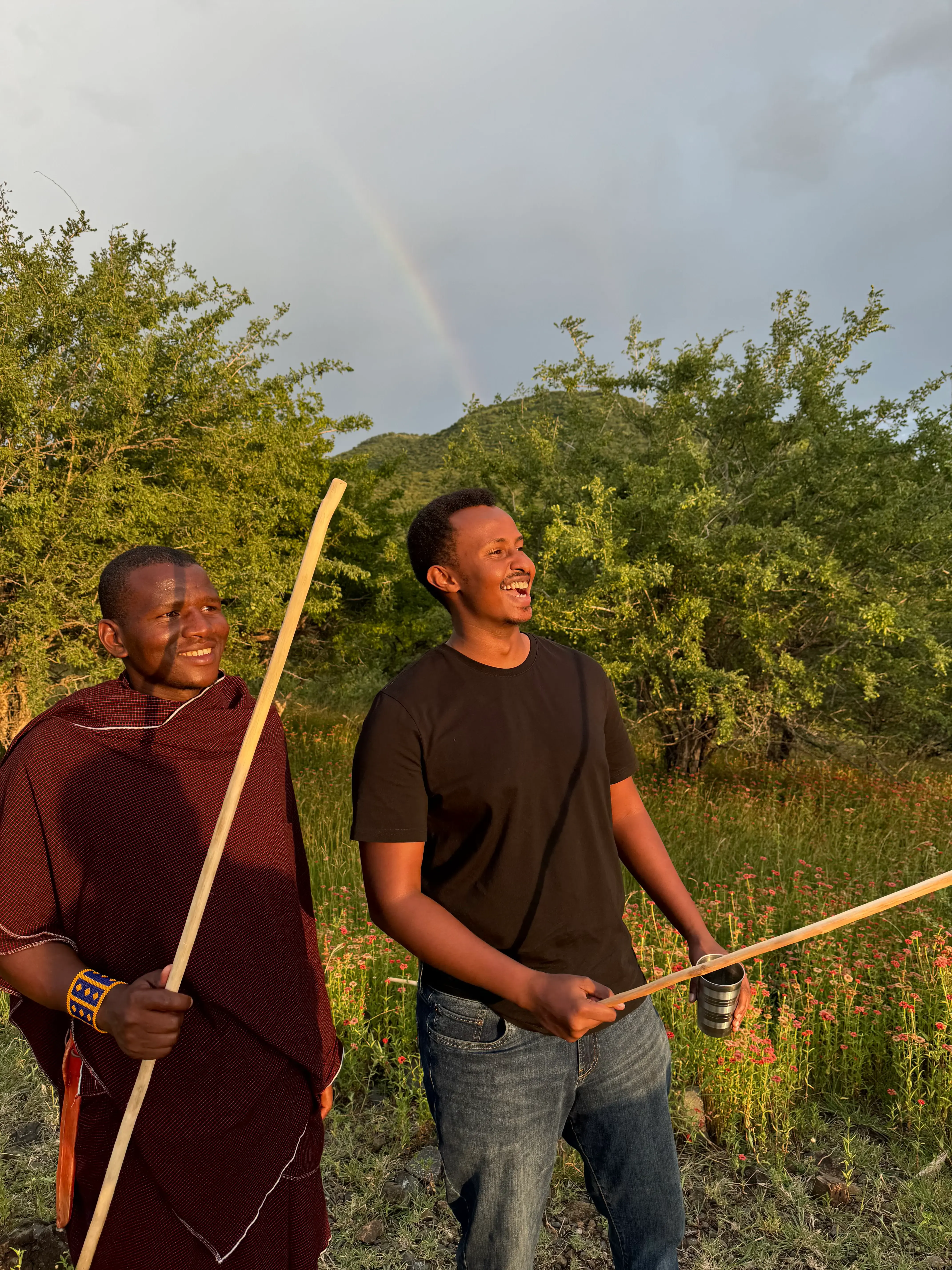
Maasai/Samburu visits, Hadzabe/Datoga at Eyasi; Kilimanjaro prime season; finish with dhow sails, spice tours and reefs on Zanzibar/Mnemba/Fanjove.
Weather & climate
Travel tips
August is peak: hold Mara River camps, balloons, private vehicles, crater rim, Kili routes and gorilla permits 12–18 months out when possible.
August is the peak month requiring 12–18 month advance bookings for Mara River camps. Northern Serengeti mobile camps (Singita, &Beyond, Asilia, Lemala) position guests at prime crossing points. Lamai Wedge permanent camps offer luxury with migration front-row seats. For crater access, rim lodges provide pre-dawn descents. Tarangire's riverfront camps host elephant mega-herds. Browse all accommodations.
Suggested itineraries
Est. $6,800+ pp mid–lux with mobile options.
Est. $8,500–12,000 pp luxe mix.
Est. $11,500+ pp incl. gorilla permits.
FAQs
It’s peak: Mara crossings, dense wildlife, perfect weather and clear Kili. Crowds and rates are highest—June or early Sept are lighter alternatives.
Mainly Northern Serengeti around the Mara River, with large portions also in the Masai Mara. Herds cross back and forth all month.
12–18 months is ideal for Mara River camps, balloons, private vehicles, crater rim, Kili routes and gorilla permits. Southern circuit may have shorter lead times.
Do both if possible: split Northern Serengeti (fewer vehicles) and Mara conservancies (off-road/night drives). If one, TZ offers value/fewer cars; Kenya offers access and conservancy perks.
Warm dawn layers, buff/eye drops for dust, telephoto glass, soft duffel, SPF 50+, DEET, hydration salts. For Kili: summit down, mitts, -20 °C bag.
Read our best time to visit Tanzania,best time to visit Serengeti, or Mara River crossing guide.
Explore all months,July,September, or Tanzania safaris.
Read our safari cost guide,packing list, or browse our journal.
Receive a free, no obligation quote from our safari experts.

We're here to help