7 Days
Tanzania Green Season
- Tarangire (2 days) for baobabs, elephants, birding
- Lake Manyara flamingos & forest light
- Ngorongoro crater day for rhino
- Central Serengeti for rut + predator action
Est. from $2,800 pp mid-range (green-season rates).
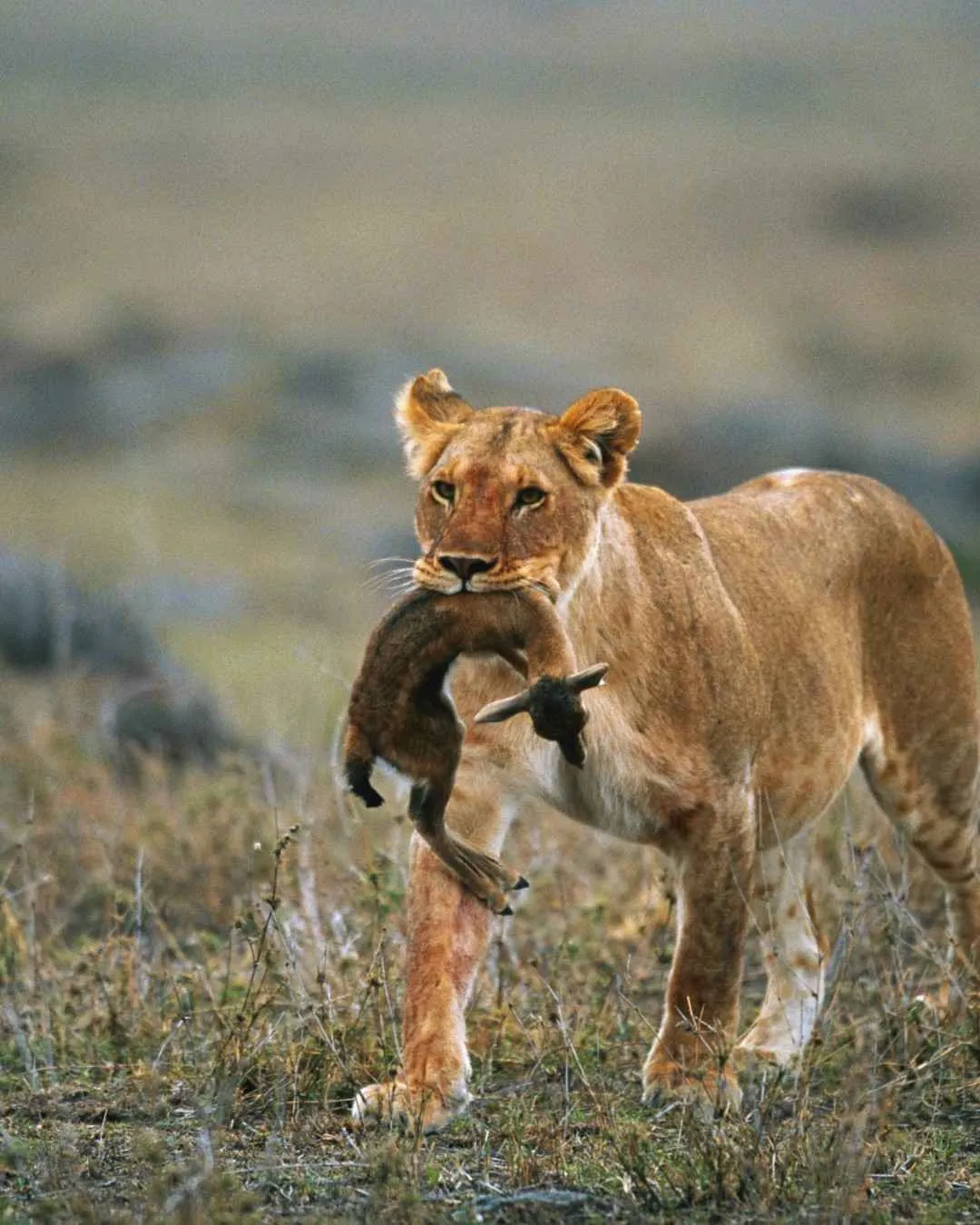
April is a challenging but rewarding month for Tanzania safaris, as the long rains bring sustained afternoon showers that transform the landscape into vivid emerald green. While some remote camps close and road transfers become difficult, the central Serengeti delivers exceptional rutting action, dramatic storm photography, and 40–50% lower rates with minimal crowds for adventurous travellers willing to embrace fly-in access.
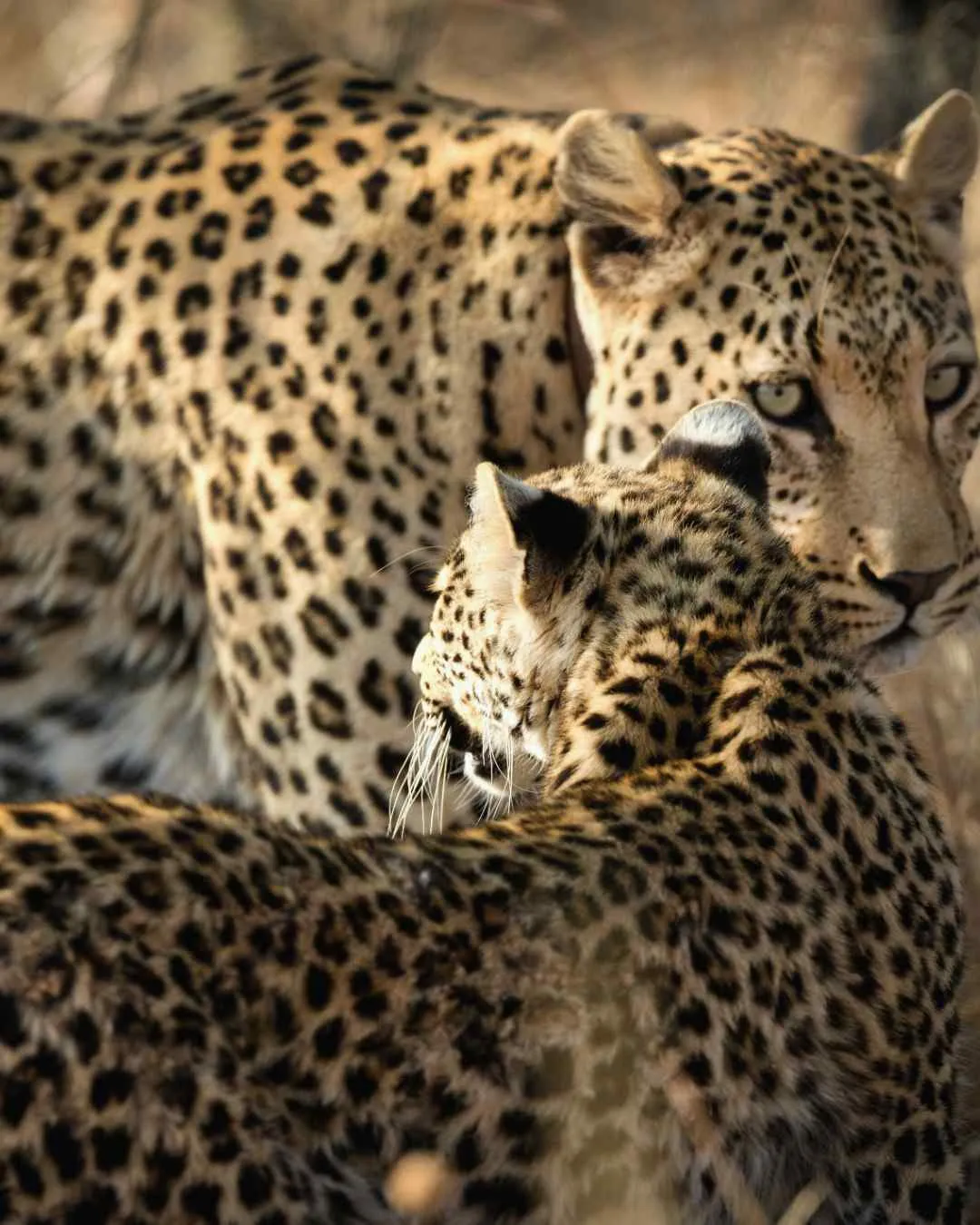
By April the migration herds drift toward Moru, Naabi and the central plains. The rut kicks off: wildebeest bulls crash horns, zebra stallions joust and predators prowl through knee-high grass while thunderheads paint cinematic skies.
The crater floor turns velvet-green, black rhino graze against wildflower slopes and Lake Magadi/Manyara glow pink with flamingos if water levels suit. Tarangire’s swamps brim with elephants, colobus monkeys and over 500 bird species.
Coastal Tanzania remains warm with occasional showers that perfume spice farms and Stone Town alleys. Early April still offers decent visibility for Mnemba snorkels or Mafia dives; later weeks lean relaxed with spa days and culinary tours.
April Safari Guide
April is Tanzania’s emerald peak: long-rain afternoons, clear safari mornings, rutting wildebeest columns stretching for kilometres, dramatic storm skies, and rates 30–50% softer than peak months. Black rhinos graze openly in Ngorongoro, birding is at its zenith, and vehicles thin out across the north.
Tanzania
Herds leave Ndutu, streaming through Naabi/Seronera toward Moru and the Western Corridor. Lines of wildebeest and zebra can stretch 40 km; bulls clash in rut, drawing predators.
April is prime for black rhino visibility on lush open grass; 25,000 mammals remain concentrated. Lions lounge after night rains, flamingos visit Lake Magadi, elephants and buffalo graze openly.
Verdant riverine scenes, 550+ bird species, baobabs under storm light; flamingos and tree-climbing lions possible at Manyara; excellent value and low crowds.
Dramatic green landscapes, strong river flows, elephants, lions, leopards, wild dogs, sable, kudu. Boat the Rufiji; expect few vehicles and big savings—roads may need 4x4 skill.
Peak flamingos when levels suit; groundwater forest with baboons/elephants. Pair with Hadzabe/Datoga cultural days around Eyasi and Karatu coffee stops.
Beyond Tanzania
Masai Mara remains rich with resident cats and newborn plains game; rates drop 30–50% and crowds evaporate. Amboseli offers swamp elephants and Kili views on clear mornings; Samburu blooms along the Ewaso with the Special Five; Tsavo turns emerald with red elephants.
Gorilla and chimp trekking continue through rain and mist—fewer trekkers and discounted lodges. Bwindi/Mgahinga are muddy but intimate; Kibale and Nyungwe teem with primates and birds. Murchison/Queen Elizabeth boat cruises excel; Akagera stays accessible with lush hills.
Wildlife & nature
Rutting bulls bellow and clash; predators shadow distracted males; migration lines march north; rhinos graze lush crater meadows. Storm-cleared air delivers crystalline visibility and dramatic skies.
Storm clouds, rain-washed clarity, rainbows, reflections on pans; softer light for portraits; protect gear with covers/dry bags.
Activities & experiences
Clear mornings, dramatic late afternoons; full-day drives to stay with moving herds. Kopje stakeouts for predators; flexible reroutes if tracks flood.
Ngorongoro highlands, Nyerere, Ruaha, Laikipia/Mara conservancies—cool temps, rich tracks, birds in breeding mode.
Weather-dependent; green plains and migration lines from above. Book early, stay flexible for weather holds.
Rufiji (Nyerere), Kazinga Channel (Queen Elizabeth), Victoria Nile (Murchison), Lake Ihema (Akagera): peak flows, hippos, crocs, waterbirds.
Gorilla/chimp treks run year-round; April is muddy but intimate with better permit availability and discounted lodges. Waterproofs and gaiters essential.
Hadzabe/Datoga visits near Eyasi, Maasai bomas, coffee tours; coastal add-ons for spice tours, rooftops, spa days, and soft-sea swims.
Weather & climate
Travel tips
Book 1–3 months ahead for most; 3–6 for mobiles/permits. Vehicles far fewer than peak; flexibility helps with weather.
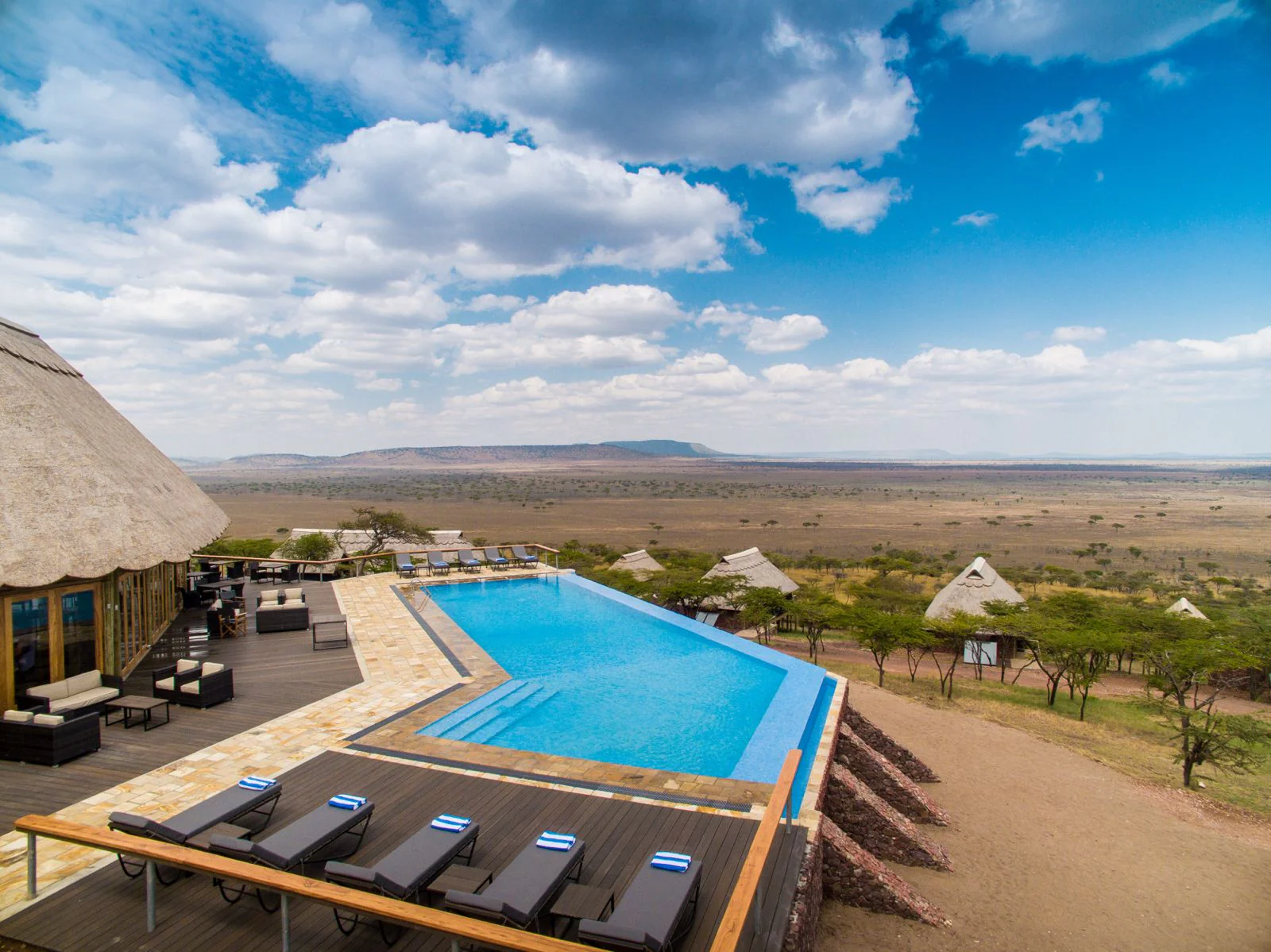
April requires careful lodge selection. Fly-in access is strongly recommended—road transfers become challenging after heavy rain. Central Serengeti camps with all-weather access (Seronera Valley lodges and permanent properties) are more reliable than remote mobile setups. The Ngorongoro rim lodges are excellent year-round. Some southern Tanzania camps are closed; always confirm with us before booking April itineraries that include remote parks. Browse all accommodations.
Suggested itineraries
Est. from $2,800 pp mid-range (green-season rates).
Est. from $6,200 pp incl. one $800 gorilla permit.
Est. from $4,800 pp incl. $1,500 gorilla permit.
FAQs
Yes—if you’re happy with afternoon storms. You get rutting herds, storm-lit drama, great birding, rhino visibility, fewer vehicles and major rate drops.
Moving north/west from Ndutu through Naabi/Seronera toward the Western Corridor. Expect long columns, rutting battles and predators shadowing them.
Northern circuit 150–280 mm/month. Pattern: clear mornings, 2–4 hour afternoon storms, evening clearing. Some days stay dry; others see heavier bursts.
Most of the northern circuit stays open with discounts. Some Western Tanzania camps close; southern circuits may have limited operations—check dates.
Yes—year-round. April is wet and muddy but quieter with better availability and discounted lodges. Success rates stay high; waterproof gear is essential.
Waterproof jacket/pants, quick-dry neutral layers, warm rim layer, waterproof boots, dry bags, camera rain covers, gaiters/gloves for gorilla treks, DEET repellent, sunscreen.
Read our best time to visit Tanzania,best time to visit Zanzibar, or safari cost guide.
Explore all months,March,May, or Zanzibar.
Read our packing list,planning guide, or browse our journal.
Receive a free, no obligation quote from our safari experts.

We're here to help