Dry-season safari landscape in Tanzania

Great Migration in September: Best Places to Visit

September is a superb late-dry season month for Tanzania safaris, offering peak wildlife viewing with slightly fewer crowds than July–August. The Great Migration continues dramatic Mara River crossings in the northern Serengeti while beginning its southward drift, Tarangire and Ruaha deliver exceptional predator action around scarce water sources, and Zanzibar enjoys perfect beach weather before the short rains arrive.

Great Migration herds in the Northern Serengeti, Tanzania
Migration Season

Serengeti National Park in September — Extended Migration Excellence

September maintains the northern Serengeti's status as migration headquarters, particularly during the first two to three weeks. The massive wildebeest and zebra herds remain concentrated in the Kogatende region and around the Mara River, creating continued opportunities for dramatic river crossings.

What

  • •Mara River crossings continuing through early-mid September
  • •Large wildebeest and zebra herds, Nile crocodiles

Why

  • •Reduced tourist pressure compared to July and August
  • •Some camps transition to shoulder-season rates mid-to-late month

When to book

  • •Early September: Book 6–8 months ahead for best camp selection
  • •Late September: 4–6 months often sufficient
Elephant herd in Tarangire National Park, Tanzania
Peak Season

Tarangire — Peak Elephant Viewing

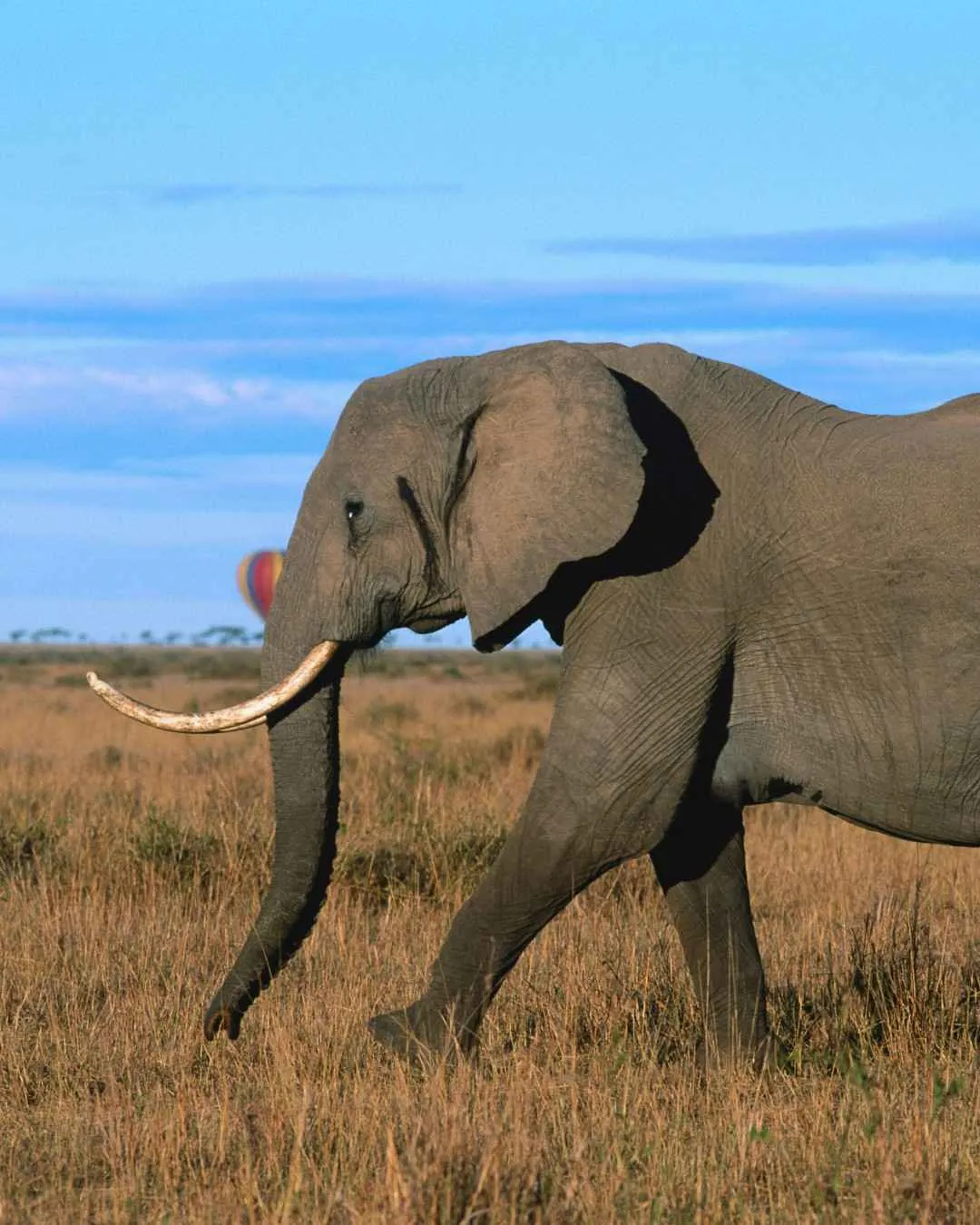
September represents peak dry season in Tarangire, creating arguably the park's best month for wildlife viewing. The permanent Tarangire River becomes the area's only reliable water source, concentrating wildlife in spectacular densities. Elephant herds numbering 300+ individuals dominate the landscape.

What

  • •Massive elephant herds (peak concentrations)
  • •Lions, leopards, cheetahs, buffalo, over 550 bird species

Why

  • •Baobab-studded landscape creates photogenic backdrops
  • •East Africa's premier elephant destination during this period

When to book

  • •Book 6–9 months ahead for premium camps
  • •Better availability than July/August
Wildlife and river scenery in Ruaha National Park, Tanzania
Remote Wilderness

Ruaha — Peak Dry Season Spectacle

September marks the absolute peak of Ruaha's dry season, creating extraordinary wildlife concentrations. The Great Ruaha River system provides the park's only permanent water, drawing massive congregations of animals. Predator viewing reaches annual highs with some lion prides numbering 20+ individuals.

What

  • •Large lion prides, leopards, African wild dogs
  • •Elephants (10,000+), massive buffalo herds

Why

  • •Far fewer visitors than northern Serengeti
  • •Authentic wilderness experience increasingly rare in Africa

When to book

  • •Reserve small camps 6–9 months out
  • •Use fly-ins to Ruaha for efficient routing

What September feels like

September delivers the best of both worlds for Tanzania safari enthusiasts: the Great Migration remains active in the northern Serengeti with continued Mara River crossings, while tourist numbers begin declining as peak season winds down. This unique combination creates exceptional value—you'll experience the same spectacular wildlife viewing as July and August but with fewer vehicles, better availability, and occasionally more competitive pricing as the month progresses. The dry season continues in full force, ensuring excellent game viewing conditions across all of Tanzania's parks.

Who should travel

  • Travelers seeking peak-season quality without peak-season crowds
  • Photographers who want excellent light and reduced congestion
  • Value-conscious travelers appreciating shoulder-season rates late month
  • Climbers continuing to target prime Kilimanjaro windows

Where to go

Wildlife & highlights

  • Mara River crossings continuing through early-mid September
  • Massive elephant herds in Tarangire (300+ individuals)
  • Peak predator viewing in Ruaha with large lion prides
  • Excellent birdlife with resident species active

Packing & gear checklist

  • Layered clothing for temperature variations (warm fleece/jacket for mornings)
  • Neutral safari colors (khaki, olive, brown, beige)
  • Sun protection: wide-brimmed hat, sunglasses, SPF 50+ sunscreen
  • Dust protection for cameras and electronics
  • Binoculars (8x32 or 10x42), camera with telephoto lens (300-600mm)

Logistics & booking tips

  • Early September: Book 6–8 months ahead for best camp selection
  • Late September: 4–6 months often sufficient; some last-minute availability possible
  • Some camps begin transitioning to shoulder-season rates in late September
  • Build a 1–2 day buffer for internal flight connections

Health & safety notes

  • Insect repellent (DEET 30-50%); fewer mosquitoes in dry season
  • Dust protection increasingly important in peak dry season
  • Malaria prophylaxis recommended for Serengeti/Tarangire/Ruaha/islands
  • Carry summit-rated kit if adding Kilimanjaro or Meru

Recommended lodge pairings

  • Northern Serengeti: Lamai, Sayari, Nomad Lamai or Legendary mobiles (crossings)
  • Tarangire: Tarangire Treetops, Chem Chem, Jabali Ridge (elephants + walks)
  • Ruaha: Jabali Ridge, Ruaha River Lodge (remote wilderness)
  • Zanzibar: Stone Town boutique + Mnemba/Pemba/Mafia hideaways

September Tanzania Safari

Late Migration & Uncrowded Excellence

September delivers the best of both worlds for Tanzania safari enthusiasts: the Great Migration remains active in the northern Serengeti with continued Mara River crossings, while tourist numbers begin declining as peak season winds down. This unique combination creates exceptional value—you'll experience the same spectacular wildlife viewing as July and August but with fewer vehicles, better availability, and occasionally more competitive pricing as the month progresses.

The dry season continues in full force, ensuring excellent game viewing conditions across all of Tanzania's parks. Wildlife remains concentrated around permanent water sources, vegetation stays short for optimal visibility, and weather conditions are near-perfect with warm days, cool nights, and virtually no rainfall. September represents perhaps the most underrated month for Tanzania safaris—offering peak-season quality without peak-season crowds.

As September progresses, the migration herds begin their gradual southward movement, though the exact timing varies annually based on rainfall patterns. Early September typically sees herds still concentrated in the northern Serengeti and Kenya's Masai Mara, while late September may find them starting the journey back toward Tanzania's central and western regions.

Country-specific highlights

Where to focus in September

Tanzania

Extended Migration Excellence

Serengeti National Park — Northern Serengeti

September maintains the northern Serengeti's status as migration headquarters, particularly during the first two to three weeks. The massive wildebeest and zebra herds remain concentrated in the Kogatende region and around the Mara River, creating continued opportunities for dramatic river crossings.

Mara River crossings continue throughout September, though frequency may gradually decrease as the month progresses and herds begin moving southward. The crossings that do occur maintain their spectacular drama: thousands of animals plunging into crocodile-infested waters, steep bank scrambles, predator ambushes, and the raw survival instincts that make these crossings so compelling.

Wildlife highlights: Mara River crossings (continuing through early-mid September), large wildebeest and zebra herds, Nile crocodiles, lions, leopards, cheetahs, spotted hyenas.
Best locations: Kogatende, Lamai Wedge, Bologonja Springs, Mara River crossing points.

Ngorongoro Crater

September marks the end of the dry season in Ngorongoro, with the crater floor maintaining short grass and excellent visibility. Wildlife concentrations remain superb with all Big Five reliably present. The crater's approximately 25,000 large animals stay resident year-round, unaffected by seasonal migrations.

Wildlife highlights: Black rhinos (best sighting opportunities in Tanzania), lions with dark manes, elephants, buffaloes, hippos, flamingos, crowned cranes.

Tarangire National Park

September represents peak dry season in Tarangire, creating arguably the park's best month for wildlife viewing. The permanent Tarangire River becomes the area's only reliable water source, concentrating wildlife in spectacular densities. Elephant herds numbering 300+ individuals dominate the landscape.

Wildlife highlights: Massive elephant herds (peak concentrations), lions, leopards, cheetahs, buffalo, zebra, wildebeest, over 550 bird species.

Ruaha National Park

September marks the absolute peak of Ruaha's dry season, creating extraordinary wildlife concentrations. The Great Ruaha River system provides the park's only permanent water, drawing massive congregations of animals. Predator viewing reaches annual highs. Ruaha hosts one of Africa's largest lion populations, with some prides numbering 20+ individuals.

Nyerere National Park (Selous)

The dry season continues in Nyerere with excellent wildlife concentrations along the Rufiji River system. Boat safaris become particularly rewarding as hippo pods occupy shrinking pools and crocodiles sun on exposed sandbanks. Game drives encounter concentrated wildlife, and walking safaris offer intimate bush experiences.
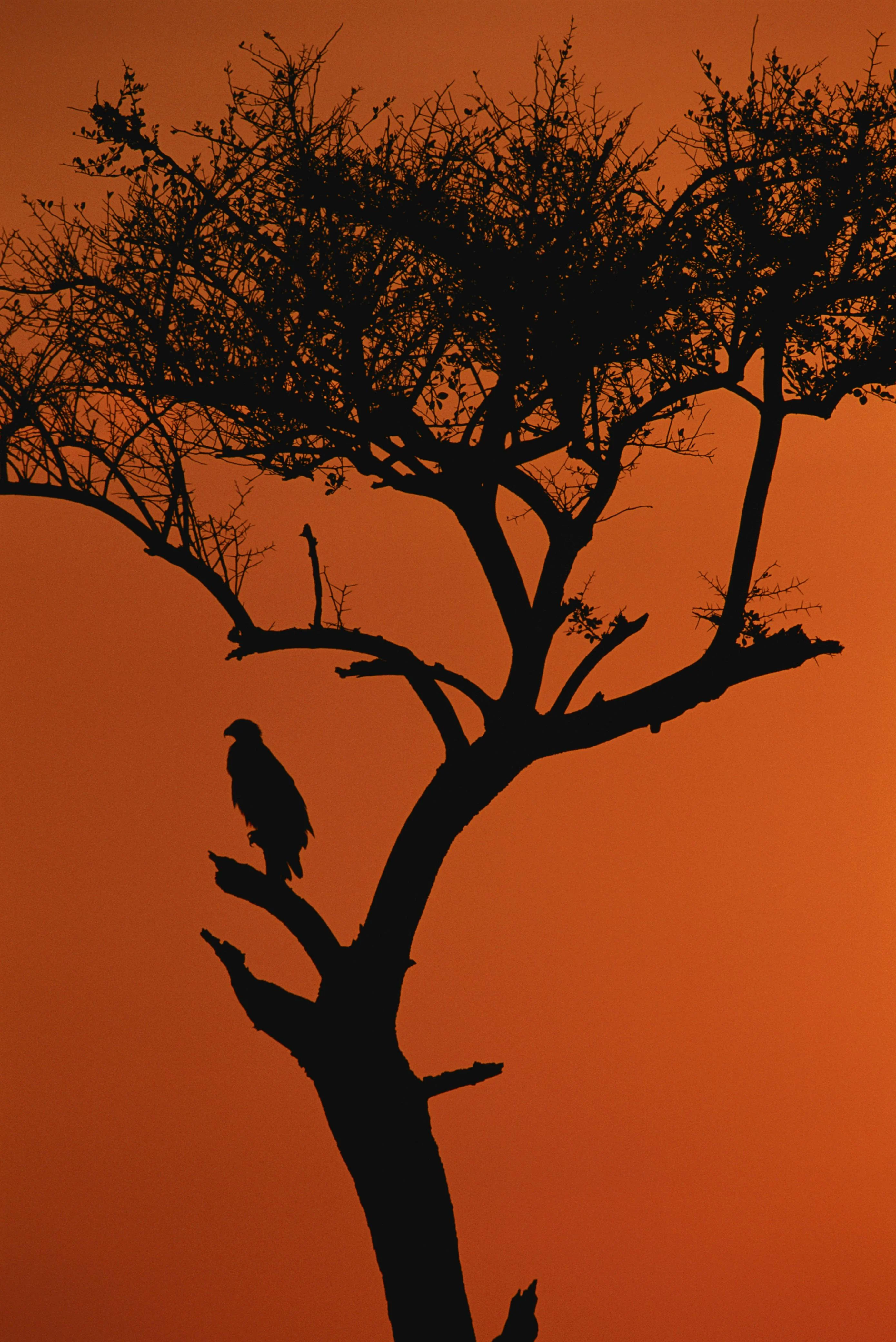
Kenya

Migration Still Present

Masai Mara National Reserve

Early September finds the Great Migration still occupying the Masai Mara's grasslands, particularly in the northern sectors. Massive herds graze across the Mara's open plains, creating spectacular viewing. However, as September progresses, herds begin their return journey toward Tanzania's Serengeti, with numbers gradually declining.

Wildlife highlights: Migration herds (early-mid September), Mara River crossings, resident big cats, elephants, hippos, crocodiles, diverse birdlife.

Amboseli National Park

September's continued dry season concentrates Amboseli's wildlife around permanent swamps beneath Mount Kilimanjaro. Elephant herds, including some of Kenya's largest tuskers, dominate the landscape. Lions, cheetahs, spotted hyenas, buffaloes, and abundant plains game create diverse encounters.

Samburu, Buffalo Springs & Shaba

Northern Kenya's arid region thrives in September as wildlife concentrates along the Ewaso Ng'iro River. The Samburu Special Five—Grevy's zebra, reticulated giraffe, Somali ostrich, gerenuk, Beisa oryx—appear with ease alongside elephants, lions, leopards, and over 450 bird species.

Uganda

Excellent Primate Trekking

Gorilla Trekking — Bwindi & Mgahinga

September falls within Uganda's shorter dry season (June-September), creating favorable gorilla trekking conditions. Trails are drier and less muddy than wet seasons, making hiking more comfortable. Mountain weather remains unpredictable, but September offers relatively reliable conditions.

Trekking conditions: Moderate temperatures (15-25°C / 59-77°F), reduced rainfall compared to wet seasons, relatively dry trails, good forest visibility.

Chimpanzee Tracking — Kibale Forest

Kibale offers exceptional September chimpanzee tracking with favorable dry conditions. Success rates remain high (90%+), and the forest's 13 primate species create diverse encounters. September's weather makes forest walks particularly pleasant.

Queen Elizabeth National Park

September provides excellent game viewing in Queen Elizabeth with concentrated wildlife around permanent water sources. The Kazinga Channel boat cruise showcases exceptional hippo concentrations, elephants drinking at water's edge, buffaloes, and abundant waterbirds.

Rwanda

Peak Trekking Season

Gorilla Trekking — Volcanoes National Park

September offers excellent gorilla trekking conditions in Volcanoes National Park, falling within Rwanda's longer dry season. Trails are drier, hiking conditions are favorable, and mountain views are clearer (when weather cooperates). Rwanda's gorilla permits cost $1,500 per person and require advance booking.

Nyungwe Forest National Park

Nyungwe's ancient montane rainforest offers September chimpanzee tracking, canopy walks, and exceptional birding in favorable conditions. The forest receives less rain than wet seasons, improving trail conditions. The 125-meter canopy walkway suspended 70 meters above the forest floor provides unique perspectives.

Wildlife & nature highlights

Why September feels electric

September's migration presence in northern Serengeti creates continued opportunities for witnessing one of nature's greatest spectacles. While the exact timing of the herds' southward movement varies annually, early-to-mid September typically maintains strong migration presence with active river crossings.

The crossing dynamics remain spectacular: massive herds gathering on riverbanks, the tense waiting period as animals approach the water, the sudden explosive movement as thousands plunge in simultaneously, crocodile strikes, the desperate struggles against current and steep banks, and predators waiting on both sides.

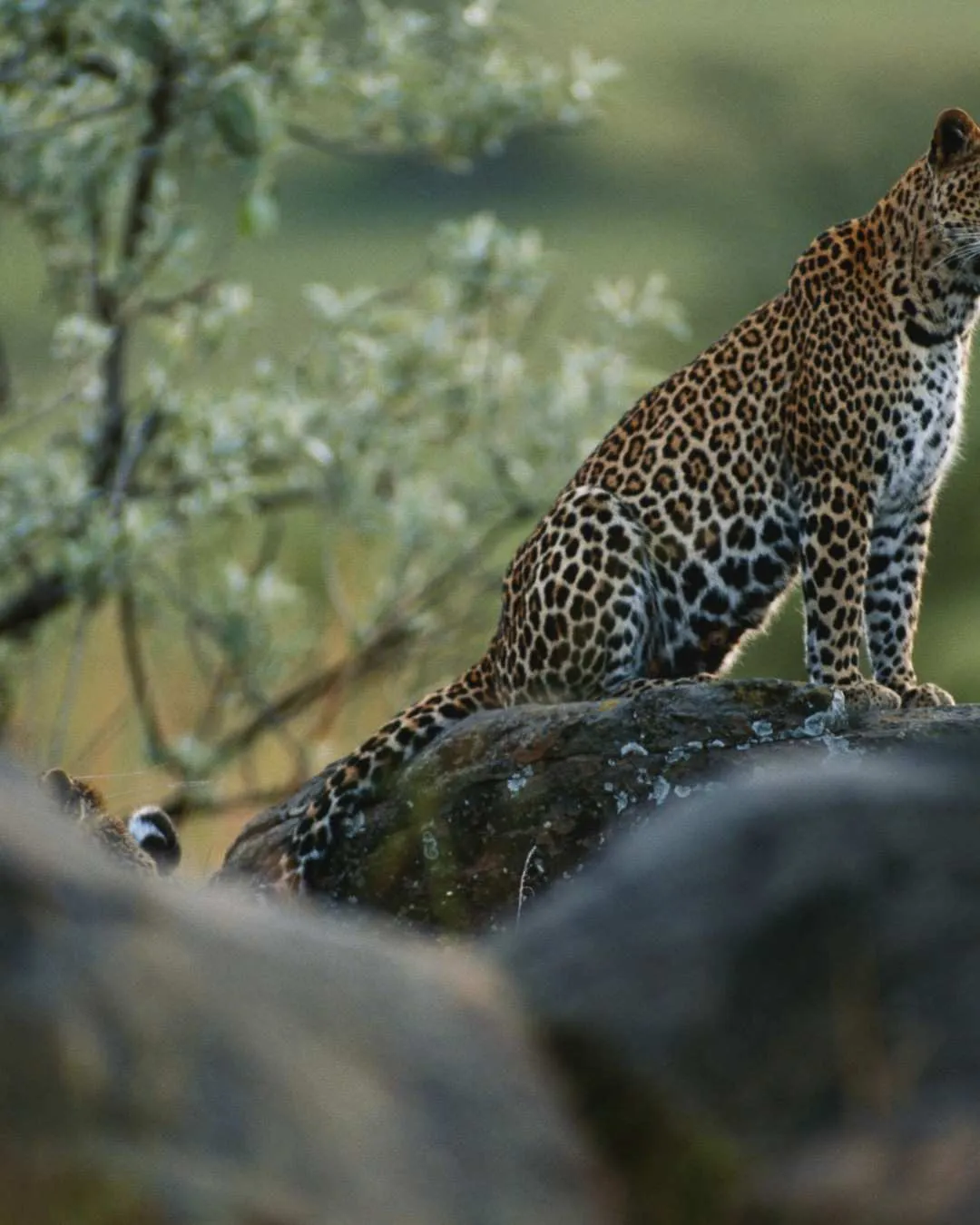
September's concentrated prey around permanent water sources creates intense predator activity across Tanzania's parks. Lions stake territories near water sources where prey must drink daily. Leopards increase visibility as they hunt along rivers and rest in trees during heat. Cheetahs hunt gazelles and smaller prey across open plains.

Predator action — peak drama

  • Lions: Prides stake territories near water sources where prey must drink daily
  • Leopards: Increased visibility as they hunt along rivers and rest in trees during heat
  • Cheetahs: Hunt gazelles and smaller prey across open plains
  • African wild dogs: Pack hunting becomes more visible in parks like Ruaha
  • Spotted hyenas: Clans follow herds and compete with other predators

Elephant spectacles

September represents peak elephant viewing in Tarangire with massive congregations. Watching 200-300 elephants gathered at the river creates powerful moments. Family groups display complex social behaviors: playful calves, protective mothers, matriarchs leading family units, and bulls establishing dominance hierarchies.

Dry season landscapes

September's peak dry season creates golden savannah landscapes with short vegetation, improving wildlife visibility. Dust clouds kicked up by herds add atmospheric quality to photographs. The contrast between dry golden plains and the blue sky creates stunning visual impact.

Activities & experiences

What to do in September

Game drives — optimal conditions

September game drives offer near-perfect conditions: comfortable temperatures, no rainfall, excellent visibility, and peak wildlife concentrations. Northern Serengeti drives focus on migration viewing and potential crossings. Other parks offer concentrated wildlife around water sources.

Walking safaris

September's dry conditions make walking safaris particularly enjoyable. Comfortable temperatures, dry trails, and good visibility enhance the experience. Walking transforms safari from vehicle-based wildlife spotting to intimate ecological exploration.

Hot air balloon safaris

September offers excellent balloon conditions with stable weather and minimal wind. Floating silently over the Serengeti at sunrise, watching wildlife awaken below, creates magical experiences. Flights last approximately one hour and conclude with champagne bush breakfasts.

Cultural experiences

Maasai village visits provide cultural insights near Ngorongoro and Serengeti. Visit Tanzania's hunter-gatherers near Lake Eyasi, explore human evolution at Olduvai Gorge, or experience authentic Tanzanian daily life in towns near parks.

Photography safaris

September's excellent light, peak wildlife concentrations, and reduced tourist numbers (compared to July-August) create ideal photography conditions. Consider private vehicles for flexible positioning, early morning/late afternoon drives for optimal golden-hour light, and telephoto lenses (400-600mm ideal for wildlife).

Kilimanjaro climbing

September offers excellent Kilimanjaro climbing conditions, though slightly cooler than earlier dry season months. All routes remain busy but see decreasing traffic as peak season (July-August) ends. Weather remains stable and clear, ideal for summit attempts.

Weather & climate

How September feels across regions

Serengeti & Ngorongoro

  • Daytime temperatures: 22-28°C (72-82°F) on plains; can reach 30°C (86°F)
  • Nighttime temperatures: 10-15°C (50-59°F); Ngorongoro rim colder (5-10°C / 41-50°F)
  • Rainfall: Minimal to none; peak dry season
  • Conditions: Clear, sunny days; dry, dusty; excellent visibility; occasional clouds

Tarangire & Lake Manyara

  • Daytime temperatures: 22-28°C (72-82°F)
  • Nighttime temperatures: 10-15°C (50-59°F)
  • Rainfall: None; peak dry season
  • Conditions: Hot, dry, dusty; excellent game viewing

Southern Tanzania (Ruaha, Nyerere)

  • Daytime temperatures: 26-32°C (79-90°F); can feel hot
  • Nighttime temperatures: 14-20°C (57-68°F)
  • Rainfall: None; peak dry season
  • Conditions: Hot, dry, dusty; excellent game viewing; low water levels

Coastal Regions (Zanzibar)

  • Temperatures: 25-30°C (77-86°F); moderate humidity
  • Rainfall: Minimal; dry season continues
  • Sea conditions: Calm, excellent for diving and snorkeling
  • Tides: Significant tidal variations on east coast

Travel tips

How to plan September right

Best parks to prioritize

  1. Northern Serengeti (Kogatende) — Migration still present early-mid month
  2. Tarangire National Park — Peak elephant concentrations
  3. Ruaha National Park — Peak dry season, massive wildlife concentrations
  4. Ngorongoro Crater — Reliable Big Five, excellent conditions
  5. Nyerere or Katavi — Remote, uncrowded, spectacular dry season viewing

Ideal safari circuits

  • Classic Northern: Arusha → Tarangire (2 nights) → Northern Serengeti (3-4 nights) → Ngorongoro (1-2 nights)
  • Value-focused Northern: Same route as above but booked in late September when some camps transition to shoulder rates
  • Southern Circuit: Ruaha (3-4 nights) → Nyerere (3 nights)
  • Multi-country: Northern Serengeti → Masai Mara → Amboseli

Crowd levels & booking

September sees decreasing crowds compared to July-August, particularly as the month progresses. Early September remains busy, especially northern Serengeti. Late September feels noticeably quieter. Some camps begin transitioning to shoulder-season rates in late September, offering exceptional value for unchanged wildlife quality.

Where to Stay in September

September offers excellent value with shoulder-season rates appearing at select camps in late month. Northern Serengeti camps (Singita, &Beyond, Asilia, Lemala) remain prime for any remaining migration action. Tarangire's riverfront lodges host peak elephant congregations. Ruaha and Nyerere camps deliver remote wilderness without the premium pricing of July–August. Book 6–9 months ahead for northern Serengeti, 3–6 months for southern parks. Browse all accommodations.

Packing essentials

  • Layered clothing for temperature variations
  • Warm fleece/jacket for mornings (essential for Ngorongoro)
  • Neutral safari colors (khaki, olive, brown, beige)
  • Sun protection: wide-brimmed hat, sunglasses, SPF 50+ sunscreen
  • Dust protection for cameras and electronics
  • Binoculars (8x32 or 10x42), camera with telephoto lens (300-600mm)

Photography tips

  • September's golden light creates warm tones perfect for wildlife photography
  • Dust adds atmospheric quality but requires lens protection
  • Shoot early morning and late afternoon for best light
  • Fast shutter speeds (1/1000s+) for wildlife action
  • Bring lens cleaning kit for dust

Budget considerations

September pricing varies: Early September (first 2 weeks) maintains high-season rates. Late September (final 1-2 weeks) sees some camps transition to shoulder rates (potential savings of 10-20% at select properties). Better value than July-August for equivalent wildlife viewing.

Suggested itineraries

Plan September day-by-day

10 Days / 9 Nights

September Tanzania Safari — Migration & Elephants

Focus on Northern Serengeti migration, Tarangire elephants, Ngorongoro Crater.

Day 1Arrive Kilimanjaro Airport, transfer to Arusha
Day 2Fly or drive to Tarangire, afternoon game drive
Day 3Full day Tarangire — peak elephant season
Days 4-7Four full days northern Serengeti — migration viewing, crossing opportunities
Day 8Drive to Ngorongoro Crater rim
Day 9Full-day Ngorongoro Crater descent
Day 10Return to Arusha, depart or extend to Zanzibar

Estimated cost:

USD 3,200-5,000 pp (mid-range), USD 6,500-9,500 (luxury)

9 Days / 8 Nights

Southern Tanzania Wilderness Safari

Ruaha and Nyerere in peak dry season — remote, uncrowded.

Day 1Arrive Dar es Salaam, overnight
Day 2Fly to Ruaha, afternoon game drive
Days 3-5Three full days Ruaha — predator viewing, elephant herds, walking safaris
Day 6Fly to Nyerere, afternoon game drive or boat safari
Days 7-8Two full days Nyerere — boat safaris, game drives, walking options
Day 9Fly to Dar es Salaam or Zanzibar for beach extension

Estimated cost:

USD 3,800-5,500 pp (includes domestic flights)

6 Days / 5 Nights

Quick September Migration Safari

Maximum northern Serengeti time, fly-in for efficiency.

Day 1Arrive Arusha, overnight
Day 2Fly to northern Serengeti, afternoon migration viewing
Days 3-4Two full days northern Serengeti — crossing focus, predator action
Day 5Morning game drive, fly to Arusha, afternoon transfer to Ngorongoro
Day 6Crater descent, return to Arusha

Estimated cost:

USD 3,500-5,500 pp including domestic flights

FAQs

September safari questions

Is September a good time for Tanzania safari?+

Yes, September is excellent for Tanzania safari and often underrated compared to July-August. The Great Migration remains active in northern Serengeti through early-to-mid September with continued Mara River crossings. Wildlife viewing across all parks remains at peak dry-season quality with concentrated animals around water sources. The key advantage: fewer tourists than July-August (especially late September) while maintaining equivalent wildlife viewing. Some camps offer shoulder-season rates in late September, providing exceptional value.

Can I still see the Great Migration in September?+

Yes, absolutely. Early-to-mid September typically maintains strong migration presence in northern Serengeti with active river crossings. The exact timing of the herds' southward movement varies annually based on rainfall, but September consistently offers excellent migration viewing. Late September may see herds beginning their journey toward central/western Serengeti, but substantial numbers typically remain in the north. Book camps in the Kogatende area for best positioning.

What's the weather like in Tanzania in September?+

September weather in Tanzania is excellent: warm, dry, and comfortable. Expect daytime temperatures of 22-28°C (72-82°F) in Serengeti and Tarangire, with cool nights around 10-15°C (50-59°F). Ngorongoro Crater rim is significantly colder (5-10°C / 41-50°F mornings). Rainfall is virtually nonexistent—peak dry season. Skies are clear and sunny. UV exposure is high. Overall, September offers ideal safari conditions with perfect weather for game drives and outdoor activities.

Is September crowded for Tanzania safari?+

September is moderately busy, significantly less crowded than July-August. Early September still sees good tourist numbers, particularly in northern Serengeti. However, as the month progresses, crowds noticeably decrease. Late September offers some of the best value: peak-quality wildlife viewing with fewer vehicles and occasionally reduced rates. Ngorongoro Crater, Tarangire, and southern parks like Ruaha remain relatively uncrowded throughout September.

Should I visit Tanzania or Kenya in September?+

Tanzania is generally better in September, particularly early-mid month. The northern Serengeti maintains strong migration presence with less vehicle congestion than Kenya's Masai Mara. Tanzania also offers greater park diversity beyond migration viewing—Ngorongoro, Tarangire, Ruaha, Nyerere. However, Kenya's Mara remains excellent if you're specifically targeting late migration (though herds begin moving south as September progresses). Best value: Tanzania in late September when crowds decrease but wildlife stays excellent.

How much does a September Tanzania safari cost?+

September pricing varies by timing. Early September maintains high-season rates: approximately $600-900 per person per day for mid-range safaris, $1,200-2,000+ for luxury. Late September often sees camps transitioning to shoulder rates (10-20% savings at select properties). A 7-10 day northern Tanzania safari costs approximately $3,500-6,000 per person (mid-range), $7,000-12,000 (luxury). Fly-in safaris add $300-500 per flight sector. September often offers better value than July-August for equivalent wildlife quality.