Popular
From$2,250
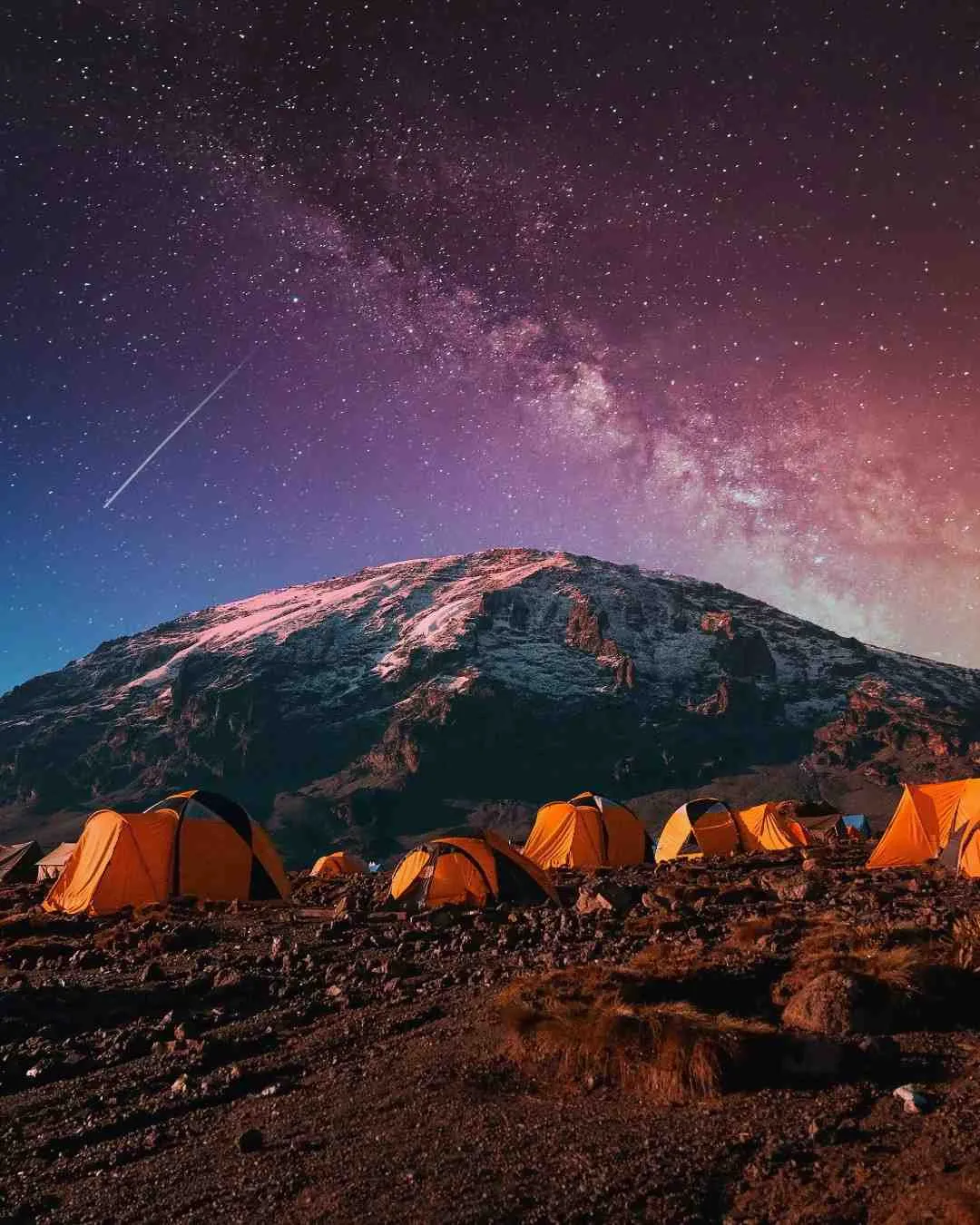
Kilimanjaro Lemosho Route Trek
Shira PlateauBarranco WallUhuru summit
Scenic western traverse with excellent acclimatisation and quiet camps for photographers and first-time climbers alike.
6-8 days|Camping
View Details
Adventure · Mountaineering
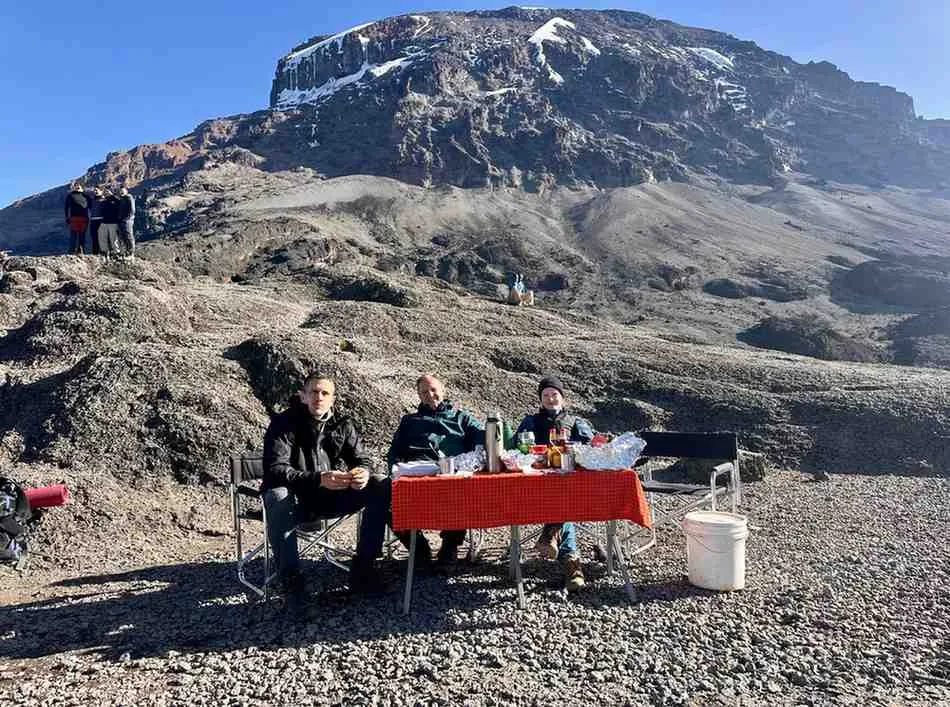
Africa's highest peak at 5,895 metres. No technical gear required — just the right route, the right guide, and the right mindset.
Kilimanjaro climbs
Every climb is a full itinerary under /tours.
Refine Results
Showing 6 of 6 trips
These are sample itineraries. All our trips are tailor‑made and fully customizable. We’ll adjust every detail to suit your wishes, interests, and travel style.
Scenic western traverse with excellent acclimatisation and quiet camps for photographers and first-time climbers alike.
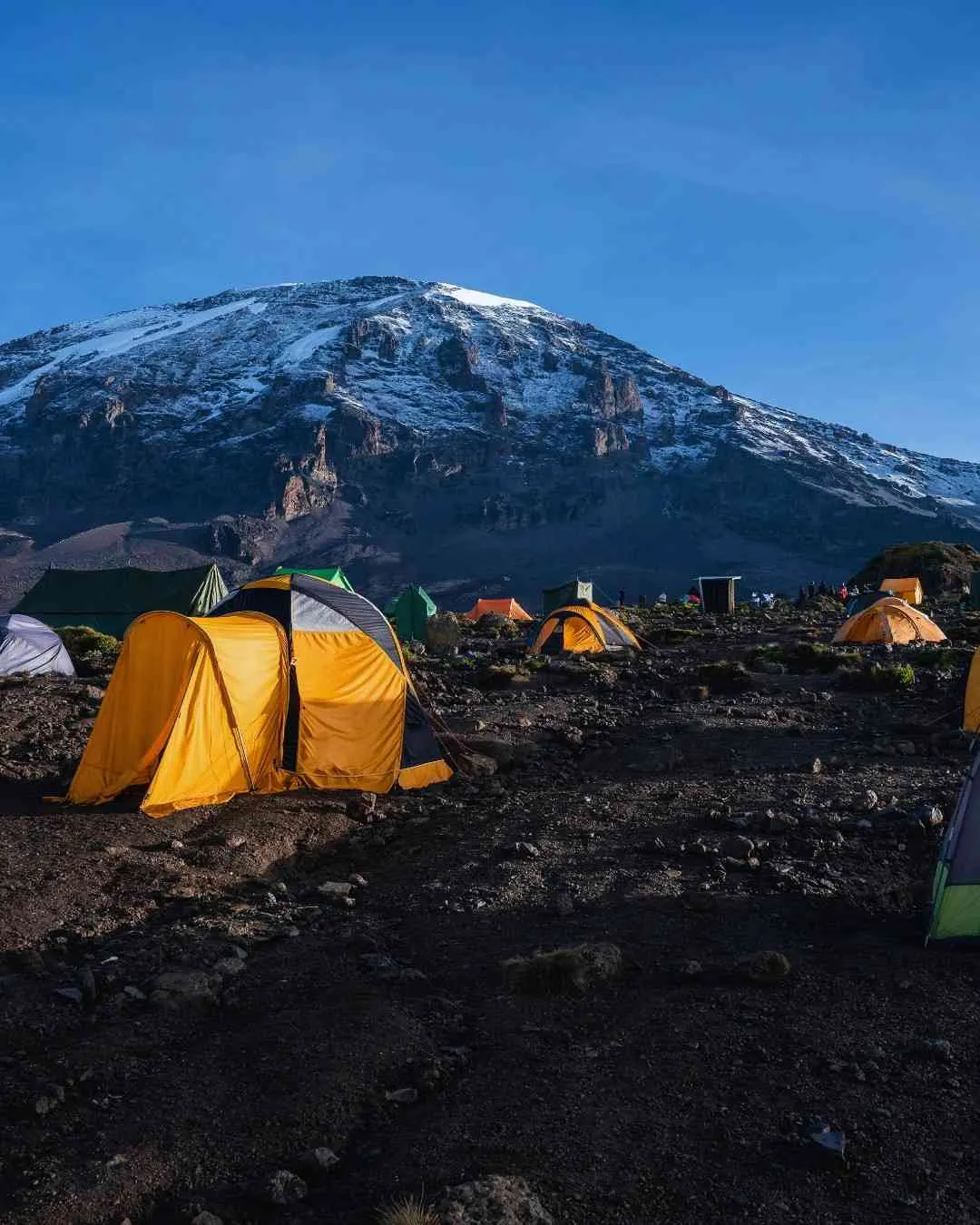
The beloved “Whiskey Route” showcasing Kilimanjaro’s varied zones with strong acclimatisation when stretched to 7 days.
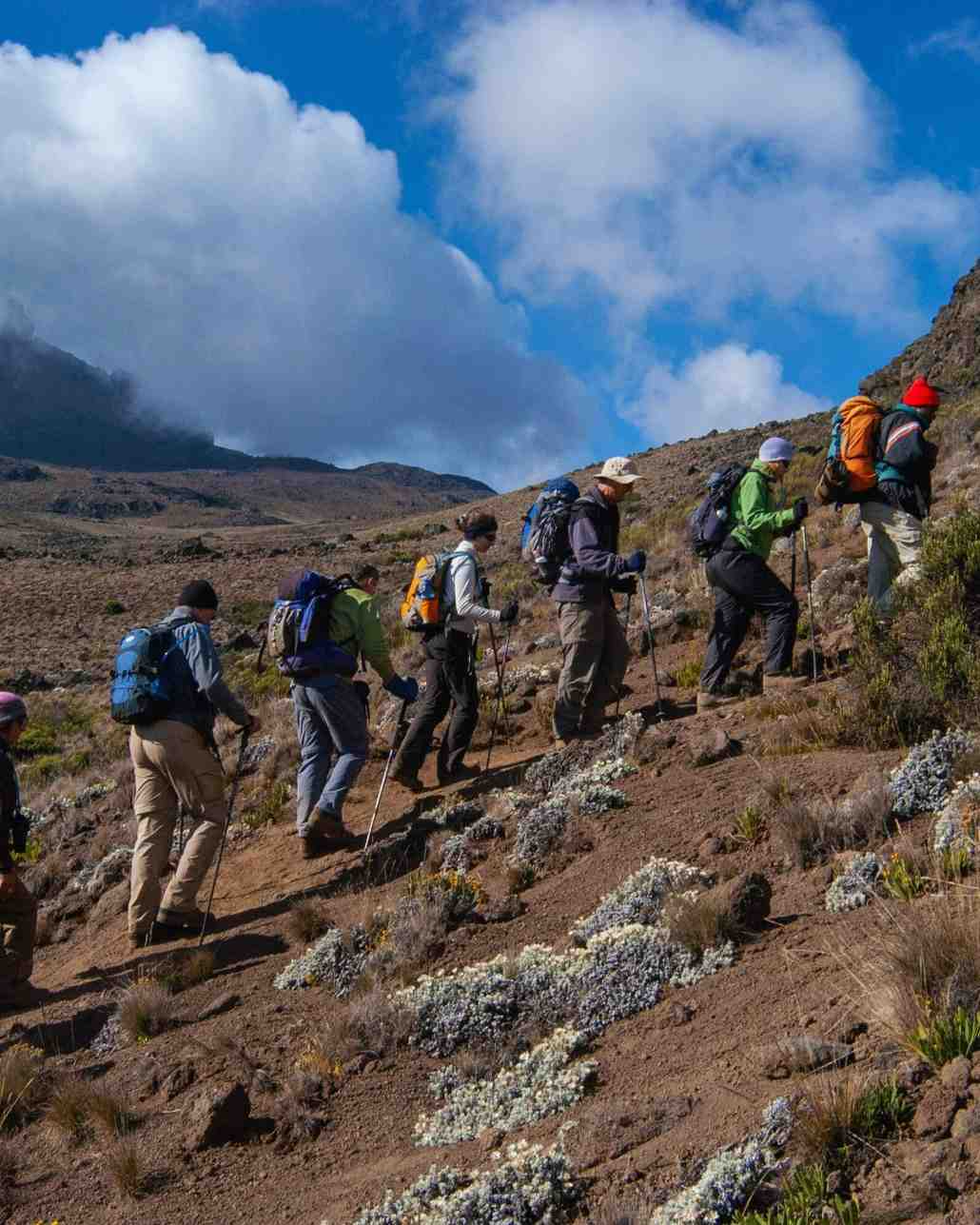
The original hut route up Kilimanjaro, ideal for travellers preferring dormitory accommodation and a direct line to Kibo.
Kilimanjaro’s longest route with unmatched acclimatisation and quiet northern camps.
Remote northern ascent with fewer trekkers and calm mornings — perfect for steady walkers.
Kilimanjaro’s steepest southern ascent, rising quickly from rainforest to alpine terrain. Best for experienced trekkers.
Guide overview
Use these jump links to review routes, acclimatization tips, packing advice, or itinerary options without losing your place.
At a glance
Elevation
Uhuru Peak: 5,895 m (19,341 ft), world’s tallest free‑standing mountain
Climate zones
Rainforest → heath/moorland → alpine desert → arctic summit
Best seasons
Jan–early Mar & Jun–Oct are driest; Dec good but busier
Routes
7 official routes spanning 5–9 days; success tied to duration
Success rates
60–70% on 5–6 day routes; 85–95% on 8–9 day routes
Technical level
Non‑technical trekking; no ropes or crampons required
About the mountain
The highest peak in Africa, accessible to trekkers without technical climbing skills.
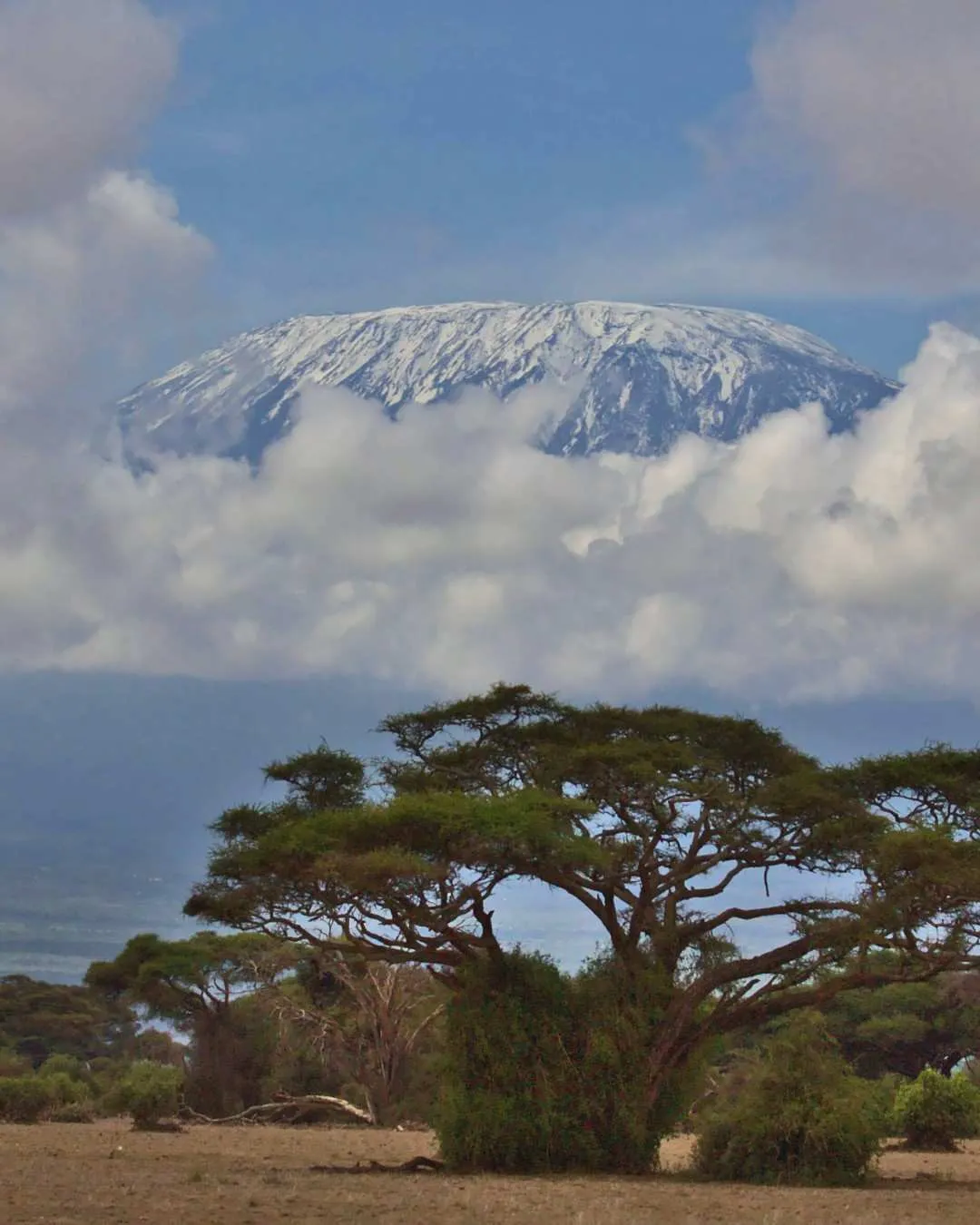
Mount Kilimanjaro is a dormant stratovolcano located in northeastern Tanzania, near the Kenyan border. It comprises three distinct volcanic cones: Kibo, the highest at 5,895 metres (19,341 feet); Mawenzi at 5,149 metres; and Shira at 3,962 metres. Kibo's summit, Uhuru Peak, represents the highest point in Africa and the highest free-standing mountain in the world. The last major eruption occurred approximately 360,000 years ago, with the most recent activity recorded just over 200 years ago.
Unlike other high-altitude peaks, Kilimanjaro requires no technical mountaineering skills, ropes, or ice climbing equipment. The challenge is entirely altitude and endurance-based, making it accessible to determined trekkers from diverse backgrounds. The mountain's location near the equator means relatively accessible year-round climbing conditions, while the dramatic ecological zones—from rainforest to arctic summit—create a visually stunning and constantly changing environment throughout the ascent.
Physically, yes—with proper preparation and realistic route selection. Success depends less on being an elite athlete and more on respecting altitude physiology. The critical factor is choosing an itinerary with adequate time for acclimatisation. Routes of 8-9 days achieve summit success rates of 85-95%, while compressed 5-6 day attempts drop below 65%. The right route, proper gear, and experienced guides who understand altitude illness recognition make this achievable for most people willing to train and prepare properly.
Ready to explore routes? See our Lemosho Route or Machame Route pages for detailed itineraries.
Why climb now
Watch sunrise over a sea of clouds at 5,895 m knowing you earned every step. Kilimanjaro is achievable without technical gear when you respect altitude and pace.
Lush rainforest, heather and moorland, stark alpine desert, and an arctic summit in a single journey. The mountain’s diversity keeps every day visually new.
Longer routes with “climb high, sleep low” profiles deliver 85–95% summit rates. Compressed routes drop success to 60–75%. Time on the mountain is the secret weapon.
Licensed guides pace the climb, monitor altitude illness, and carry safety comms. Ethical crews mean fair porter loads, proper equipment, and responsible operations.
Route options
7 official routes — choose based on acclimatisation, scenery, and time available.
The Classic Hut Route
The Classic Scenic Route
The Western Scenic Approach
The Quiet Northern Approach
The Shortest, Steepest Southern Line
The Longest, Best-Acclimatization Traverse
Essential knowledge
Decision guide
The route you choose is the single biggest factor in your summit success after the duration you choose. Here is how to match each route to your goals, experience, and priorities.
Our top recommendation for most climbers — 8 days
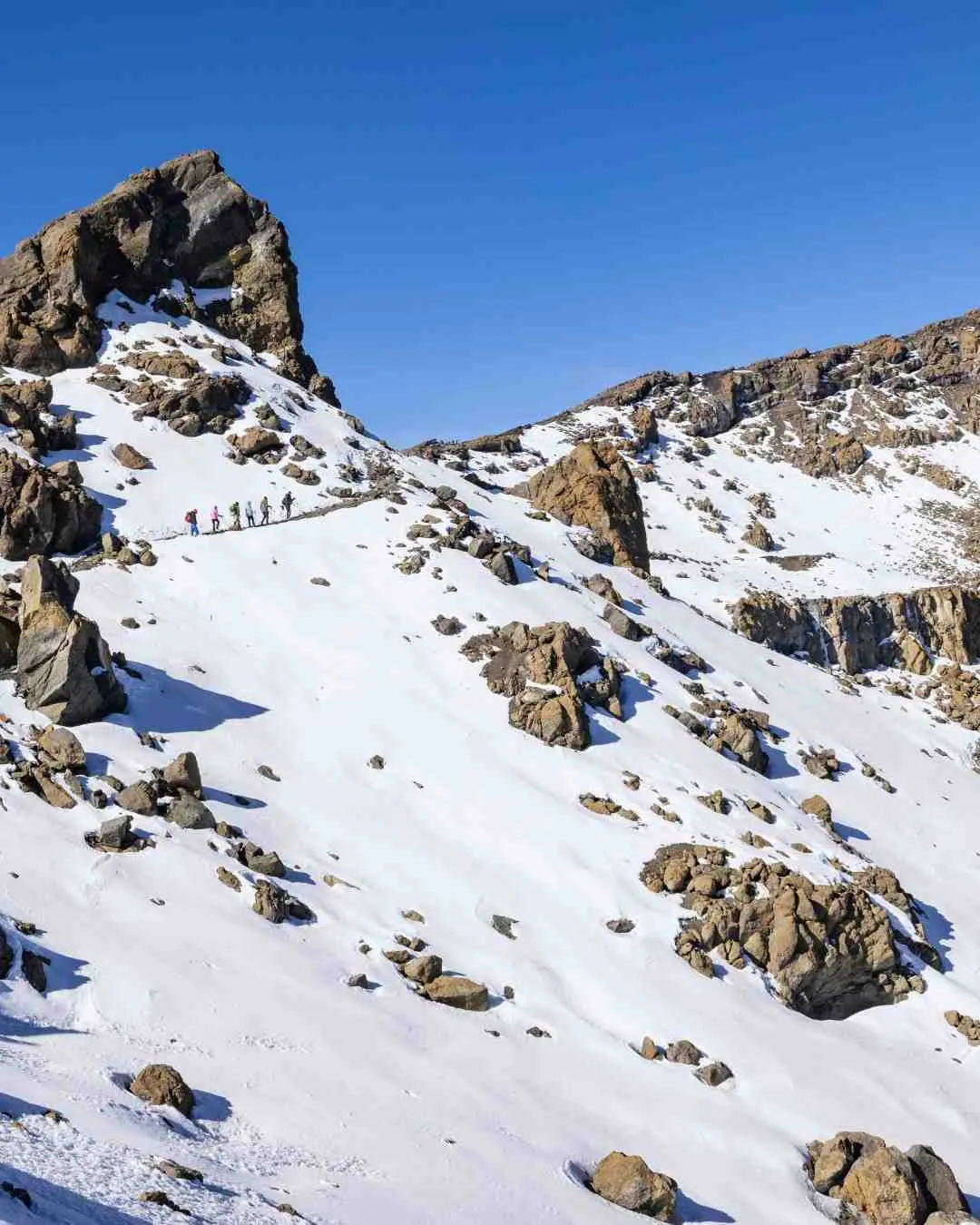
The western approach begins in dense montane forest on the quiet Lemosho Glades, crosses the wide Shira Plateau (already at 3,800m) with sweeping views of Kibo, and joins the Machame Route at Lava Tower for the classic Barranco Wall approach. The 8-day schedule provides the best acclimatisation of any route other than the Northern Circuit, with an 85–90% summit success rate. Quieter than Machame in the early stages, it suits first-time altitude trekkers, photographers, and anyone who wants the best combination of scenery and success probability.
The most popular route for a reason — 7 days
Known as the 'Whiskey Route' for its intoxicating views, Machame traverses Kilimanjaro's spectacular southern face — rainforest, heath, the Lava Tower acclimatisation ascent, Barranco Wall, and the final Barafu ridge to the summit. Seven days gives strong acclimatisation (75–85% success) and the route descends via Mweka, avoiding the monotony of retracing your steps. The busiest route on the mountain — expect other groups at camp — but the scenery and profile make it the best route for most fit, experienced hikers attempting the mountain for the first time.
Best acclimatisation, greatest solitude — 9 days
The longest route on Kilimanjaro circumnavigates the entire northern side of Kibo before making the summit push — passing through landscapes almost no other climbers visit. The extended exposure to altitude across 9 days produces the highest summit success rate on the mountain: 90–95%. For anyone who wants to maximise their chances, has time for 9 days, and values solitude over efficiency, the Northern Circuit is the definitive choice.
The hut route, fastest logistics — 6–7 days
The only route with permanent mountain huts (dormitory-style) instead of tents — warmer, drier, and easier to pack for. It follows the same trail up and down, which limits scenery variety but simplifies logistics. The 6-day option has the lowest success rate of any route (under 50%) due to compressed acclimatisation; the 7-day version adds a Horombo acclimatisation day and improves success significantly. Best for climbers who strongly prefer hut accommodation and can extend to 7 days.
The quiet northern approach — 6–7 days
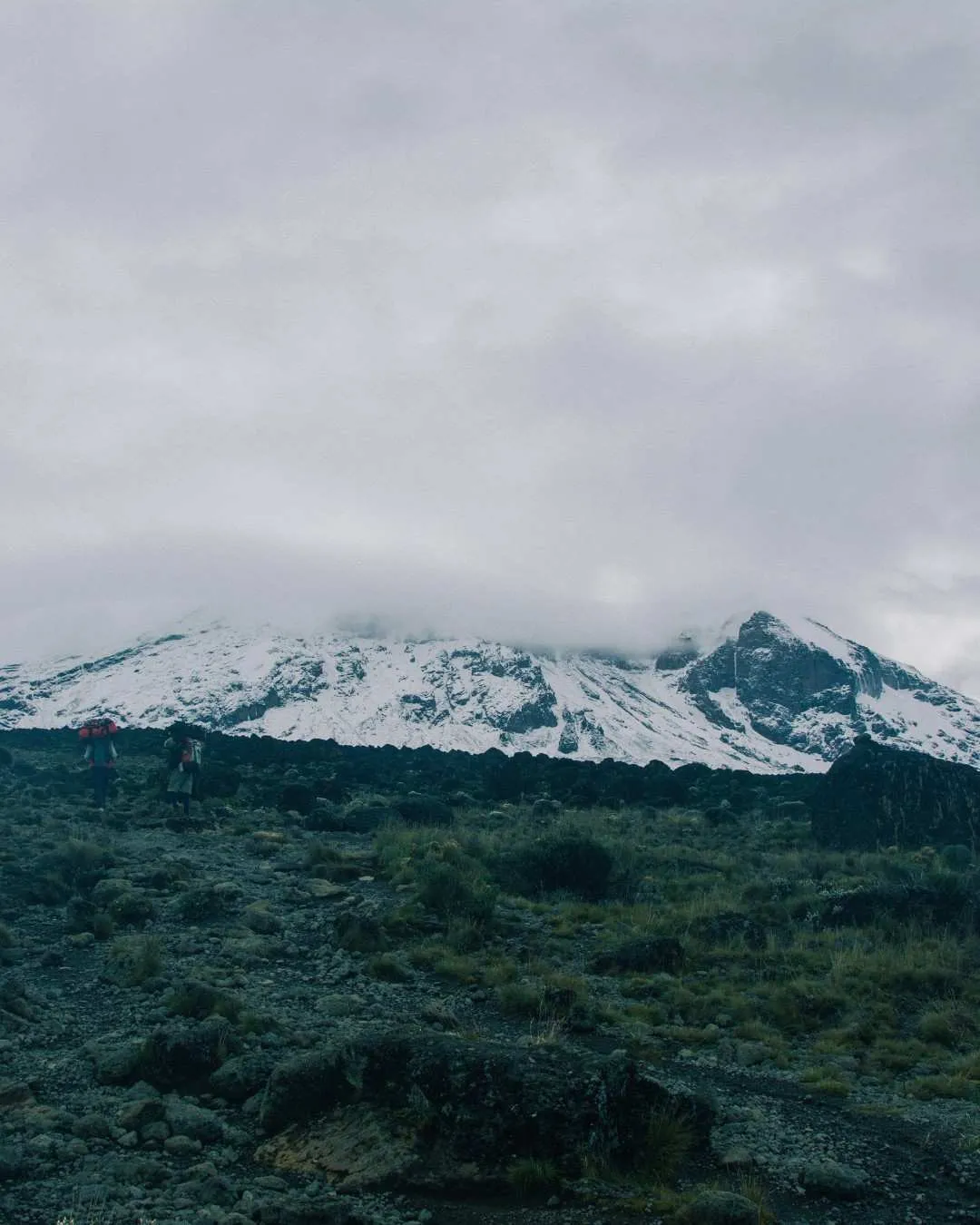
The only route approaching from the north, beginning near the Kenyan border with gentler gradients and calmer, drier conditions than the southern routes. The most trafficked section is shared with the Northern Circuit near the summit. Rongai suits steady, deliberate walkers who dislike crowds and don't require dramatic scenery — the northern side is more arid and open than the south's dramatic ridges and valleys. Add the 7th day for meaningful acclimatisation improvement.
The steepest, fastest, most demanding — 5–6 days
Kilimanjaro's most direct and aggressive ascent — a near-vertical southern line through dense forest to the crater rim. The compressed schedule produces the lowest success rate of any route and the highest risk of acute mountain sickness. Umbwe is appropriate only for climbers with proven high-altitude tolerance and strong fitness who have a specific reason to choose speed over success probability. We advise adding a 6th day minimum. Not recommended for first-time altitude climbers.
Choosing between routes? Contact our Arusha team — a 15-minute conversation about your fitness level, altitude experience, available time, and summit ambitions will narrow the field immediately. Route selection consultation is free and carries no booking obligation.
Route comparison
Compare routes by acclimatization, scenery, difficulty, and summit success rates.
Altitude & safety
Understanding altitude sickness and proper acclimatization is critical for a safe, successful climb.
On the mountain
Training
A structured 8–12 week training plan dramatically improves your summit success rate.
8–12 week build: long hikes with 8–12 kg pack, targeting 6–7 hr outings and real elevation gain.
Back-to-back sessions to simulate cumulative fatigue (e.g., Sat/Sun long hikes).
Downhill conditioning for quads and knees; practice with trekking poles.
Supplement with squats/lunges/step-ups, core work, and flexibility; taper the final two weeks.
Complete gear list (condensed)
Our service
Kilimanjaro guiding is not a commodity service. Your summit depends on the guide who sets your pace on day one, reads your acclimatisation on day five, and makes the call on summit night about whether you go or you don't. Our guides have climbed this mountain hundreds of times — not as visiting adventurers, but as local professionals who live in Arusha and return to the mountain month after month. They carry pulse oximeters, speak altitude physiology fluently, and are trained in high-altitude rescue. Contact our team to discuss your climb.
We help you choose the route matching your experience, fitness, timeline, and summit goals. Longer routes dramatically improve success probability.
Comprehensive briefings covering route details, daily schedules, equipment checks, safety protocols, and altitude sickness recognition.
Our guides have climbed Kilimanjaro hundreds of times, understand altitude physiology, recognize early warning signs, and maintain proper pacing.
Fair wages, proper equipment, appropriate load limits (20kg max), and quality food for all mountain staff. We exceed KPAP standards.
Pulse oximeters for altitude monitoring, comprehensive first aid supplies, satellite communication for emergencies, and oxygen bottles.
Summit certificates, proper tipping guidance, and celebration of your achievement. Many climbers combine with safari or Zanzibar extensions.
Investment
In 2026, expect to invest between $2,400 and $3,500 per person for a quality Kilimanjaro climb. This price range reflects route duration, group size, and operator standards — not luxury add-ons. The six routes below represent the full range of ethical, well-supported climbs available through Trail Safari Explorers. Prices include all park fees, guide and porter wages, equipment, food, and safety equipment. International flights, travel insurance (mandatory), tips for crew (15–20% of climb cost), and pre/post accommodation are additional.
| Route | Duration | Style | Price (pp) |
|---|---|---|---|
| Marangu Route | 5–6 days | Hut | From $1,900 |
| Machame Route | 6–7 days | Camping | From $2,220 |
| Lemosho Route | 6–8 days | Camping | From $2,250 |
| Rongai Route | 6 days | Camping | From $2,250 |
| Umbwe Route | 6 days | Camping | From $2,340 |
| Northern Circuit | 8–9 days | Camping | From $2,960 |
Park fees are the largest fixed cost and make up approximately 35–40% of the total climb price — they are set by the Tanzania National Parks Authority and cannot be reduced by any operator. Tips for guides and porters (expected, not optional: roughly 15–20% of the climb cost split across the crew) are additional. International flights, travel insurance (mandatory — must cover high-altitude rescue to 6,000m), and pre/post-climb accommodation are not included in the climb price.
The cheapest Kilimanjaro climb is not a bargain — it transfers cost to the porters carrying your tent. A porter on a low-cost operator earns as little as $5 per day for carrying 30+ kg. Our porters earn fair wages, carry under 20 kg, eat quality food, and wear proper equipment. The difference in your climb experience is also tangible: well-fed, properly equipped porters set up camp faster, maintain better morale on the mountain, and — most importantly — stay safer. We exceed KPAP standards on every climb. Consider joining the Kilimanjaro Founders Expedition for an exclusive small-group experience.
Weather & packing
Logistics & investment
See our best months to climb Kilimanjaro.
A meaningful portion of every Kilimanjaro climb cost — beyond park fees — reflects the standards we apply to our mountain crew. Porters on ethical operators earn fair daily wages, carry under 20 kg (our maximum), eat quality meals, wear proper cold-weather gear, and are covered by basic insurance. We exceed KPAP (Kilimanjaro Porters Assistance Project) standards on every climb. When you see a Kilimanjaro price that seems too low, ask the operator their porter load limit and daily wage — those two numbers tell you everything. Learn more about our ethical standards.
Ethics & readiness
Sample itineraries
8 Days / 7 Nights
Price on Request — Contact for detailed quote
7 Days / 6 Nights
Price on Request — Contact for detailed quote
9 Days / 8 Nights
Price on Request — Contact for detailed quote
Extensions
Most Trail Safari Explorers guests who climb Kilimanjaro do not come to Tanzania solely for the mountain. The summit sits a 90-minute drive from Arusha — Tanzania's safari capital — and a 45-minute domestic flight from Zanzibar's Indian Ocean beaches. The logical progression: fly into Kilimanjaro International Airport, spend 7–9 days on the mountain, then transition directly to a Tanzania safari or fly to Zanzibar for recovery and beach time. The total trip runs 12–16 days and covers the full range of Tanzania's extraordinary geography.
A post-climb safari is physiologically ideal: the descent from altitude leaves your body craving lower elevation and warmer conditions, and game drives from a vehicle require precisely zero physical effort. We route most Kilimanjaro + Safari combinations through the Northern Circuit — Tarangire, Ngorongoro Crater, and the Serengeti — a 7-day safari that fits naturally after any Kilimanjaro route. For southern Tanzania, the Ruaha extension from Dar es Salaam takes a different form. We handle all transfers, internal flights, and logistics as a single seamless itinerary.
After 7–9 days on the mountain, the Indian Ocean calls. Zanzibar's white-sand beaches, Stone Town's UNESCO heritage, and Mnemba Atoll snorkelling sit 45 minutes by domestic flight from Kilimanjaro International Airport. A 4–7-night Zanzibar extension following the summit allows full physical recovery, requires no additional long-haul flying, and completes one of the most satisfying trip combinations available anywhere in East Africa. Our safari + Zanzibar packages include Kilimanjaro extensions on request.
FAQs
Be honest and specific. Kilimanjaro is physically demanding but not technically difficult — there are no ropes, no crampons, no climbing moves. The difficulty comes from three cumulative factors: altitude (oxygen at roughly 50% of sea level at the summit), duration (six to eight hours of walking per day, every day, for 6-9 days), and summit night (a 12-16-hour push starting at midnight in temperatures of -20°C to -30°C with windchill). The challenge scales significantly with route duration — compressed 5-6-day schedules are substantially harder than 8-9-day schedules because your body has less time to adapt to altitude. Most people who turn back do so from altitude sickness, not physical exhaustion. Choose a longer route and give your body time.
No — Kilimanjaro requires no prior mountaineering, rock climbing, or scrambling experience. It is a high-altitude walking trek on well-defined trails throughout. What helps far more than prior mountaineering experience is prior experience at altitude — if you have spent time above 3,500m without difficulty, you have useful information about your acclimatisation profile. If you have never been above 2,500m, the honest answer is that no one knows how you will respond to altitude until you are in it. This is another argument for choosing a longer route: more time at altitude means more time for your body to show early symptoms and adjust, with the option to slow the pace or add an extra acclimatisation day.
Kilimanjaro can be climbed year-round, but two seasons offer the clearest conditions and highest summit success rates: January to early March (warm, dry, with the mountain often clear of cloud) and June to October (the long dry season, cool temperatures, excellent visibility). January–March has the additional advantage of quieter trails — fewer climbers than the July–August peak — and the calving season on the nearby Serengeti, making it an ideal time to combine the climb with a wildlife safari. December is popular for festive-season climbing but books out early. April–May brings the long rains — technically climbable but more challenging, with muddy trails and higher cloud cover reducing views. See our <Link href="/tanzania-travel-resources" className="text-gold underline">Tanzania Travel Resources</Link> for detailed planning information.
Cold varies dramatically by altitude zone and time of day. In the rainforest zone (1,800–2,800m), daytime temperatures reach 20–25°C — t-shirt weather. By the heath and moorland zone (2,800–4,000m), nights drop to 5–10°C with frost common. The alpine desert (4,000–5,000m) brings daytime temperatures of 5–15°C with intense sun and wind, dropping to -5°C to -10°C at night. The arctic summit zone (5,000m+) is where cold becomes a serious factor: daytime near-freezing, with the summit push at midnight seeing -20°C to -30°C with windchill and oxygen at roughly 50% of sea level. This is why sleeping bag rating (-10°C minimum, -20°C for cold sleepers), insulated mittens rather than gloves, and a warm hat covering the ears are non-negotiable summit gear.
Be transparent and specific. The overall Kilimanjaro summit success rate across all operators and all routes is approximately 65%. This average conceals an enormous range: compressed 5-6-day routes deliver success rates of 45–65%, while properly acclimatised 8-9-day routes achieve 85–95%. Our Lemosho 8-day route typically achieves 85–90%; our Northern Circuit 9-day achieves 90–95%. The single most controllable factor in your summit success is the route duration you choose — not your fitness, not your operator's guides, not your equipment. A fit, well-equipped climber on a 5-day schedule will fail where a less fit climber on an 8-day schedule succeeds, because acclimatisation is physiological and cannot be accelerated. <Link href="#which-kilimanjaro-route" className="text-gold underline">Choose your route accordingly</Link>.
Altitude sickness ranges from mild to life-threatening — the key is recognising which stage you are in and responding correctly. Mild Acute Mountain Sickness (AMS) — headache, nausea, fatigue, poor sleep — is extremely common above 3,000m and is managed by resting, hydrating, and not ascending further until symptoms resolve. It is not dangerous if managed properly. High Altitude Pulmonary Oedema (HAPE) and High Altitude Cerebral Oedema (HACE) are serious conditions: breathlessness at rest, confusion, ataxia (inability to walk straight) are red flags requiring immediate descent. Our guides carry pulse oximeters, oxygen bottles, and satellite communication on every climb. The descent treatment is reliable — 300-500m is often sufficient to reverse symptoms — which is why our guides are trained to descend at the first sign of deteriorating condition, never to push through.
You should be able to walk 6–7 hours comfortably carrying a daypack (8–12 kg) before you arrive. You do not need to be an athlete, but you need to have trained. We recommend an 8–12 week preparation programme: three to four cardio sessions per week (hiking, running, cycling), progressively longer weekend hikes (working up to 6+ hours with elevation gain), and back-to-back training days to simulate the cumulative fatigue of multi-day trekking. Downhill training is specifically important — the Mweka descent puts significant stress on quads and knees, and most injuries happen on descent, not ascent. If you can comfortably handle a six-hour hike with a 10 kg pack and real elevation gain three weeks before departure, you are ready.
Diamox can help prevent and treat altitude sickness by accelerating the acclimatisation process, but it complements — never replaces — choosing a long route with a proper 'climb high, sleep low' profile. If you are considering Diamox, consult a travel medicine physician or GP at least four to six weeks before your climb — it requires a prescription, has contraindications (sulfa drug allergy, kidney problems), and causes side effects including increased urination and tingling in the extremities that can mask early AMS symptoms if misread. We do not prescribe or supply Diamox, but we provide detailed health briefings that cover when Diamox is and is not appropriate for each climber's profile. The honest answer: a proper 8-day route reduces your reliance on Diamox significantly.
Read our Kilimanjaro difficulty guide,routes comparison, or climb cost guide.
Explore the Umbwe Route,Northern Circuit Crater Camp, or packing list.
Read our can children climb Kilimanjaro,best time to visit Tanzania, or browse our journal.
Receive a free, no obligation quote from our safari experts.

We're here to help