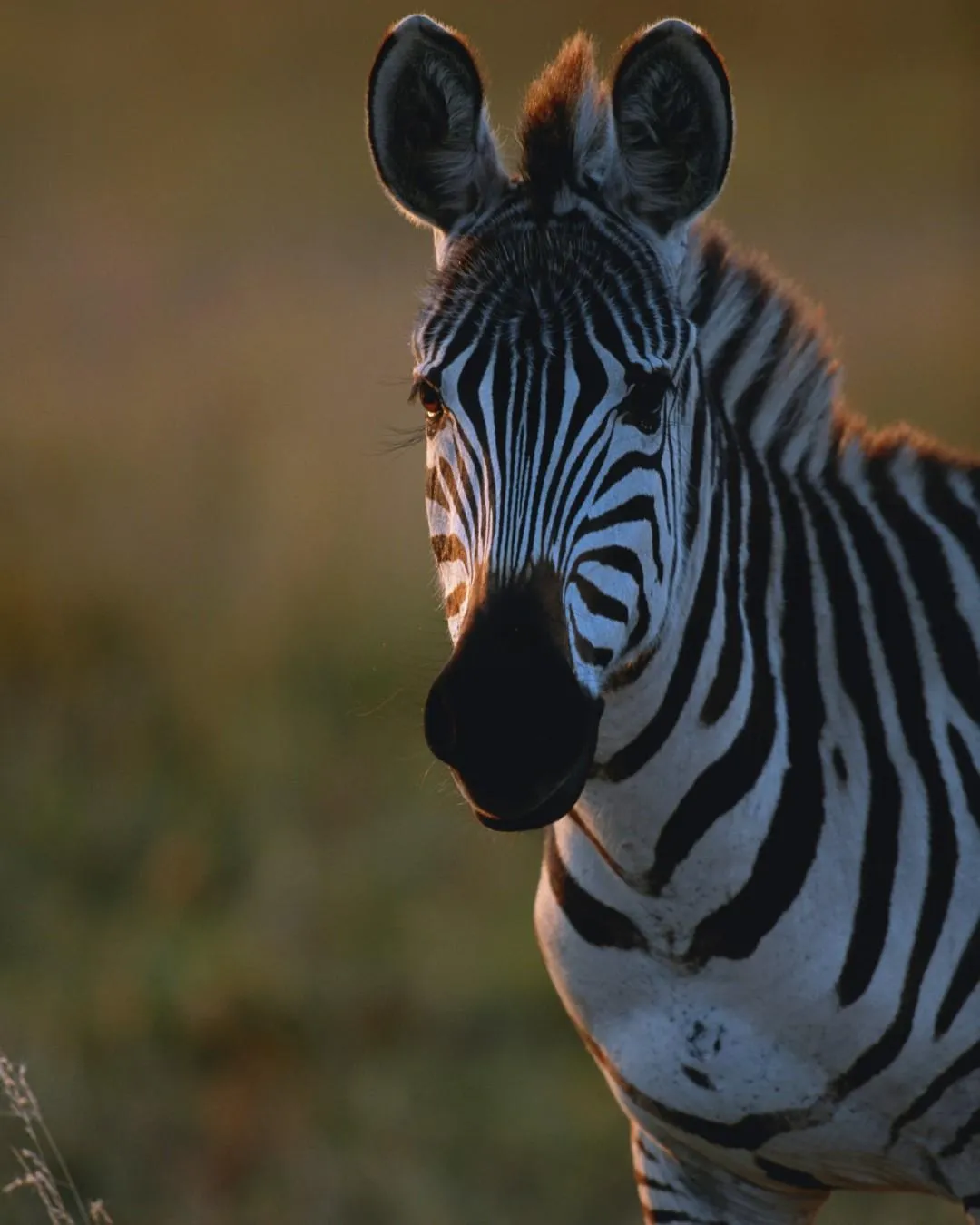
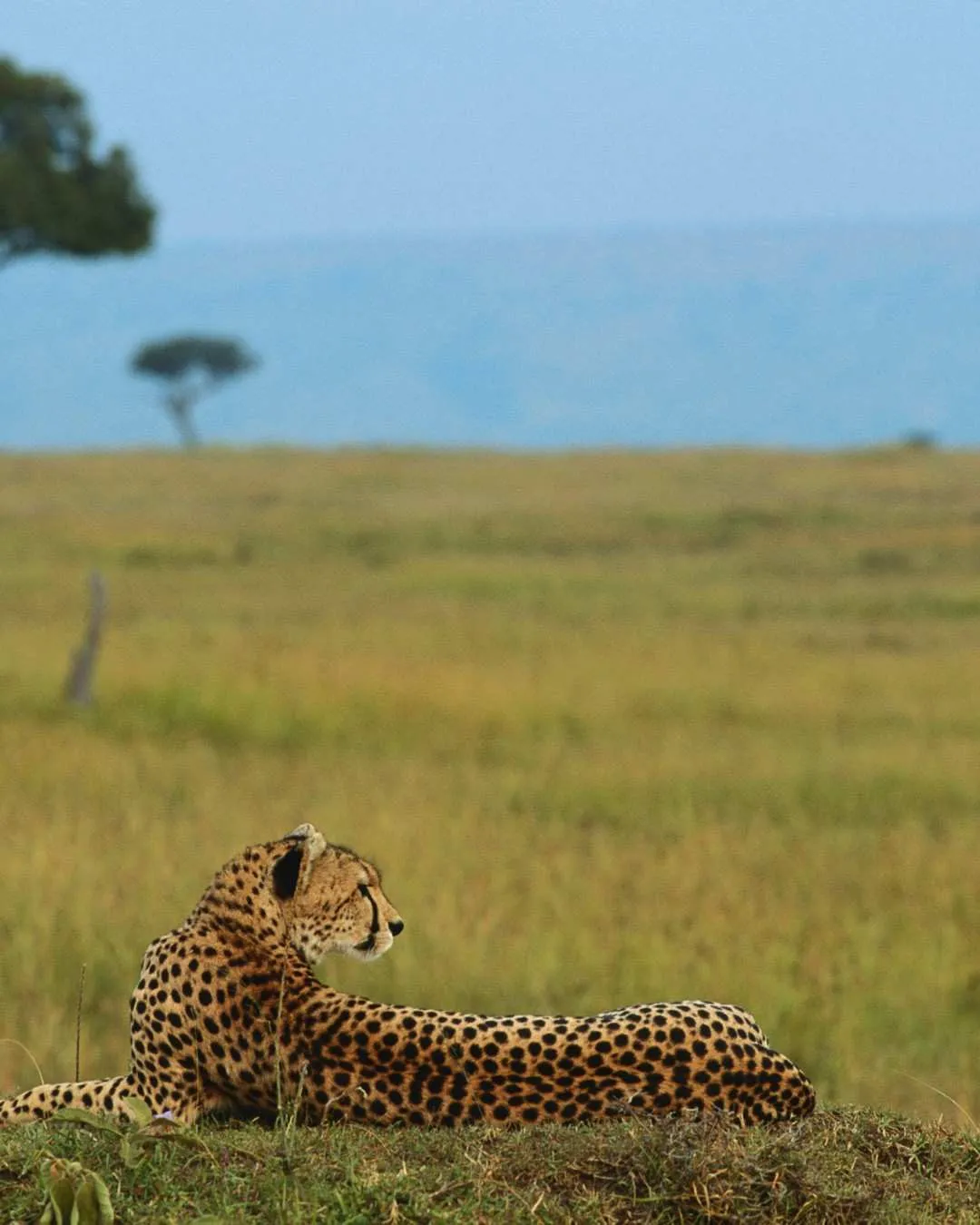
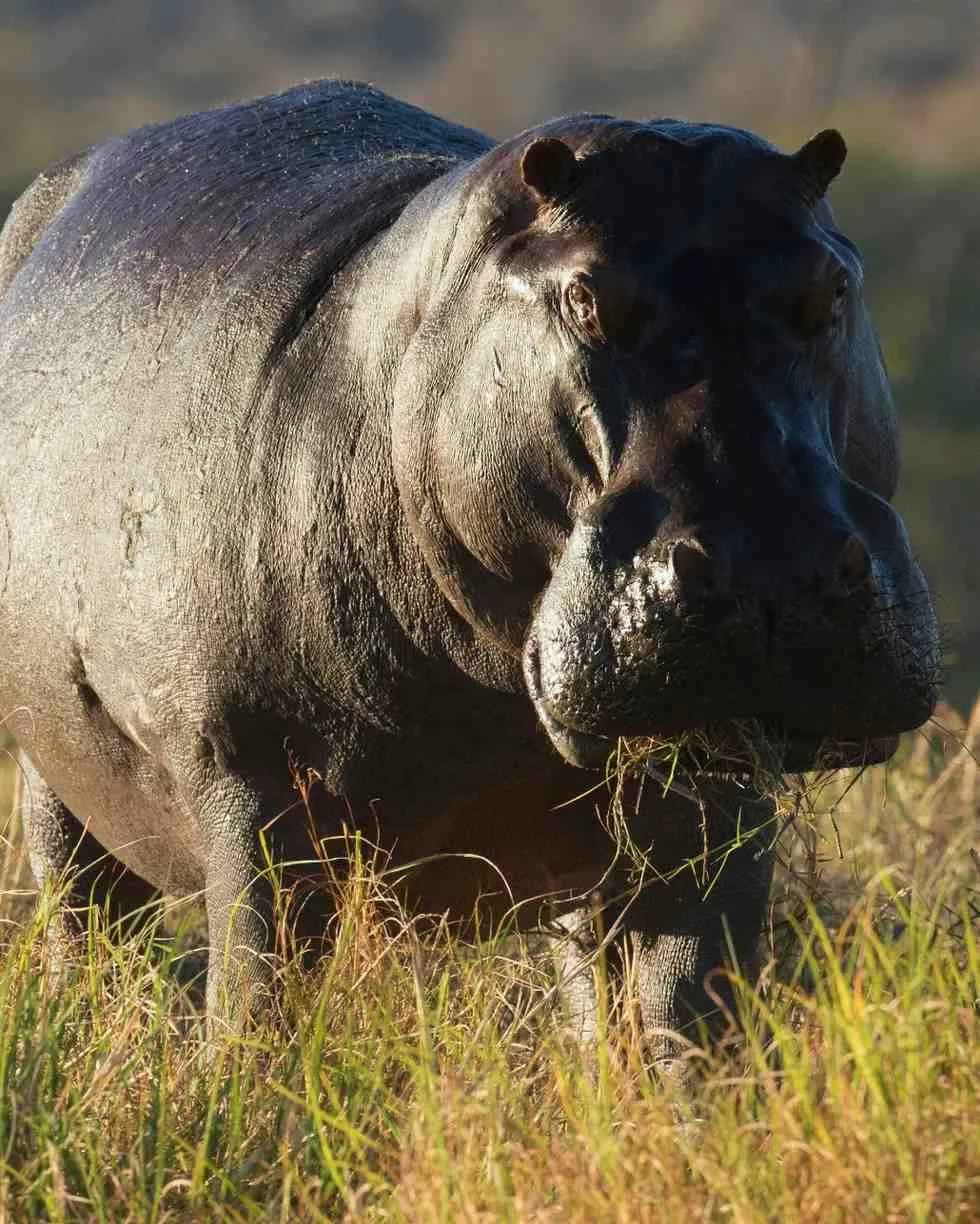
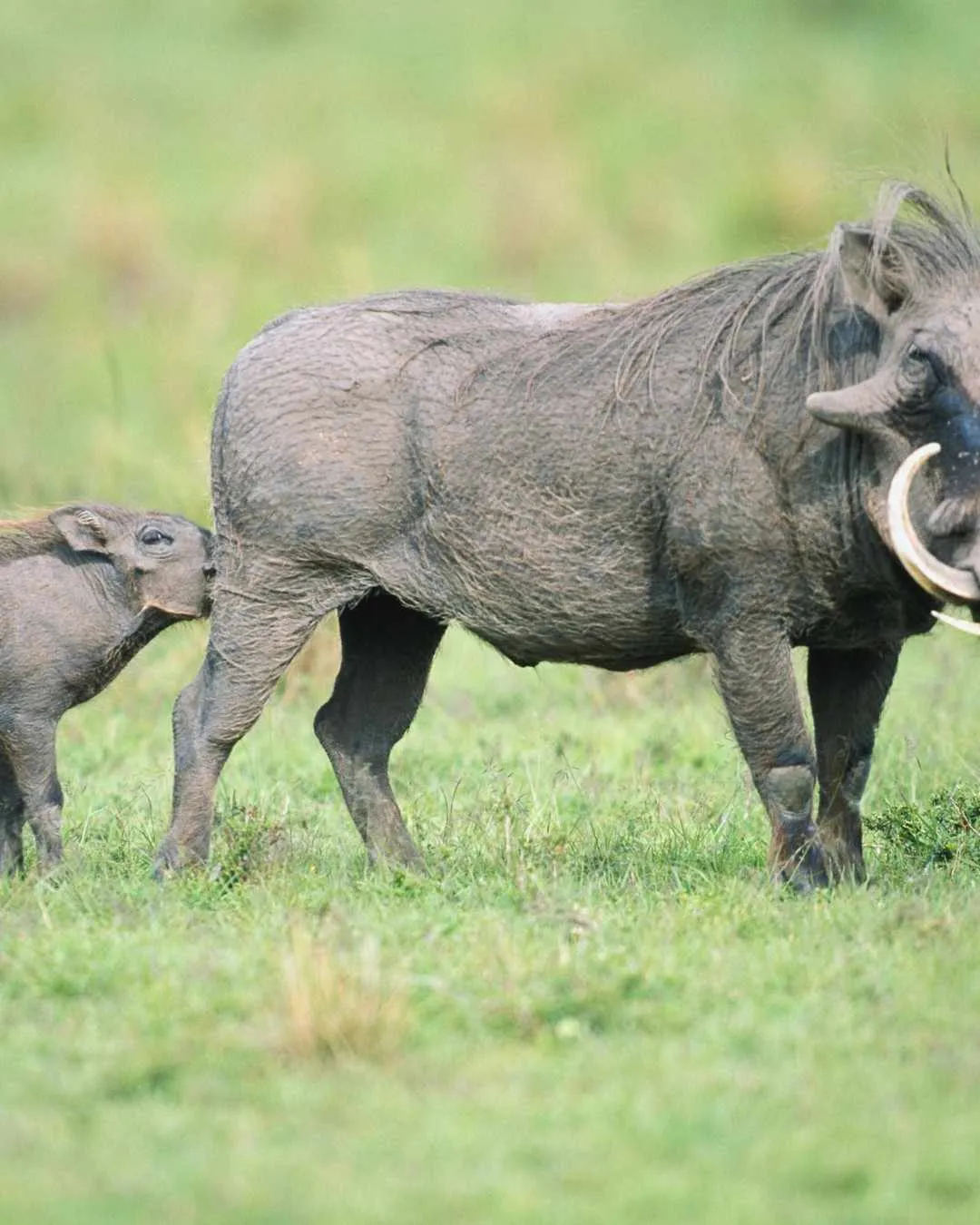
Green-season landscapes during the short rains in Tanzania

Tanzania safari planning guide: Best Places to Visit in Africa in November

November is a hidden gem month for Tanzania safaris, as the short rains revive the eastern Serengeti plains and the Great Migration streams southward in one of the least-photographed yet most dramatic phases of the annual cycle. With 30–40% lower pricing than peak season, exceptional birding as migrants arrive, and an intimacy of experience impossible during high season, November rewards flexible travellers seeking authentic wilderness.

Great Migration herds moving south in the Serengeti, Tanzania
Migration Return

Serengeti National Park in November — Migration Southward Return

November reveals one of the migration's most dramatic yet underappreciated spectacles: the southward return journey. Massive herds stream through the eastern Serengeti in continuous movement, creating dust clouds visible for miles. Witness hundreds of thousands of animals migrating purposefully across vast plains—an extraordinary sight rarely seen by peak-season visitors.

What

  • •Massive herds streaming southward in continuous movement
  • •Dust clouds and dramatic migration columns

Why

  • •Authentic wilderness experience with minimal crowds
  • •30–40% below peak season rates

When to book

  • •2–4 months advance booking typically sufficient
  • •Excellent availability vs. peak months
Ngorongoro Crater landscape, Tanzania
Transitional Beauty

Ngorongoro Crater — Transitional Beauty

November brings the Ngorongoro Crater's transition from dry season gold to wet season green—a spectacularly beautiful period. The crater floor transforms with fresh green grass as short rains begin. Big Five viewing remains excellent, with lush landscapes creating beautiful photographic conditions. Resident wildlife thrives in the rejuvenated environment, and birdlife peaks as migrants arrive.

What

  • •Black rhinos (30+ individuals)—reliable viewing
  • •Lion prides, elephant bulls, massive buffalo herds

Why

  • •Lush conditions create beautiful photographic settings
  • •Morning mist creates atmospheric photography

When to book

  • •2–4 months advance booking typically sufficient
  • •Very few tourists—intimate experiences
Elephant herd in Tarangire National Park, Tanzania
Peak Birding

Tarangire — Early Month Elephants & Birding

Early November continues excellent elephant viewing along the Tarangire River before herds disperse with fresh rains. November maintains Tarangire's excellent dry season elephant concentrations early month. Exceptional birding with over 550 species including newly arrived migrants. Lush green landscapes provide beautiful backdrops for wildlife photography.
What

  • •Large elephant herds along Tarangire River (peak densities)
  • •Over 550 bird species including migrants

Why

  • •Continued dry season concentrations early month
  • •Beautiful photography conditions with green landscapes

When to book

  • •2–4 months advance booking typically sufficient
  • •Excellent availability vs. peak months

What November feels like

November represents one of Tanzania's most underrated safari months—a transitional period when the Great Wildebeest Migration begins its dramatic return journey from Kenya's Masai Mara to Tanzania's southern plains, while the short rains transform the landscape from dusty gold to vibrant green. This unique timing creates exceptional opportunities for travelers seeking authentic African experiences without peak season crowds or premium pricing. The migration's southward movement through November is one of nature's most spectacular yet least-witnessed phenomena. Hundreds of thousands of wildebeest and zebras stream across the eastern Serengeti plains in massive columns, driven by ancient instincts responding to the short rains falling on southern grasslands.

Who should travel

  • Adventurous, budget-conscious travelers seeking authentic experiences
  • Migration enthusiasts wanting to witness the southward return journey
  • Photographers drawn to dramatic skies, storm photography, and transitional landscapes
  • Value seekers who appreciate 30–40% savings vs. peak season
  • Travelers who value intimate wilderness over guaranteed sunshine

Where to go

Wildlife & highlights

  • Migration southward return: massive herds streaming across eastern plains
  • Dramatic skies and storm photography opportunities
  • Predator activity as lions, cheetahs, and hyenas follow the herds
  • Exceptional birding with migrants arriving and resident species nesting
  • Beautiful transitional landscapes from gold to green

Packing & gear checklist

  • Lightweight rain shell and quick-dry clothing
  • Layers (mornings cool, afternoons warm)
  • Waterproof day pack and camera rain protection
  • Binoculars, birding app or field guide
  • Light evening layers and quality insect repellent
  • Sun protection: wide-brimmed hat, sunglasses, SPF 50+

Logistics & booking tips

  • 2–4 months advance booking typically sufficient
  • Excellent availability vs. peak months
  • Include day buffer for transfers if combining remote parks and island hops
  • Gorilla permits available with good notice (2–3 months advance)
  • Check lodge opening notes: some remote camps may run limited services

Health & safety notes

  • Malaria prophylaxis recommended for Serengeti/Tarangire/islands
  • Carry vaccination proof, insurance & medevac cover if trekking
  • Quality insect repellent for evening activities
  • Basic first aid kit with anti-diarrheal medication

Recommended lodge pairings

  • Central/Eastern Serengeti: one-nature-nyaruswiga, Nomad camps (mobile, follow migration)
  • Ngorongoro: Entara Olmara Camp, Ngorongoro Crater Lodge
  • Tarangire: Tarangire Treetops, Sanctuary Swala Camp
  • Uganda: Bwindi lodges for gorilla trekking (Buhoma Lodge, Sanctuary Gorilla Forest Camp)

November Tanzania Safari Guide

Migration Returns & Green Season Begins

November represents one of Tanzania's most underrated safari months—a transitional period when the Great Wildebeest Migration begins its dramatic return journey from Kenya's Masai Mara to Tanzania's southern plains, while the short rains transform the landscape from dusty gold to vibrant green. This unique timing creates exceptional opportunities for travelers seeking authentic African experiences without peak season crowds or premium pricing.

The migration's southward movement through November is one of nature's most spectacular yet least-witnessed phenomena. Hundreds of thousands of wildebeest and zebras stream across the eastern Serengeti plains in massive columns, driven by ancient instincts responding to the short rains falling on southern grasslands. Unlike the concentrated calving season or dramatic river crossings that dominate safari marketing, November's migration offers the raw spectacle of mass animal movement across vast landscapes—herds stretching to the horizon, dust clouds visible for miles, and predators shadowing every step.

November delivers advantages that peak dry season months cannot match: dramatically lower tourist numbers (you may have entire areas to yourself), rates 30-40% below July-October pricing, the first flush of green vegetation creating beautiful photography, baby animals of multiple species, exceptional birding as migrants arrive in breeding plumage, and the satisfaction of experiencing Tanzania as few tourists ever do.

Country-specific highlights

Where to focus in November

Tanzania

Migration Returns South & Short Rains Begin

Eastern Serengeti: Migration Corridor

November finds the Great Migration in full southward movement, with massive herds streaming through the eastern Serengeti plains toward the Ndutu region and southern grasslands. This is one of the migration's most dynamic periods—constantly moving, changing, and revealing the raw power of mass animal movement. Herds respond to distant rain they can smell and sense from 30+ miles away, creating continuous, purposeful migration.

Wildlife highlights: Massive herds in continuous motion (thousands moving together), dust clouds hanging over plains, predators following herds (lions, hyenas, leopards, cheetahs), baby wildebeest (7-8 months old) running strongly with herds.
Best locations: Early November: Northern Serengeti, Lobo area. Mid-November: Eastern Serengeti plains, Loliondo. Late November: Arriving southern Serengeti, Ndutu region.

Central Serengeti (Seronera Valley)

While migration herds pass through, central Serengeti's resident wildlife ensures excellent viewing regardless of migration position. Resident lion prides (famous Seronera prides including Simba Kopjes pride), leopards in riverine fig trees along Seronera River, cheetahs on Seronera plains, and large elephant herds create comprehensive game viewing.

Southern Serengeti & Ndutu

Late November sees the first migration vanguards arriving on the southern plains. Plains greening from short rains, wildflowers starting to bloom, and resident wildlife present year-round. Cheetahs (southern plains host high densities) and lions (resident prides preparing for calving abundance) thrive in anticipation of migration arrival.

Ngorongoro Crater

November brings the Ngorongoro Crater's transition from dry season gold to wet season green—a spectacularly beautiful period. Black rhinos (30+ individuals) provide reliable viewing. Large elephant bulls, lion prides (60-70 individuals total), massive buffalo herds, and hippo pools remain active. Flamingos on Lake Magadi (numbers variable) create striking visual contrast.

Tarangire National Park

November maintains Tarangire's excellent dry season elephant concentrations early month. Large elephant herds along Tarangire River (peak densities), lions, leopards, cheetahs, buffalo herds, and exceptional birding with over 550 species including newly arrived migrants. Lush green landscapes provide beautiful backdrops for wildlife photography.

Kenya

Post-Migration Transition

Masai Mara National Reserve & Conservancies

November marks the migration's departure from Kenya and the onset of short rains. Migration herds departing for Tanzania (typically early-mid November), but resident wildlife remains excellent. Large lion prides, leopards, cheetahs, elephants, buffalo, hippos, crocodiles, and plains game populations ensure exceptional game viewing even as the migration herds depart.

November advantages: Fewer tourists (excellent availability), lower rates (30-40% below peak), resident predator viewing excellent, green landscapes beautiful, private conservancies offering exclusive experiences.

Amboseli National Park

November Amboseli experiences short rains. Large elephant herds, Mount Kilimanjaro backdrop (clouds more frequent), predators, swamps attracting wildlife, and good game viewing continue. Short rains beginning, dusty plains becoming green, afternoon showers possible.

Samburu-Buffalo Springs-Shaba

Northern Kenya receives minimal rainfall. The Samburu Special Five—Grevy's zebra, reticulated giraffe, Somali ostrich, gerenuk, Beisa oryx—appear with ease alongside elephants, lions, leopards, and over 450 bird species. Dry season continuing in arid north, good wildlife viewing, fewer tourists.

Uganda

Short Rains Season

Bwindi Impenetrable National Park

November gorilla trekking: Short rains season (trails can be muddy), moderate difficulty hiking, lush forest conditions, fewer tourists than peak dry season, lower accommodation rates, good permit availability. Advantages: Easier booking (1-3 months advance sufficient), cost savings (shoulder season), fewer trekkers, gorillas unaffected by rain, beautiful forest.

Permits: $800 per person. Good availability. Book 2-3 months advance.

Kibale National Park

Chimpanzee tracking: Short rains season, muddy trails possible, chimps active, good viewing. Permits: $250. The forest's 13 primate species create diverse encounters. September's weather makes forest walks particularly pleasant.

Queen Elizabeth & Murchison Falls

Both parks experiencing short rains. Tree-climbing lions, boat safaris continue, good wildlife viewing, beautiful green landscapes. The Kazinga Channel boat cruise showcases exceptional hippo concentrations, elephants drinking at water's edge, buffaloes, and abundant waterbirds.

Rwanda

Short Rains Season

Volcanoes National Park

November gorilla trekking: Short rains season, trails can be muddy, good trekking conditions overall, fewer tourists, lower lodge rates. Permits: $1,500. Advantages: Easier permit booking, cost savings, comfortable hiking (not too hot), beautiful mountain scenery.

Nyungwe Forest & Akagera

Both parks accessible in November. Chimpanzee tracking (Nyungwe), Big Five (Akagera), short rains affecting both, good wildlife viewing continues. Nyungwe's ancient montane rainforest delivers chimpanzee tracking, canopy walks and birding over 300 species. Akagera offers Big Five safaris with successful lion and rhino reintroductions.

Wildlife & nature highlights

Why November feels electric

November's wildlife highlight centers on the Great Migration's return to southern Serengeti breeding grounds. Early November: Herds concentrated northern Serengeti/Masai Mara, beginning southward departure. Mid-November: Mass movement through eastern Serengeti, herds streaming southward, dramatic migration in full flow, dust clouds visible for miles. Late November: Vanguard groups arriving southern plains, main herds still moving south, dispersed across eastern plains.

Wildebeest behavior: Purposeful southward movement, responding to distant rain, continuous grazing while moving, baby wildebeest (7-8 months) strong runners. Thomson's gazelles, Grant's gazelles, topis joining movement.

November's concentrated prey around permanent water sources creates intense predator activity. Lions follow migration herds south, southern plains resident prides anticipating arrival, good hunting throughout Serengeti, cubs present in many prides. Leopards show excellent viewing in central Serengeti, Seronera River fig trees, kopjes in southern regions, increased activity with rains beginning.

Predator activity — peak drama

  • Lions: Following migration herds south, southern plains resident prides anticipating arrival
  • Leopards: Excellent viewing in central Serengeti, Seronera River fig trees
  • Cheetahs: Southern plains densities increasing, preparing for calving season abundance
  • Spotted Hyenas: Following migration herds, clan activity high, vocal behavior increases

Birdlife in November — peak diversity

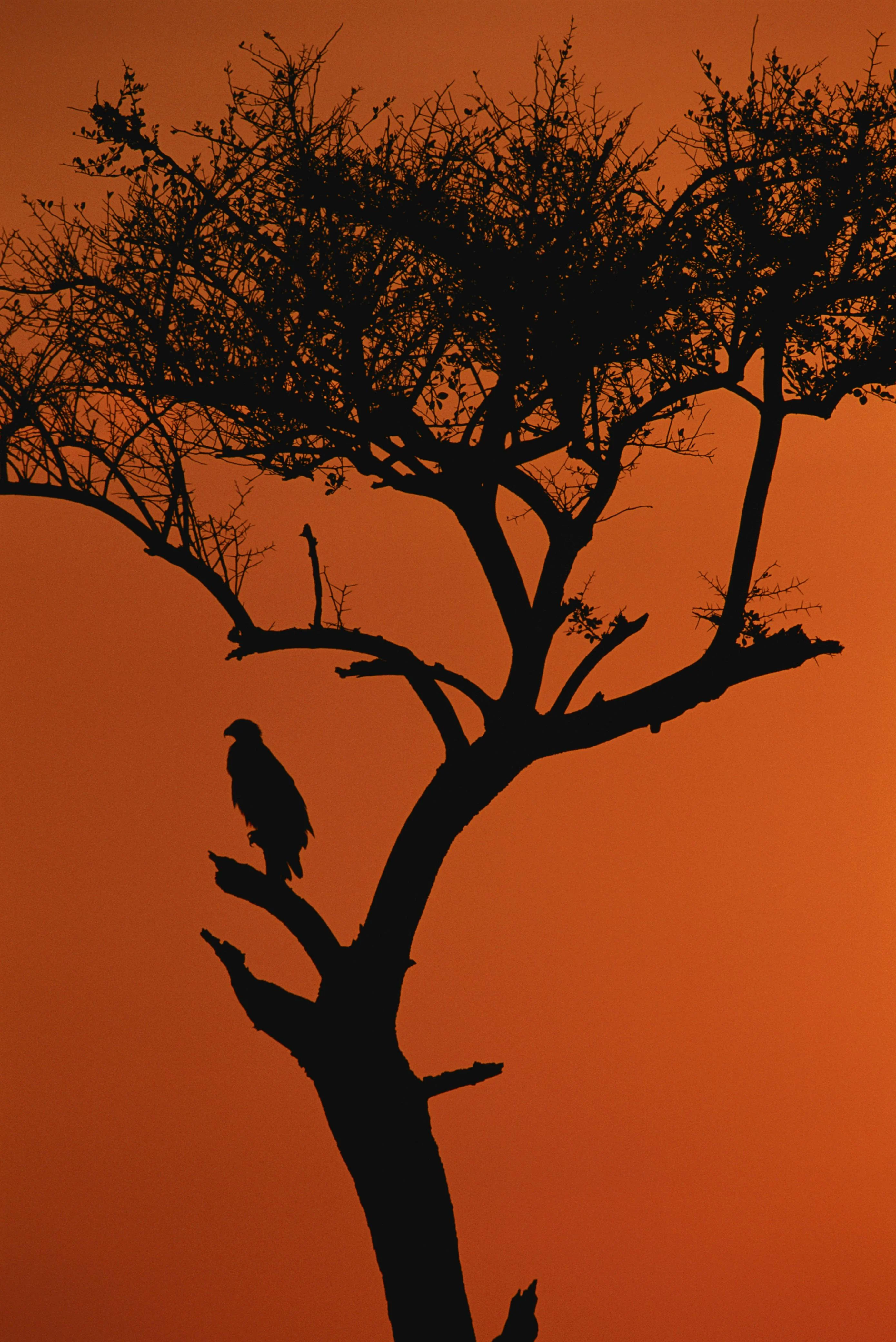
November represents exceptional birding. Migrants arriving: Palearctic migrants returning from northern breeding grounds, arriving in breeding plumage, storks (including white storks, Abdim's storks), numerous songbirds. Resident breeding: Nesting activity beginning, courtship displays, territory establishment, excellent photography.

Vegetation & landscape transitions

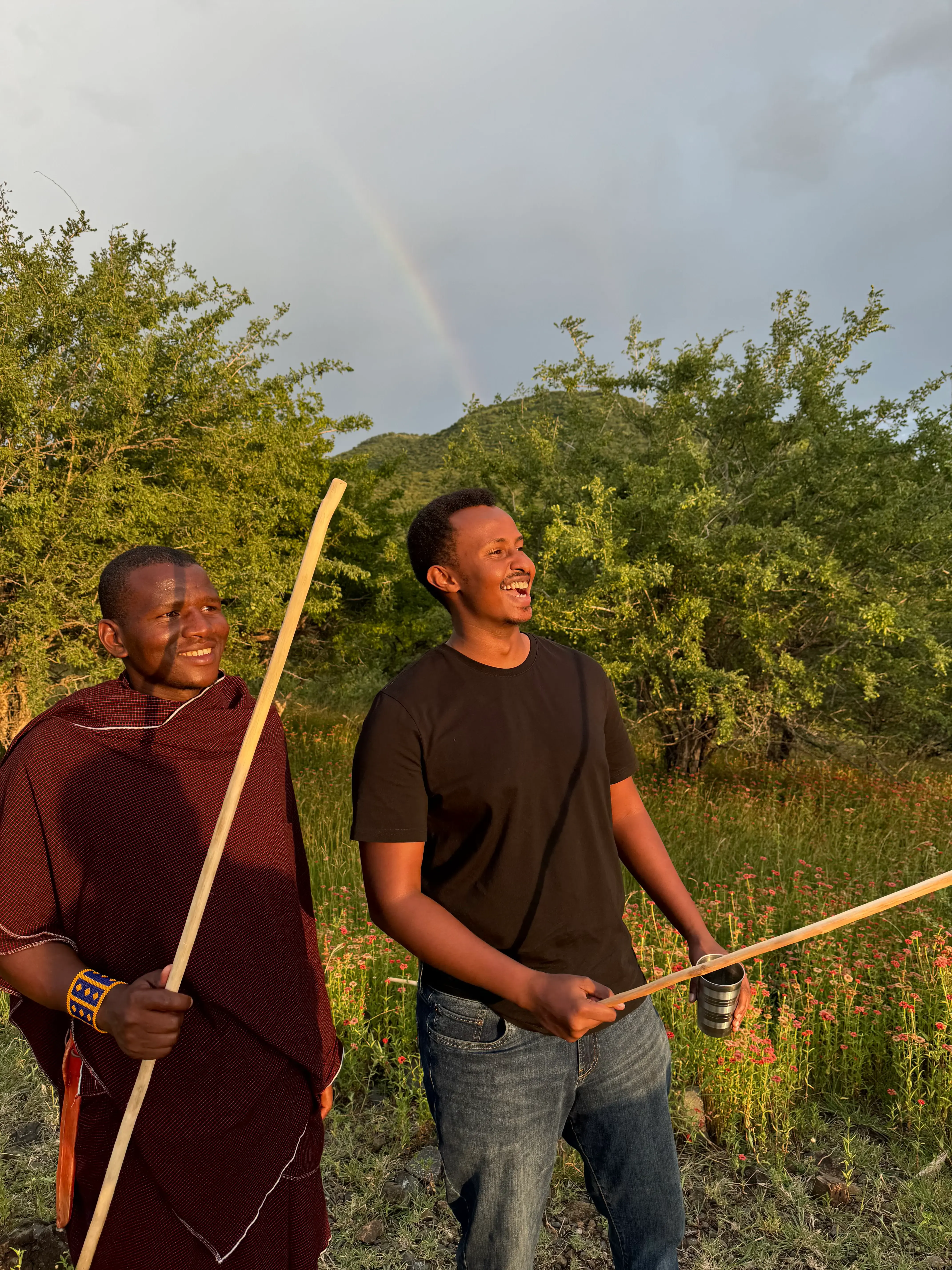
Early November: Dry season landscapes (golden grass), short grass facilitates viewing, dust prevalent. Mid-to-late November: Short rains transform landscapes, grass greening rapidly, wildflowers beginning to bloom, dramatic skies with storm clouds, beautiful mixed golden-green palette. Photography advantages: Dramatic storm clouds, beautiful light between showers, golden-green contrast, rainbow opportunities.

Activities & experiences

What to do in November

Game drives — intimate experiences

Migration tracking drives: Track herds through eastern Serengeti, witness mass movement, dramatic dust clouds, predator activity high, very few other vehicles. General game drives: Early morning optimal (usually dry), late afternoon beautiful light, afternoon showers possible (brief, clear quickly), comfortable temperatures, excellent wildlife activity.

Walking safaris

November walking safaris where permitted: Ngorongoro Conservation Area, Southern Tanzania parks, Select northern concessions, Kenya conservancies. Conditions: Good early month, trails can be muddy late month, wildlife active, beautiful landscapes, comfortable temperatures.

Hot air balloon safaris

November balloon flights offer unique perspectives. Available locations: Central Serengeti, Southern Serengeti (late November). Advantages: Migration visible from air, dramatic storm clouds, beautiful green landscapes, good weather windows. Logistics: $550-650 per person, book in advance, subject to weather (rarely cancelled).

Gorilla & chimpanzee trekking

November offers good primate trekking. Advantages: Fewer tourists, lower costs, good permit availability, gorillas/chimps active, beautiful forest conditions. Challenges: Short rains (muddy trails), rain gear essential, proper boots necessary, positive attitude required.

Photography in November

Prime subjects: Migration movement (herds streaming), dust clouds, storm clouds and dramatic skies, wildlife against transitioning landscapes, green season beauty, predator action. Conditions: Beautiful dramatic light, storm clouds add interest, soft light between showers, golden-green palette, rainbow opportunities.

Cultural experiences

November provides excellent weather for cultural visits to local communities. Maasai villages near Ngorongoro and Serengeti offer insights into traditional pastoralist lifestyles. Visit Tanzania's hunter-gatherers near Lake Eyasi, explore human evolution at Olduvai Gorge, or experience authentic Tanzanian daily life in towns near parks.

Weather & climate

How November feels across regions

Tanzania Weather

  • Northern Circuit: Daytime 24-28°C (75-82°F), Nighttime 14-18°C (57-64°F)
  • Rainfall: Increasing (100-150mm), Short rains beginning mid-month
  • Pattern: Brief afternoon/evening typically, mornings usually dry and clear
  • Humidity: Moderate, increasing

Southern Serengeti

  • Short rains triggering migration return
  • Similar temperatures, beautiful green landscapes developing

Zanzibar

  • Transitioning to short rains, still good beach weather
  • Occasional showers, 27-30°C (81-86°F), improving throughout month

Uganda & Rwanda Weather

  • Short rains season, moderate rainfall
  • Daytime: 23-27°C (73-81°F), mountain areas cooler
  • Muddy trekking conditions, afternoon showers common

Travel tips

How to plan November right

Best parks for November

  1. Eastern/Central Serengeti (migration movement)
  2. Southern Serengeti (migration arriving late month)
  3. Ngorongoro Crater (transitional beauty)
  4. Tarangire (continued elephants early month)
  5. Good additions: Masai Mara (resident wildlife, fewer crowds), Bwindi/Volcanoes (gorillas, lower rates)

Booking timeline

2-4 months advance: Good availability, central Serengeti camps, gorilla permits available, flexible options. Crowd levels: Very low throughout, excellent availability, intimate experiences, few other tourists.

Budget considerations

November offers exceptional value. Pricing: 30-40% below peak season, shoulder season rates, excellent lodge deals, good negotiation opportunities. Value opportunities: Multi-week safaris affordable, luxury accessible, last-minute deals possible, gorilla permits readily available.

Where to Stay in November

November offers exceptional value with 30–40% lower rates than peak season and excellent availability. Eastern and central Serengeti camps position guests for the migration's southward streaming. Mobile operators like Lemala, Legendary Expeditions and Asilia track herd positions nightly. Ngorongoro rim lodges provide consistent Big Five access in lush green conditions. Gorilla trekking lodges in Uganda and Rwanda offer lower rates and better availability than peak months. Browse all accommodations.

Packing essentials

  • Light rain jacket (waterproof), layers (mornings cool, afternoons warm)
  • Waterproof day pack, camera rain protection
  • Binoculars, sun protection, insect repellent
  • Gorilla trekking additions: Waterproof hiking boots, gaiters, gloves, rain jacket (quality)

What to prioritize

  • Must-do: Track migration through eastern plains, Ngorongoro Crater, Central Serengeti predators, Gorilla trekking (if budget allows)
  • Photography focus: Migration movement, dramatic skies, storm photography, transitional landscapes, predator activity

Suggested itineraries

Plan November day-by-day

9 Days / 8 Nights

November Migration Tracking Safari

Focus on tracking migration through eastern Serengeti, Ngorongoro, Tarangire.

Day 1Arrive KIA → Arusha overnight
Days 2-3Tarangire NP → Elephants, baobabs
Days 4-6Central/Eastern Serengeti → Migration tracking
Days 7-8Ngorongoro Crater → Big Five
Day 9Return Arusha → Depart

Estimated cost:

USD 5,500-7,200 pp (luxury)

12 Days / 11 Nights

Tanzania & Uganda Adventure

Migration tracking plus gorilla trekking.

Days 1-2Tarangire → Elephants
Days 3-5Serengeti → Migration tracking
Days 6-7Ngorongoro
Day 8Fly to Uganda
Days 9-11Bwindi → Gorilla trekking
Day 12Depart Entebbe

Estimated cost:

USD 7,000-9,500 pp (including gorilla permits)

7 Days / 6 Nights

Quick November Safari

Maximum wildlife time, minimal driving.

Day 1Arrive Arusha
Days 2-4Central Serengeti → Migration/predators
Days 5-6Ngorongoro Crater
Day 7Depart

Estimated cost:

USD 3,500-4,800 pp (mid-range)

FAQs

November safari questions

Is November a good time for Tanzania safari?+

November is excellent for travelers seeking authentic experiences and value. The migration's southward return journey creates spectacular mass movement rarely seen by tourists, wildlife viewing is outstanding, landscapes transition beautifully from gold to green, and you'll enjoy the Serengeti with minimal crowds at 30-40% below peak rates. Perfect for adventurous, budget-conscious travelers.

Can I see the Great Migration in November?+

Absolutely—November offers one of the migration's most dramatic yet underappreciated spectacles: the southward return journey. Massive herds stream through the eastern Serengeti in continuous movement, creating dust clouds visible for miles. While less "famous" than river crossings or calving, witnessing hundreds of thousands of animals migrating purposefully across vast plains is extraordinary.

What about the short rains in November?+

The short rains (typically starting mid-November) are much gentler than March–May long rains. Expect brief afternoon showers that clear quickly, leaving dramatic skies and comfortable temperatures. Morning game drives are usually completely dry. The rains create beautiful photography conditions and transform landscapes—embrace them as part of the experience.

Should I visit Tanzania or Kenya in November?+

Tanzania is the clear winner for November. The migration is moving through Tanzania's eastern Serengeti, while Kenya's Mara has emptied. Tanzania also offers better value, fewer crowds, and excellent positioning for tracking the southward migration. Kenya's parks remain good for resident wildlife but lack the migration spectacle.

Is November crowded?+

No—November is one of the quietest months. You'll often have wildlife sightings completely to yourself, camps are uncrowded, and the Serengeti feels genuinely wild. This is a huge advantage for travelers who value authentic wilderness over guaranteed sunshine.

How far in advance should I book?+

2-4 months is typically sufficient for November, offering good availability and flexibility. Unlike peak July-October (requiring 9-12 months advance), November's shoulder season means you can book relatively close to travel dates. Gorilla permits should still be booked 2-3 months ahead.