Why Nyerere
- Scale & solitude (one of Africa’s largest protected areas)
- Boat + game drive combination
- Wild dog potential
Best time
June–October for reliable access and concentrated sightings around permanent water; Nov–May for lush scenery and peak birding.
Getting there
Fly from Dar es Salaam to park airstrips (e.g., Mtemere) then transfer to camp; overland drives are possible but long.
Overview
Nyerere National Park (formerly part of the Selous) is Tanzania’s vast southern wilderness — a landscape of meandering Rufiji River channels, floodplains, miombo and mopane woodlands. It’s famous for river-based safaris, big herds of elephants, healthy predator populations and the rare African wild dog. For travelers who want solitude, varied safari experiences (boat + 4×4) and luxury camps in true wilderness, Nyerere is unbeatable.
Why visit Nyerere?
- Scale & solitude: At about 30,893 km², Nyerere is one of Africa’s largest protected areas — expect long, private game drives and very few other tourists.
- boat safaris on the Rufiji River: Boat excursions bring you close to hippo pods, basking crocodiles and prolific riverine birdlife.
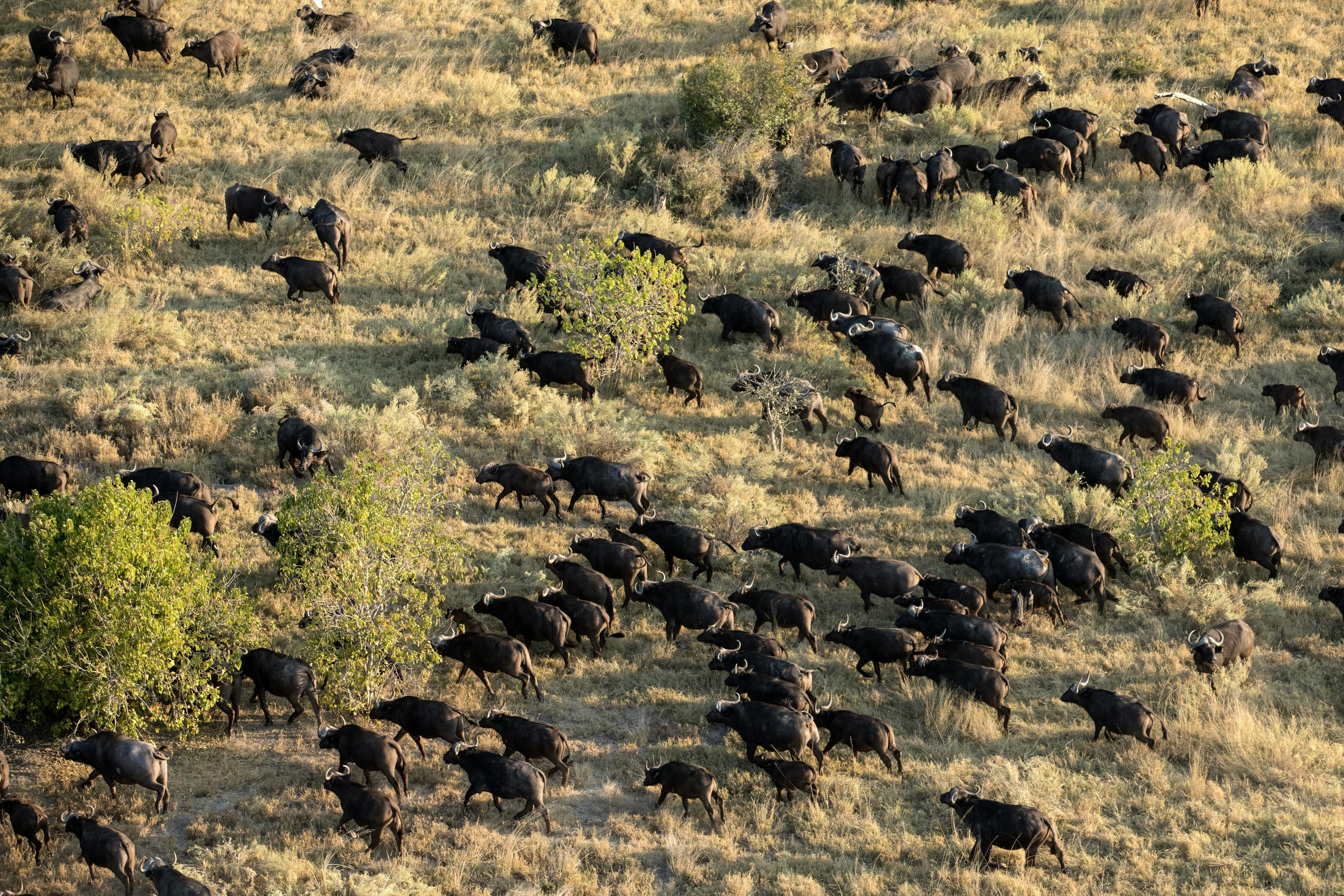
- Rich wildlife: Elephants, buffalo, lion, leopard, hippo and one of Tanzania’s important populations of African wild dog.
- Varied habitats: Seasonal floodplains, forested channels and open woodlands create diverse photographic scenes and year-round interest.
Top experiences
1. Dawn & dusk boat safaris on the Rufiji
Glide quietly past hippo pools and sandbanks at sunrise or sunset — boat trips concentrate wildlife sightings and make for spectacular photography. Short (2–3 hour) and full-day options are widely offered.
2. Classic 4×4 game drives
Track elephants, lions and wild dogs across open floodplains and miombo woodland. Combining boat and vehicle safaris gives you the best of both worlds.
3. Birding & specialist wildlife
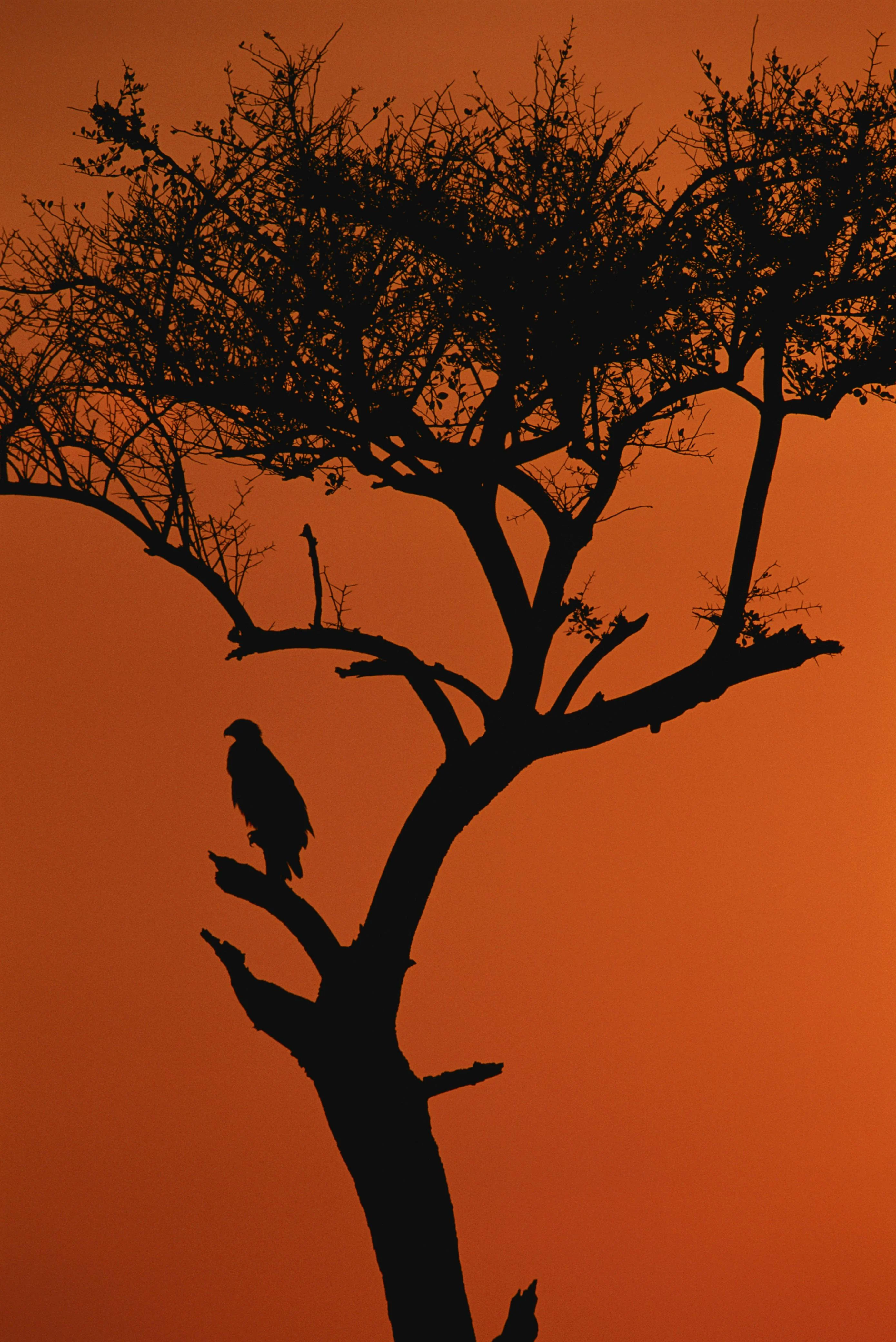
Rufiji’s riverine trees host kingfishers, fish eagles and many migrants; the park’s size supports seasonal concentrations of waterbirds and interesting raptors.
4. Remote-camp luxury
Stay in small, high-comfort camps or mobile, conservation-minded lodges offering private guides, walking safaris in Nyerere National Park and intimate sundowner moments far from crowds.
How to get there
- Fly: Short domestic flights from Dar es Salaam to Mtemere, Kiba or other park airstrips, followed by camp transfers.
- Drive: Overland transfers are possible but long; many guests combine Dar/Zanzibar with a short internal flight for comfort and time savings.
Signature experiences
- Rufiji boat safaris: hippos, crocodiles and waterbirds at sunrise or sunset.
- 4×4 game drives: elephants, lions and wild dogs across floodplains and miombo woodland.
- Birding: riverine habitats support prolific resident and migrant species.
Practical tips
- Packing: Neutral layers, sun protection, binoculars (8–10x), 200–400mm telephoto lens for mammals, insect repellent and a light waterproof.
- Health & safety: Malaria prophylaxis recommended; follow guide safety briefings for boats and life-jacket use.
- Connectivity: Expect limited phone signal; treat Nyerere as a wilderness retreat.
- Booking: Camps are small and seats on charter flights limited — book early for June–October.
Responsible travel & conservation
Nyerere’s protection and tourism revenue are central to regional conservation. We work only with operators that support anti-poaching patrols, community projects and sustainable boat operations that minimise disturbance to river fauna. Ask us for partner lodges that give back to local communities and conservation funds.
FAQ
What is the best time of year to visit Nyerere National Park?
The dry season (June–October) is generally best for wildlife concentrations around permanent water and reliable access; the green season is superb for birding and lush landscapes.
Can I do boat safaris on the Rufiji River?
Yes — licensed operators run dawn, sunset and full-day boat safaris that are excellent for hippo, crocodile and bird watching.
Are there wild dogs in Nyerere?
Nyerere is an important area for African wild dog conservation and sightings are possible, though sightings can never be guaranteed.
How do I reach Nyerere from Dar es Salaam?
The fastest option is a domestic flight to park airstrips (e.g., Mtemere) followed by a short transfer; overland drives are long and typically combined with other southern-circuit legs.
Ready to explore Nyerere?
Ready for a private Nyerere itinerary with river safaris, remote camps and specialist guides? Tell us your travel dates, group size and wildlife priorities (boat safaris, wild-dog tracking, photography) and we’ll build a personalised proposal with camp options, flight logistics and conservation partners.
Explore Further
Read our best time to visit Tanzania,safari cost guide, or packing list.
Explore all destinations,Serengeti,Ruaha,Mikumi, or Tanzania safaris.
Read our planning guide,Serengeti guide, or browse our journal.