Safari Experiences
Walking Safaris in Tanzania – Explore the Bush on Foot
Experience the wilderness at ground level with expert guides
On Foot
2–4 hours exploring the bush at ground level
Armed Ranger
Licensed guide + armed escort for safety
Small Groups
Maximum 6 guests per walking safari
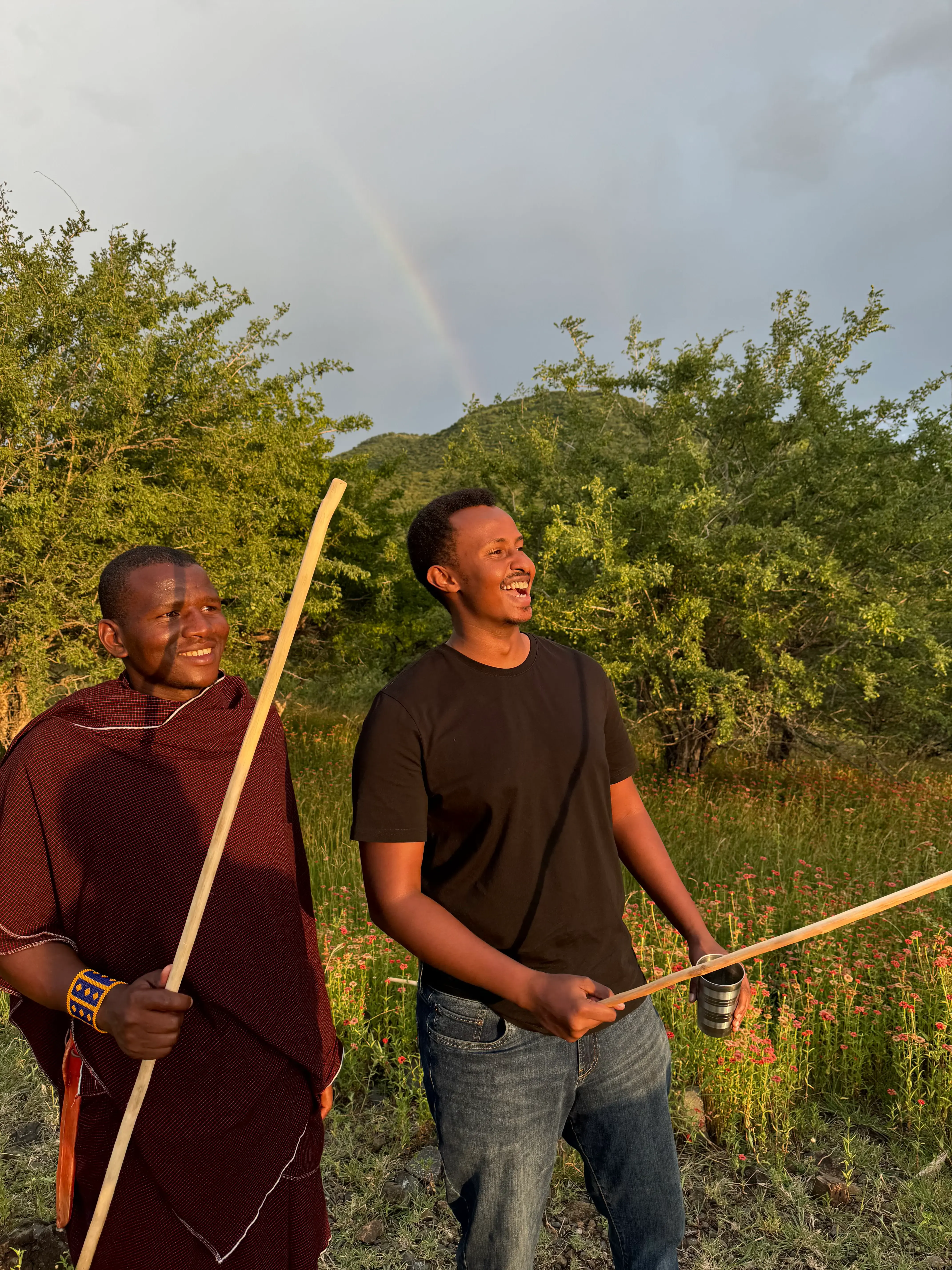
Walking safaris in Tanzania offer the most intimate way to experience the African wilderness. Without the barrier of a vehicle, you become part of the landscape—feeling the breeze, hearing every sound, and sensing the wild around you. Led by licensed guides with armed ranger escorts, these ground-level explorations reveal the hidden details that vehicles rush past: animal tracks, medicinal plants, dung beetles at work, and birdlife at eye level.
Why Walking Safaris Are the Ultimate Safari Experience
Nothing compares to the heightened senses of a walking safari Serengeti experience. On foot, every sound carries meaning—the alarm call of a francolin signals predator presence, the rustle of grass reveals antelope movement, and your own footsteps become part of the bush's acoustic landscape. This sensory immersion simply isn't possible from a vehicle.
Your expert guide transforms the walk into a masterclass in bushcraft. Learn to read animal tracks (spoor) like a book—identifying species, determining when they passed, understanding their behavior, and even estimating their emotional state. Elephant footprints reveal size and direction; predator tracks show hunting patterns; dung piles indicate diet and recency. These tracking skills reveal the hidden stories written on the ground that vehicles never access.
Small ecology comes alive at ground level. Watch dung beetles rolling their spherical treasures, examine the intricate architecture of termite mounds, discover chameleons camouflaged in bushes, and observe the complex relationships between insects, plants, and soil. Your guide identifies medicinal trees used by local communities for centuries—learning their traditional applications connects you to human history in the landscape. The adrenaline of approaching big game on foot—knowing you're in their territory on their terms—creates safari memories that last a lifetime.
What to Expect on a Walking Safari
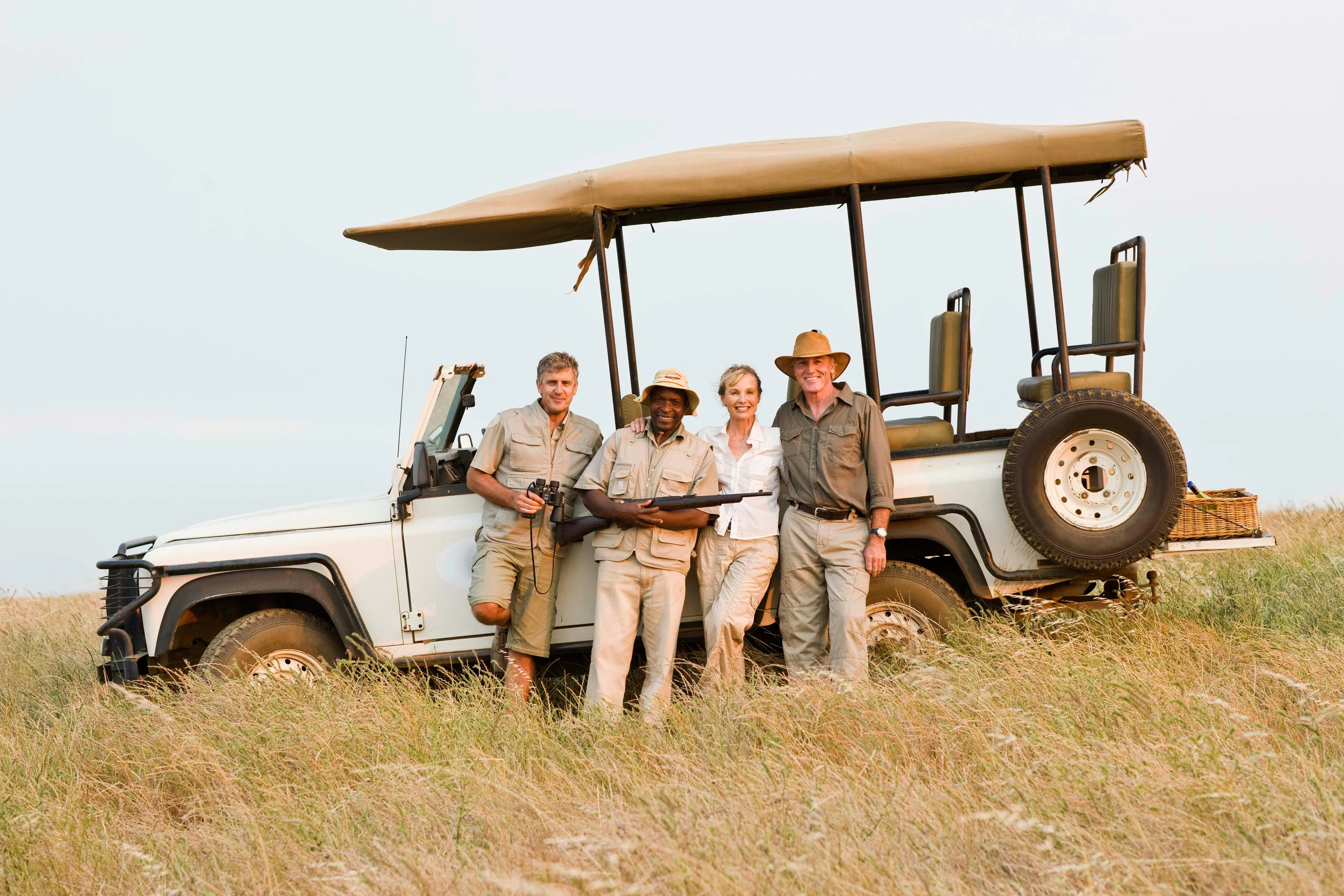
Your walking safari begins with a comprehensive safety briefing. Your licensed guide explains hand signals for silent communication, wind direction awareness for scent control, and emergency procedures. The armed ranger escort introduces themselves and their role—while guides focus on tracking and education, rangers monitor the environment for safety concerns. This dual-guide system ensures both educational depth and security.
The walk itself covers 5–10 km over 2–4 hours, though distances matter less than discoveries. The pace is deliberately slow, with frequent stops to examine tracks, identify plants, listen to bird calls, and observe wildlife behavior. You'll move quietly through the bush, stopping whenever your guide detects something worth investigating. Unlike vehicle drives with their engine noise and elevation, walking allows you to blend into the environment.
Group size remains intimate—maximum 6 guests per walk ensures everyone can hear the guide, maintain quiet when approaching wildlife, and move together safely. Many walks conclude with a bush breakfast or refreshments in a scenic location, giving you time to absorb the experience while enjoying the landscape you've just traversed.
Best Places for Walking Safaris in Tanzania
Nyerere National Park (Selous)
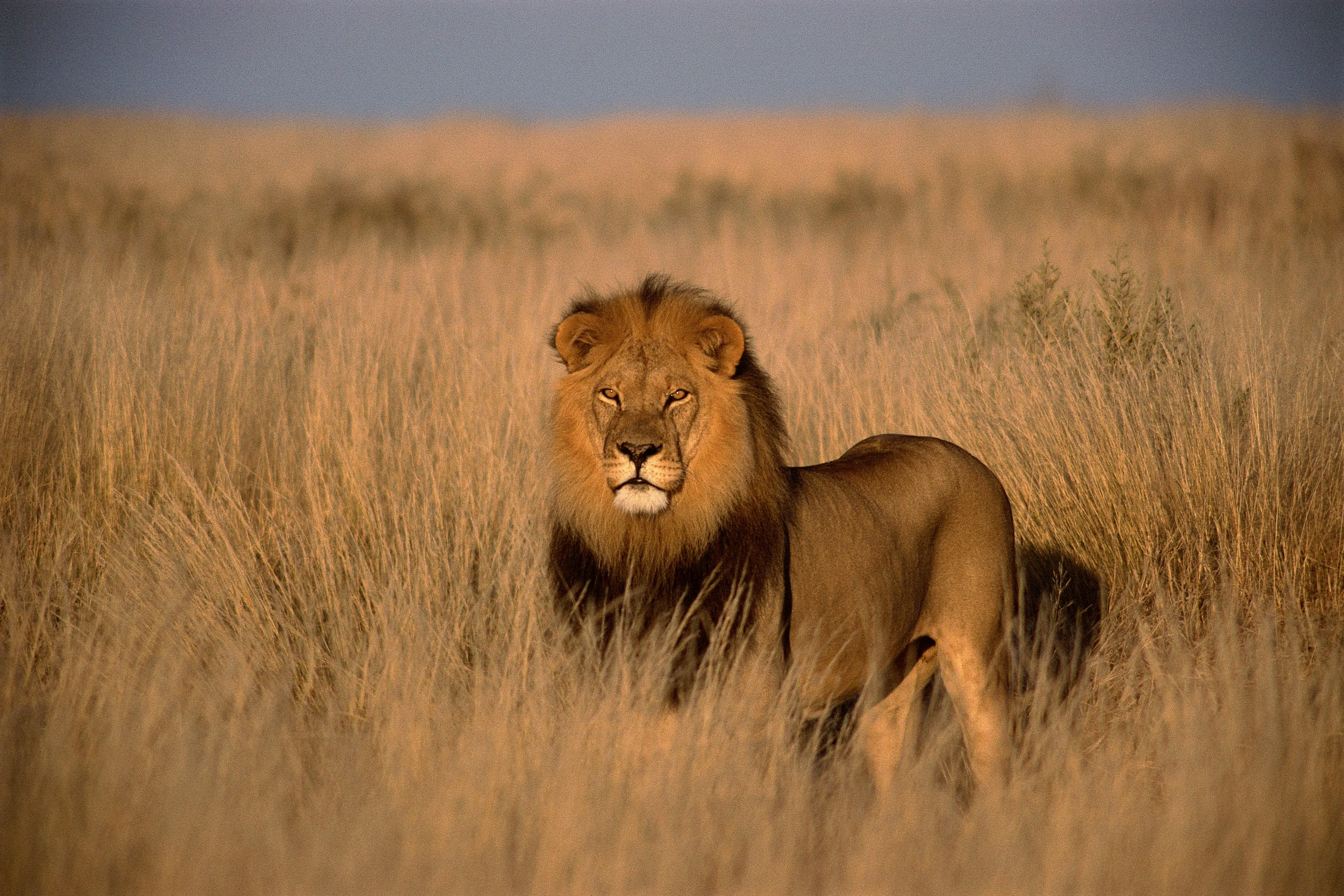
Nyerere National Park (formerly Selous Game Reserve) offers Tanzania's most extensive walking safari opportunities. As Africa's largest stand-alone national park, Nyerere's diverse landscapes—from riverine forests to open grasslands—provide varied walking experiences. The park's policy allows flexible walking routes rather than restricted designated areas, meaning guides can follow fresh tracks wherever they lead. Elephant, wild dog, and lion encounters are possible, though distances are carefully managed for safety. Combine walking safaris with fly camp adventures for multi-day bush immersion.
Ruaha National Park
Ruaha National Park combines spectacular scenery with excellent walking conditions. The park's rocky kopjes and baobab-studded plains create dramatic backdrops for on-foot exploration. Ruaha's lower visitor numbers mean exclusive walking experiences without encountering other groups. The Great Ruaha River attracts wildlife that can be tracked along its banks. Ruaha's guides are renowned for their tracking expertise—generations of knowledge passed down through training programs. Our 8-day southern Tanzania safari includes extended walking safaris in both Nyerere and Ruaha.
Ngorongoro Highlands
The Ngorongoro Highlands offer a completely different walking safari experience from the southern parks. Walking along the crater rim provides spectacular views into Ngorongoro Crater below while exploring cooler, forested terrain. The highlands feature diverse birdlife, smaller mammals, and cultural encounters with Maasai communities. The altitude (2,000–3,000 meters) creates pleasant walking temperatures year-round. These walks focus more on ecology, birding, and landscape appreciation than big game tracking—perfect for combining with morning game drives into the crater itself.
Walking Safari Safety – What You Need to Know
Safety protocols for walking safaris Tanzania are extensive and non-negotiable. Every walk requires both a licensed guide and an armed ranger escort—guides focus on tracking and education while rangers monitor for safety threats. Before departure, you'll receive detailed briefings on hand signals (essential for silent communication), wind direction awareness (animals smell you before they see you), and retreat procedures.
Wind direction determines walking approach—guides position groups downwind from animals to avoid detection. Safe distances vary by species: elephants and buffalos require greater separation than antelopes. If an animal shows signs of stress or aggression, the group immediately retreats using established protocols. Guides carry first aid equipment and maintain radio contact with camp for emergency communication.
Minimum age requirements (typically 16, sometimes 12 for shorter walks) ensure all participants can follow instructions and maintain group discipline. Physical fitness requirements are moderate—walks cover uneven terrain slowly with frequent stops. Guests with mobility concerns should discuss options with their guide before booking.
FAQs About Walking Safaris in Tanzania
What is the minimum age for walking safaris in Tanzania?
How close do you get to animals on a walking safari?
What wildlife can I expect to track on foot?
What should I wear on a walking safari?
Book a Walking Safari with Trail Safari Explorers
Trail Safari Explorers partners with the finest walking safari operators in Nyerere, Ruaha, and Ngorongoro. We select guides based on their tracking expertise, safety record, and ability to communicate the bush's hidden stories. Whether you want a single morning walk or an extended multi-day fly camping expedition, we craft walking safari experiences that match your fitness level, interests, and sense of adventure.
Combine your walking safari Serengeti experience with morning game drives for comprehensive wildlife coverage. Or immerse yourself completely with our walking-intensive southern Tanzania itineraries. Contact Trail Safari Explorers to add the ultimate ground-level safari experience to your Tanzania adventure.
Explore Further
Read our best time to visit Tanzania,safari cost guide, or packing list.
Explore all experiences,destinations,Tanzania safaris, or Zanzibar.
Read our planning guide,Serengeti guide, or browse our journal.