Safari Experiences
Bird Watching in Tanzania – Over 1,100 Species Await
Discover one of Africa's premier birding destinations
1,100+ Species
Tanzania's incredible bird diversity
Expert Guides
Specialist ornithologist guides
Prime Locations
Lake Manyara, Serengeti & more
Bird watching in Tanzania offers one of Africa's most rewarding birding experiences. With over 1,100 recorded species—from iconic African fish eagles to rare Eastern Arc endemics—Tanzania ranks among the continent's top birding destinations. Whether you're a serious twitcher chasing lifers or a casual wildlife enthusiast, our expert-led Tanzania birding tours reveal avian treasures across diverse habitats from montane forests to alkaline lakes.
Why Tanzania Is a World-Class Birding Destination
Tanzania's incredible habitat diversity creates unmatched birding opportunities. The country spans multiple ecosystems—montane forests, savanna grasslands, wetlands, coastal mangroves, and alkaline lakes—each hosting distinct avian communities. This diversity explains the extraordinary species count: more than 1,100 recorded birds in a country smaller than Texas.
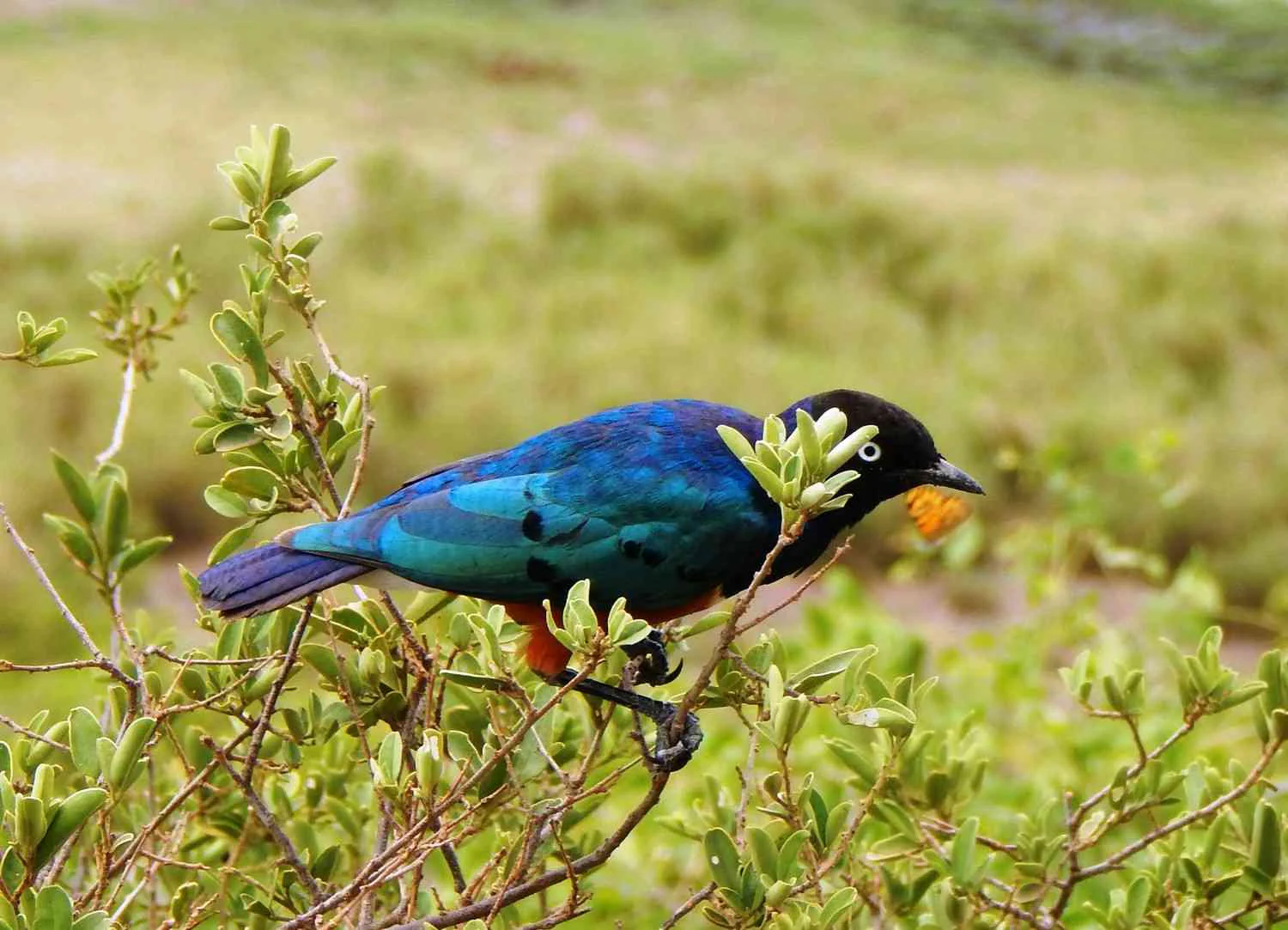
The birding safari Tanzania experience is enhanced by the presence of Palearctic migrants from Europe and Asia (November through April), boosting species diversity by 150+ visiting birds. Resident African specials include the lilac-breasted roller, grey crowned crane, and kori bustard—spectacular species that define the continent's avian identity.
Specialist birding guides make all the difference. Our ornithologists know bird calls, field marks, seasonal movements, and current rarity locations. They carry high-quality spotting scopes and understand the delicate ethics of playback use. Whether you're building your life list or capturing portfolio-quality photographs, expert guidance transforms good birding into extraordinary discovery.
Highlight Species to Look For
Raptors & Eagles
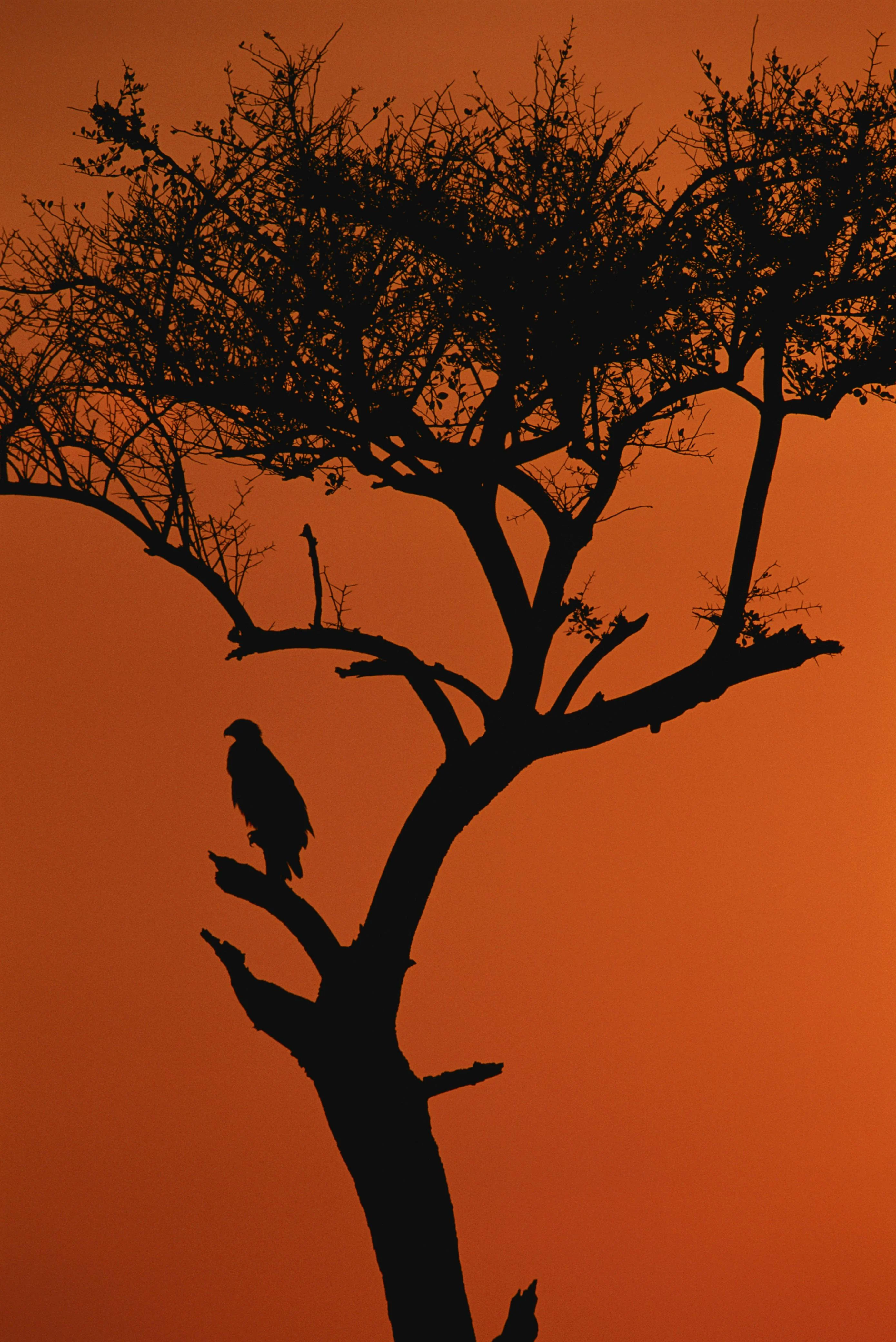
Tanzania's skies host an impressive raptor community. The African fish eagle—known for its iconic descending call—reigns supreme over waterways. Martial eagles, Africa's largest, hunt big game from above. Bateleur eagles perform acrobatic courtship displays. The Secretary bird stalks grasslands on long legs, hunting snakes and rodents. Vultures—white-backed, lappet-faced, and Rüppell's—clean the savanna. Serengeti and Ngorongoro offer exceptional raptor viewing, particularly during migration periods when European and Asian birds join residents.
Flamingos & Waterbirds
Lesser flamingos transform Tanzania's alkaline lakes into seas of pink, with Lake Manyara and Lake Natron hosting thousands of these filter-feeding specialists. Boat safaris reveal the full diversity: African skimmers slicing water surfaces, goliath herons standing motionless as statues, saddle-billed storks displaying their spectacular bills, and pelicans fishing in coordinated groups. The Rufiji River in Nyerere alone hosts over 400 recorded waterbird species.
Endemics & Rarities
The Eastern Arc Mountains shelter Tanzania's most sought-after endemic birds. The Usambara eagle-owl, Udzungwa forest partridge, and Schalow's turaco inhabit montane forests found nowhere else on Earth. The grey crowned crane—Tanzania's national bird—displays elaborate dancing courtship rituals. The kori bustard, world's heaviest flying bird, struts across the Serengeti plains. For dedicated listers, our guides know current locations of rarities like the Pemba scops owl and Kilombero weaver.
Best Birding Locations in Tanzania
Lake Manyara National Park
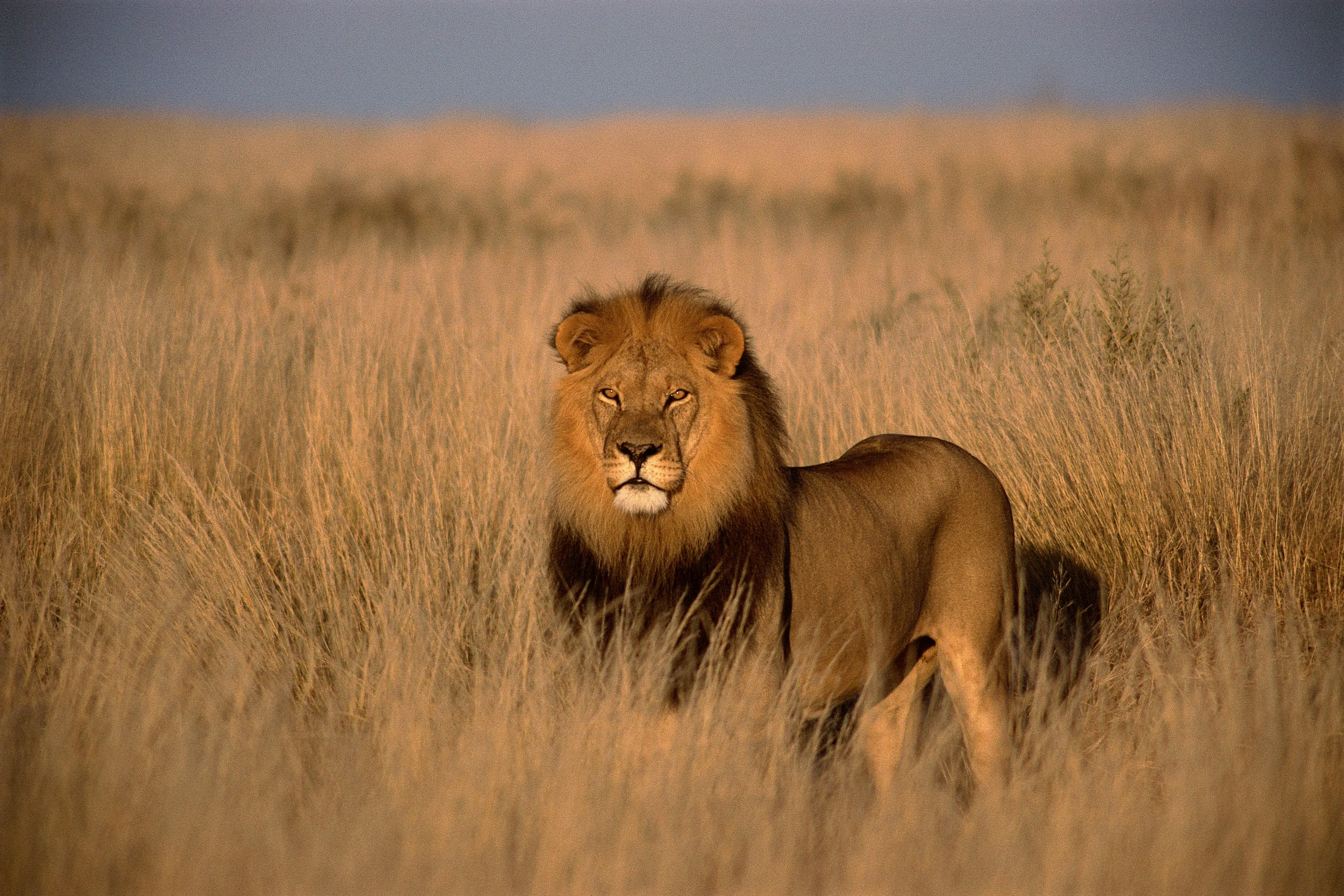
Lake Manyara offers Tanzania's most accessible world-class birding. The alkaline lake attracts thousands of flamingos, pelicans, and storks. The groundwater forest shelters silvery-cheeked hornbills and crowned eagles. The park's compact size means efficient birding—expect 100+ species in a morning. The famous tree-climbing lions share habitat with hundreds of bird species, creating unique photo opportunities.
Ngorongoro Crater
The Ngorongoro Crater floor hosts a different bird community than the rim. The soda lake attracts flamingos and pelicans. Grasslands support ostriches, kori bustards, and secretary birds. Marshes hide rails, crakes, and herons. The crater's contained ecosystem means reliable sightings—this is where many birders first see the magnificent crowned crane displaying. Early morning on the crater floor delivers peak activity before tourist traffic increases.
Serengeti Woodlands
While famous for mammal migration, the Serengeti's acacia woodlands shelter exceptional birdlife. The lilac-breasted roller—perhaps Africa's most photographed bird—perches prominently on branches. Rufous-tailed weavers construct elaborate nests. White-headed buffalo weavers swarm in colonies. Raptors hunt from treetops. Wet season (November–May) brings European migrants, while dry season concentrates birds around remaining water sources. The Seronera area provides the best woodland birding access.
Nyerere (Selous)
Nyerere National Park combines diverse habitats—riverine forest, lakes, woodlands, and grasslands—creating Tanzania's most species-rich birding destination. The Rufiji River hosts over 400 recorded species including the rare Pel's fishing owl. Palm-nut vultures feed on raffia palms. African skimmers and wing-snapping cisticolas inhabit the river channels. The park's lower visitor numbers mean undisturbed birding. Combine boat and vehicle safaris for comprehensive coverage.
Tips for Birding in Tanzania
Early morning (dawn to 9:00 AM) delivers peak bird activity regardless of season. This is when birds are most vocal, actively foraging, and displaying breeding behaviors. Many sought-after species become inactive during midday heat—plan your schedule accordingly.
Binoculars are essential—8x42 or 10x42 configurations offer the best balance of magnification and field of view. Our guides carry spotting scopes for distant viewing. A field guide to East African birds helps with preliminary identification. eBird checklists for specific locations help set realistic expectations.
Photography requires patience and appropriate gear. A 300mm lens is minimum recommended; 400–600mm ideal for small or distant birds. Guides know positioning for light and can predict behavior for action shots. Consider joining a citizen science bird count to contribute observations while learning.
FAQs About Tanzania Bird Watching
Do I need to be an experienced birder to join?
What birding equipment should I bring?
How many bird species can I expect to see?
When is the best time for birding in Tanzania?
Add Birding to Your Tanzania Safari
Bird watching integrates seamlessly with traditional wildlife safaris. Early morning birding sessions (6:00–9:00 AM) don't interfere with daytime game drives for big mammals. In fact, the best birding safari Tanzania experiences enhance overall wildlife knowledge—learning bird alarm calls helps locate predators, understanding habitat preferences reveals ecosystem relationships.
Trail Safari Explorers offers flexible birding options: half-day excursions for casual interest, multi-day specialist tours for dedicated birders, and photography-focused outings for camera enthusiasts. We maintain relationships with Tanzania's finest ornithologist guides and track current rarity reports. Contact us to add expert-led birding to your Tanzania safari adventure.

Explore Further
Read our best time to visit Tanzania,safari cost guide, or packing list.
Explore all experiences,destinations,Tanzania safaris, or Zanzibar.
Read our planning guide,Serengeti guide, or browse our journal.