Safari Experiences
Citizen Science Bird Count in Tanzania – Safari with a Purpose
Contribute to real conservation science while birding
eBird Data
Contribute to global bird databases
Expert Ornithologists
Learn from specialist bird guides
Conservation Impact
Real data for conservation science
Transform your birding conservation Tanzania experience into meaningful scientific contribution. Our citizen science bird count Tanzania programs combine expert-guided birding with standardized data collection that feeds directly into global conservation databases. Whether you're a seasoned birder or enthusiastic beginner, your observations matter.
What Is a Citizen Science Bird Count?
Citizen science Tanzania safari experiences leverage the power of trained volunteers to collect data at scales impossible for professional researchers alone. Our bird counts follow established protocols from eBird, the Christmas Bird Count, and other standardized methodologies. You'll record species presence, abundance estimates, breeding behavior, and habitat associations.
Unlike casual birding where you simply observe, citizen science involves systematic data recording. You'll learn to conduct timed point counts, complete checklists, and photograph unusual sightings for documentation. Expert ornithologists accompany all counts to verify identifications and ensure data quality.
How You'll Contribute to Conservation
Your bird count Tanzania contributions directly support multiple conservation applications. Aggregated data reveals population trends over time—are species increasing, decreasing, or stable? Distribution data shows range shifts, potentially documenting climate change impacts. Breeding observations inform reproductive ecology studies.
This information guides protected area management decisions, identifies species requiring conservation intervention, and documents the effectiveness of habitat restoration. Tanzania's position as a critical wintering ground for Palearctic migrants means your data also contributes to international conservation agreements.
What the Experience Involves
A typical citizen science bird count Tanzania day begins before dawn. You'll meet your expert guide for a briefing on the day's protocol and target species. Morning point counts capture peak bird activity. Between formal counts, you'll conduct opportunistic observations and photography.
Midday brings data entry and lunch while birds are less active. Afternoon may include habitat assessments or seeking specific target species. Evenings involve compiling checklists and discussing findings. Multi-day programs allow comprehensive coverage of different habitats and time for extended birding between structured counts.
Where the Bird Counts Take Place
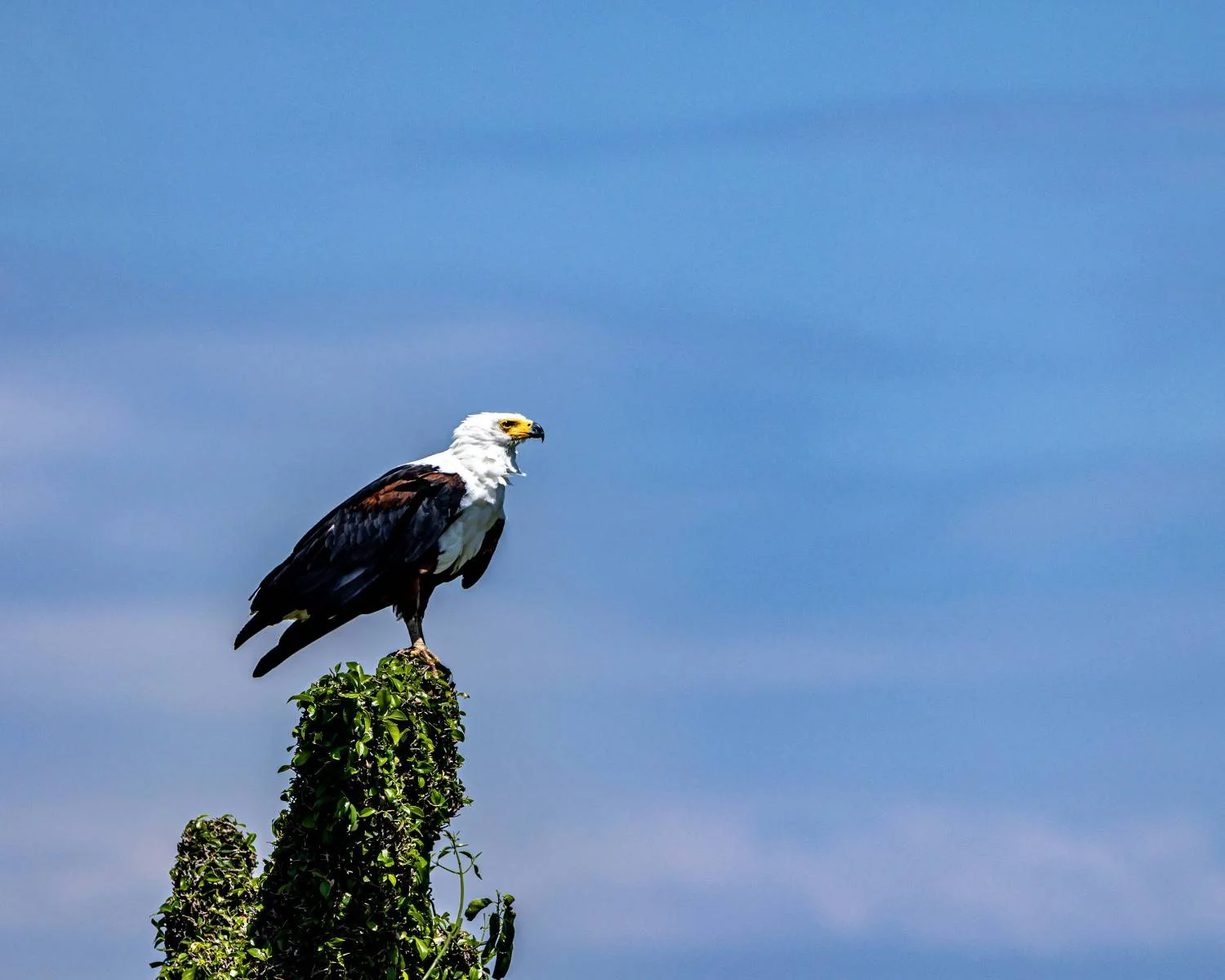
Our birding conservation Tanzania programs operate in key biodiversity areas. Serengeti National Park offers savanna species including raptors, bustards, and migrant shorebirds. Lake Manyara provides exceptional waterbird diversity with over 400 recorded species.
Ngorongoro Crater delivers high-density birding with easy viewing. Tarangire specializes in dry-country species and massive elephant herds as a bonus. Multi-location programs maximize species totals and habitat diversity, providing the most comprehensive contribution to conservation databases.
Who Can Participate?
Everyone! Citizen science Tanzania safari programs welcome all skill levels. Beginners learn bird identification from experts while contributing basic presence/absence data. Intermediate birders tackle point counts and abundance estimates. Experts can handle challenging identifications and mentor others.
Families with teenagers, university students, retirees, and professional ornithologists all participate successfully. The collaborative atmosphere emphasizes learning and contribution over expertise. You'll leave with improved birding skills and documented conservation contributions.
FAQs About Citizen Science Safaris
What is a citizen science bird count?
Do I need to be an expert birder to participate?
Where do the bird counts take place?
How does my participation help conservation?
Make Your Safari Count – Book Today
Join a citizen science bird count Tanzania program and transform your safari into meaningful conservation action. Trail Safari Explorers coordinates with research partners to ensure your data meets scientific standards while providing an exceptional birding experience.
Programs range from single-day counts to two-week comprehensive surveys. Contact us to find upcoming citizen science opportunities and add purposeful birding to your Tanzania itinerary. Your observations will contribute to avian conservation long after you've returned home.
Explore Further
Read our best time to visit Tanzania,safari cost guide, or packing list.
Explore all experiences,destinations,Tanzania safaris, or Zanzibar.
Read our planning guide,Serengeti guide, or browse our journal.