Tanzania
Migration Return & Pre-Calving Positioning
Southern Serengeti and Ndutu: Migration Hub
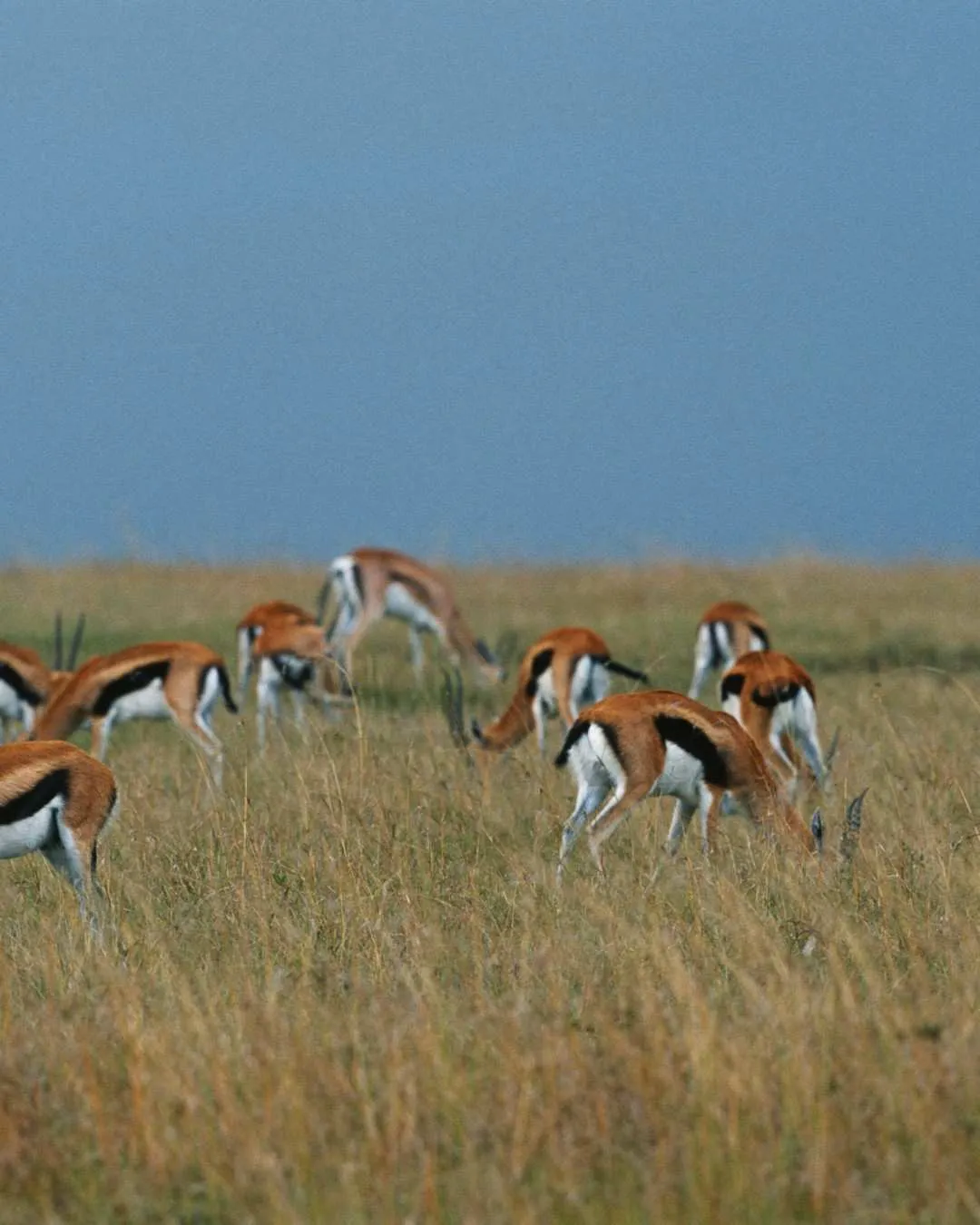
The southern Serengeti plains and Ndutu region become December's wildlife epicenter as the migration herds return home. This area, straddling the boundary between Serengeti National Park and Ngorongoro Conservation Area, features the short-grass plains that will sustain the migration through the calving season. The volcanic soil in this region creates the most nutritious grasses in the entire Serengeti ecosystem, rich in minerals such as phosphorous, magnesium and sodium—perfect for wildebeest and especially their young.
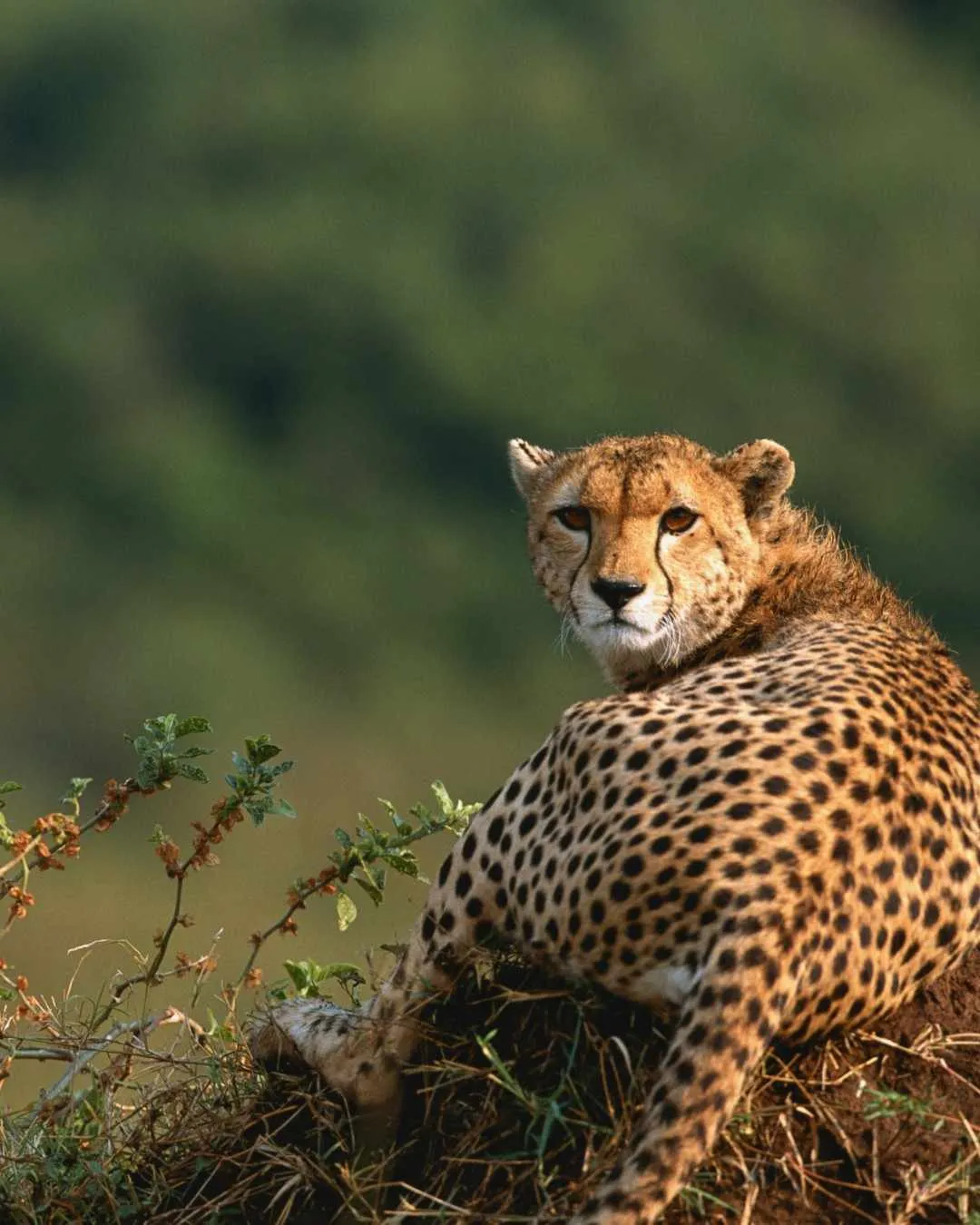
Migration Dynamics: Transitional movement (early December may find herds still descending), southern plains arrival (mid-to-late December sees increasing concentrations), pre-calving positioning (pregnant females seek nutrient-rich volcanic grasslands), dispersed patterns (herds spread across vast areas), predator following (lions, leopards, cheetahs, and hyenas shadow the migration).
Central Serengeti (Seronera): Year-Round Excellence
While migration attention shifts south in December, the central Serengeti's Seronera Valley maintains outstanding resident wildlife populations. This region's permanent water sources (Seronera River, Orangi River) support year-round concentrations of predators and prey, creating reliable game viewing independent of migration movements.
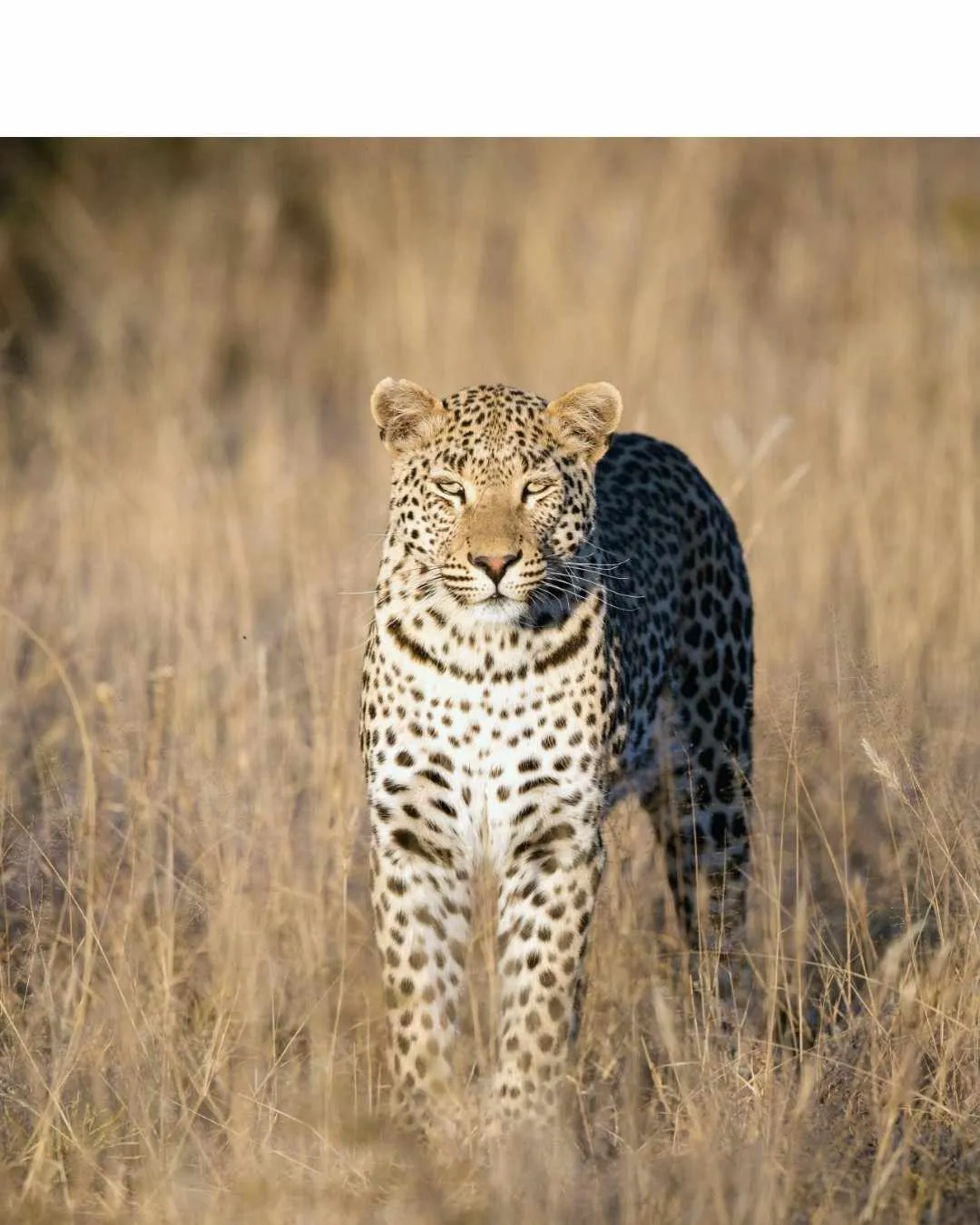
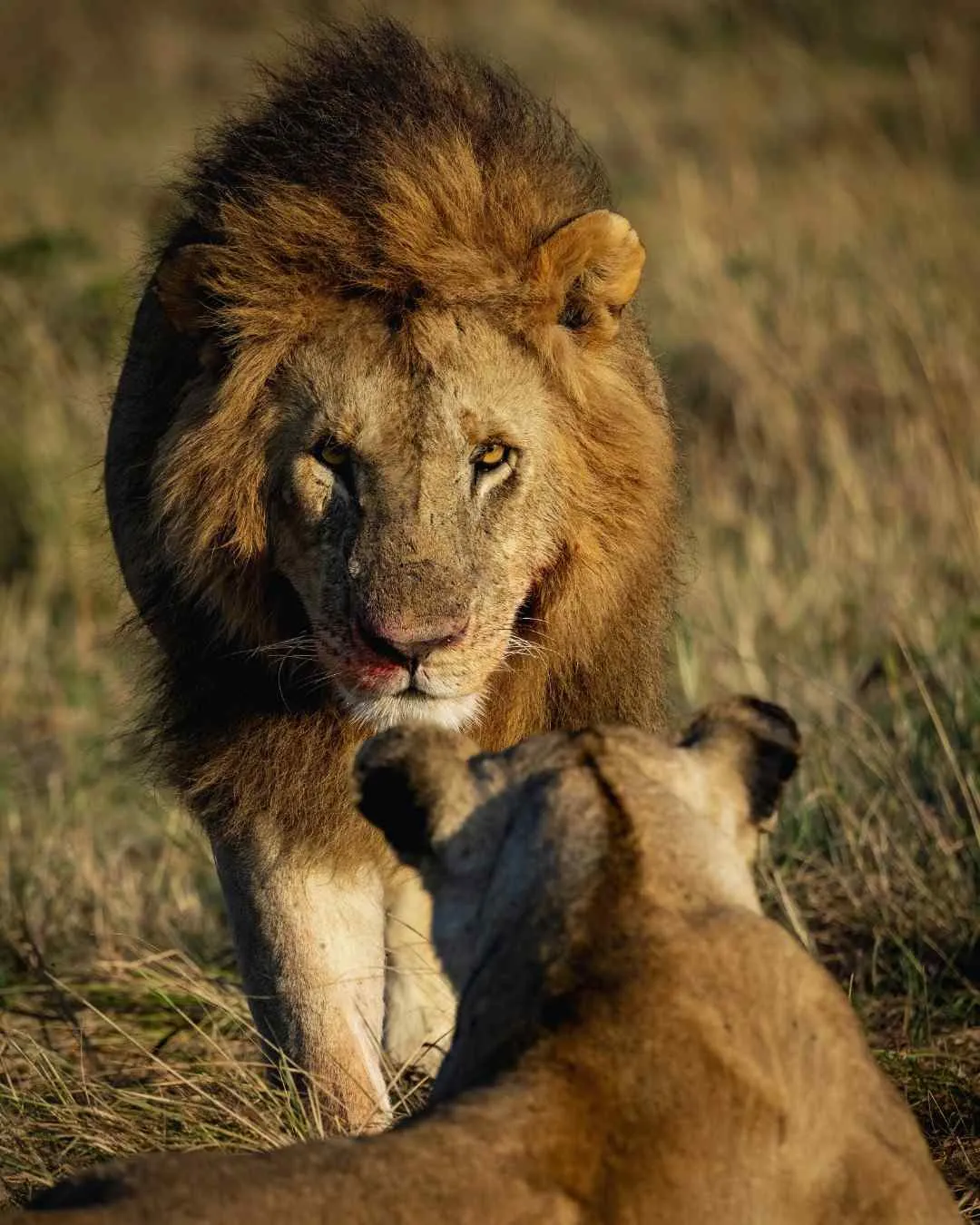
December in Seronera: Leopard paradise (kopjes and riverine forests host exceptional leopard densities), lion prides (multiple resident prides maintain territories, often with cubs), hippo pools (Seronera River's hippo pools remain active year-round), diverse habitats (transition zone between plains and woodlands), migration transients (some migration animals pass through during December's southward movement).
Ngorongoro Crater: Consistent Big Five Excellence
The Ngorongoro Crater delivers world-class December safari experiences, completely independent of migration patterns. The crater floor's approximately 25,000 large mammals remain resident year-round, with December's short rains creating optimal conditions for wildlife viewing and photography.
Tarangire National Park: Elephants and Birds
December finds Tarangire National Park in its green season, presenting dramatically different landscapes from the famous dry season elephant concentrations. The Tarangire River flows strongly following recent rains, supporting diverse wildlife across the park's varied habitats. December is perfect for birdwatching as migratory birds arrive, particularly in Tarangire National Park.
December Tarangire Highlights: Elephant families (while not at peak dry season densities, elephant herds remain visible), birdwatcher's paradise (over 550 species including spectacular numbers of migrants), baobab beauty (iconic baobab trees stand magnificently), predator activity (lions, leopards, and cheetahs patrol regularly), lush scenery (green vegetation creates beautiful photographic conditions).
Lake Manyara National Park: Compact Diversity
Lake Manyara's diverse habitats—groundwater forest, open grasslands, acacia woodlands, and the alkaline lake—all flourish during December. The compact park (330 square kilometers) delivers comprehensive wildlife viewing in easily accessible settings, making it ideal for day visits or overnight stops.
December at Manyara: Tree-climbing lions (famous lions rest in ancient fig and acacia trees), forest wildlife (large olive baboon troops, blue monkeys, forest elephants), flamingo flocks (variable numbers grace the alkaline lake), diverse mammals (buffalo, giraffes, zebras, wildebeest, impalas), exceptional birding (over 400 species include numerous migrants).