Why Ruaha
- Remote, low-crowd safaris with long, private game drives.
- Predator-rich ecosystem including endangered African wild dog.
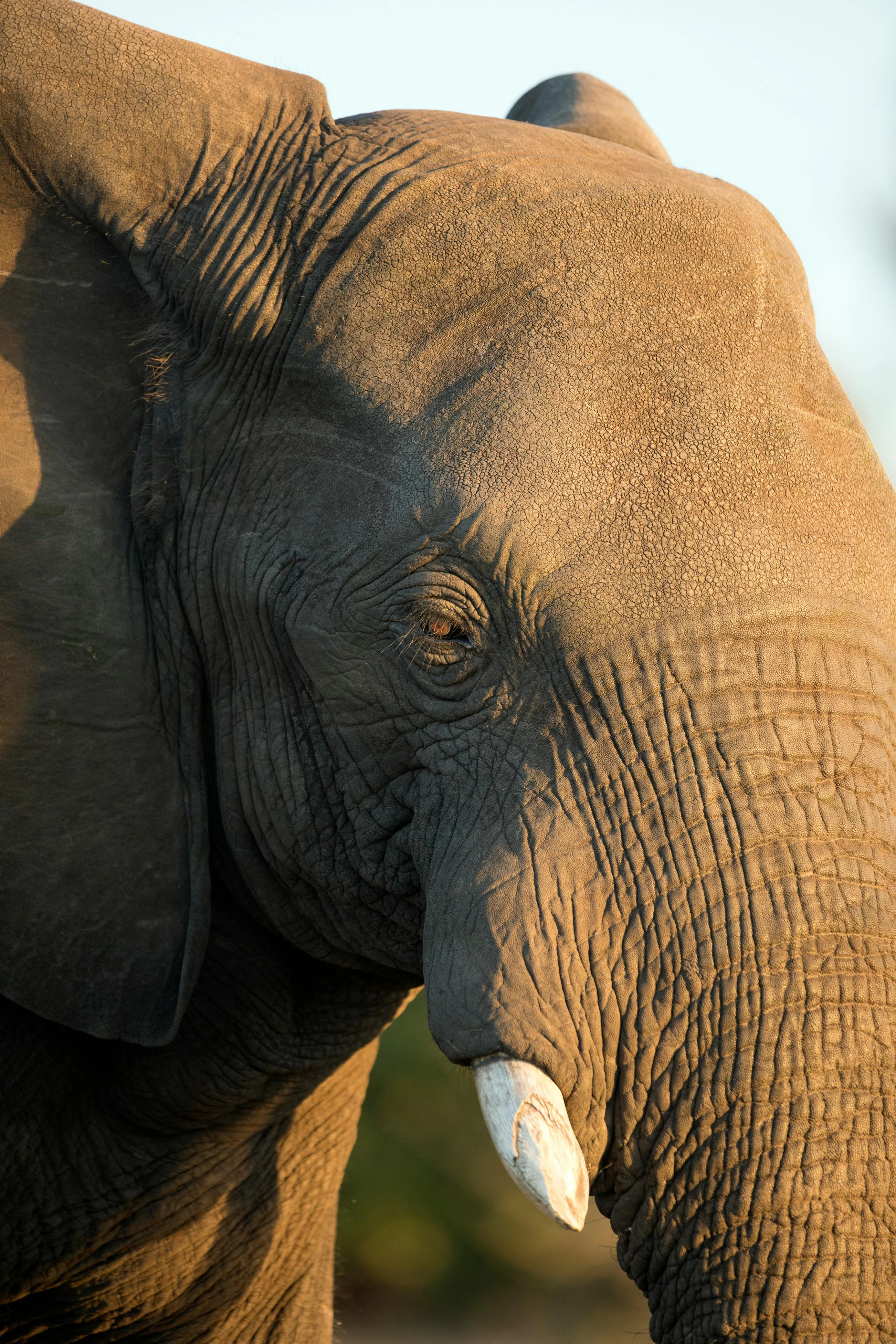
- Exceptional elephant density along the Great Ruaha River.
Best time
June–October for concentrated river sightings and reliable access; Nov–Apr for greener landscapes and birding.
Getting there
Scheduled charters and light aircraft fly into Msembe and Jongomero airstrips; overland transfers are possible from Iringa or Dar with 4x4 vehicles.
Overview
Ruaha National Park is Tanzania’s vast southern wilderness — rugged landscapes, ancient baobabs and the life-giving Great Ruaha River that attracts large concentrations of wildlife. With far fewer visitors than the northern circuit, Ruaha delivers intense predator action, huge elephant herds and true off-the-beaten track safari days paired with high-end camps and expert naturalist guides.
Why visit Ruaha?
- Remote, low-crowd safaris: Long, private drives with fewer vehicles at sightings.
- Predator-rich ecosystem: Lions, leopards, cheetah and endangered wild dogs.
- Exceptional elephant density: One of East Africa’s highest elephant densities.
- Dramatic, varied terrain: Mopane woodlands, baobab plains, riverine forest and rocky kopjes.
When to go — quick guide
- Dry season (June–October): Prime time — animals congregate around permanent water and the river; access is more reliable.
- Wet/green season (Nov–Apr): Lush landscapes, newborns and great birding; some roads can be slow.
How to get there
Scheduled charters and light aircraft fly into Msembe and Jongomero airstrips, and overland transfers are possible from Iringa or Dar with 4×4 vehicles. We coordinate the most efficient routing based on your overall Tanzania plan.
Top highlights
- Great Ruaha River: dry-season wildlife concentrations and classic riverside viewing.
- Predators & wild dogs: strong chances for dynamic predator encounters.
- Baobabs & kopjes: standout landscapes for sunrise/sunset photography.
- Birding & seasonal life: rewarding birding during and after the rains.
Sample 6-day plan
- Day 1: Arrive Iringa / fly to Msembe; evening brief and sunset drive.
- Day 2–4: Full-day private game drives; optional guided walking safaris in Ruaha and river picnic.
- Day 5: Extended exploration to kopjes and baobab stands; experience fly camping under the Ruaha stars.
- Day 6: Morning drive and flight/transfer onward.
Itineraries are tailored for photography, family travel, or specialist wildlife interests (e.g., wild dog tracking). Combine with Nyerere National Park – combine with Ruaha for the ultimate southern circuit.
Practical tips
- Vehicle & guide: 4×4 vehicles with experienced naturalist guides are essential.
- Packing: Neutral layers, strong binoculars, telephoto lens (200–400mm), insect repellent and good walking shoes.
- Health & safety: Malaria precautions advised; carry travel insurance and follow guide safety briefings.
- Connectivity: Expect limited or no phone signal in many areas.
- Booking window: Remote camps have limited beds — book early, especially in June–Oct.
Responsible travel & current context
Tourism revenue is vital to Ruaha’s conservation, but recent development and resettlement projects in the southern circuit have created complex community and human-rights concerns. We work only with partners who commit to ethical community engagement and conservation funding, and we brief guests transparently about local issues so travel benefits people and wildlife.
FAQ
How large is Ruaha National Park?
Ruaha covers roughly 20,226 km², making it the largest national park in Tanzania and one of Africa’s largest protected areas.
When is the best time to visit Ruaha for predators and elephants?
June–October is best — animals concentrate near the Great Ruaha River.
Can I fly directly into Ruaha?
Yes — small aircraft operate scheduled and charter flights into Msembe and Jongomero airstrips; we’ll arrange transfers that match your international arrival.
Is Ruaha suitable for families or first-time safari-goers?
Yes — families and first-timers who want active wildlife days and fewer crowds enjoy Ruaha, though the remote nature means slightly rougher logistics than the northern parks.
Related links
Ready to explore Ruaha?
Ready for an authentic, low-crowd African safari? Share your travel dates, group size and wildlife priorities (predators, elephants, photography) and we’ll design a private Ruaha itinerary with the best camp options, transfers and conservation-focused operators.
Explore Further
Read our best time to visit Tanzania,safari cost guide, or packing list.
Explore all destinations,Nyerere,Mikumi,Katavi, or Tanzania safaris.
Read our planning guide,Serengeti guide, or browse our journal.