Safari Experiences
Fly Camp Adventures in Tanzania – Sleep Under the Stars in the Wilderness
Experience the most authentic night in the African bush
Lightweight Camp
Stretcher beds & sleeping bags under stars
Armed Escort
Professional ranger for safety
Bush Shower
Simple comforts in the wilderness
Fly camp safari Tanzania experiences represent the purest form of bush immersion. Unlike permanent lodges or even luxury tented camps, fly camps use no permanent structures—just lightweight equipment transported to remote wilderness locations for one or two nights. Sleep on stretcher beds under the Milky Way, shower under a bucket, and fall asleep to the distant roar of lions. This is fly camping Africa at its most authentic.
What Is a Fly Camp?
The term "fly camp" originates from early African safaris where lightweight camps were "flown" ahead of the main expedition to establish forward bases. Today, it describes mobile camping with minimal gear and maximum wilderness immersion. Your crew transports equipment by vehicle or porters to a remote location, sets up simple tents or sleeping areas, and creates a functional camp from scratch.
Unlike luxury glamping with permanent fixtures, fly camps embrace simplicity. You sleep on elevated stretcher beds with quality sleeping bags and mosquito nets—not ground mattresses. Meals cook over open fires. A simple bush shower provides basic hygiene. Long-drop toilets maintain environmental standards. The focus is on experiencing authentic wilderness rather than being insulated from it.
The privilege of fly camping comes from accessing areas impossible for permanent camps. Deep in Nyerere or Ruaha, you hear no generator hum, see no vehicle headlights, encounter no other tourists. Just the African night in its purest form.
The Fly Camp Experience – From Dusk to Dawn
Your fly camp adventure typically begins with an afternoon walking safari or game drive to the remote location. The crew has preceded you to establish camp—tents up, water heated, fire burning. You arrive to find your stretcher bed prepared, gear stowed, and refreshments waiting.
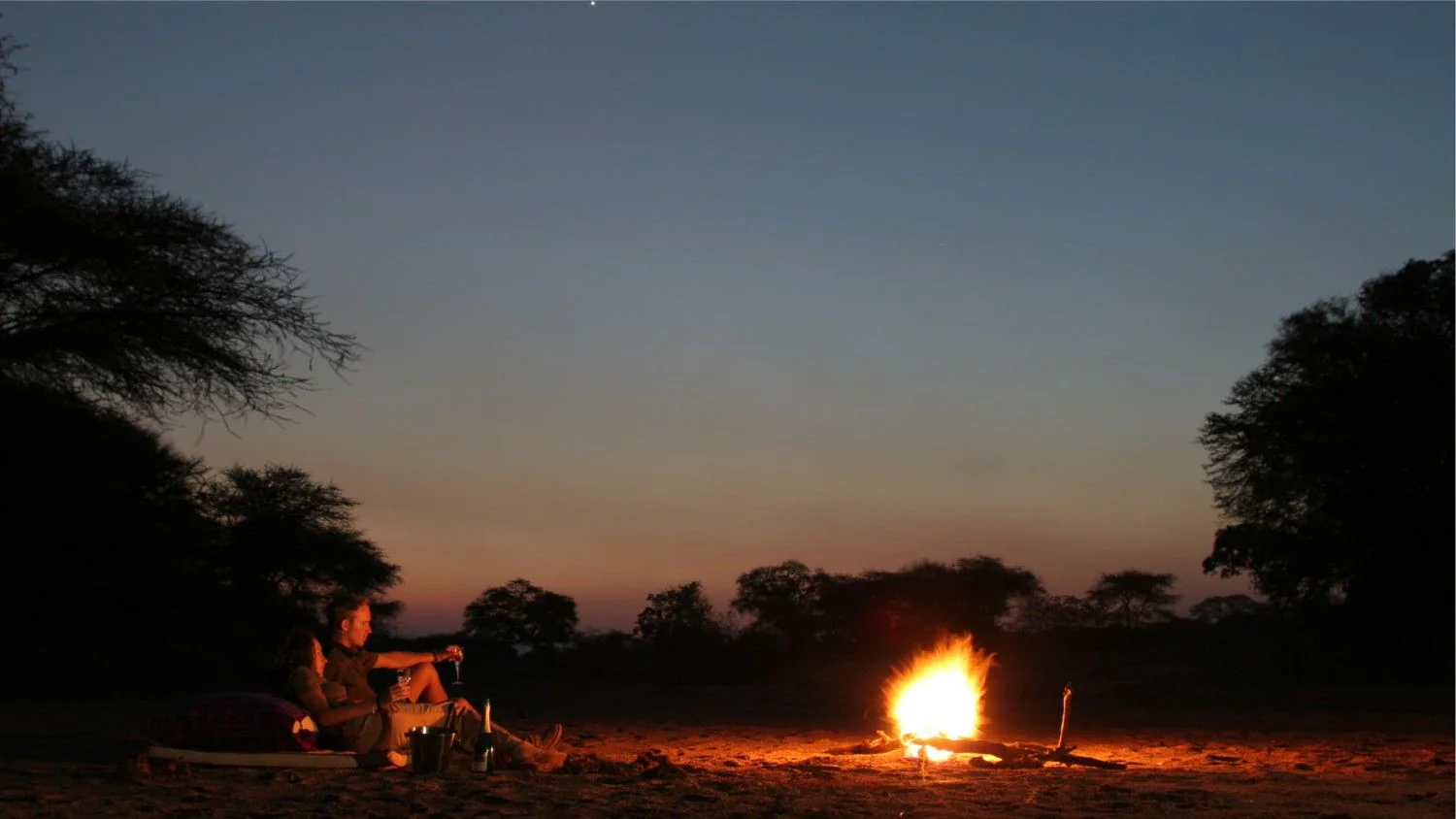
As sunset approaches, you gather around the campfire for drinks and stories. Dinner cooks over open coals—simple but delicious meals enhanced by the wilderness setting. After dinner, the Milky Way dominates the sky unspoiled by light pollution. Your armed ranger remains vigilant while you stargaze, identifying constellations and listening to the night sounds of the bush.
Sleeping in a fly camp means hearing everything—hyenas whooping in the distance, the soft rustle of small mammals, perhaps the distant roar of a lion marking territory. These sounds, which might disturb in a lodge, become the soundtrack of authentic adventure when you're properly immersed. The stretcher bed keeps you elevated and comfortable; the mosquito net provides security; the sleeping bag offers warmth against the African night chill.
Dawn arrives with bird chorus and the glow of sunrise. A simple bush shower—warm water from a bag with a tap—refreshes you for the day. After breakfast, you might enjoy a morning walking safari back toward your main camp, or a game drive through areas inaccessible to day-trippers. The experience concludes with a profound sense of having truly slept in the wild.
Where Fly Camps Operate in Tanzania
Fly camps operate primarily in southern Tanzania where park regulations permit mobile camping. Nyerere National Park (formerly Selous Game Reserve) offers exceptional fly camp terrain across its diverse ecosystems—riverine forest, lakes, and open grasslands. The park's vastness allows camps to be positioned far from roads and other tourists, creating genuine isolation. Combine fly camping with night game drives for comprehensive nocturnal wildlife coverage.
Ruaha National Park provides a different fly camp experience among baobabs and rocky kopjes. The Great Ruaha River attracts wildlife that can be observed from camp. Ruaha's lower visitor numbers mean exclusive experiences without encountering other groups. The park's rugged terrain creates natural amphitheaters for campfire dining under spectacular starscapes.
Northern parks like Serengeti and Ngorongoro restrict mobile camping to designated areas, making true fly camping experiences unavailable there. For authentic fly camping, southern Tanzania is essential. Our itineraries combine Nyerere and Ruaha for comprehensive fly camp adventures across varied landscapes.
What's Included in a Fly Camp Adventure
Your fly camp adventure includes all necessary equipment: elevated stretcher beds with mattresses, quality sleeping bags rated for African nights, mosquito nets, and camp lighting. The crew provides all meals—breakfast, lunch, dinner, and refreshments—prepared over open fires with proper food safety protocols.
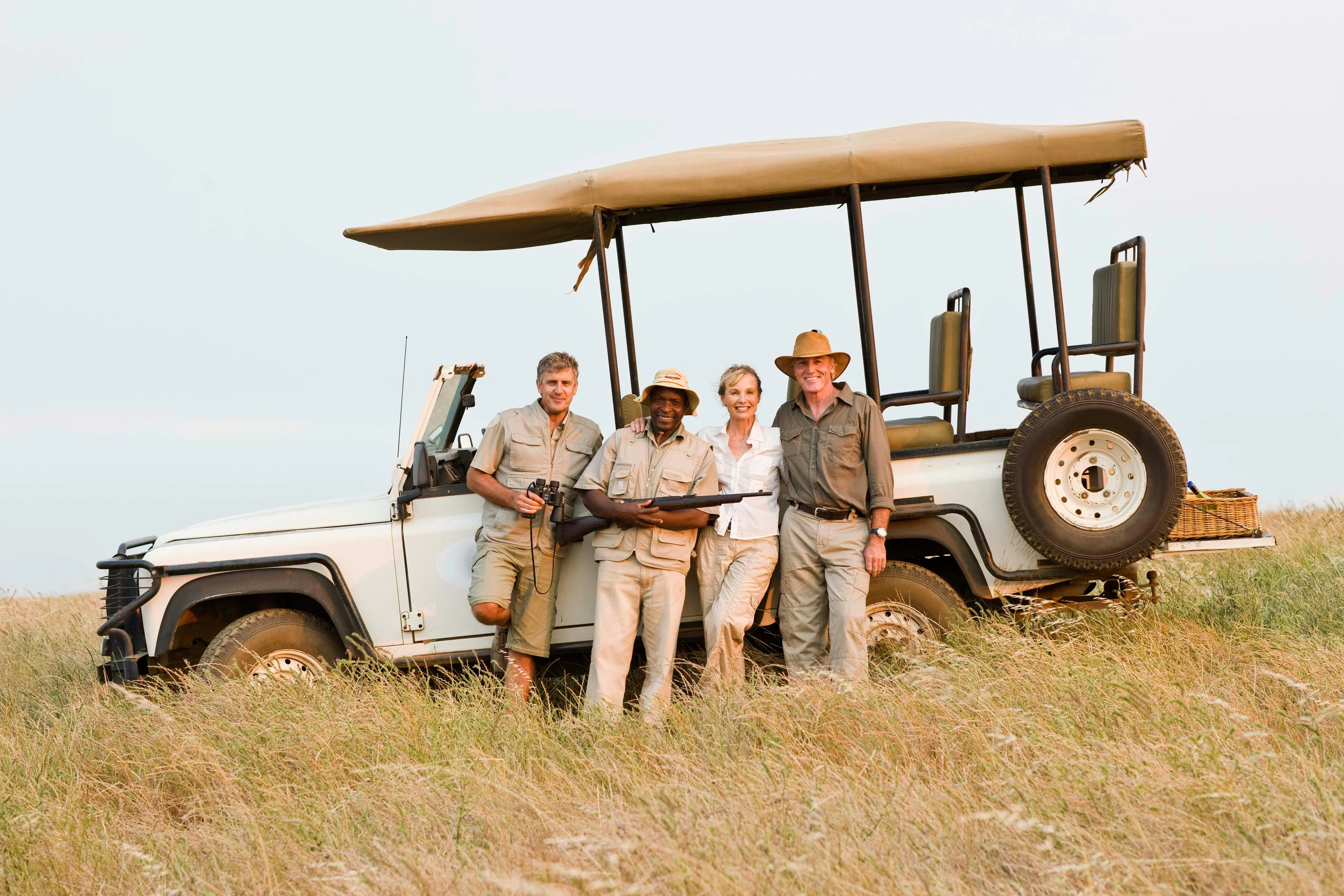
An armed ranger escort remains with the camp throughout your stay, providing security and wildlife knowledge. Basic hygiene facilities include a bush shower (heated water bag with tap) and long-drop or portable toilet. All camp setup and breakdown is handled by the crew—you simply arrive and enjoy.
What to bring: Personal toiletries, insect repellent, headlamp or flashlight, warm layer for night (temperatures can drop surprisingly), and sense of adventure. We provide everything else. Binoculars and camera recommended for wildlife observation from camp.
FAQs About Fly Camping in Tanzania
What exactly is a fly camp safari?
Where do fly camps operate in Tanzania?
What amenities are included in a fly camp?
Is fly camping safe?
Who Is Fly Camping For?
Fly camping suits adventurous travelers seeking authentic wilderness immersion. You don't need to be an extreme outdoors enthusiast—basic fitness and reasonable comfort with simple amenities are sufficient. The experience particularly appeals to photographers wanting dawn/dusk access to remote locations, wildlife enthusiasts seeking complete immersion, and travelers who've "done" luxury safaris and want something genuine.
Fly camping is not recommended for young children (under 12), those with mobility limitations, or travelers requiring constant amenities. The experience is intentionally rustic—if you need air conditioning, ensuite bathrooms, or room service, stick to lodges. But if you want to hear lions roar from your bed and wake to birdsong with no human sound for miles, fly camping delivers the ultimate fly camp safari Tanzania experience.
Explore Further
Read our best time to visit Tanzania,safari cost guide, or packing list.
Explore all experiences,destinations,Tanzania safaris, or Zanzibar.
Read our planning guide,Serengeti guide, or browse our journal.