Safari Experiences
Photographic Safaris in Tanzania – Capture Africa in Every Frame
Specialist photography safaris with expert guides and modified vehicles
Modified Vehicles
Bean bag mounts & low-angle doors
Photo Guides
Specialist photography guides
Golden Hour
Optimal light timing daily
Photographic safaris Tanzania transform wildlife viewing into artistic pursuit. Our specialist photography safari Tanzania programs feature modified vehicles, expert photo guides, and itineraries designed around optimal light. Whether you're capturing the Great Migration river crossings, Ngorongoro crater landscapes, or intimate predator portraits, these safaris deliver portfolio-worthy images.
Why Tanzania Is a Photographer's Paradise
Tanzania offers extraordinary Tanzania wildlife photography diversity. The Serengeti's endless plains provide dramatic backdrops for herds and predators. Ngorongoro Crater concentrates wildlife in spectacular volcanic scenery. Tarangire's baobabs and elephant herds create iconic African silhouettes.
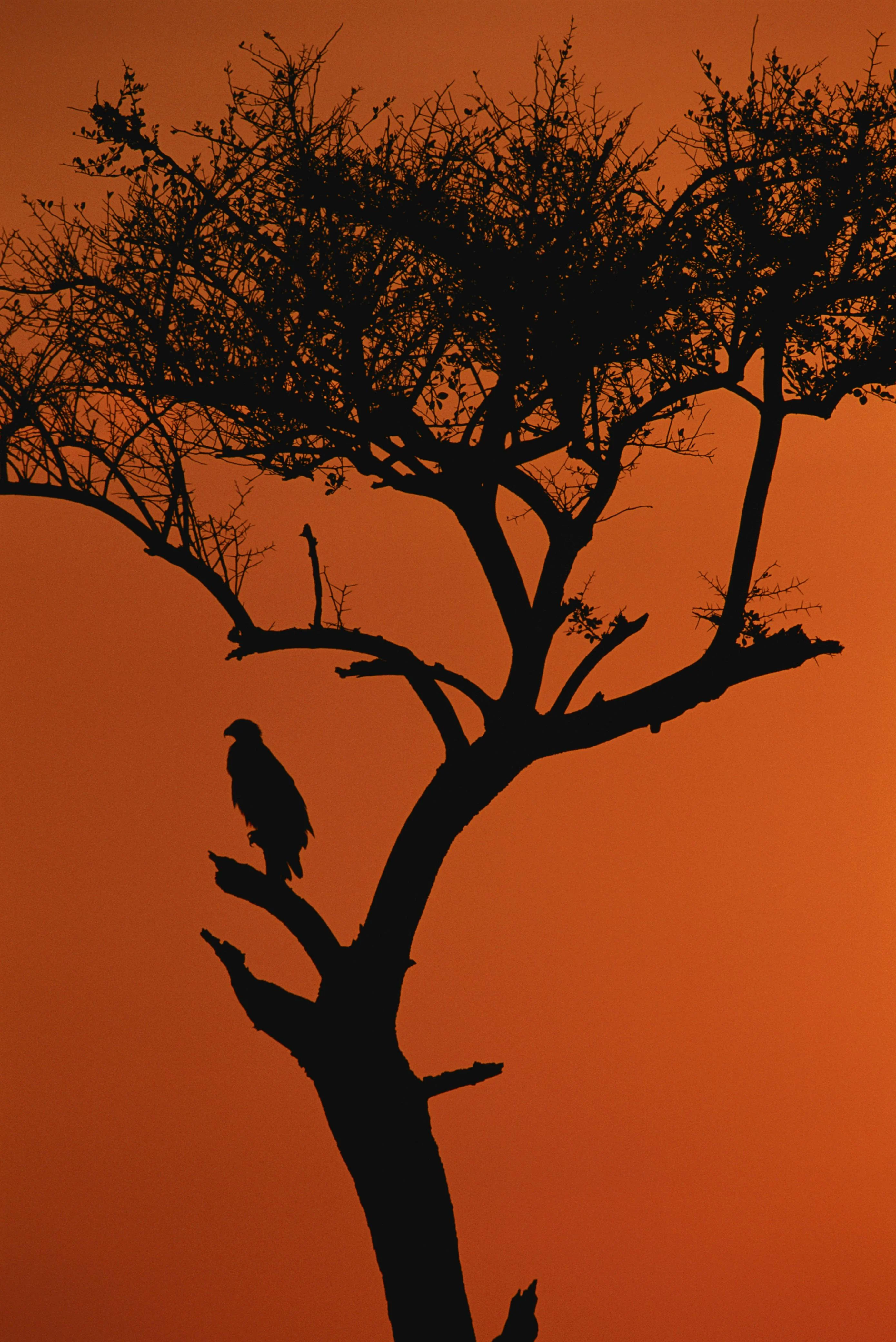
Light is exceptional—golden hour stretches longer at equatorial latitudes, and dust particles create atmospheric haze that enhances warm tones. Dry season (June–October) delivers predictable conditions and active wildlife. Green season (November–May) presents lush landscapes, dramatic skies, and newborn animals.
What Makes a Photographic Safari Different
Standard safari vehicles prioritize passenger comfort and wildlife finding. Photographic safaris Tanzania modify vehicles specifically for camera work: removable doors or specialized window openings for low-angle shots, bean bag mounts for telephoto stability, and dust sealing to protect equipment.
Private vehicle allocation is essential—no sharing with non-photographers who might rush shots or block angles. Photo guides understand camera settings, predict animal behavior, and position vehicles for optimal light. Itineraries prioritize dawn and dusk when wildlife is most active and light is golden, rather than midday breaks when most tourists return to camp.
Vehicle Setup for Photography
Our photography safari Tanzania vehicles feature specialized equipment. Bean bag window mounts provide stable telephoto support. Doors open wide or remove completely for ground-level perspectives. Multiple 12V charging points keep batteries powered throughout the day. Dust covers protect gear in dry conditions.
Roof hatches allow standing for elevated views when needed. Vehicle positioning considers sun angles—guides know whether to approach subjects from east or west depending on time of day. This attention to photographic detail transforms good opportunities into exceptional images.
Best Parks for Wildlife Photography
Serengeti – Drama at Every Turn
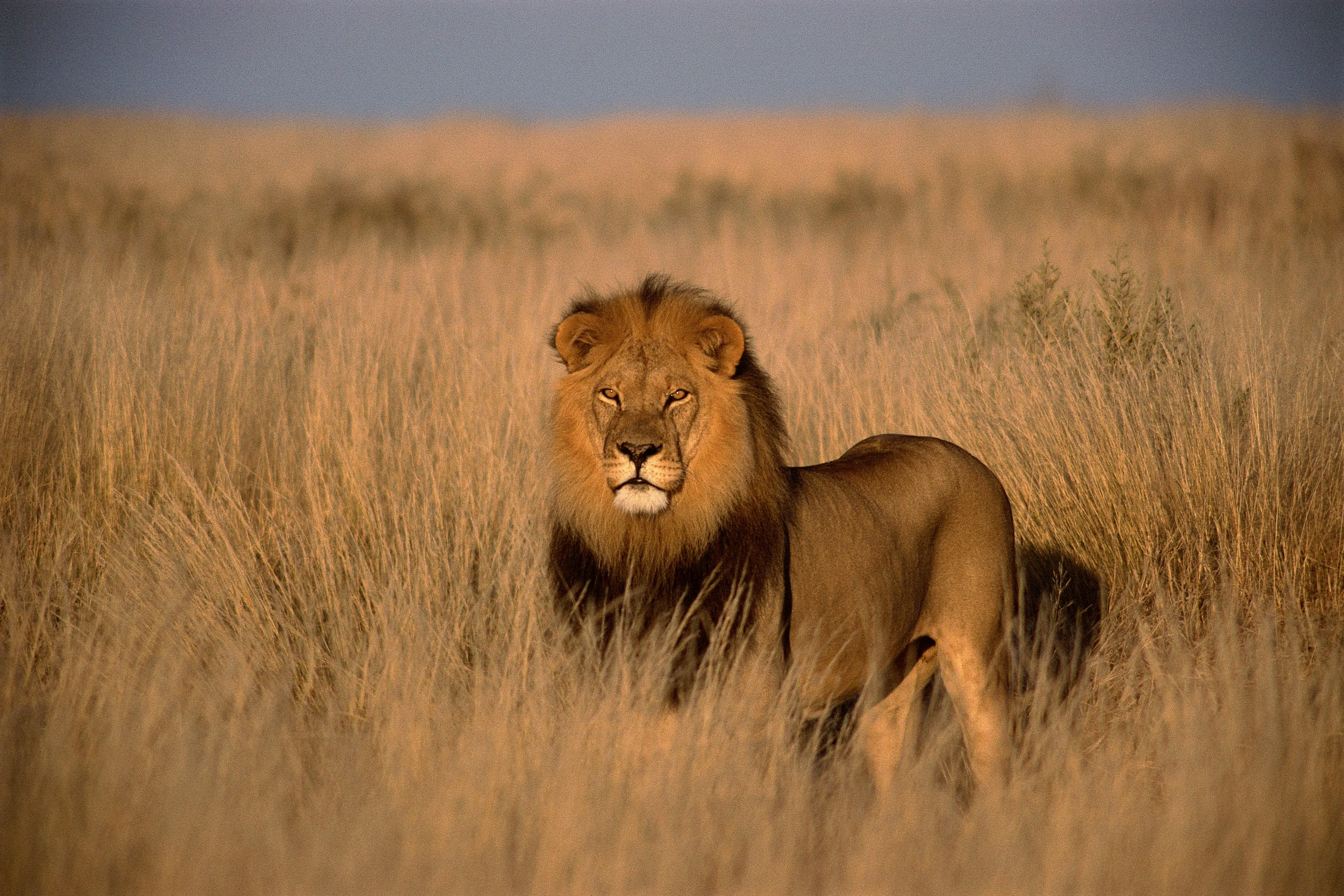
Serengeti National Park delivers unparalleled photography opportunities. The Great Migration provides massive herds, river crossings, and predator-prey action. Kopjes (granite outcrops) offer dramatic settings for lion and cheetah portraits. Endless horizons create stunning landscape compositions.
Ngorongoro Crater – Concentrated Wildlife
Ngorongoro Crater concentrates wildlife in spectacular volcanic scenery. The crater rim provides elevated viewpoints while the floor offers close encounters with black rhinos, lions, and hyenas. Early morning mist and golden light create atmospheric conditions.
Tarangire – Elephant Herds & Baobabs
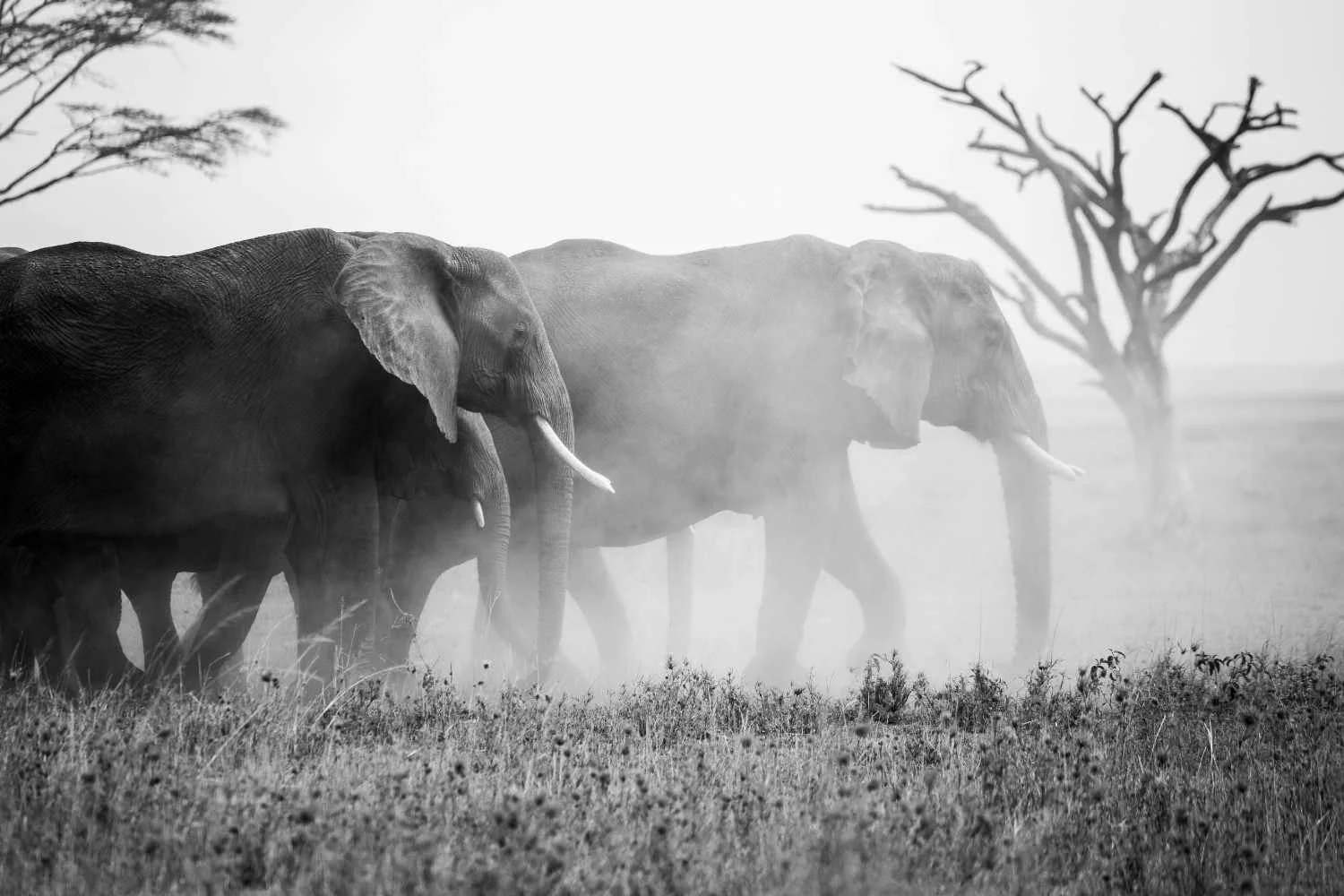
Tarangire National Park specializes in elephant herds against iconic baobab silhouettes. The dry season concentrates animals along the Tarangire River, creating predictable photography locations. Fewer tourists mean exclusive sightings and patient subjects.
Photography Tips for Tanzania
Master back-button focus for tracking moving animals. Use exposure compensation—wildlife against bright skies typically requires +1 to +2 stops. Burst mode captures action sequences. Study animal behavior to anticipate moments: hunting, interaction, or dramatic lighting.
Memory management is critical in remote locations. Bring multiple high-capacity cards and backup daily if possible. Dust is the enemy—clean sensors before departure and minimize lens changes in the field. Shoot RAW for maximum post-processing flexibility.
FAQs About Photographic Safaris
What makes a photographic safari different from regular safaris?
What camera gear should I bring?
Which parks offer the best wildlife photography?
Do you offer specialist photo guides?
Book Your Personalised Photo Safari
Trail Safari Explorers designs photographic safaris Tanzania around your specific interests and skill level. Whether you want intensive predator photography, landscape focus, or comprehensive coverage across multiple parks, we create itineraries that maximize your opportunities.
Contact us to discuss your Tanzania wildlife photography goals. We'll recommend optimal timing, park combinations, and vehicle configurations to ensure you return with images that exceed expectations.
Explore Further
Read our best time to visit Tanzania,safari cost guide, or packing list.
Explore all experiences,destinations,Tanzania safaris, or Zanzibar.
Read our planning guide,Serengeti guide, or browse our journal.