Park guide
Serengeti National Park — The Complete Visitor Guide
Everything you need to know about Tanzania's most iconic national park: where to go, what to see, when to visit, and where to stay.
Why the Serengeti?
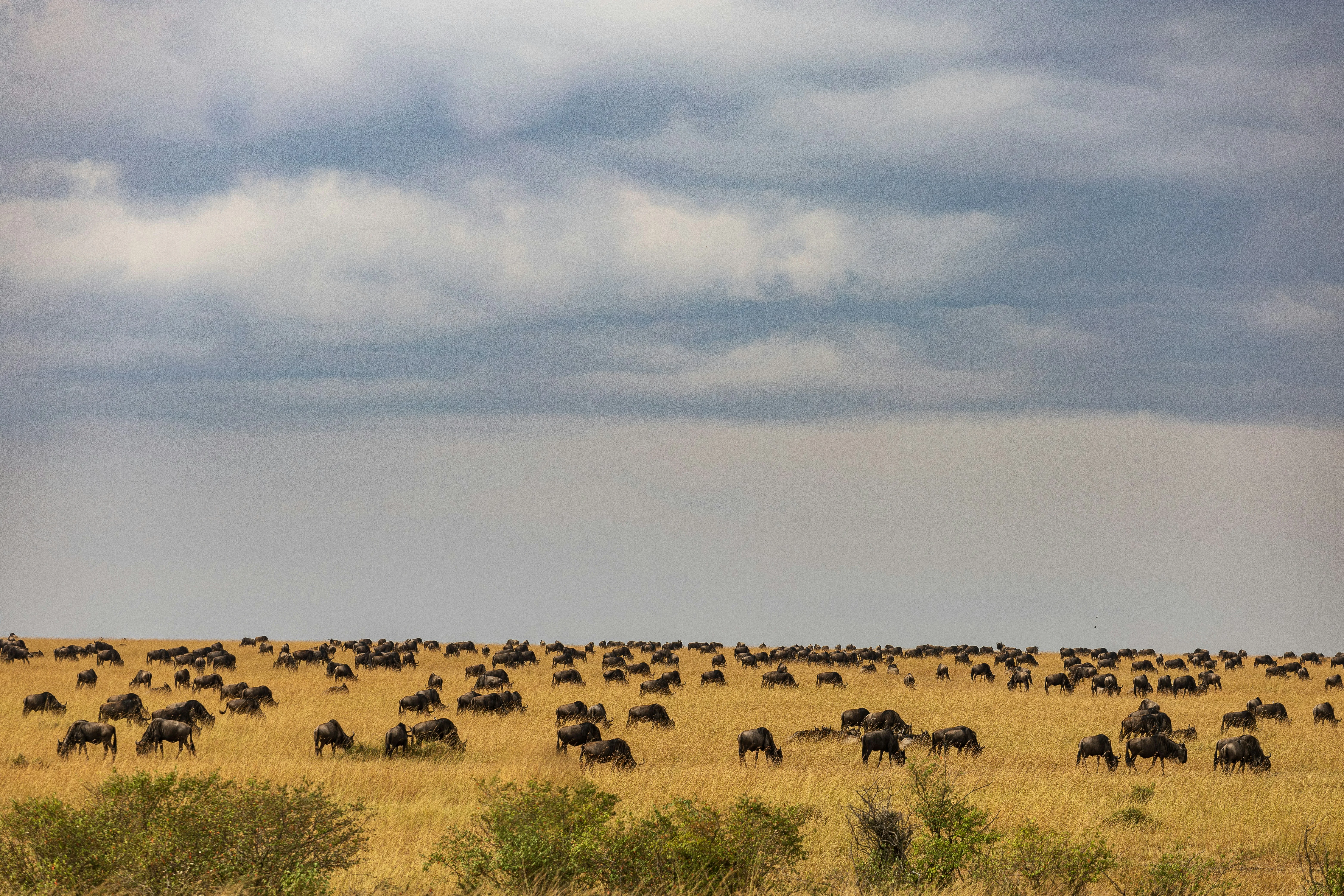
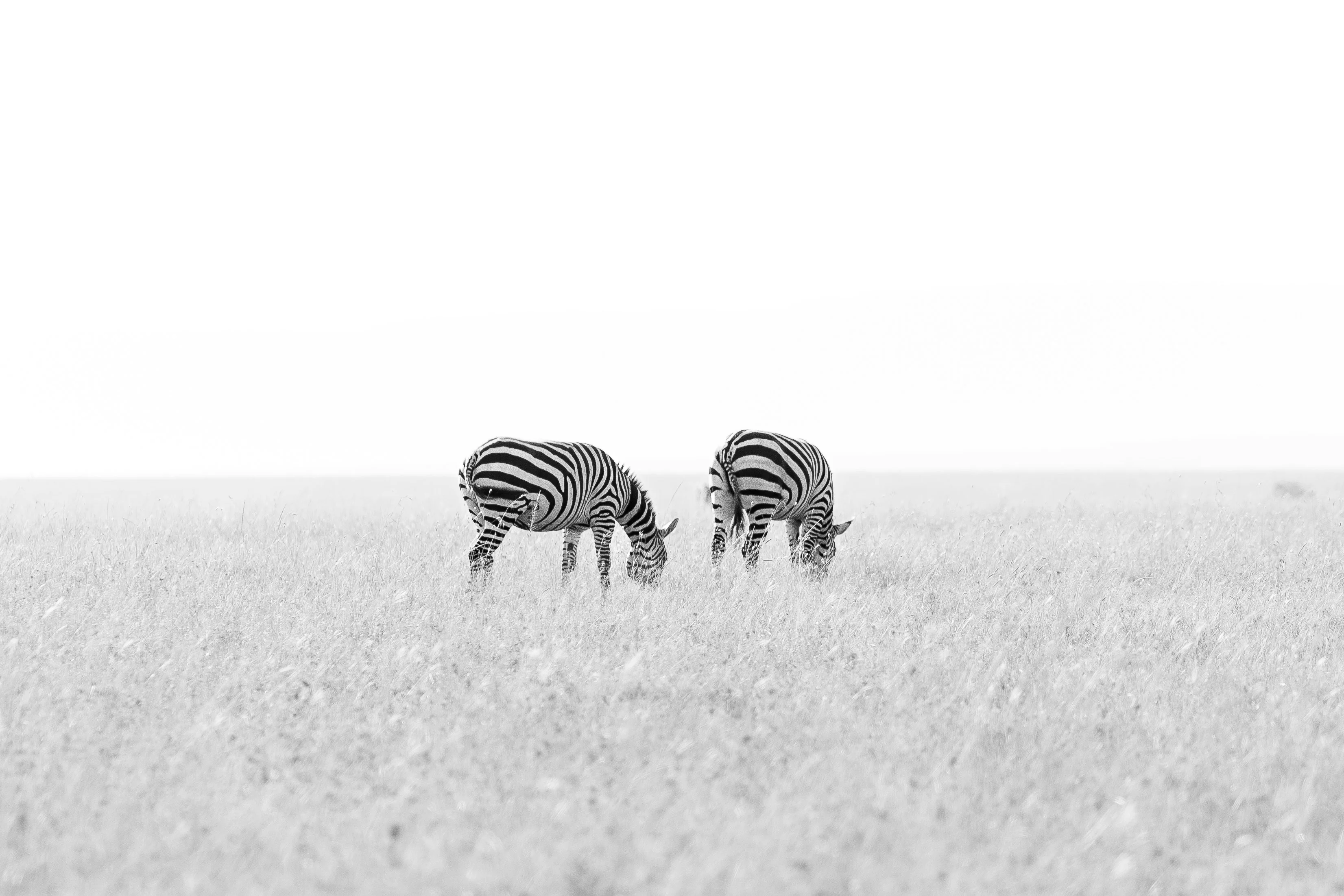
The Serengeti is not just Tanzania's most famous park — it is one of the greatest wildlife ecosystems on Earth. Covering 14,750 km² of grassland, woodland, and riverine forest, it supports over 2 million wildebeest, 300,000 zebra, and the densest predator population in Africa.
The name comes from the Maasai word Siringet — "the place where the land runs on forever." Standing on the plains at dawn, watching the sun turn the grass gold, you understand why.
The Different Regions
The Serengeti is divided into distinct regions, each with its own character and wildlife:
- Southern Serengeti / Ndutu — Short-grass plains. Calving season (January–March). Best for cheetahs and predator action.
- Central Serengeti / Seronera — Year-round wildlife hub. Leopard sightings, kopje-dwelling lions, and permanent resident game.
- Western Corridor — Grumeti River. Forested areas, rare black-and-white colobus monkeys. Migration passes through April–June.
- Northern Serengeti / Mara — Wooded hills, Mara River crossings (July–October). Most exclusive camps. Lower vehicle density.
Wildlife You Will See
The Serengeti is home to the Big Five (lion, leopard, elephant, buffalo, rhino) and much more. Lions are everywhere — on kopjes, in grasslands, even in trees. Leopards haunt the acacia thickets along rivers. Elephants move through the western woodlands. Black rhino survive in the Moru Kopjes and Northern Serengeti.
Beyond the Big Five: cheetahs on the open plains, spotted hyenas, jackals, hippos in the Grumeti and Mara Rivers, crocodiles, giraffes, and over 500 bird species. The Serengeti is also one of the best places in Africa to see wild dogs, though they remain elusive.
Best Time to Visit
June to October (dry season): Wildlife concentrates around water. Great Migration in the north. Best weather. Peak prices.
January to March (calving season): 500,000 wildebeest give birth in the southern plains. Extraordinary predator action. Green landscapes. Lower prices.
April to May (long rains): Heavy afternoon showers. Few tourists. Lowest prices. Some roads impassable. Lush, beautiful scenery.
Read our full seasonal guide for month-by-month details.
Where to Stay
Serengeti accommodation ranges from basic campsites to ultra-luxury lodges. The key is location — where you sleep determines what you see each morning.
- Mobile camps — Move with the migration. Simple but immersive. Best wildlife access.
- Permanent tented camps — Proper beds, en-suite bathrooms, dining tents. Best value-comfort balance.
- Lodges — Solid buildings, pools, WiFi. Comfortable but less "in the bush."
- Luxury properties — Singita, &Beyond, Asilia. Private concessions, butler service, helicopter access.
Getting There
The Serengeti is accessed from Arusha (8 hours by road to Central Serengeti) or by light aircraft (1 hour to Seronera airstrip). Most visitors combine the Serengeti with Ngorongoro and Tarangire in a 7-10 day Northern Circuit.
See our Serengeti destination page or plan your Serengeti safari with us.
Plan Your Tanzania Safari
Ready for your adventure? Book your safari with Trail Safari Explorers. Explore Serengeti National Park,Arusha National Park, or read our Arusha National Park guide.
Read our Lake Manyara guide,Nyerere (Selous) guide,Tarangire guide, or Ruaha guide.
Stay at the Four Seasons Safari Lodge Serengeti, visit the Dar National Museum, or read about the best time to visit Tanzania.
Browse our 7-Day Serengeti & Ngorongoro Safari,7-Day Fly-In Luxury Serengeti Safari,7-Day Luxury Safari Serengeti & Grumeti,7-Day Serengeti Great Migration Safari,9-Day Tanzania Safari Great Migration, or the Honeymoon Safari in the Serengeti.