Park guide
Tarangire National Park — The Complete Guide
Elephant herds, ancient baobabs, and incredible birdlife. Why Tarangire is the most underrated park in Tanzania's Northern Circuit.
Tarangire: The Overlooked Gem
Tarangire National Park is the most underrated park in Tanzania. While everyone rushes to the Serengeti and Ngorongoro, Tarangire offers extraordinary wildlife, fewer crowds, and landscapes unlike anywhere else — at a fraction of the price.
The park covers 2,850 km² of grassland, swamps, and riverine forest along the Tarangire River. During the dry season, it has the highest elephant density in Tanzania — herds of 300+ are common. And then there are the baobabs.
Why Visit Tarangire?
- Elephant herds — Up to 300 in a single gathering during the dry season. This is elephant paradise.
- Ancient baobabs — Iconic "upside-down trees" that are centuries old. Tarangire has the highest density of baobabs in East Africa.
- Excellent birding — Over 550 species, including endemic yellow-collared lovebirds and Kori bustards.
- Fewer crowds — Unlike the Serengeti, you can drive for hours without seeing another vehicle.
- Predator diversity — Lions, leopards, cheetahs, and wild dogs (rare but present).
- Great value — Park fees are lower than Serengeti and Ngorongoro. Accommodation is excellent for the price.
Best Time to Visit
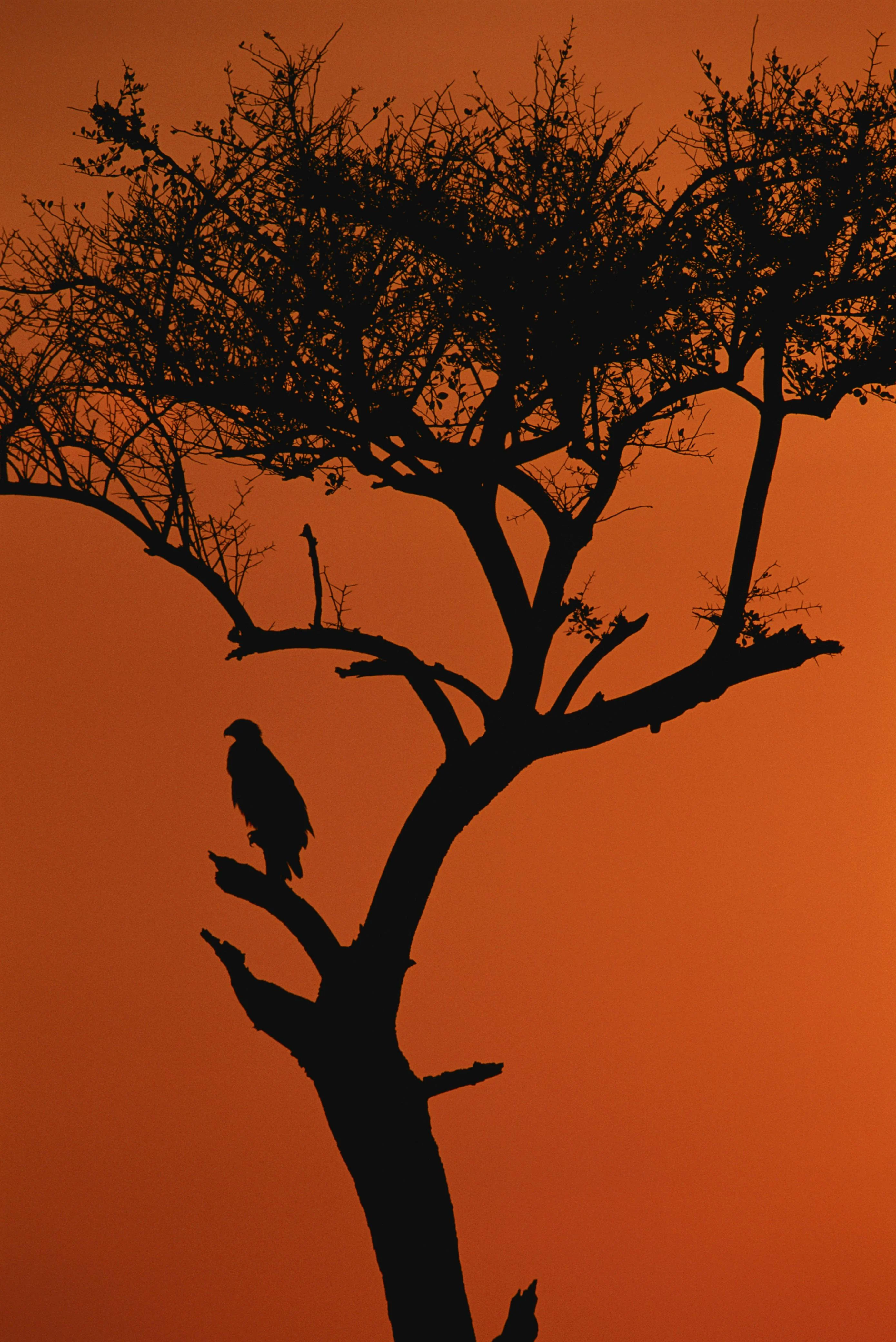
June to October (dry season) is prime time. As the surrounding areas dry out, animals migrate to the Tarangire River — the only permanent water source in the region. Elephant herds converge, predator action peaks, and the baobabs stand silhouetted against dusty golden light.
November to May (wet season) is quieter and greener. Wildlife disperses, but birding is exceptional. Calving happens December–February. Prices drop by 30-50%. If you are a birder or a photographer seeking lush landscapes, this is your season.
The Wildlife
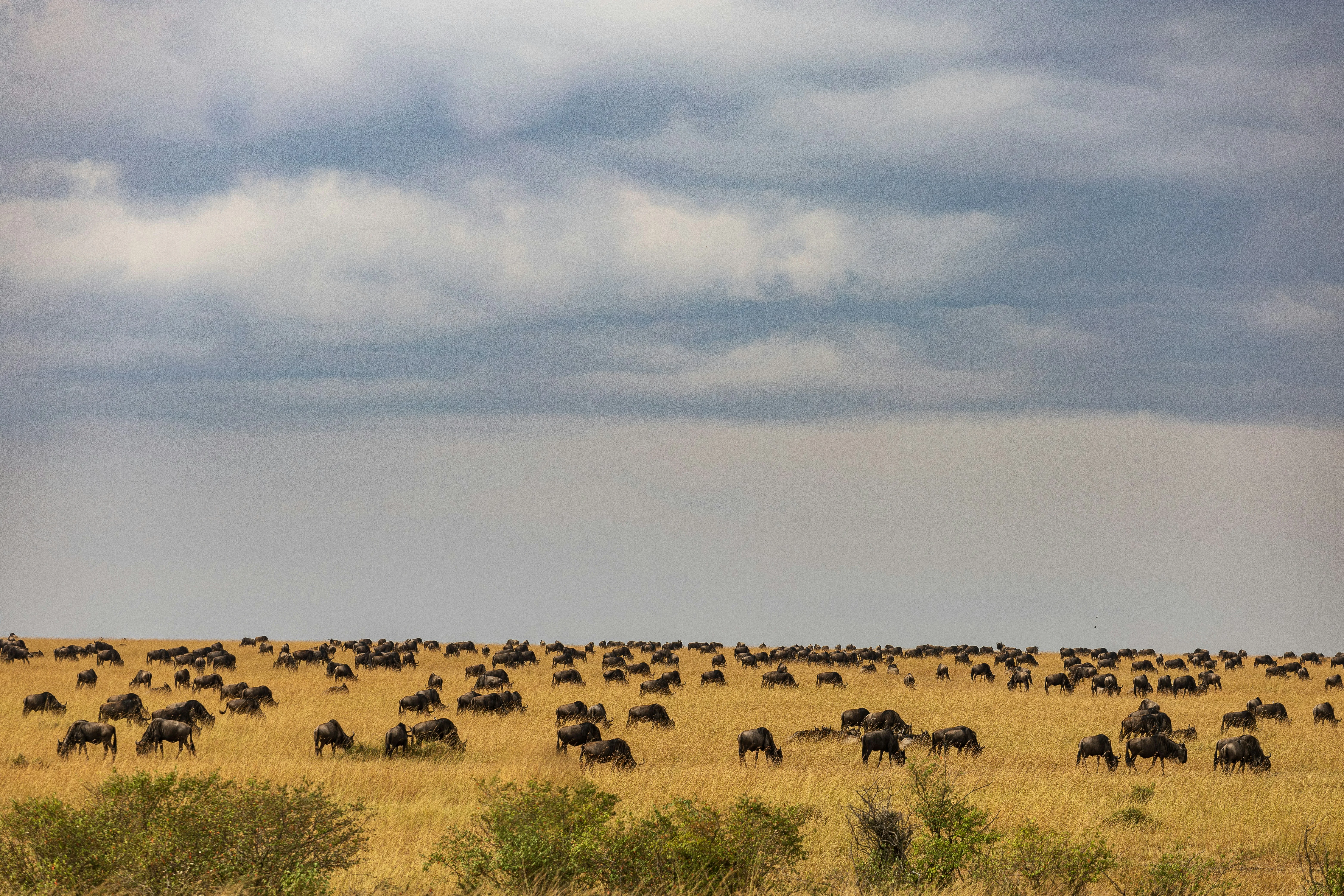
Tarangire is famous for elephants, but the diversity goes much deeper. The park has one of the highest concentrations of wildlife outside the Serengeti ecosystem.
- Elephants — The main attraction. Herds of 100-300 individuals gather along the river from July to October.
- Big cats — Lions are common, especially near Silale Swamp. Leopards inhabit riverine forests. Cheetahs hunt the open grasslands.
- Wild dogs — A small but stable population. One of the few Northern Circuit parks where you might see them.
- Birds — Raptors, bee-eaters, rollers, lovebirds, storks, and ostriches. The swamps attract migratory species from Europe.
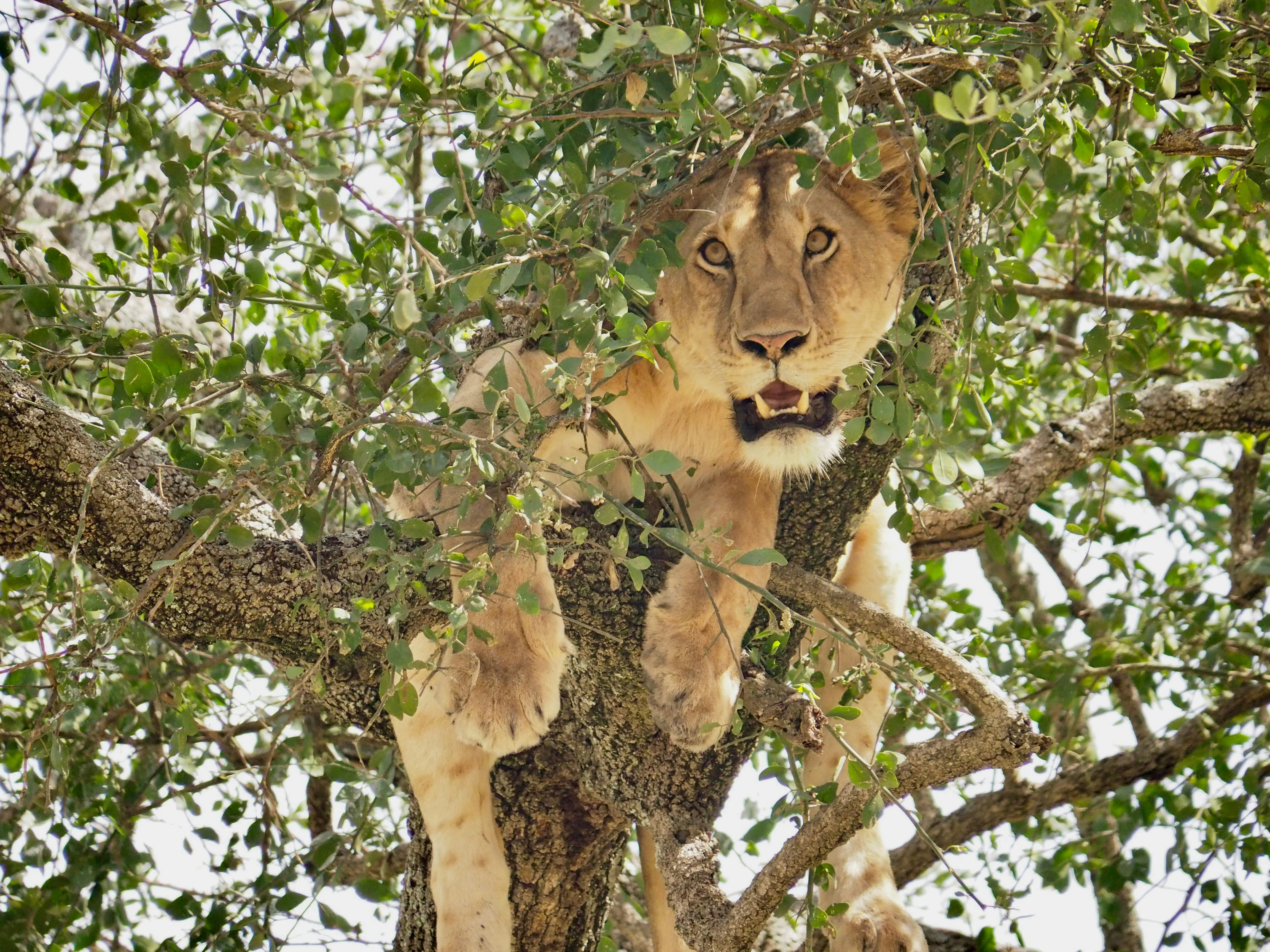
- Tree-climbing lions — Less famous than Manyara but present in the southern sector.
Where to Stay
Tarangire accommodation ranges from excellent mobile camps to high-end lodges, all at prices well below Serengeti equivalents.
- Lemala Tarangire — Seasonal mobile camp in the best wildlife areas. Excellent guiding.
- Tarangire Safari Lodge — Mid-range with stunning views over the river. Best value on the escarpment.
- Swala Camp — Luxury tented camp with private decks, close to elephant action.
- Oliver's Camp — Small, intimate camp with walking safaris and night drives.
- Boundary Hill Lodge — Budget-friendly with panoramic views.
Getting There & Practical Tips
Tarangire is only 2 hours from Arusha by road — closer than any other major Northern Circuit park. Most safaris visit Tarangire on Day 1 or 2, then continue to Ngorongoro and the Serengeti.
- Minimum stay: 1 full day. 2 days if you are a serious photographer or birder.
- Best game drives: Early morning (6:00-9:00 AM) and late afternoon (4:00-6:30 PM).
- Silale Swamp: A must-visit area in the dry season. Predators gather here.
- Walking safaris: Available from some camps. A great way to experience the bush on foot.
Plan Your Tanzania Safari
Ready for your adventure? Book your safari with Trail Safari Explorers. Explore Tarangire National Park,Arusha National Park, or read our Arusha National Park guide.
Read our Lake Manyara guide,Nyerere (Selous) guide,Ruaha guide, or Serengeti guide.
Visit the Dar National Museum, browse our journal, or check travel resources.