Park guide
Nyerere National Park — Africa's Largest Protected Wilderness
Formerly Selous Game Reserve: boat safaris, walking trails, wild dogs, and an off-the-beaten-path safari unlike anywhere else in Tanzania.
What Is Nyerere National Park?
In 2019, the northern sector of the legendary Selous Game Reserve was carved out to create Nyerere National Park — named after Tanzania's founding father, Julius Nyerere. At over 30,000 km², it is the largest national park in Tanzania and one of the biggest protected areas in Africa.
Unlike the crowded Northern Circuit, Nyerere offers true wilderness. The Rufiji River — Tanzania's largest — winds through the park, creating a network of lakes, channels, and wetlands that support extraordinary wildlife diversity.
Why Visit Nyerere?
- Boat safaris — Unique in Tanzania. Glide past hippos, crocodiles, and waterbirds on the Rufiji River.
- Walking safaris — Explore the bush on foot with armed rangers. Track elephants and learn about flora.
- Wild dogs — One of Africa's largest populations. Nyerere is a stronghold for this endangered predator.
- No crowds — Vast, empty wilderness. You might not see another vehicle all day.
- Fly-camping — Sleep under the stars in mobile camps deep in the bush.
- Birding — Over 440 species, including the African skimmer, palm-nut vulture, and Pel's fishing owl.
The Wildlife
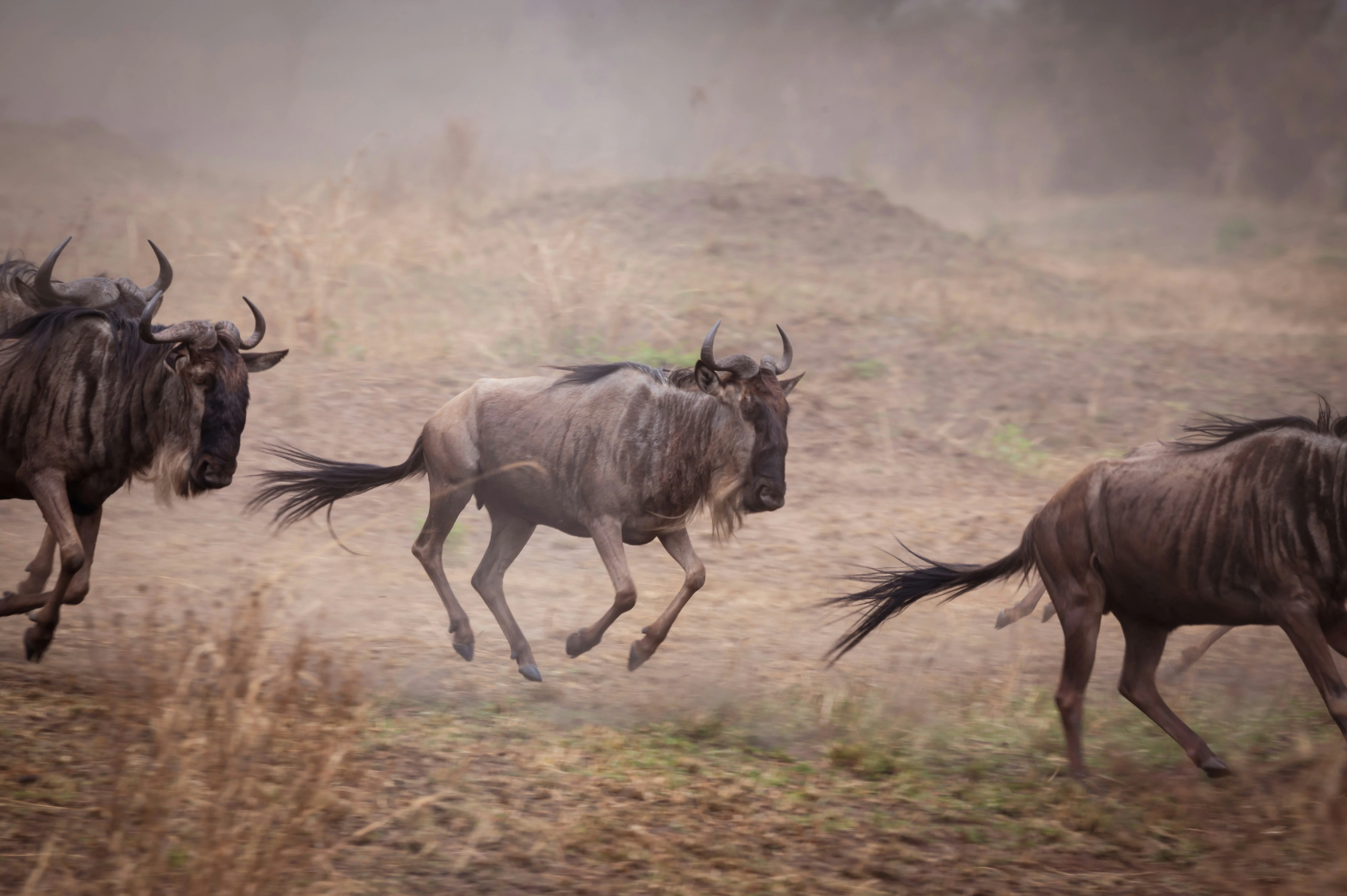
Nyerere supports huge populations of elephants, buffalo, and hippos. The Rufiji River ecosystem is one of the most important in East Africa.
- Elephants — Large, relaxed herds. Some of Tanzania's biggest tuskers live here.
- African wild dogs — Nyerere is one of the best places to see them. Packs of 20+ are not uncommon.
- Lions — Healthy population, including some that have adapted to hunting buffalo in water.
- Leopards — Common along the riverine forests.
- Crocodiles and hippos — Thousands along the Rufiji and its lakes.
- Sable and roan antelope — Rare and beautiful, found in the miombo woodlands.
Note: The black rhino was locally extinct here due to poaching, but reintroduction efforts are underway.
Best Time to Visit
June to October (dry season) is ideal. Wildlife concentrates around the Rufiji River and lakes. Vegetation is thinner, making spotting easier. Boat safaris are at their best. This is also the best time for wild dog denning.
November to May (wet season): The park transforms into a lush green paradise. Birding is exceptional. Some camps close, but those that remain offer great value. Wildflowers bloom. The landscape is stunning.
Activities Beyond Game Drives
Nyerere's activities set it apart from Tanzania's other parks:
- Boat safaris — 2-3 hours on the Rufiji River at sunrise or sunset. Hippos, crocs, elephants swimming, and incredible birdlife.
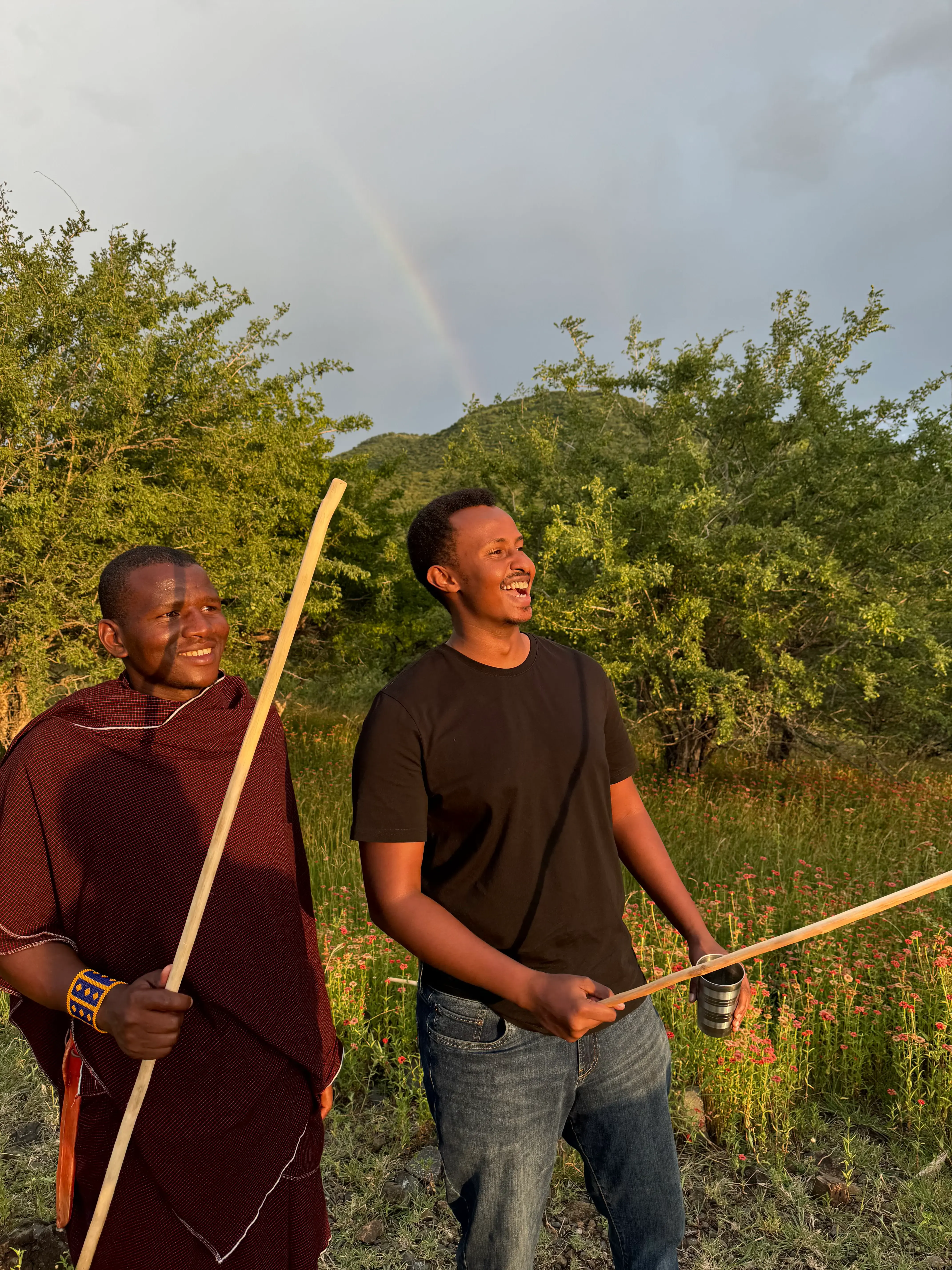
- Walking safaris — 2-4 hours with armed rangers. Track animals, identify tracks and droppings, and learn about medicinal plants.
- Fly-camping — Sleep in lightweight tents in the wilderness. No fences. Just you, the stars, and the sounds of the bush.
- Fishing — Catch-and-release tiger fishing and catfish on the Rufiji (seasonal).
Where to Stay
Nyerere has some of Tanzania's most intimate and authentic camps, but fewer options than the north.
- Beho Beho — Ultra-luxury hillside lodge with panoramic views. Exceptional guiding.
- Sand Rivers Selous — Asilia's elegant camp on the Rufiji. Walking and boating specialists.
- Siwandu Camp — Mid-range tented camp on Lake Nzerakera. Excellent wild dog viewing.
- Selous Impala Camp — Affordable luxury with great activities.
Getting There
Nyerere is in southern Tanzania, far from the Northern Circuit. The easiest access is a 1-hour flight from Dar es Salaam or Zanzibar to one of several airstrips. Road access is possible but long (6+ hours from Dar).
Most visitors combine Nyerere with a beach extension in Zanzibar or the Mafia Archipelago.Plan your Southern Circuit safari with us.
Plan Your Tanzania Safari
Ready for your adventure? Book your safari with Trail Safari Explorers. Explore Nyerere National Park, or read our Southern Circuit guide.
Read our Ruaha guide,Mikumi guide,Udzungwa Mountains guide, or African wild dogs guide.
Browse our Tanzania safaris,journal, or check travel resources.