9 Days
Migration & Green Season
- Arusha overnight
- Seronera residents (2–3 days)
- Western Serengeti/Grumeti tracking herds (3 days)
- Ngorongoro crater finale
Est. $5,200–7,000 pp (luxury, green-season rates).
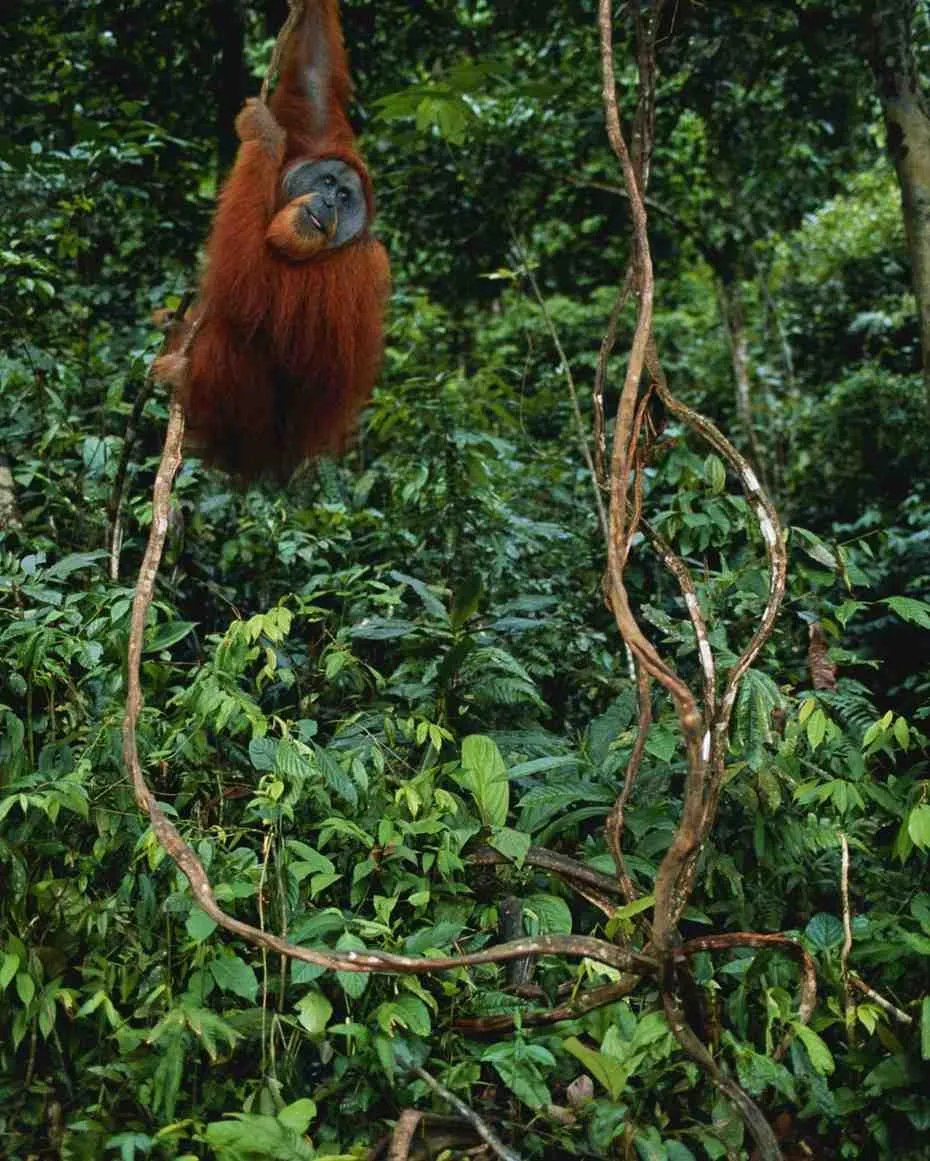
May is an excellent shoulder-season month for Tanzania safaris, as the long rains taper off and the Grumeti River crossing season begins. Western Corridor camps position guests for early migration crossings, while central Serengeti delivers lush green landscapes, exceptional birding, and significantly lower rates than the approaching peak season.
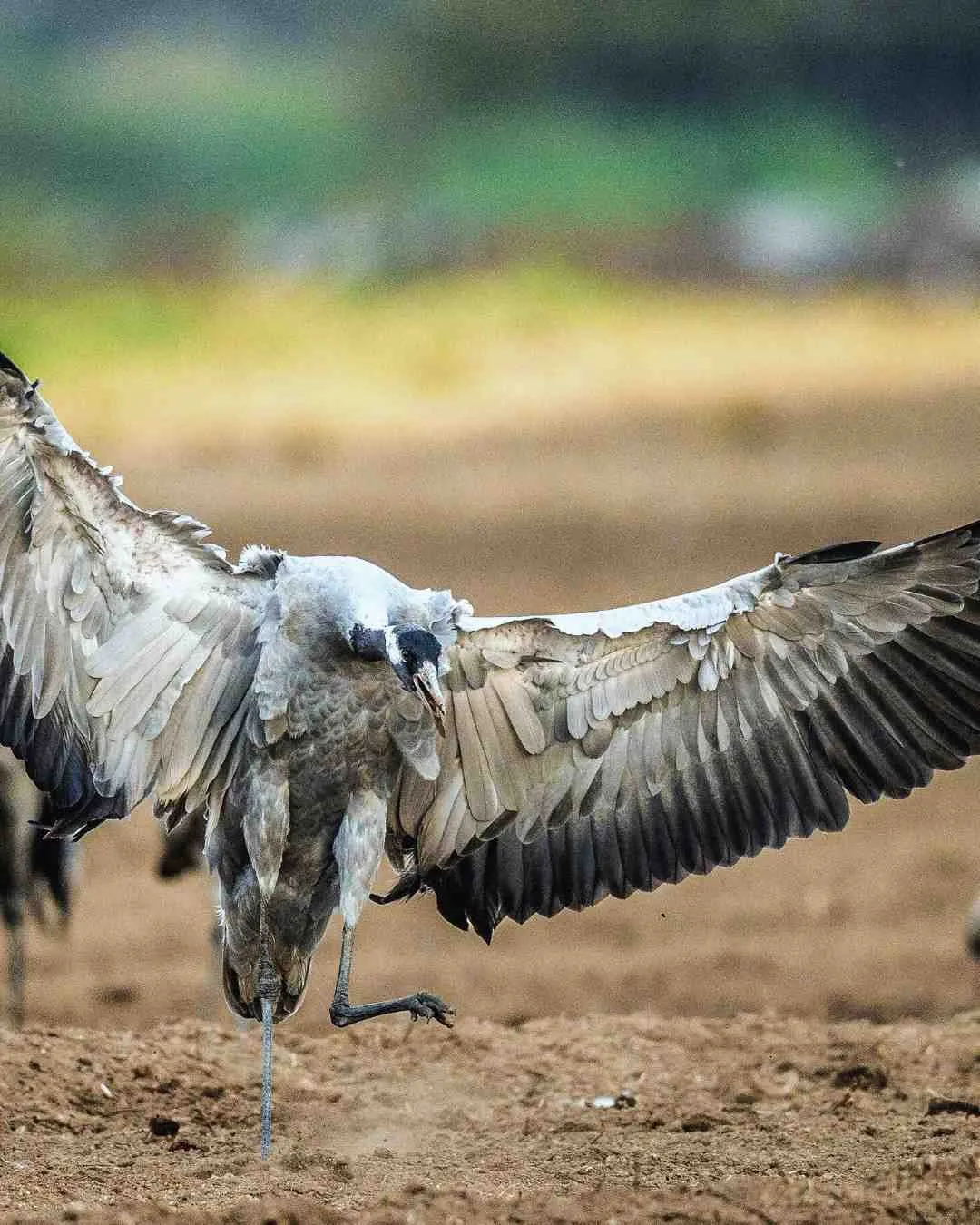
By late May the migration edges toward the western corridor. Herds stack along the Grumeti River, big crocs wake up, and Singita/Grumeti reserves feel wonderfully uncrowded. Expect verdant plains, dramatic skies and the first hints of river drama if rains ease early.
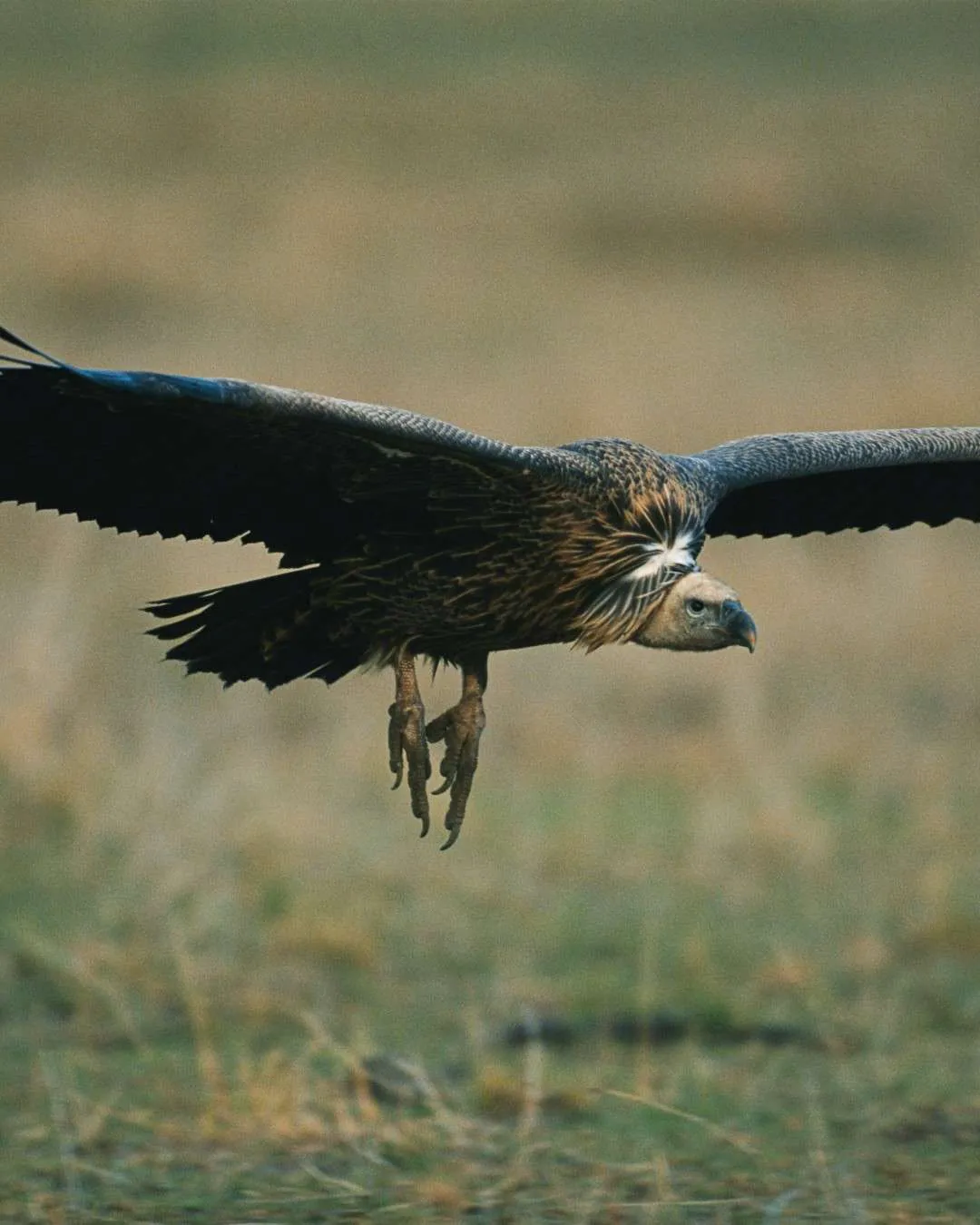
Ngorongoro Crater remains a Big Five jewel in May—rhino sightings, green slopes and flamingos depending on lake levels. Karatu coffee estates are fragrant after rains, while Tarangire’s swamps attract elephants, painted wolves and dazzling birdlife.
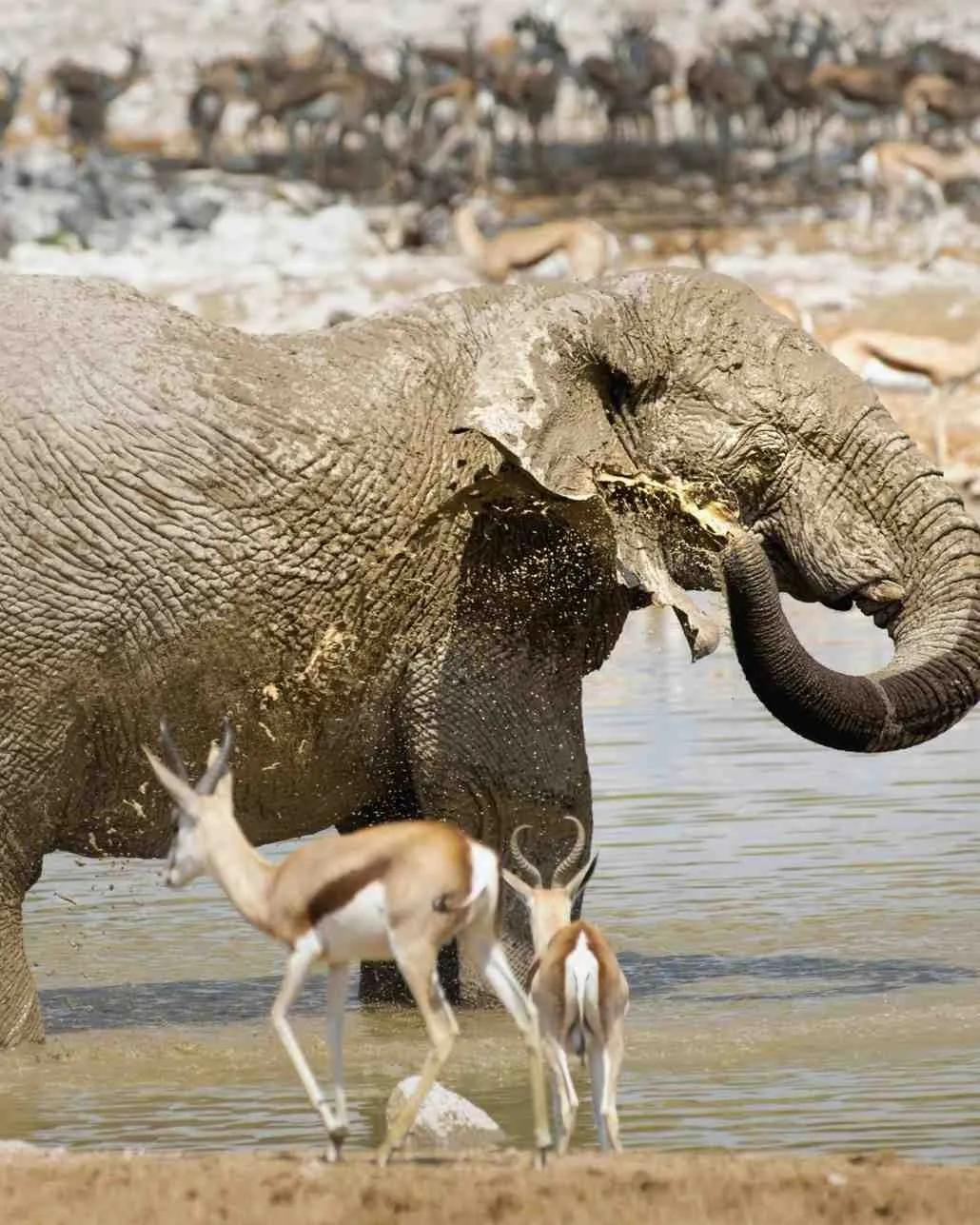
May is superb for rainforest birding, Sanje waterfall hikes, Mahale chimp treks (weather permitting) and relaxed Zanzibar/Pemba add-ons. Expect occasional showers but terrific foliage, butterflies and discounted boutique stays.
May Safari Guide
May represents the heart of East Africa's long rains—a time when most travelers stay away, creating extraordinary opportunities for adventurous safari enthusiasts seeking authentic wilderness experiences, dramatic landscapes, and exceptional value. While conventional wisdom suggests avoiding the wet season, experienced safari travelers know that May delivers unique wildlife encounters impossible during the crowded dry season.
In Tanzania's Serengeti, the Great Wildebeest Migration reaches the western corridor during May, preparing for the first major river crossings of the year at the Grumeti River. Unlike the predictable southern plains concentration of January-March or the dramatic Mara River crossings of July-October, May offers the thrill of tracking dispersed herds through lush, green landscapes with virtually no other tourists present. The Serengeti reveals its most beautiful face—emerald plains, wildflower meadows, and dramatic storm clouds that create photographer's-dream conditions.
May's advantages extend far beyond reduced crowds and lower prices (often 40-50% less than peak season). The wet season brings baby animals across multiple species—not just wildebeest, but also zebras, gazelles, impalas, and predators with cubs. Birdlife reaches its absolute zenith with both resident breeders and Palearctic migrants present simultaneously. Photography opportunities are spectacular, with soft light, dramatic skies, and vibrant landscapes that dry-season travelers never witness.
Tanzania
May marks the migration's arrival in the Serengeti's western corridor, one of the most beautiful and least-visited regions of the park. As the long rains transform the landscape, massive wildebeest and zebra herds move northwest from the central Serengeti toward Lake Victoria, concentrating along the Grumeti River.
Migration herds arrive in increasing numbers throughout May, with early crossings possible late May (though main crossings typically June). Crocodiles position themselves in anticipation (some individuals exceed 16 feet), and large hippo pods are permanent residents in Grumeti pools.
Stay: Singita Grumeti (ultra-luxury), Kirawira Serena Camp, Mbalageti Serengeti, seasonal migration camps.
While migration herds depart westward in May, the central Serengeti's Seronera Valley continues delivering exceptional wildlife viewing thanks to its permanent resident populations. Resident predators remain active with excellent leopard viewing in riverine fig trees along Seronera River.
Stay: one-nature-nyaruswiga (eco-luxury), Taasa Lodge (boutique), Dunia Camp, Serengeti Serena Safari Lodge.
The Ngorongoro Crater's unique ecosystem and permanent wildlife populations ensure exceptional viewing regardless of season. May delivers the crater at its most beautiful—lush, green, and uncrowded.
Stay: Entara Olmara Camp, Ngorongoro Crater Lodge (ultra-luxury), Lemala Ngorongoro, The Highlands (geodesic domes).
May Tarangire offers a completely different character than the famous dry season concentrations (June-October), but delivers its own unique beauty and wildlife experiences. Large elephant herds are dispersed throughout the park, with lions, leopards, and cheetahs present (though harder to locate in thick vegetation).
Wild, remote, great value: elephants, lions, leopards, wild dogs, sable, kudu. Rufiji boats shine; some tracks tough—fly-ins or route changes as needed.
Udzungwa waterfalls, Mahale chimps (weather-permitting), Eyasi culture, Karatu coffee. Lush, butterfly-rich, superb birding if you embrace rain.
Beyond Tanzania
Masai Mara green, quiet, low rates; resident big cats and newborn plains game. Amboseli offers elephants with Kili on clear mornings; Samburu stays drier with the Special Five; Tsavo vast and emerald.
Wettest month but gorilla/chimp treks run year-round; fewer trekkers, easier permits, discounted lodges. Expect mud, mist and intimate encounters. Boat safaris on Kazinga/Nile still superb; Akagera remains accessible.
Wildlife & nature
Migration lines stretch toward Grumeti; bulls still rutting; predators trail dispersed herds; baby animals everywhere. Storm-cleared air, emerald hills and wildflowers create rare photographic moods.
May represents absolute peak birding with both Palearctic migrants and resident breeders present simultaneously. Nest building widespread, courtship displays active, chicks fledging, territorial behavior intense.
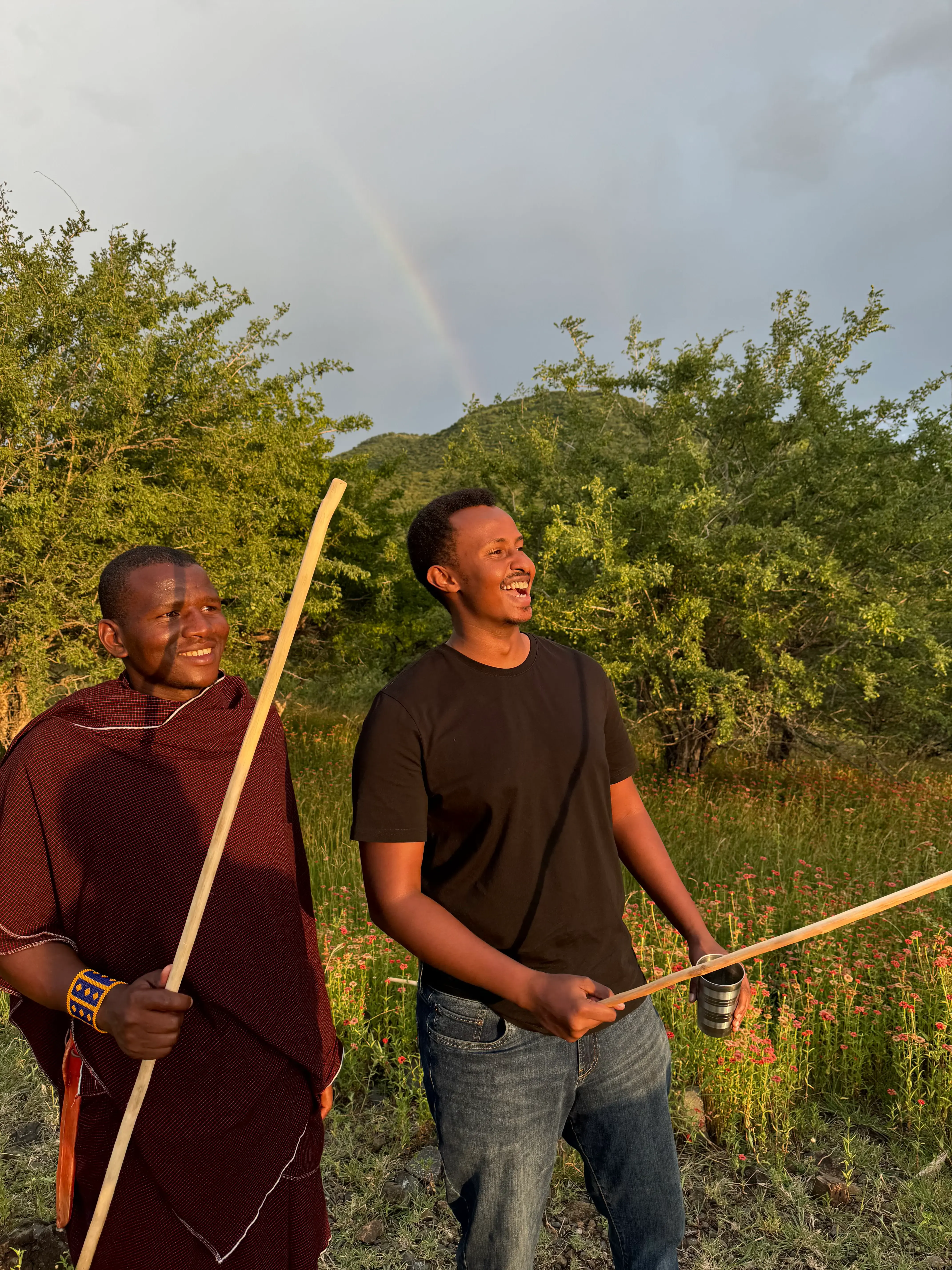
Soft, diffused light; storm clouds; rainbows; green backgrounds; few vehicles to block shots. Protect gear with covers/dry bags and keep cloths handy.
Activities & experiences
May game drives offer unique character: Morning drives typically feature dry weather, good wildlife activity, beautiful light, and cool comfortable temperatures. Afternoon drives may encounter rain (usually brief), dramatic lighting between storms, and wildlife active before/after rain providing storm photography opportunities.
Some roads may be muddy (exciting, adventurous), but 4x4 vehicles handle conditions well with experienced guides navigating skillfully. More tracking and exploration is required as dispersed wildlife means longer searches, but it's rewarding when you find animals with no crowds. Radio networks help locate wildlife, and flexibility in timing is appreciated.
Ngorongoro highlands, Nyerere, Ruaha, Kenyan conservancies—lush, scented, track-rich; bring waterproofs and good boots.
Fly Seronera or (weather allowing) western corridor; green vistas and migration lines. Weather-dependent; keep flexible.
Rufiji (Nyerere), Kazinga Channel, Victoria Nile, Lake Ihema—peak flows, hippos, crocs, prolific waterbirds; run even in rain.
May primate trekking requires preparation but delivers: Easy permit availability, lower accommodation costs, fewer trekkers (intimate experiences), lush forest beauty, and active primates (babies playing). Quality waterproof gear mandatory, good fitness required for muddy slippery trails, porters strongly recommended, gaiters protect from nettles. Gorillas unaffected by weather—one hour with gorillas magical regardless of rain.
Lake Eyasi Hadzabe/Datoga, Karatu coffee, spice tours, Stone Town rooftops. Islands are quieter; expect warm seas with some cloudiness.
Weather & climate
Travel tips
Top choices:
For adventurous travelers: Ruaha National Park, Nyerere National Park, Bwindi/Volcanoes (gorillas)
Avoid: Southern Serengeti (empty of migration), Zanzibar beaches (wet season)
1–3 months advance: Accommodation (excellent availability), gorilla permits (good availability), internal flights. Last-minute deals possible.
Crowd levels: Very low throughout, excellent availability, flexibility appreciated by camps.
Western Corridor camps (Singita Grumeti, Kirawira Serena, seasonal migration mobiles) position guests for the early Grumeti crossing season and should be confirmed for May opening dates annually. Central Serengeti permanent properties (Seronera lodges) continue or take a short break during the shower. The rain transforms the landscape: dust settles, air clears, grass begins greening, and dramatic storm clouds produce the kind of photography conditions that photojournalists specifically travel to capture. May's short rains are a feature, not a bug. Browse all accommodations.
Critical items: Quality waterproof rain jacket, waterproof day pack, waterproof hiking boots (gorilla trekking), dry bags for electronics, lens cleaning cloths, zip-lock bags for cameras, quick-dry clothing, warm fleece (cool mornings/evenings).
Photography gear: Rain covers for camera/lenses, moisture-absorbing packets, backup equipment, lots of memory cards.
Suggested itineraries
Est. $5,200–7,000 pp (luxury, green-season rates).
Est. $7,500–9,500 pp (mid–lux; incl. two gorilla permits).
Est. $3,200–4,200 pp (mid-range).
FAQs
Yes—for adventurous travellers. You get green glory, minimal crowds, major savings, migration in the west/central, predator action, birding peak, and soft light. Embrace showers and muddy tracks.
Mostly afternoon/evening storms (2–4 hours). Mornings are often clear and productive. Roads can be muddy but 4x4 guides handle it; we fly when needed.
Yes—herds move toward the western corridor/Grumeti. Early crossings possible late May; main Grumeti action is June. Pre-crossing tension is fantastic and uncrowded.
Tanzania wins for migration positioning and value. Kenya is lush, quiet and good for resident cats, but long rains peak; Samburu is a strong drier option. Combine for diversity if you’re flexible.
Wet and muddy but rewarding: easier permits, fewer trekkers, discounted lodges. Gorillas/chimps don’t mind rain—just pack waterproofs, boots, gaiters and use porters.
Waterproof jacket/pants, dry bags, quick-dry neutral layers, warm layer, waterproof boots/gaiters, camera rain covers, lens cloths, DEET repellent, sunscreen, meds/insurance.
Read our best time to visit Tanzania,best time to visit Zanzibar, or safari budget guide.
Explore all months,April,June, or Tanzania safaris.
Read our safari cost guide,packing list, or browse our journal.
Receive a free, no obligation quote from our safari experts.

We're here to help