Safari Experiences
Night Game Drives in Tanzania – Discover Africa After Dark
Experience the thrill of nocturnal wildlife safaris
After Dark
2–3 hours exploring the African night
Red Spotlight
Specialized technique for wildlife viewing
Licensed Guides
Expert night-drive specialists
Night game drives in Tanzania unlock a hidden world that few travelers ever experience. When darkness falls across the African bush, an entirely different cast of wildlife emerges. Using specialized red-filtered spotlights and open-sided vehicles, our licensed night-drive guides reveal nocturnal species—leopards, servals, genets, civets, bushbabies, and the elusive aardvark—that remain hidden during daylight hours.
What Makes a Night Game Drive Unique
Night safaris transform familiar landscapes into alien territories. The daytime symphony of birds gives way to the eerie sounds of the African night—hyenas whooping in the distance, the distant roar of lions marking territory, and the rustle of small mammals in the undergrowth. The air cools dramatically, carrying scents of wild sage and dust that go unnoticed in the heat of day. This sensory shift alone makes night game drives Tanzania experiences unforgettable.
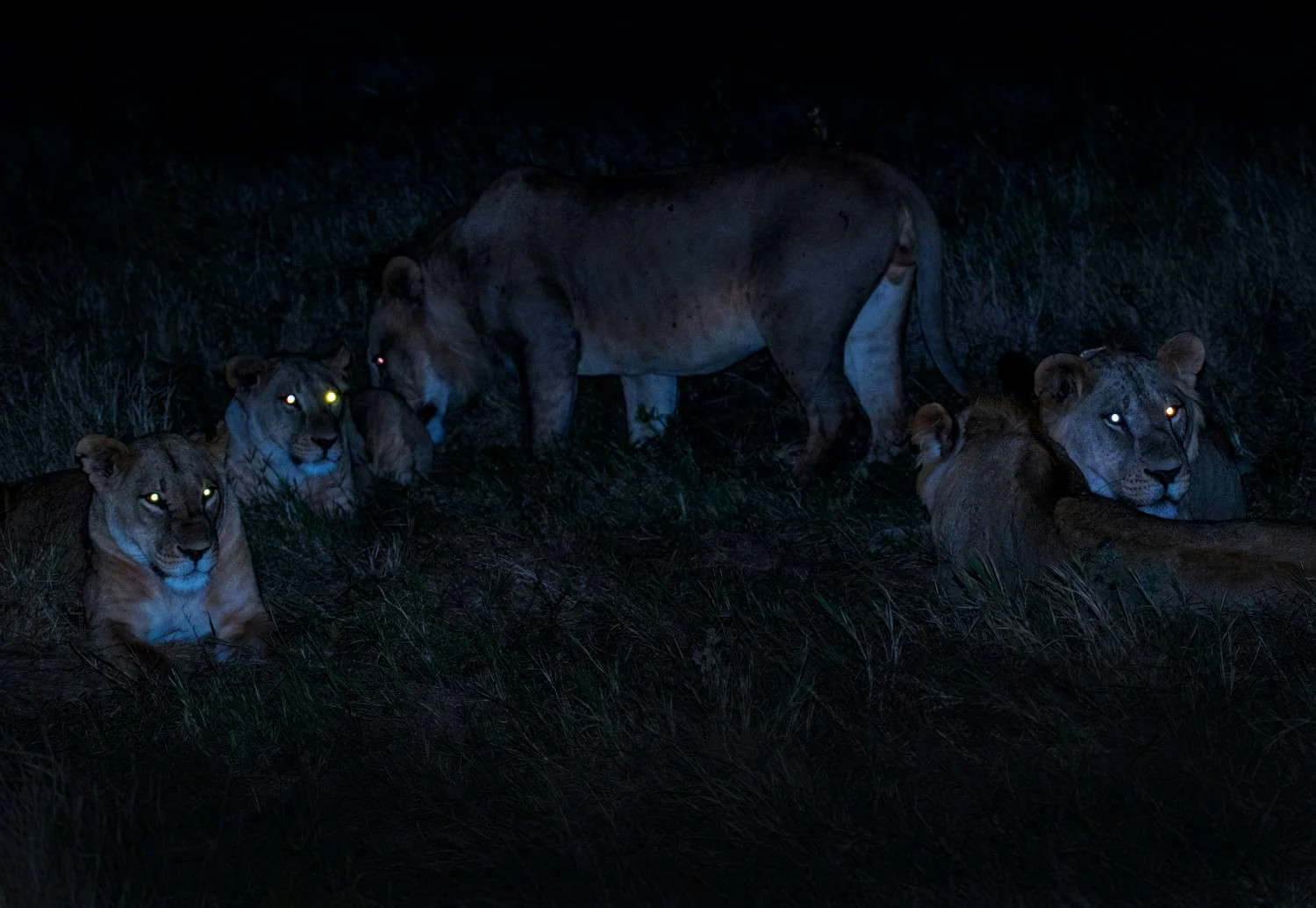
The spotlight technique creates an entirely different wildlife viewing dynamic. Your expert guide scans the darkness with a red-filtered beam, searching for the telltale eyeshine that betrays animal presence. Different species exhibit characteristic glow colors—leopards display distinctive green eyeshine, herbivores show white or yellow, and smaller mammals vary by species. This method allows detection of wildlife from remarkable distances, often revealing animals watching your vehicle from the shadows.
Unlike daylight drives, nocturnal safari Tanzania experiences offer star-filled skies as a constant backdrop. Far from city lights, the Milky Way stretches overhead in brilliant clarity. Your guide may pause the spotlight to let you absorb the cosmic scale above while predators prowl below—a perspective that connects you to the wild in profound ways.
Nocturnal Animals You Might Spot
Leopards dominate the night safari spotlight—these solitary cats hunt primarily after dark, using their exceptional night vision and stealth to stalk prey. Night drives offer your best opportunity to witness leopards in hunting mode, climbing trees with kills, or patrolling their territories. The eyeshine of a leopard appears distinctly green through the red spotlight, often visible from hundreds of meters away.
Smaller carnivores emerge in force after sunset. Servals—medium-sized cats with oversized ears—hunt rodents in grasslands using their exceptional hearing. Genets and civets, elegant tree-climbing predators, patrol branches and ground alike, searching for birds, eggs, and insects. These rarely-seen species reward patient observers with graceful movements and intense focus.
The small mammals of the African night create their own magic. Bushbabies (galagos) leap between trees with incredible agility, their large eyes reflecting light like lanterns. Springhares—kangaroo-like rodents—bounce across open plains. Porcupines shuffle through undergrowth, their quills raised in defense. Most elusive of all, the aardvark emerges from burrows to feed on termite mounds, offering one of Africa's most sought-after sightings.
Birdlife transforms completely at night. Owls of multiple species—eagle owls, scops owls, and pearl-spotted owlets—hunt from perches. Nightjars and coursers hawk insects in flight. Even familiar birds like lapwings and plovers exhibit different nocturnal behaviors. For dedicated birders, bird watching at night adds entirely new species to your life list.
Where to Join a Night Game Drive in Tanzania
Selous / Nyerere National Park
Nyerere National Park (formerly Selous Game Reserve) stands as Tanzania's premier destination for licensed night drives. This vast wilderness—larger than Switzerland—offers extensive night safari opportunities with minimal vehicle traffic. The Rufiji River ecosystem attracts nocturnal wildlife to its banks, creating reliable sighting opportunities. Leopards, hyenas, and African wild dogs hunt actively after dark. The park's open vehicle policy allows unrestricted spotlight scanning, maximizing wildlife detection.
Ruaha National Park
Ruaha National Park provides an exceptional night safari Serengeti alternative in southern Tanzania. The park's rocky kopjes and baobab forests create perfect leopard habitat—night drives here consistently deliver sightings of these elusive cats hunting or resting in trees. Ruaha's large elephant population remains active after dark, often gathering at river crossings. The park's lower visitor numbers ensure exclusive night drive experiences without vehicle congestion. Our 8-day Ruaha Nyerere safari includes multiple night drives in both parks.
Private Conservancies Near Serengeti
Private conservancies bordering the Serengeti offer exclusive night drive experiences unavailable within the national park itself. These community-managed lands operate under extended activity permits allowing after-dark exploration. Conservancies like Grumeti and Ikoma provide intimate night safaris with minimal vehicle traffic. The proximity to Serengeti means similar wildlife—lions, leopards, cheetahs, and hyenas—roam these lands after dark. Walking safaris followed by night drives create comprehensive bush immersion experiences.
How Night Drives Work – Safety & Logistics
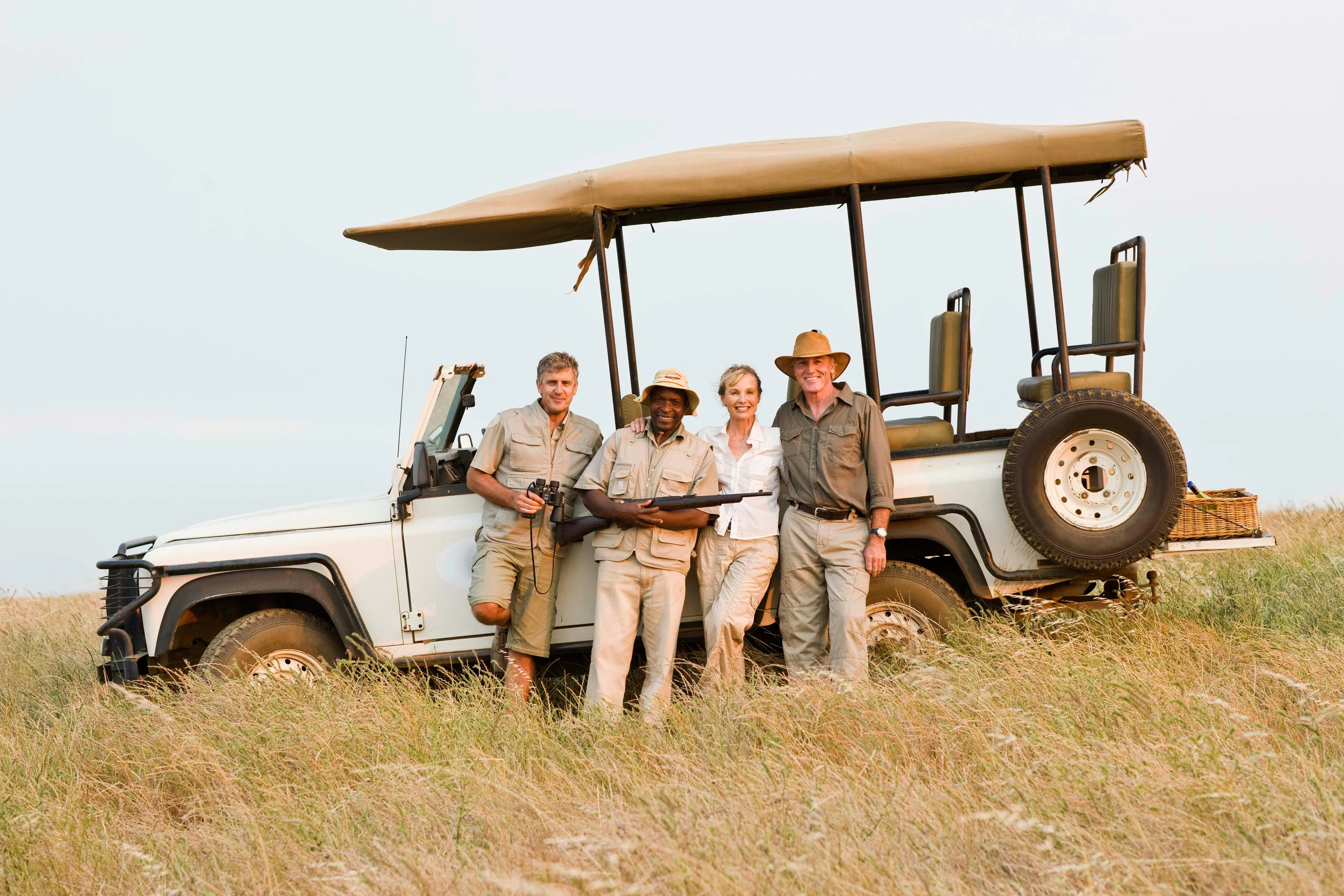
Night drives begin after dinner, typically departing around 8:00 PM for 2–3 hour explorations. You board an open-sided vehicle equipped with red-filtered spotlights mounted on the roof and sides. Your licensed guide conducts a safety briefing covering spotlight etiquette, vehicle protocols, and emergency procedures before leaving camp.
The red spotlight technique deserves special attention. Unlike white light, which disturbs wildlife and disrupts their natural behavior, red light is less visible to most animals. Your guide scans systematically, sweeping the beam across terrain to catch eyeshine reflections. Once an animal is located, the guide dims the light to minimum necessary for observation, ensuring ethical wildlife viewing that respects natural behaviors.
Safety protocols include constant radio communication with camp, designated driving routes within permitted areas, and strict adherence to park regulations. Temperatures drop significantly after dark—we provide blankets and recommend layered clothing. Cameras with low-light capabilities or high ISO settings capture the best images, though flash photography is prohibited as it disturbs wildlife.
FAQs About Night Safaris in Tanzania
Which parks allow night game drives in Tanzania?
What nocturnal animals can I see on a night drive?
How does the spotlight technique work for night safaris?
Are night game drives safe?
Add a Night Drive to Your Tanzania Itinerary
Night game drives complement morning game drives and afternoon safaris to create complete wildlife coverage across all activity periods. The combination captures dawn hunting, midday rest behavior, evening movement, and nocturnal activity—providing unprecedented understanding of animal behavior patterns.
Trail Safari Explorers specializes in crafting itineraries that maximize night game drives Tanzania opportunities. We partner with licensed operators in Nyerere, Ruaha, and private conservancies to offer authentic, ethical night safari experiences. Contact us to add nocturnal exploration to your night safari Serengeti adventure or southern Tanzania expedition.
Explore Further
Read our best time to visit Tanzania,safari cost guide, or packing list.
Explore all experiences,destinations,Tanzania safaris, or Zanzibar.
Read our planning guide,Serengeti guide, or browse our journal.