Safari Experiences
Boat Safaris in Tanzania – Wildlife from the Water
Explore Tanzania's rivers and lakes by boat
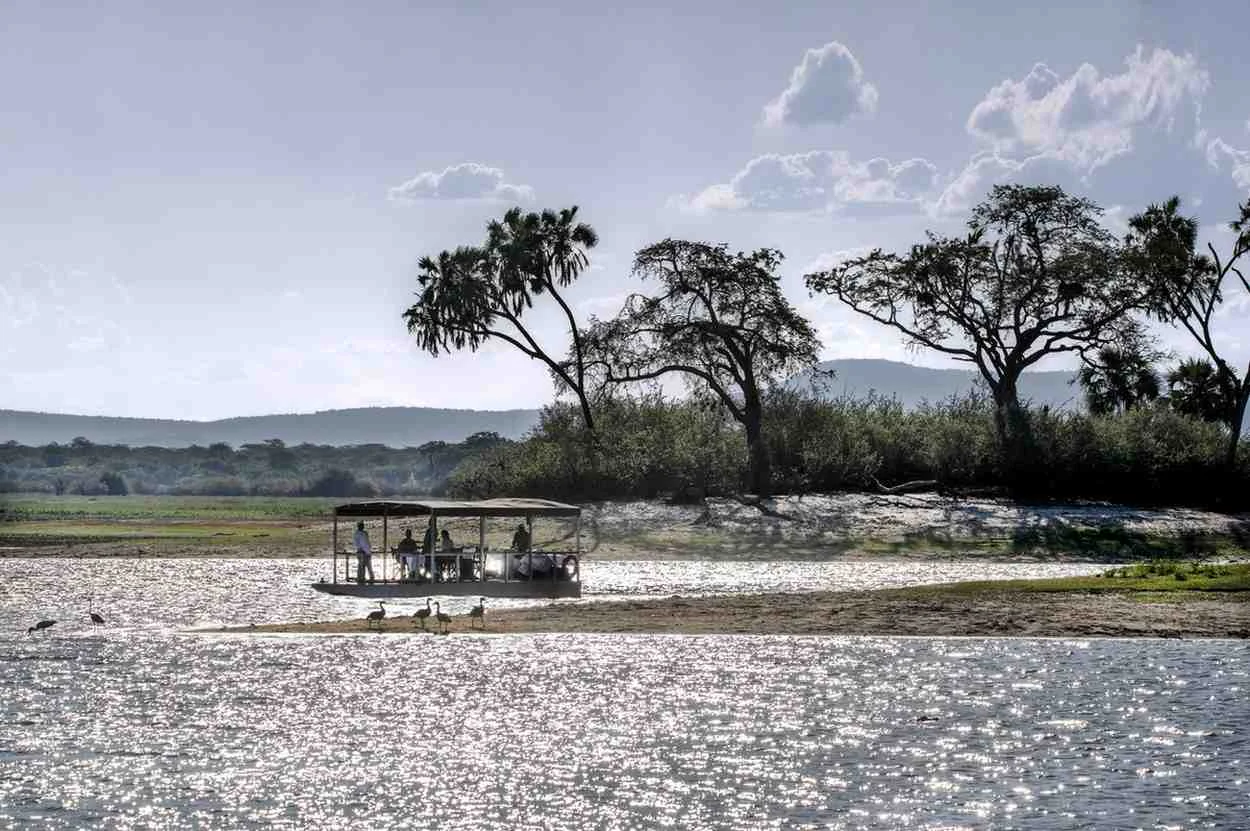
Flat-Bottom Boats
Stable motorboats for river & lake exploration
Hippo Pods
Close encounters with Africa's river giants
Waterbirds
Fish eagles, herons, skimmers & more
Boat safaris in Tanzania offer a completely different perspective on the African bush. From flat-bottomed motorboats, you'll glide silently along rivers and lakes, approaching wildlife at water level. Watch hippo pods surface around your vessel, Nile crocodiles bask on sandy banks, and African fish eagles dive for prey—all from the unique vantage point of the water.
A Different Perspective on the African Bush
While river safari Tanzania experiences may seem less traditional than game drives, they reveal ecosystems and behaviors invisible from land. The quiet gliding approach of flat-bottomed motorboats disturbs wildlife far less than vehicle engines, allowing closer observation of natural behavior. Hippos that would submerge at the sound of a Land Cruiser remain surfaced and curious, watching your boat with interest.
Water-level viewing creates dramatic photography opportunities. Eye-level shots of animals drinking at river banks, water reflections doubling your frame, and foreground elements of papyrus or lily pads add artistic dimensions impossible from elevated vehicles. The low angle emphasizes animal size and presence—elephants become giants wading through shallows, buffalo herds transform into armies at the water's edge.
The sensory experience differs profoundly from game drives. The gentle lap of water against the hull replaces engine rumble. Bird calls echo across open water without wind noise interference. The heat of midday feels cooler with water breezes. Many guests describe boat safaris as meditative—the rhythm of drifting, watching, and waiting connects you to the African wilderness in contemplative ways that vehicle safaris cannot replicate.
What You'll See on a Boat Safari
Hippo pods dominate the boat safaris Tanzania experience. These massive herbivores live in social groups ranging from 10 to 50+ individuals, spending daylight hours submerged to protect their sensitive skin. Your boat approaches carefully, watching them surface to breathe—nostrils flaring, ears twitching, eyes watching your vessel with ancient intelligence. The territorial bulls display impressive open-mouth warnings, revealing canine tusks that can reach 50cm.
Nile crocodiles patrol the same waterways, Africa's largest reptilian predators growing up to 5 meters long. You'll spot them basking on sandbanks, mouths gaping to thermoregulate, or sliding silently into the water at your approach. During dry season, crocodile concentrations increase around remaining water sources, creating reliable viewing. Your guide knows which banks harbor resident crocs and approaches for optimal viewing without disturbing their rest.
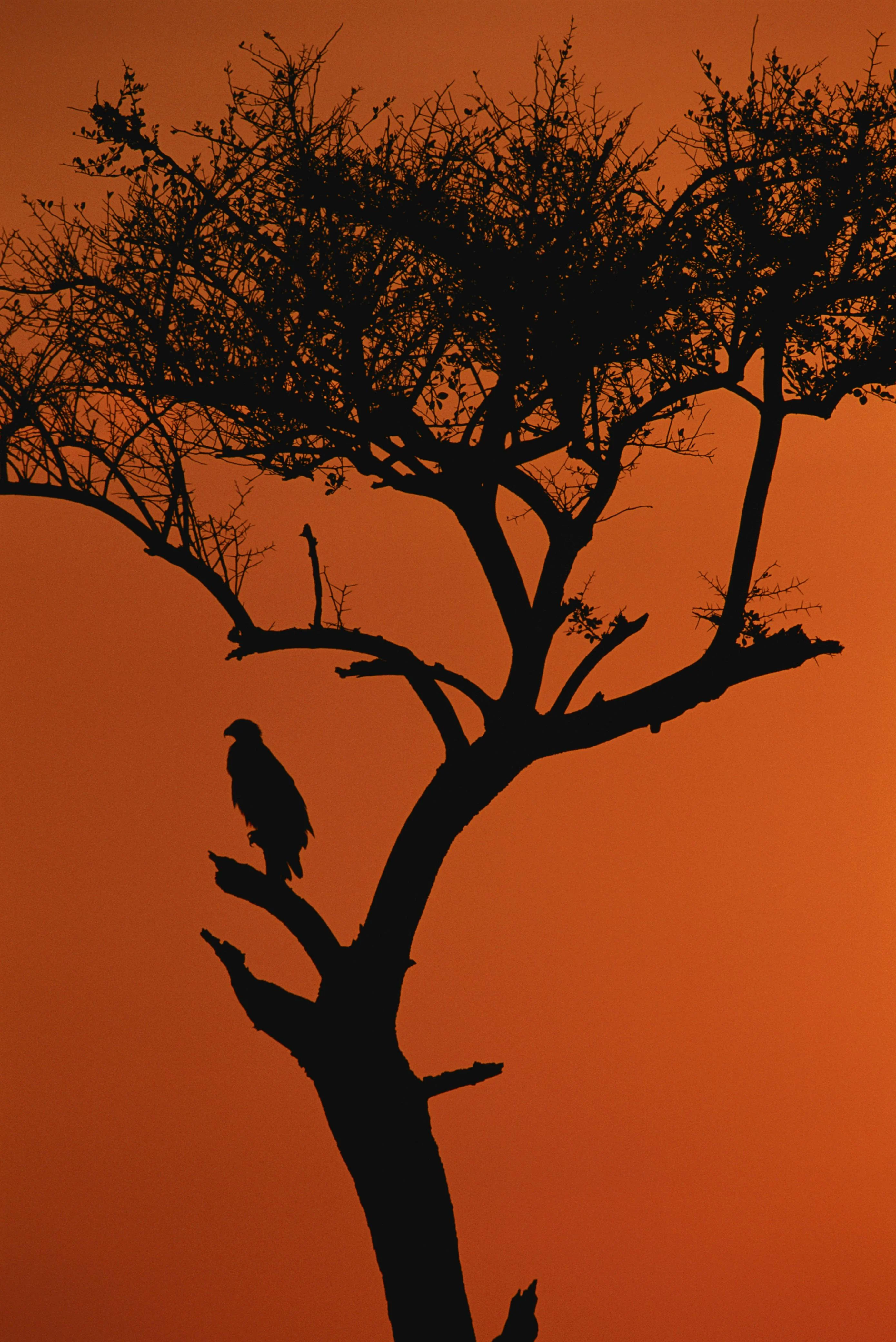
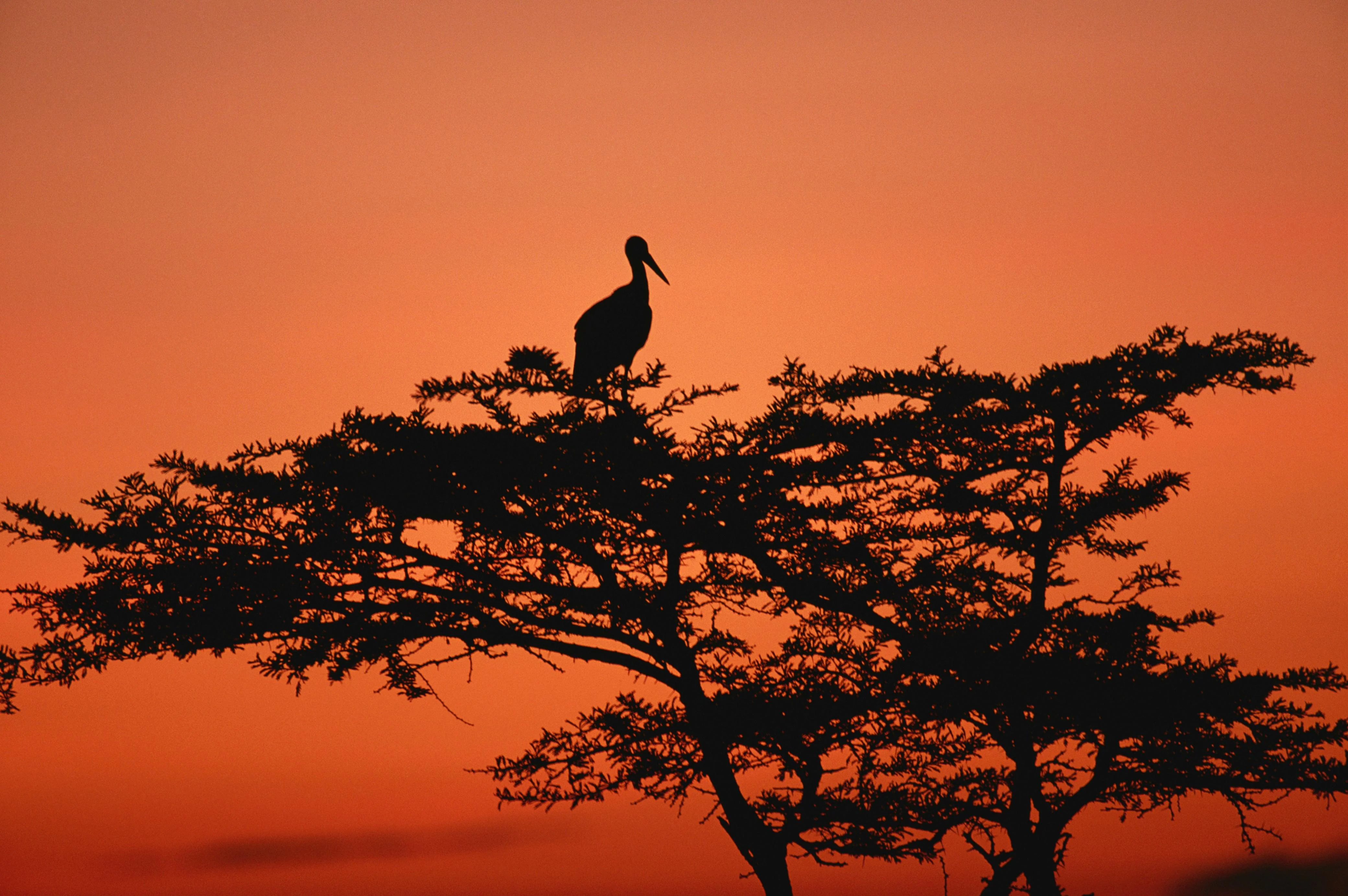
Birdlife transforms boat safaris into bird watching paradises. African fish eagles perform their iconic call and hunting dives. Malachite kingfishers flash iridescent blues and oranges. Goliath herons stand motionless as statues. African skimmers slice the water surface with their unique extended lower mandibles, snatching fish in flight. The Rufiji River hosts over 400 bird species—boat access reveals water-associated species that never venture far from rivers.
Top Waterways for Boat Safaris in Tanzania
Rufiji River – Nyerere National Park
The Rufiji River in Nyerere National Park (formerly Selous) defines the premier Rufiji River boat safari experience. As Tanzania's largest river system, the Rufiji winds through pristine wilderness via interconnected channels, lagoons, and lakes. Flat-bottomed motorboats navigate these waterways silently, approaching hippo pods and crocodile concentrations without disturbance. The river's oxbow lakes attract elephants, buffalo, and wild dogs for drinking. Sunset boat safaris here rank among Africa's most romantic wildlife experiences—drifting on still water as the sky ignites in oranges and purples while hippos grunt their evening chorus.
Ruaha River
The Great Ruaha River flows through Ruaha National Park, creating a dramatically different boat safari environment. Rocky outcrops and baobab trees line the banks, providing scenic backdrops for wildlife photography. During dry season (August–October), the river becomes the park's primary water source, concentrating enormous elephant herds, buffalo, and predators at its banks. Boat safaris here focus on this wildlife congregation—watching animals drink while knowing lions may be waiting in nearby vegetation. The Ruaha's clearer water also offers better crocodile spotting than muddy channels. Our 8-day Ruaha Nyerere safari combines both rivers for comprehensive water safari experiences.
Lake Manyara
Lake Manyara offers Tanzania's most accessible and reliable boat safari destination. The alkaline lake attracts thousands of flamingos creating pink shorelines, while pelicans, storks, and cormorants fish its waters. Boat safaris here focus on waterbirds and shoreline mammals—elephants, giraffes, and buffalo visiting to drink. The backdrop of the Rift Valley escarpment creates spectacular scenery unique to Manyara. Unlike river safaris with their channel navigation, Lake Manyara offers open water cruising with 360-degree wildlife viewing.
Boat Safari Logistics & What to Expect
Most boat safaris last 2–4 hours, with morning (6:00–10:00 AM) and late afternoon (4:00–6:30 PM) departures offering optimal wildlife activity and lighting. Flat-bottomed motorboats provide stable platforms for photography with capacities of 4–8 guests—intimate groups ensure everyone has window views and can hear the guide's commentary.
Guides double as skippers, combining wildlife expertise with boat handling skills. They understand animal behavior on water—knowing when hippo pods are relaxed versus territorial, how to position for fish eagle dives, and where crocodiles prefer to bask. Safety equipment includes life jackets (child sizes available), first aid kits, and emergency communication. Boats carry basic refreshments; some sunset cruises include gin & tonic service.
What to bring: Sun protection (wide-brimmed hat, SPF 30+ sunscreen, sunglasses), camera with zoom lens (70–200mm ideal), binoculars for distant shorelines, and a light jacket for morning chill. Waterproof bags protect electronics from splashes. Wear shoes that can handle wet boat floors.
FAQs About Boat Safaris in Tanzania
What wildlife can I expect to see on a boat safari?
Are boat safaris in Tanzania safe?
What is the best time for boat safaris?
How do boat safaris compare to game drives?
Combine Boat & Game Drive Safaris
The ultimate Tanzania safari experience combines boat safaris with traditional game drives for comprehensive wildlife coverage. Morning game drives catch predators at their most active, while afternoon boat safaris reveal water-based species and shoreline drinking behavior. This combination captures the full spectrum of animal activity across different habitats and times of day.
Trail Safari Explorers specializes in crafting itineraries that maximize both experiences. Our Nyerere and Ruaha programs naturally incorporate boat safaris with extensive game drive networks. Lake Manyara day trips combine morning vehicle safaris with afternoon lake cruises. Contact us to design a Tanzania safari that explores wildlife from every angle—land and water, dawn and dusk, predator and prey.
Explore Further
Read our best time to visit Tanzania,safari cost guide, or packing list.
Explore all experiences,destinations,Tanzania safaris, or Zanzibar.
Read our planning guide,Serengeti guide, or browse our journal.