Cultural Experiences
Datoga Blacksmith Demonstration Tanzania – Ancient Craft, Living Culture
Watch traditional metalworking in the Lake Eyasi basin
Traditional Forge
Bellows and charcoal fire
Metal Working
Brass, copper, and iron
Arrow & Jewelry
Tools and adornments
The Datoga blacksmith Tanzania demonstration offers fascinating insight into traditional metalworking that has changed little over centuries. Near Lake Eyasi, Datoga artisans transform scrap metal into arrowheads, jewelry, and tools using techniques their ancestors would recognize—creating functional art that sustains both their culture and neighboring communities.
Who Are the Datoga?
The Datoga are pastoralists inhabiting the Lake Eyasi basin and southern highlands, with a population of approximately 50,000. Traditionally cattle herders, they've developed sophisticated metalworking skills that fill an economic niche—trading tools and adornments with hunter-gatherer neighbors like the Hadzabe who lack metallurgy.
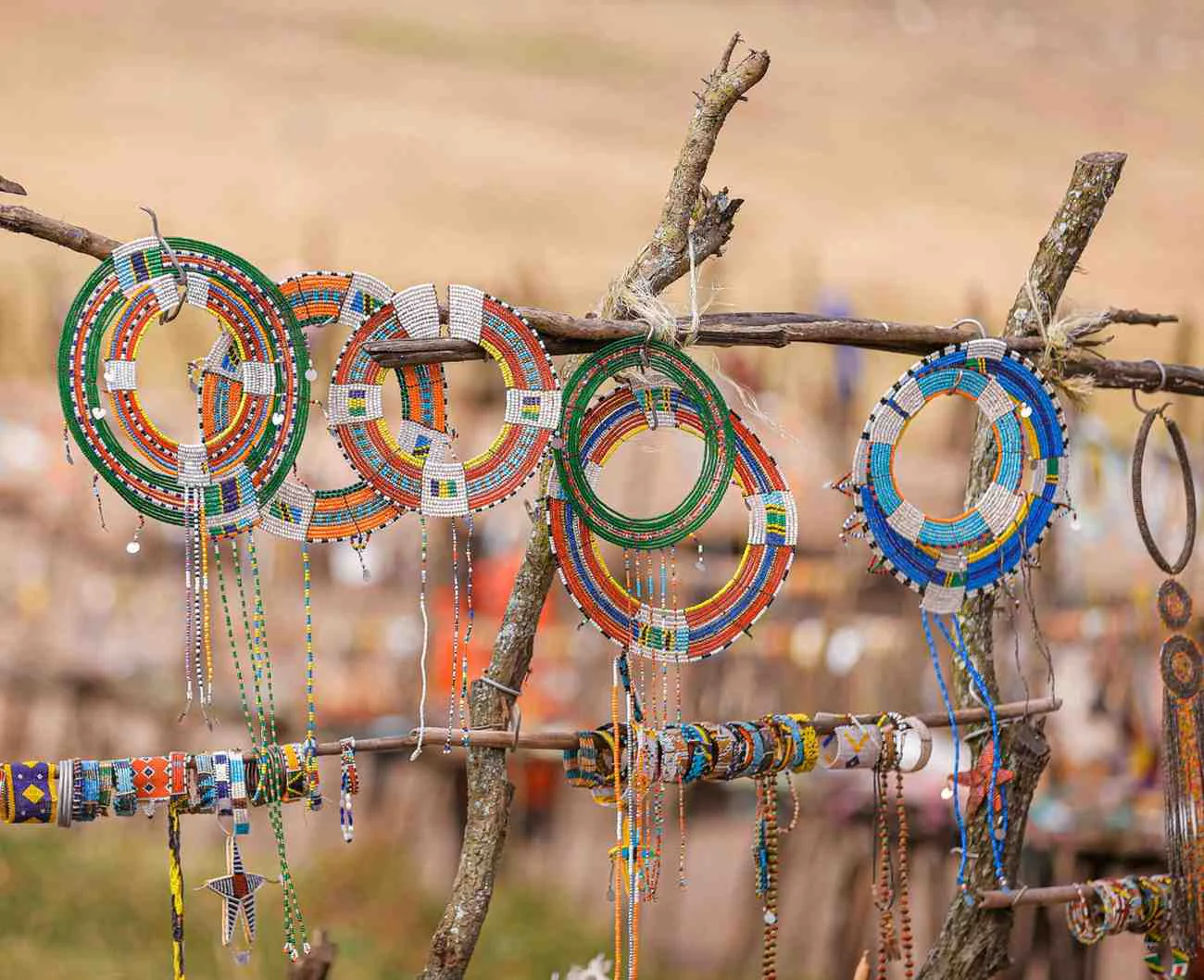
Datoga are visually distinctive with elaborate facial scarification (tattooing) creating geometric patterns, beaded necklaces, and brightly colored clothing. Women wear brass coils and beadwork indicating marital status and wealth. The combination of striking appearance and skilled craftsmanship makes Datoga encounters memorable.
The Art of Datoga Metalwork
Datoga metalworking uses scrap brass, copper, and occasionally iron collected from discarded materials. The forge consists of a charcoal fire fanned by hand-operated leather bellows attached to clay tuyeres (pipes). This low-tech setup reaches temperatures sufficient to melt and shape metal.
Arrowheads for Hadzabe hunters are primary products—carefully crafted for balance and penetration. Jewelry includes bracelets, neck rings, and decorative items. Tools like knives and scrapers serve domestic purposes. The variety demonstrates versatile metallurgical knowledge passed through generations.
What You'll See at the Forge
Your Datoga blacksmith Lake Eyasi demonstration follows the complete production process. The smith selects scrap metal and places it in the charcoal fire. An assistant operates the bellows, pumping air to raise temperature. When metal glows red-hot, it's extracted with tongs.
For arrowheads, molten metal may be poured into simple clay molds. For jewelry, the smith hammers and shapes metal on rudimentary anvils (often just hard stones). Finishing involves filing with rough stones and polishing with sand. The speed and skill are remarkable—functional items emerge from primitive equipment.
Where to Find the Datoga
Datoga communities are scattered around Lake Eyasi, about 2–3 hours drive south of Ngorongoro Crater. Specific blacksmith families welcome visitors by arrangement. The location combines easily with morning visits to Hadzabe hunter-gatherers nearby, creating a comprehensive cultural day.
Combining with a Hadzabe Trek
The standard itinerary combines morning Hadzabe visits (5:00–11:00) with afternoon Datoga demonstrations (14:00–16:00). This creates fascinating contrasts—hunter-gatherers who obtain metal through trade with pastoralists who specialize in producing it. Both communities have maintained distinct lifestyles despite proximity, creating an anthropologically rich day.
FAQs
Who are the Datoga?
What will I see at the forge?
How long is the demonstration?
Add the Datoga to Your Cultural Itinerary
The Datoga blacksmith demonstration requires advance arrangement to ensure artisans are available. Trail Safari Explorers coordinates community payments and guides. Combine with Hadzabe experiences and Maasai village visits for comprehensive northern circuit cultural immersion.
Explore Further
Read our best time to visit Tanzania,safari cost guide, or packing list.
Explore all experiences,destinations,Tanzania safaris, or Zanzibar.
Read our planning guide,Serengeti guide, or browse our journal.