Cultural Experiences
Local Craft Markets in Tanzania – Shop Authentic African Art & Crafts
Support artisans while finding unique treasures
Maasai Beadwork
Traditional jewelry & crafts
Tingatinga Art
Distinctive Tanzanian painting
Makonde Carvings
Masterful wood sculptures
Tanzania's local craft markets overflow with artistic traditions spanning centuries. From intricate Maasai beadwork to distinctive Tingatinga paintings, masterful Makonde carvings to colorful kangas, these markets offer authentic connections to Tanzanian culture. Shopping here directly supports artisan communities while providing meaningful souvenirs of your journey.
Tanzania's Craft Heritage
Tanzanian crafts reflect diverse ethnic traditions. Coastal Swahili communities excel in wood carving, textiles, and jewelry. Inland pastoralists like the Maasai create intricate beadwork with symbolic meaning. The Makonde people of southern Tanzania produce Africa's most celebrated sculptural traditions. Each piece carries cultural significance beyond aesthetic appeal.
What to Buy at Tanzanian Markets
Maasai Beadwork & Jewellery
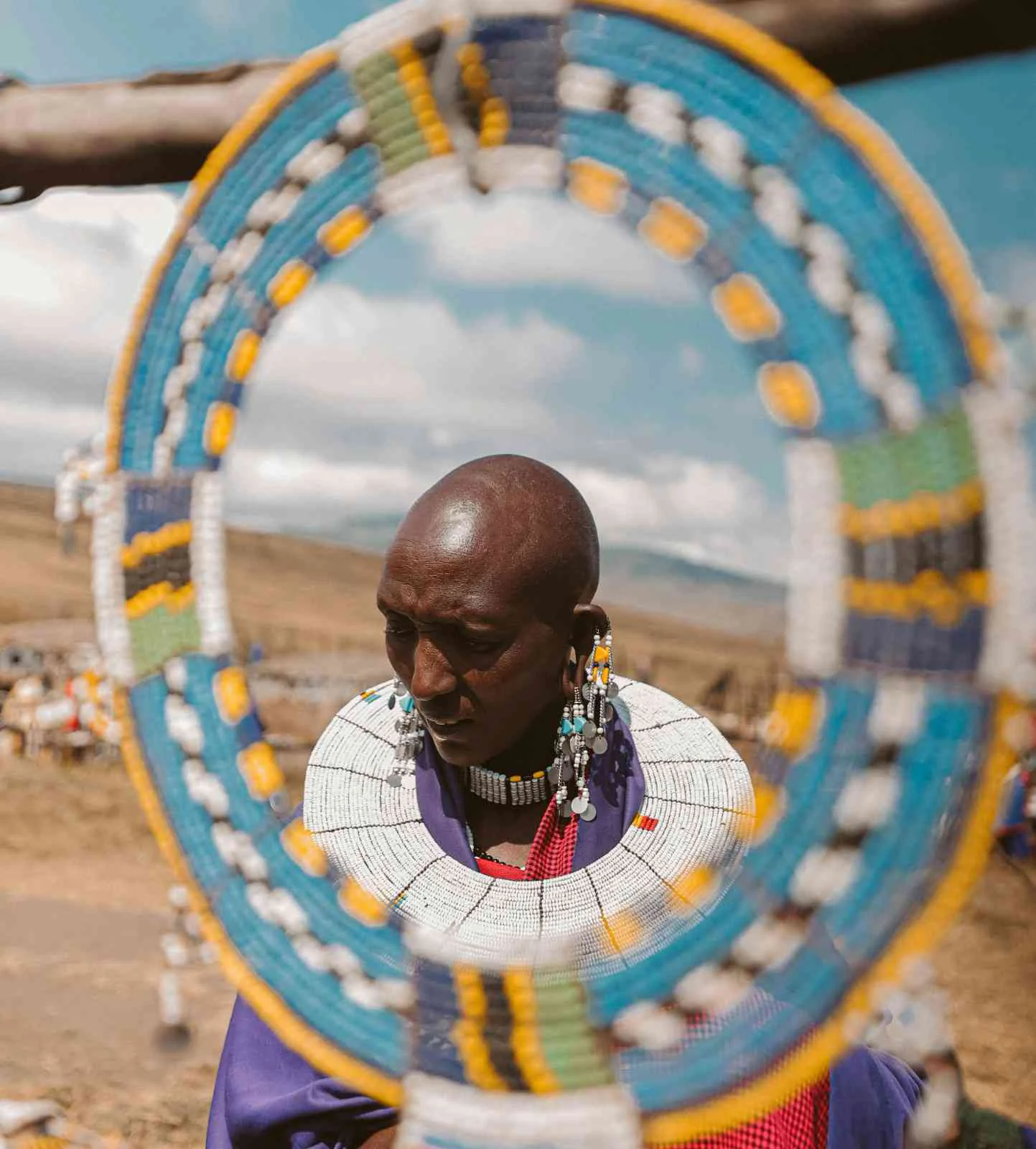
Maasai beadwork features intricate patterns with traditional significance—colors indicate age, marital status, and social position. Necklaces (engare), bracelets, earrings, and decorative items showcase fine craftsmanship. Authentic beadwork uses glass beads woven onto wire or thread. Fair-trade cooperatives ensure artisans receive fair compensation.
Tingatinga Paintings
This distinctive painting style originated in Dar es Salaam in the 1960s, created by Edward Saidi Tingatinga. Characterized by bold colors, naive perspective, and repetitive dot patterns, Tingatinga paintings typically depict African wildlife, village scenes, and abstract patterns. The Tingatinga Art Centre in Dar supports extended families of artists working in this tradition.
Makonde Wood Carvings
The Makonde people of southern Tanzania create Africa's most celebrated wood sculptures. Two styles dominate: "tree of life" (ujamaa) pieces showing interconnected human figures rising from a single trunk, and distinctive shetani (spirit) masks with abstract, elongated features. Carved from African blackwood (mpingo), these pieces represent significant artistic achievement.
Kikoi & Kanga Fabrics
Kikoi is a traditional woven cotton fabric with distinctive stripes, used for sarongs, bags, and home textiles. Kangas are rectangular printed fabrics featuring Swahili proverbs (merry messages). Both are versatile, colorful, and practical souvenirs. Many shops will sew custom garments from purchased fabric.
Best Markets to Visit
Masai Market Arusha moves between locations daily—check current location at your hotel. Offers authentic Maasai beadwork and crafts. Mto wa Mbu (Mosquito River) market near Lake Manyara provides excellent variety with fewer tourists than Arusha. Kariakoo Market in Dar es Salaam is massive and authentic but overwhelming without a guide.
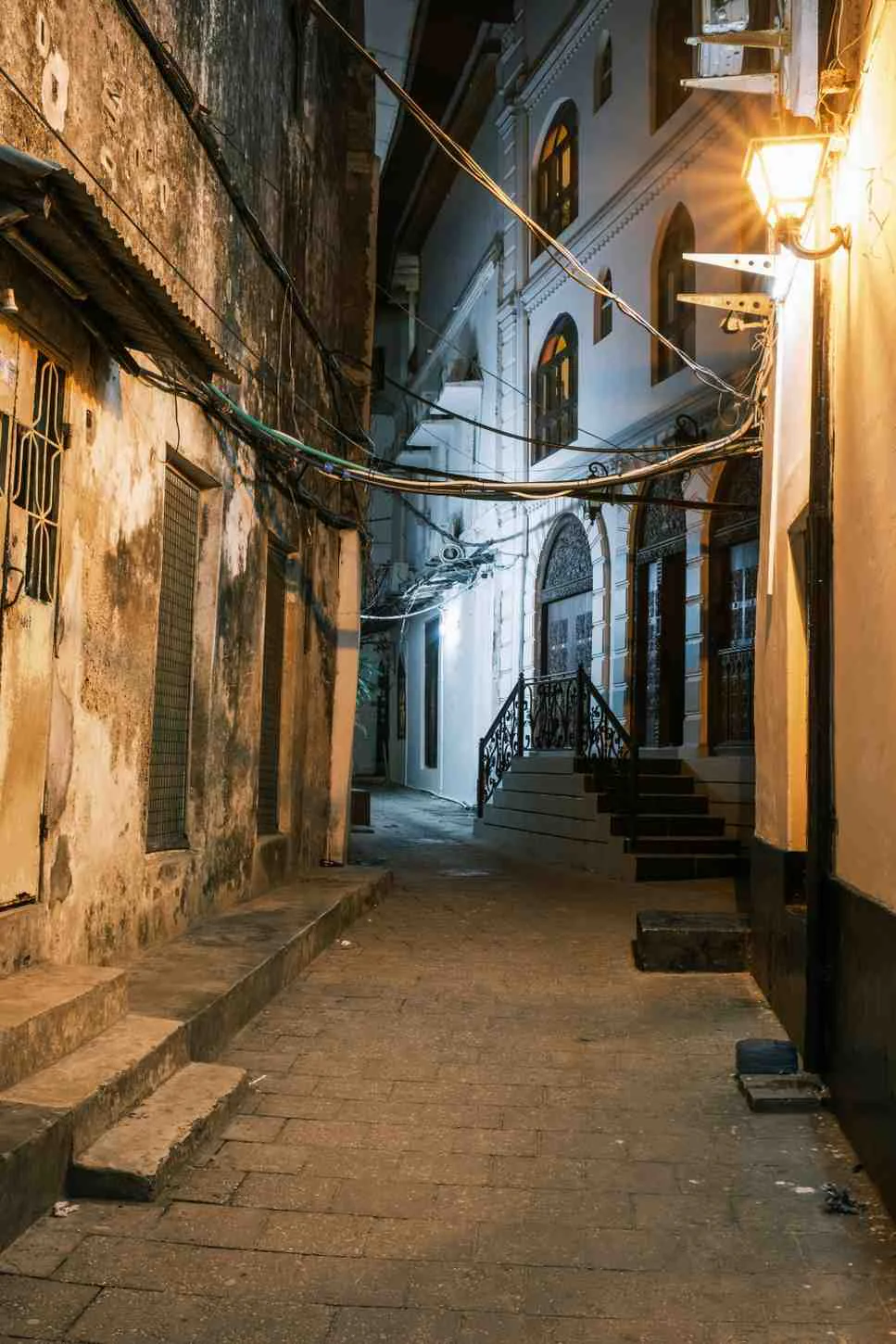
Darajani Market in Stone Town offers Swahili coastal crafts. Tingatinga Art Centre (Dar es Salaam) showcases the painting cooperative. Fair-trade shops like Shanga (Arusha) employ people with disabilities to create quality crafts.
How to Bargain Respectfully
Bargaining is expected and enjoyable at Tanzania craft markets. Start by asking the price, then offer 50-60% of that amount. Negotiate with a smile—it's a social interaction, not confrontation. Meet somewhere in the middle. Walk away politely if you can't agree (vendors may call you back with their best price).
Don't bargain at fixed-price shops or fair-trade cooperatives. Don't start bargaining if you don't intend to buy—it's disrespectful. Carry small bills as vendors often lack change for large notes.
Supporting Fair Trade Artisans
Fair-trade cooperatives ensure artisans receive fair prices without exploitative middlemen. Shanga (Arusha) employs people with disabilities. Cultural Heritage (Arusha and Zanzibar) supports quality crafts with provenance documentation. Women's cooperatives in Maasai communities channel beadwork income to education and healthcare.
FAQs
What crafts can I buy in Tanzania?
Where are the best craft markets?
How do I bargain respectfully?
Add a Market Visit to Your Itinerary
Trail Safari Explorers includes market visits in cultural itineraries or can arrange dedicated shopping tours with knowledgeable guides who know fair prices and quality artisans. Combine local craft markets Tanzania with Maasai village visits, Stone Town walks, or city tours for comprehensive cultural immersion.

.webp)
Explore Further
Read our best time to visit Tanzania,safari cost guide, or packing list.
Explore all experiences,destinations,Tanzania safaris, or Zanzibar.
Read our planning guide,Serengeti guide, or browse our journal.