Cultural Experiences
Stone Town Guided Walks – Zanzibar's UNESCO World Heritage City
Discover centuries of Swahili culture in winding alleyways
UNESCO Heritage
World Heritage Site status
Carved Doors
Intricate Swahili craftsmanship
Spice Markets
Sensory cultural immersion
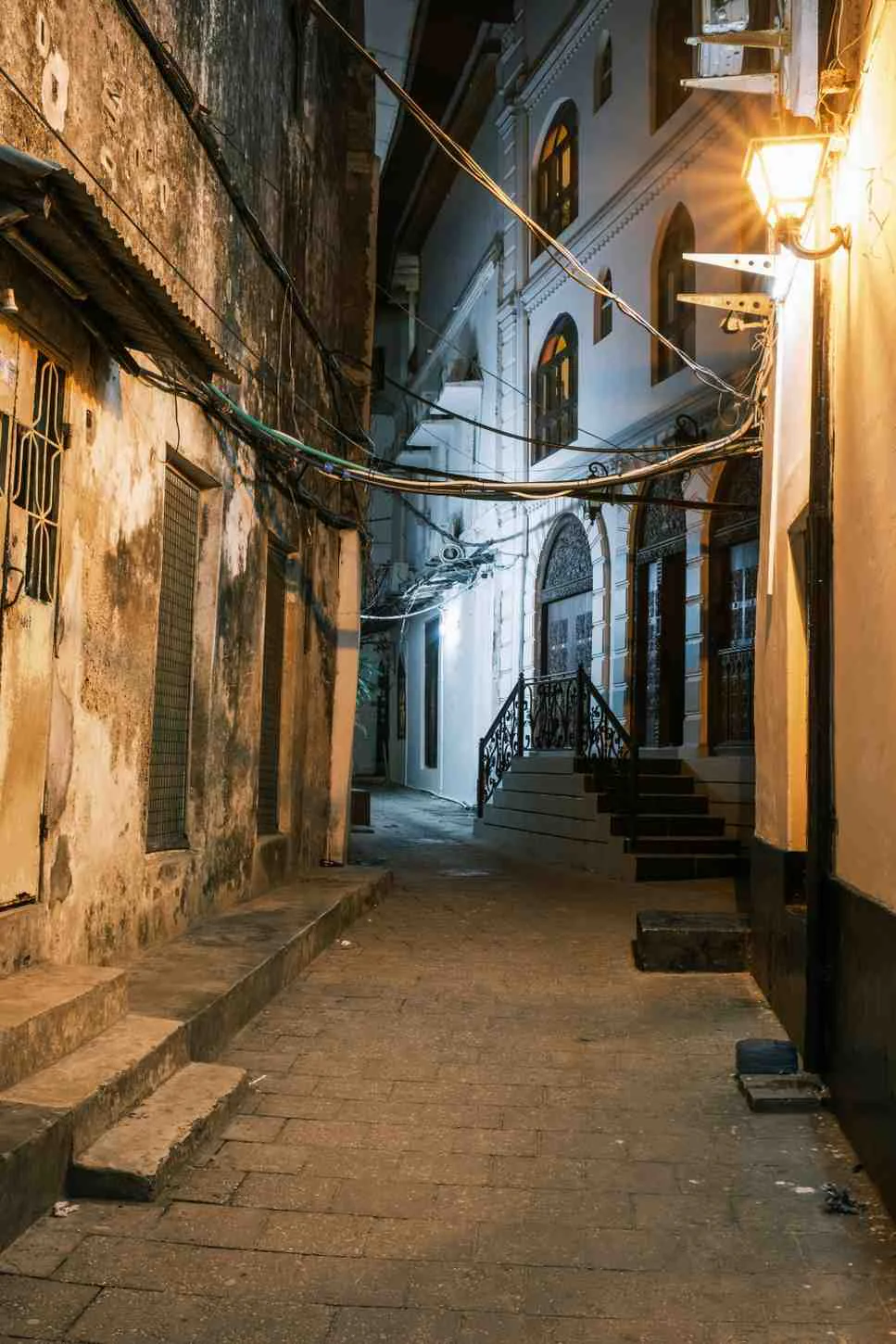
A Stone Town guided walk unlocks the secrets of Zanzibar's historic heart—one of the world's most evocative old towns. This UNESCO World Heritage Site preserves centuries of Swahili culture, where Arab, Indian, Persian, African, and European influences merged to create something uniquely Zanzibari. Every carved door and winding alley tells stories of spice merchants, sultans, and the complex history that shaped this island.
What Is Stone Town?
Stone Town is the historic section of Zanzibar City, occupying the western point of the island. The name refers to the coral-stone buildings that replaced earlier wooden structures in the 19th century. Designated a UNESCO World Heritage Site in 2000, it's recognized for preserving Swahili coastal trading town architecture and culture.
For centuries, Stone Town was the center of the spice trade (especially cloves) and tragically, the slave trade. Sultans of Oman ruled from here, merchants built fortunes, and diverse communities—Arabs, Indians, Africans, Comorians—created a cosmopolitan culture that persists today.
Highlights of a Stone Town Walking Tour
The Old Fort (Ngome Kongwe)
Built by Omani Arabs in the 17th century on the site of a Portuguese chapel, this is Stone Town's oldest building. Its crenelated walls and courtyards now host cultural events and the Zanzibar Film Festival.
The House of Wonders (Beit al-Ajaib)
This 19th-century ceremonial palace was the first building in Zanzibar with electricity and an elevator—hence "House of Wonders." Its grand facade and columns dominate the seafront. Though currently under restoration, the exterior remains impressive.
The Slave Market & Anglican Cathedral
Built atop the world's last open slave market, this poignant site includes underground chambers where slaves were held before auction. The memorial and museum provide sobering education about this dark chapter of Zanzibar's history.
Forodhani Night Market
Evening food market along the waterfront where locals and tourists gather for Zanzibar pizza, sugarcane juice, and fresh seafood. Evening walking tours conclude here for culinary exploration.
The Famous Carved Doors of Stone Town
Stone Town's most distinctive feature is its elaborate wooden doors—over 500 remain, each unique. Brass studs echo Indian architecture (originally to deter elephants). Intricate carvings display Islamic geometric patterns, lotus flowers, or chains indicating slave ownership. Guides explain door symbolism, helping you "read" the cultural and religious identity of former inhabitants.
Practical Tips for Your Walking Tour
Wear comfortable walking shoes (cobblestones are uneven). Dress modestly covering shoulders and knees (Stone Town is predominantly Muslim). Bring water and sun protection. Morning tours (8:00–11:00) avoid midday heat and crowds. Evening tours (16:00–19:00) end at Forodhani Market for food.
FAQs About Stone Town Tours
What is Stone Town?
What will I see on the walking tour?
How long is the walking tour?
Book a Stone Town Guided Walk
Trail Safari Explorers offers expert-led Stone Town walking tour Zanzibar experiences with knowledgeable local guides. Combine with spice plantation tours, cooking classes, and beach extensions for complete Zanzibar immersion.



Explore Further
Read our best time to visit Tanzania,safari cost guide, or packing list.
Explore all experiences,destinations,Tanzania safaris, or Zanzibar.
Read our planning guide,Serengeti guide, or browse our journal.