Cultural Experiences
Spice Plantation Tours – Zanzibar's Aromatic Gardens
Discover the spices that made Zanzibar famous
Cloves & Cinnamon
Zanzibar's famous exports
Sensory Experience
Touch, smell, taste fresh spices
Expert Guides
Learn spice history & uses
Spice plantation tours Zanzibar offer a sensory journey through the aromatic gardens that once made this island the world's most valuable real estate. Known as the "Spice Islands," Zanzibar dominated the global spice trade for centuries, and today visitors can explore the plantations where cloves, cinnamon, nutmeg, and cardamom grow in abundance.
The Spice Trade History
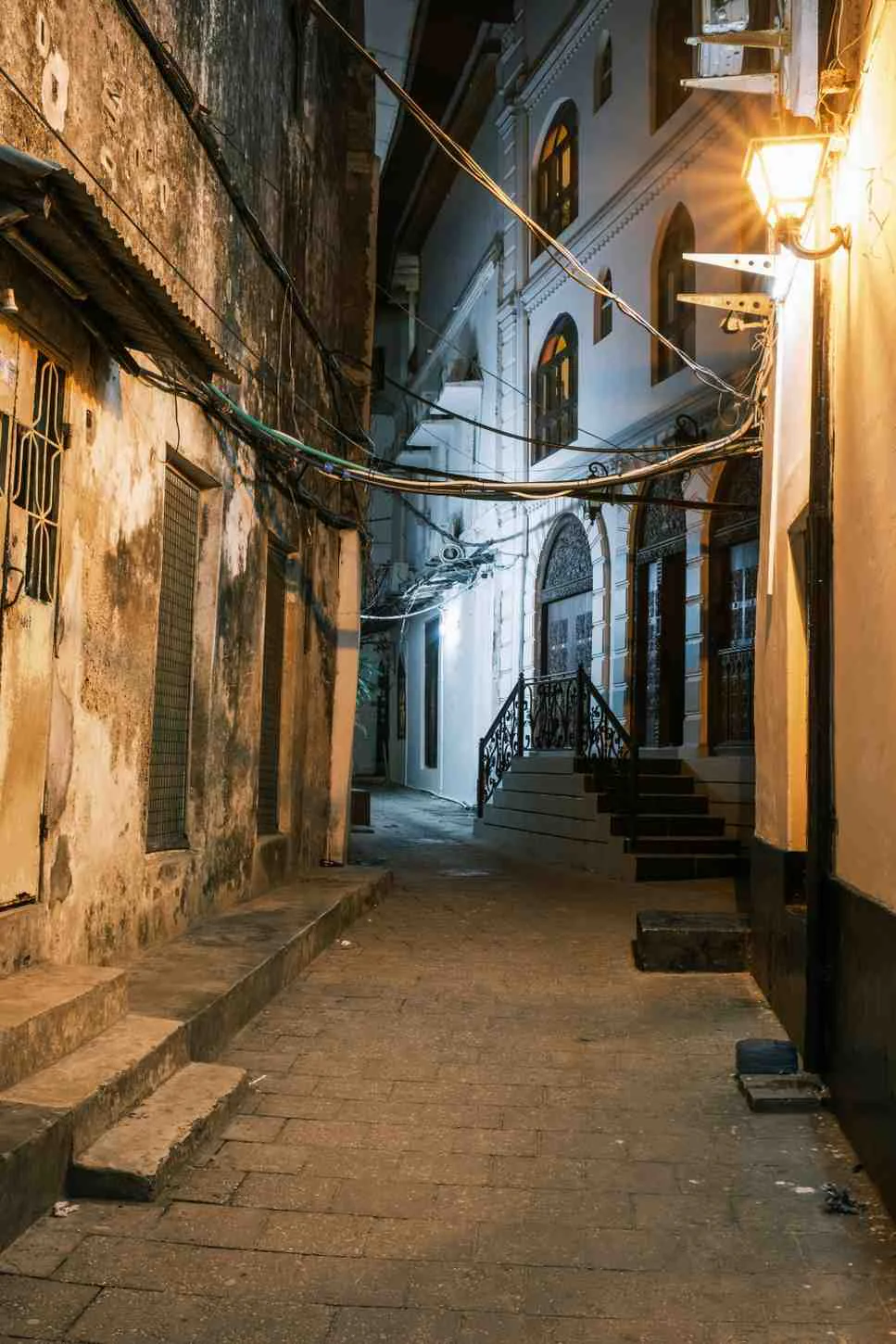
Zanzibar's spice trade began with Arab traders in the 8th century, who introduced cloves, cinnamon, and other valuable spices to the island. By the 19th century, Zanzibar produced 90% of the world's cloves, making the sultanate fabulously wealthy. The spice trade shaped Zanzibar's culture, architecture, and history—evident today in Stone Town's historic buildings.
Omani sultans controlled the spice monopoly, using slave labor to work the plantations. After the slave trade ended, spice production continued with freed laborers. Today, spice cultivation remains vital to Zanzibar's economy, and visiting the plantations connects you to this rich historical legacy.
What You'll Experience
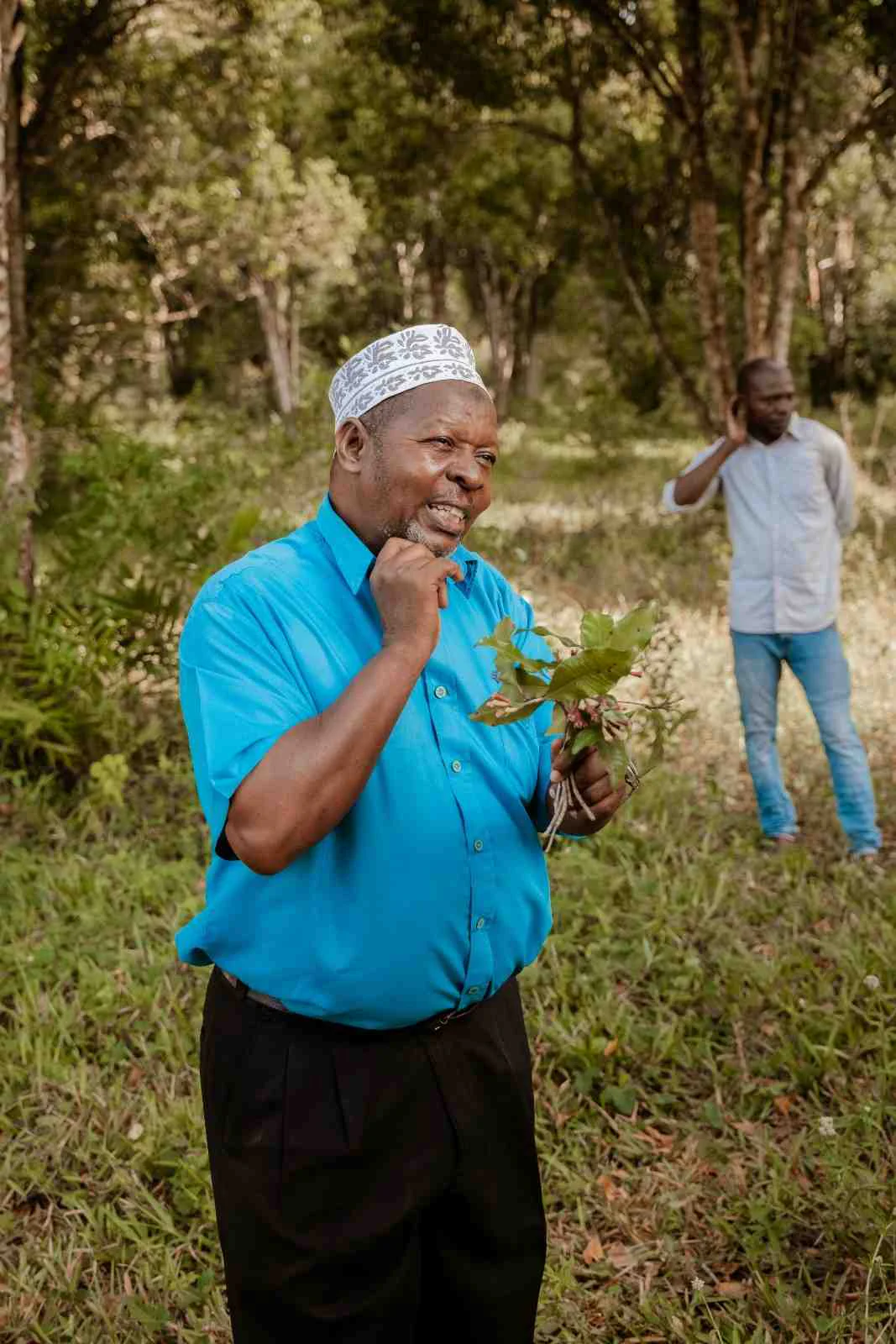
Your Zanzibar spice tour begins with a guided walk through lush plantation gardens. Expert guides identify each spice plant, explain its cultivation, and demonstrate harvesting techniques. You'll touch, smell, and taste fresh spices in their natural state—a completely different experience from the dried versions in supermarkets.
Guides share fascinating facts: cloves are dried flower buds, cinnamon comes from tree bark, nutmeg is actually a seed enclosed in a bright red covering called mace. You'll learn traditional uses in Zanzibari cuisine and medicine. Many tours include a fresh fruit tasting with tropical specialties like jackfruit and breadfruit.
Spices You'll Discover
Cloves—Zanzibar's signature spice, dried flower buds used worldwide in cooking. The island still produces high-quality cloves for export.
Cinnamon—Harvested from the inner bark of cinnamon trees, with both sweet and savory applications.
Nutmeg & Mace—Two spices from one plant. Nutmeg is the seed, mace the bright red covering.
Cardamom—Aromatic pods used in chai and desserts, growing on tall plants.
Vanilla—The world's most expensive spice, growing as orchids requiring careful hand-pollination.
Black Pepper, Turmeric, Ginger, Lemongrass—Essential spices in Zanzibari cuisine, all growing in the plantation gardens.
FAQs About Spice Tours
What spices will I see on a spice tour?
How long does a spice tour take?
Can I buy spices at the plantation?
Book Your Spice Tour
Trail Safari Explorers includes spice plantation tours Zanzibar as part of comprehensive island itineraries. Combine with Stone Town exploration, beach relaxation, and marine activities for the complete Zanzibar experience. Our knowledgeable guides ensure an educational and enjoyable experience.
Contact us to add a spice tour to your Zanzibar adventure. Whether you're a food enthusiast, history buff, or curious traveler, discovering Zanzibar's aromatic gardens is a highlight of any island visit.
Explore Further
Read our best time to visit Tanzania,safari cost guide, or packing list.
Explore all experiences,destinations,Tanzania safaris, or Zanzibar.
Read our planning guide,Serengeti guide, or browse our journal.