Heritage Sites
Olduvai Gorge Tanzania – The Cradle of Humankind
Where our earliest ancestors walked
Cradle of Humankind
2+ million years of history
Leakey Discoveries
Famous paleoanthropology site
On-Site Museum
Fossil exhibits and replicas
Olduvai Gorge Tanzania is the world's most famous paleoanthropological site—a 90-meter deep canyon exposing nearly two million years of evolutionary history. Here, Louis and Mary Leakey discovered fossil evidence that proved humanity originated in Africa, fundamentally reshaping our understanding of human evolution. For anyone interested in where we came from, visiting Olduvai is pilgrimage.
What Is Olduvai Gorge?
The gorge is a canyon with incredibly steep sides cutting through the Serengeti plains, exposing layers of sedimentary rock spanning 2.1 million years to 15,000 years ago. Volcanic activity and erosion created this natural cross-section of time, preserving remains of ancient creatures—including early hominids who lived here over 1.9 million years ago.
The name comes from the Maasai word for the wild sisal plant (oldupai) that grows abundantly in the area. German butterfly collector Wilhelm Kattwinkel first identified the site's significance in 1911, noting unusual fossil bones.
Archaeological Discoveries at Olduvai
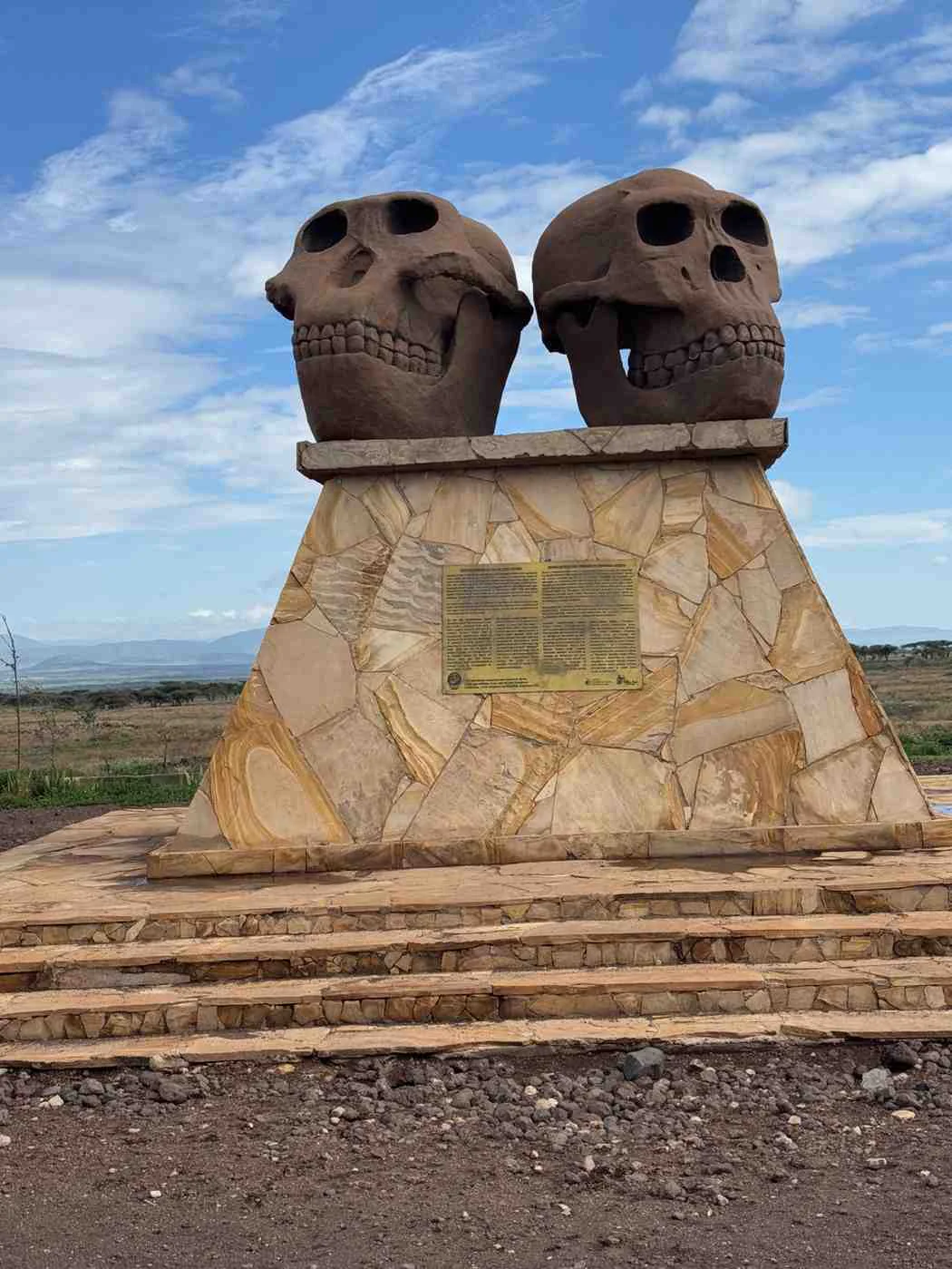
Zinjanthropus (Paranthropus boisei)
In 1959, Mary Leakey discovered Zinjanthropus (now classified as Paranthropus boisei, a robust australopithecine). Dated to 1.75 million years old, this "Nutcracker Man" had massive teeth and powerful jaws for eating tough vegetation. The discovery made global headlines and established Olduvai as the premier human origins site.
Homo habilis
Subsequent excavations revealed Homo habilis ("handy man"), dated 1.9 million years ago. These early humans had larger brains and made primitive stone tools—the first toolmakers. Their remains, found near tool concentrations, proved tool use and larger brain development were linked.
Homo erectus Tools
More advanced tools found at Olduvai indicate Homo erectus presence. This species, dated to 1.2 million years ago, had mastered sophisticated hand axe manufacture. Their ability to work stone with precision represented a major cognitive leap.
The Olduvai Gorge Museum
The on-site museum (open since 1970s, recently renovated) displays fossil replicas, original tools, and exhibits explaining human evolution. You can see: exact casts of the Zinjanthropus skull, stone tools demonstrating technological progression, reconstructed skeletons of ancient animals, and informative displays about excavation techniques.
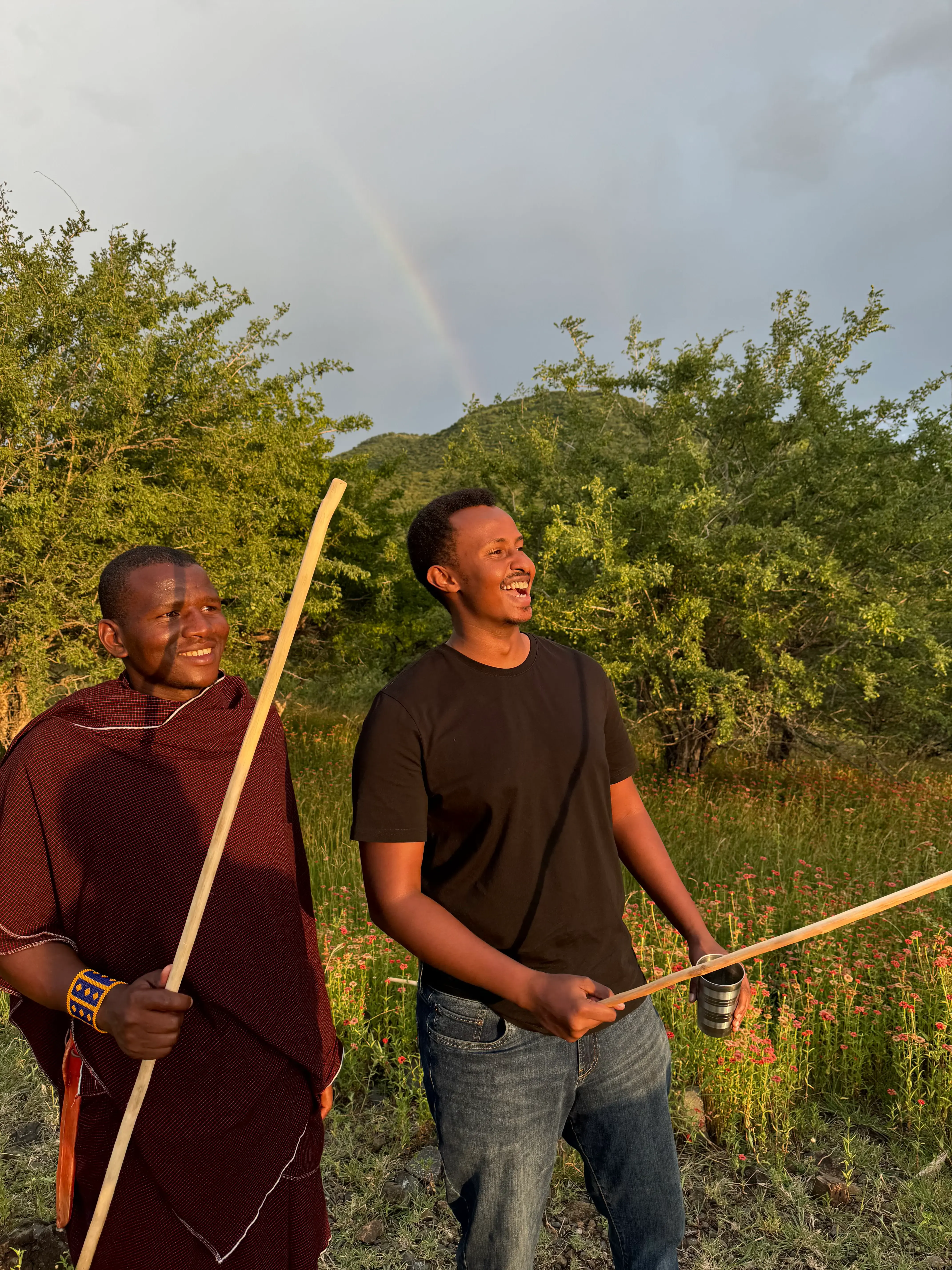
Local Maasai guides, trained in the site's history, provide explanations in English. Their cultural perspective adds depth—Maasai oral traditions sometimes reference "old people" who lived before current tribes.
How to Visit Olduvai Gorge
The gorge lies en route between the Ngorongoro Crater and Serengeti, making it a natural stop on northern circuit safaris. The turnoff is well-marked on the main road. A rim trail offers spectacular canyon views; the museum provides context before you look down at the excavation sites.
Best Time to Visit
The Olduvai Gorge Tanzania site operates year-round, but dry season (June–October) offers most comfortable conditions. The open, exposed location can be hot and dusty; morning visits avoid midday heat. Combine with Maasai village visits in the area for cultural context.
FAQs About Olduvai Gorge
What is Olduvai Gorge?
What was discovered here?
How do I visit Olduvai Gorge?
Add Olduvai to Your Ngorongoro Safari
Trail Safari Explorers includes Olduvai Gorge in all northern circuit itineraries traveling between Serengeti and Ngorongoro. The stop adds 1–2 hours but provides essential context for human history in this region where our species evolved. Combine with a 7-day Serengeti & Ngorongoro safari for comprehensive exploration.
Explore Further
Read our best time to visit Tanzania,safari cost guide, or packing list.
Explore all experiences,destinations,Tanzania safaris, or Zanzibar.
Read our planning guide,Serengeti guide, or browse our journal.