Safari Experiences
Chimpanzee & Colobus Monkey Tracking in Tanzania
Trek through pristine forests to encounter our closest living relatives
Wild Chimp Tracking
Track habituated chimpanzee families
Expert Guides
Jane Goodall legacy research sites
Colobus Monkeys
Red & yellow-bellied colobus encounters
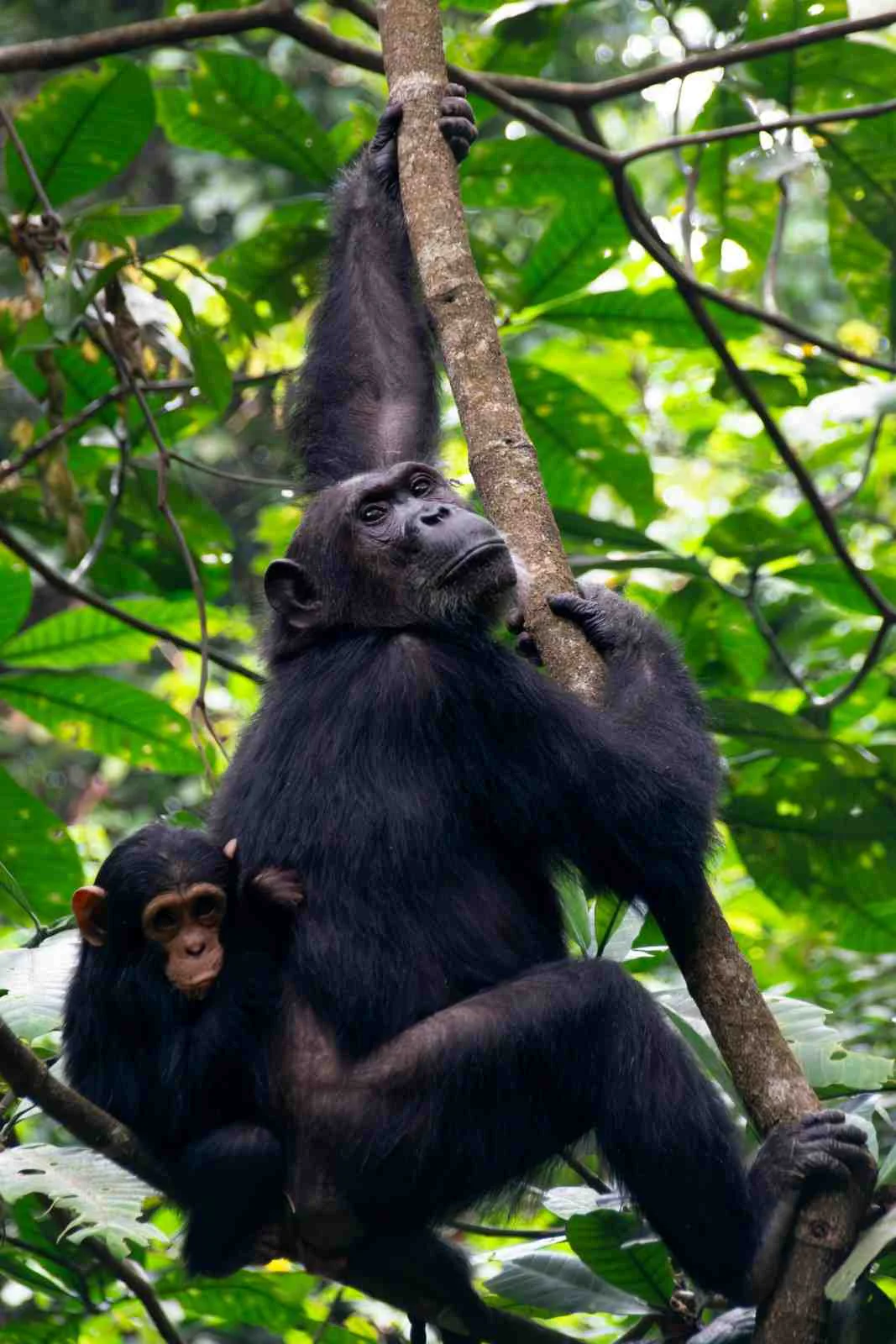
Chimpanzee tracking Tanzania offers one of Africa's most profound wildlife experiences. In the remote forests of western Tanzania, wild chimpanzees—sharing 98.7% of our DNA—move through montane forests in social groups that reveal behaviors remarkably similar to our own. Combined with spectacular red colobus monkey encounters, this is primate tracking at its finest.
Tanzania's Primate Havens
Tanzania shelters two of the world's premier chimpanzee research and tracking sites: Mahale Mountains National Park and Gombe Stream National Park. Both parks sit on the shores of Lake Tanganyika, Africa's deepest lake, creating a spectacular backdrop for primate tracking. These forests have been protected for decades, allowing chimpanzee populations to thrive in near-pristine habitats.
Beyond chimpanzees, these same forests harbor diverse monkey species. The endangered red colobus monkey—favorite prey of chimpanzees—swings through high canopy. Yellow-bellied colobus, red-tailed monkeys, and blue monkeys add to the primate diversity. Birdlife is exceptional with forest specialists like the trumpeter hornbill and African broadbill.
Tracking Chimpanzees – The Experience
Your chimpanzee tracking Tanzania adventure begins with an early morning briefing. Expert trackers who know individual chimpanzees by name and personality lead small groups (maximum 6 people) into the forest. The hike can last anywhere from 30 minutes to 4 hours depending on where the chimps spent the night and how they're moving.
Unlike gorilla trekking where family groups are habituated to human presence, chimpanzee tracking follows wild, semi-habituated communities. This means behaviors are more natural but also more unpredictable. You might witness grooming, feeding, territorial calls, or even hunting—chimpanzees are active predators of colobus monkeys. The one-hour viewing limit passes quickly as you observe our closest relatives displaying emotions, tool use, and complex social dynamics.
The experience carries the legacy of Jane Goodall, who began her groundbreaking research at Gombe in 1960. Her work transformed our understanding of primate behavior and conservation. Today, researchers continue long-term studies at both sites, and your visit supports this vital research.
Where to Track Chimps in Tanzania
Mahale Mountains National Park
Mahale represents the ultimate chimpanzee tracking Tanzania experience. With over 800 chimpanzees in the park and several well-habituated groups, success rates approach 90%. The setting is spectacular—crystal-clear Lake Tanganyika beaches backed by forested mountains. After morning tracking, you can swim in the lake (crocodile-free areas) or relax on white sand. Access is via a scenic flight to Mahale airstrip followed by boat transfer. Combine with a 12-day Mahale chimp safari for the complete experience.
Gombe Stream National Park
Gombe Stream is the historic home of Gombe chimp tracking. Jane Goodall's research continues here, making it one of the longest-running wildlife studies in the world. The park is smaller and more intimate than Mahale, with steep terrain rising from the lake. The 150+ chimpanzees are well-documented and relatively easy to locate. Gombe also offers excellent red colobus monkey viewing—these primates are remarkably habituated and allow close observation. Access is via boat from Kigoma town, itself a flight from Arusha or Dar es Salaam.
Colobus Monkey Encounters
While chimpanzees are the stars, colobus monkeys provide memorable supporting roles. The red colobus of Gombe—brilliant crimson and white—are highly endangered and remarkably approachable. At Mahale, yellow-bellied colobus fill the canopy with their golden fur catching forest light. These leaf-eating specialists live in large troops that create spectacular displays as they leap between trees.
Colobus tracking doesn't require permits or guides—you'll encounter them naturally while hiking to chimpanzee locations. Their loud chorus calls often reveal troop positions before visual contact. The contrast between terrestrial chimpanzees and arboreal colobus highlights primate diversity in these forests.
Practical Information & Permits
Chimpanzee tracking permits cost approximately $150 per person per day (separate from park entry fees). Strict regulations limit groups to 6 people maximum and viewing time to exactly one hour. Minimum age is typically 12 years. Treks operate in morning and afternoon sessions, though morning offers better chimp activity and cooler hiking conditions.
Access to both parks requires flights to western Tanzania (typically via Tabora or direct to Mahale airstrip) followed by boat transfers. This remoteness limits visitor numbers and maintains wilderness character—only about 1,000 people track chimps in Tanzania annually compared to 20,000+ gorilla trekkers in Rwanda and Uganda. This exclusivity makes Mahale chimpanzee trekking one of Africa's most special wildlife experiences.
FAQs About Chimpanzee Tracking in Tanzania
Where can I track chimpanzees in Tanzania?
How difficult is chimpanzee trekking?
What is the best time for chimpanzee tracking?
What should I bring for chimpanzee tracking?
Book Your Primate Trek
Chimpanzee tracking permits are limited and require advance booking—especially for Mahale during peak season (June–October). Trail Safari Explorers coordinates flights, boat transfers, accommodation, and permits for seamless chimpanzee tracking experiences. Combine with walking safaris or extend to Uganda gorilla trekking for the ultimate primate safari.
Contact us to plan your chimpanzee tracking Tanzania adventure. Whether you choose the research legacy of Gombe or the wilderness paradise of Mahale, encountering wild chimpanzees in their forest home will be a highlight of your African journey.
Explore Further
Read our best time to visit Tanzania,safari cost guide, or packing list.
Explore all experiences,destinations,Tanzania safaris, or Zanzibar.
Read our planning guide,Serengeti guide, or browse our journal.