Adventure Experiences
Climb Mount Kilimanjaro – Africa's Highest Peak Awaits
Stand on the Roof of Africa at 5,895 meters
5,895m Summit
Africa's highest peak
7 Routes
Options for all skill levels
Expert Guides
KKMC certified crews
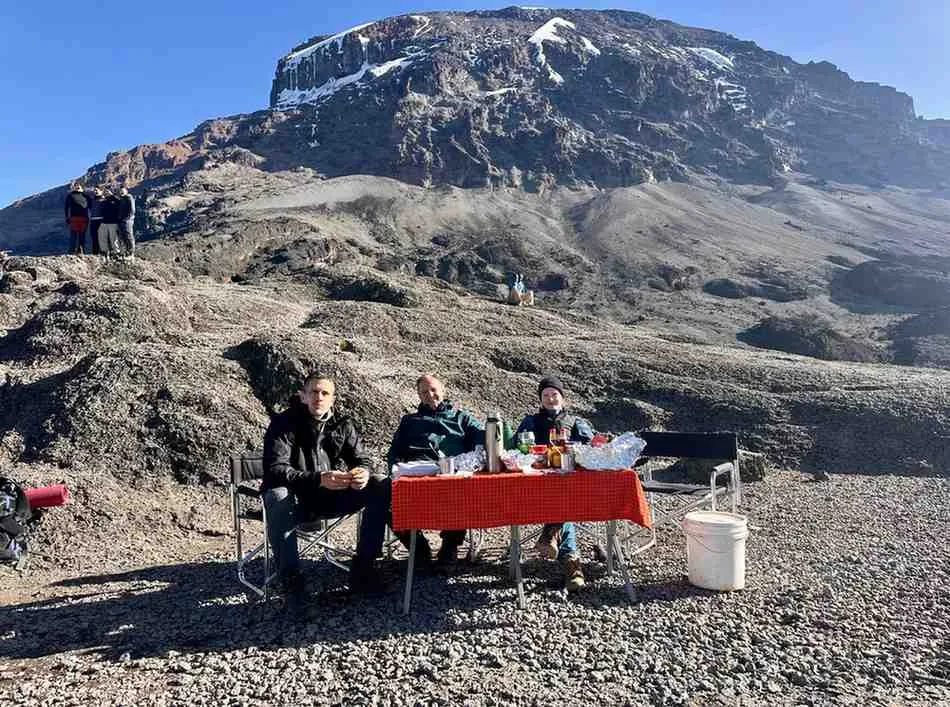
Climbing Mount Kilimanjaro is one of the world's greatest trekking adventures. At 5,895 meters (19,341 feet), Uhuru Peak is Africa's highest point and the world's tallest free-standing mountain. No technical climbing is required—just determination, proper acclimatization, and the support of experienced guides who'll lead you through five distinct climate zones to the snowy summit.
Why Climb Kilimanjaro?
Kilimanjaro is the most accessible of the Seven Summits (highest peaks on each continent). No ropes, ice axes, or technical skills are needed—any fit person can reach the summit with proper preparation. The mountain offers extraordinary biodiversity: trek from tropical rainforest through heath, moorland, alpine desert, and finally arctic summit conditions.
The achievement of standing at Uhuru Peak, watching sunrise over Africa from the highest point on the continent, creates lifelong memories. For many, it's a transformative experience that proves personal limits can be exceeded.
Routes Up Kilimanjaro
Lemosho Route
The Lemosho Route is considered the most scenic and has excellent acclimatization profile. Starting from the west, it traverses the spectacular Shira Plateau before joining the Machame route. 7-8 days recommended. Higher success rates due to gradual ascent.
Machame Route (Whiskey Route)
The Machame Route is the most popular, offering great scenery and good acclimatization with the "climb high, sleep low" profile. 6-7 days. Camping only. The route name contrasts with Marangu's "Coca-Cola" nickname—suggesting it's tougher but more rewarding.
Marangu Route (Coca-Cola Route)
The Marangu Route is the only one with hut accommodation, making it popular with budget trekkers. However, its 5-day itinerary has the lowest success rate due to rapid ascent. 6 days improves odds. The trail is the same up and down—less scenic variety.
Rongai Route
The Rongai Route approaches from the north near the Kenyan border. It's the only route starting from this side, offering different scenery and lower crowds. Gradual, steady climb with good acclimatization. 6-7 days.
Northern Circuit
The Northern Circuit is the newest and longest route (9 days), circling the northern slopes for exceptional acclimatization and the highest success rates. It's also the most expensive due to extra days. Best for those prioritizing summit success and wanting to avoid crowds.
Altitude & Acclimatization
Altitude sickness (AMS) is the primary challenge on Kilimanjaro climb Tanzania expeditions. Symptoms include headache, nausea, and fatigue. Proper acclimatization requires slow ascent, adequate hydration, and rest days. The "climb high, sleep low" principle—gaining elevation during the day then descending to sleep—helps adaptation.
Medications like Diamox can help prevent AMS. Guides are trained to recognize symptoms and make safety decisions. The summit day is particularly challenging—starting at midnight to reach Uhuru Peak at sunrise, then descending.
What to Pack for Kilimanjaro
Layering is essential: moisture-wicking base layers, insulating mid-layers (fleece/down), waterproof outer shell. Quality trekking boots (broken in!), gaiters, warm sleeping bag (rated -10°C), headlamp, trekking poles, sunglasses, and sun protection. Most operators rent gear in Moshi/Arusha if needed.
FAQs About Climbing Kilimanjaro
How difficult is climbing Kilimanjaro?
Which route should I choose?
When is the best time to climb?
What is the cost to climb Kilimanjaro?
Book Your Kilimanjaro Expedition
Trail Safari Explorers offers Kilimanjaro trek packages on all routes with KKMC-certified guides, fair porter treatment, and safety-first approaches. We recommend 7+ day itineraries for best acclimatization and summit success. Combine with safari or Zanzibar beach for complete Tanzania adventures.
Explore Further
Read our best time to visit Tanzania,safari cost guide, or packing list.
Explore all experiences,destinations,Tanzania safaris, or Zanzibar.
Read our planning guide,Serengeti guide, or browse our journal.