Park guide
Ngorongoro Crater — The Complete Visitor Guide
How to visit the world's largest volcanic caldera and see the densest concentration of wildlife on Earth.
What Is Ngorongoro Crater?
Ngorongoro Crater is a collapsed volcanic caldera spanning roughly 260 km² — the largest inactive volcanic caldera in the world. Formed 2-3 million years ago when a giant volcano exploded and collapsed, it is now a self-contained ecosystem that traps wildlife within its steep walls.
The crater floor sits at 1,800 meters, surrounded by walls rising 400-600 meters. Inside, a mosaic of grassland, swamp, forest, and lake supports an estimated 25,000 large animals — making it one of the most wildlife-dense places on the planet.
Wildlife: The Big Five Guarantee
Ngorongoro is one of the few places in Africa where you can realistically see the Big Five in a single day. The open grasslands make spotting easy, and the enclosed nature of the crater means animals cannot leave.
What you will see:
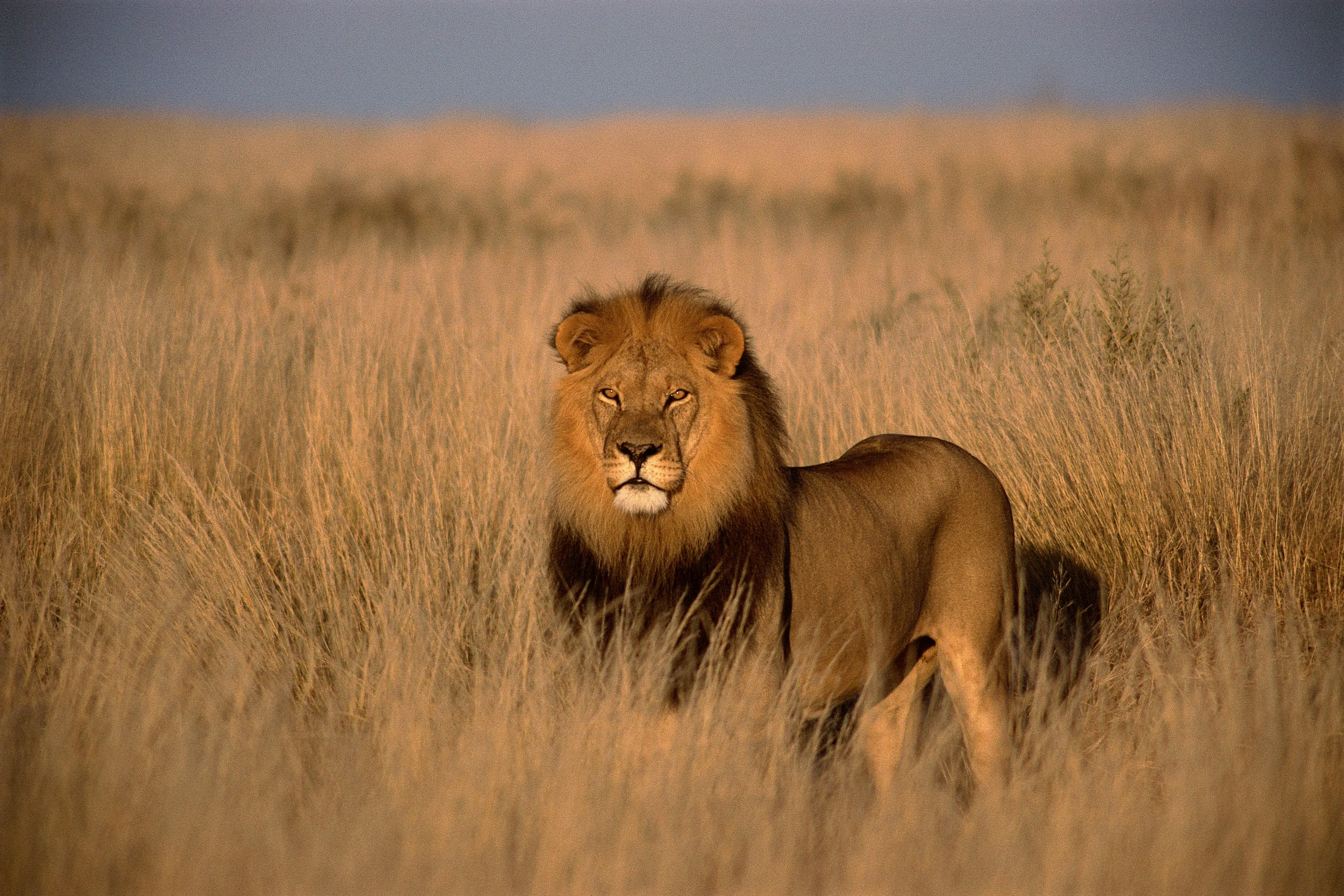
- Lions — Large prides, including the famous black-maned lions
- Elephants — Old bulls with enormous tusks (some of Africa's largest)
- Buffalo — Huge herds numbering in the thousands
- Leopards — Sightings are less guaranteed but possible near forests
- Black rhino — The crater has one of East Africa's most stable populations
- Hyenas, jackals, cheetahs, flamingos, hippos — All common
Best Time to Visit
Ngorongoro is a year-round destination, but the experience changes with the seasons.
June to October (dry season): Grass is shorter, making wildlife easier to spot. Cooler weather. Peak season — expect more vehicles on the crater floor.
November to May (wet season): Lush green landscapes, fewer tourists, excellent birding. The Lerai Forest is beautiful. Some roads may be slippery but generally passable.
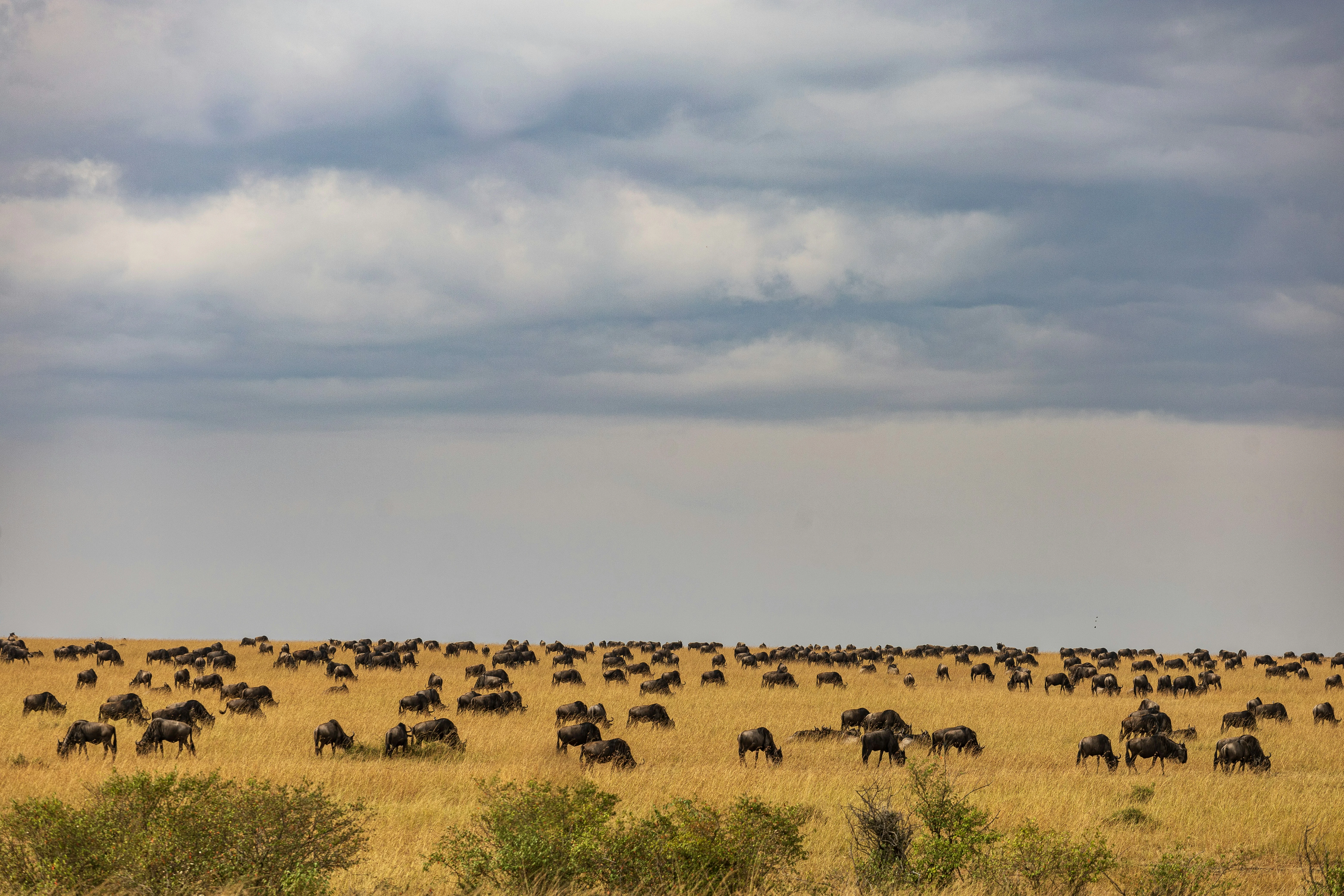
February to March: Wildebeest calving on the nearby Ndutu plains (just outside the crater). Combine Ngorongoro with the calving season for the ultimate experience.
The Crater Floor Rules
Ngorongoro has strict regulations to protect the ecosystem:
- All vehicles must leave the crater floor by 6:00 PM
- No off-road driving is permitted anywhere in the crater
- Only 4x4 vehicles with pop-up roofs are allowed
- Maximum 6 passengers per vehicle
- No walking safaris on the crater floor (but permitted on the rim and in the highlands)
These rules keep the environment pristine but can make photography challenging at times — your guide will position the vehicle as best they can within the road network.
Where to Stay
Accommodation is split between crater rim lodges (stunning views, cold nights, easy access) and Karatu town (1.5 hours away, warmer, more affordable, good for multiple nights).
Rim lodges: Ngorongoro Crater Lodge (ultra-luxury), Neptune Ngorongoro (luxury), Rhino Lodge (mid-range), Simba Camp (budget). All offer sunrise crater views but are expensive and cold at night.
Karatu: More options, better value, warmer climate. Most safari itineraries use Karatu as a base for both Ngorongoro and Lake Manyara.
Tips for the Best Experience
- Start early — Descend the rim at 6:00 AM when the gate opens. Wildlife is most active, and you beat the crowds.
- Bring warm layers — The rim is 2,300m and cold at dawn. The crater floor warms up by midday.
- Pack a picnic — Lunch at the hippo pool is a classic Ngorongoro experience.
- Do not skip the highlands — The crater rim drive offers spectacular scenery and Maasai village visits.
- One full day is enough — Two days feels repetitive. Combine with Serengeti or Tarangire for variety.
See our Ngorongoro destination page or plan your Ngorongoro safari with us.
Plan Your Tanzania Safari
Ready for your adventure? Book your safari with Trail Safari Explorers. Explore Ngorongoro Crater, or the Northern Circuit Crater Camp route.
Hike the Empakaai Crater, trek the Ngorongoro to Lake Natron trek, or track golden monkeys in Ngorongoro.
Browse our 7-Day Serengeti & Ngorongoro Safari,7-Day Luxury Serengeti & Ngorongoro Safari, browse our journal, or check travel resources.