Active Experiences
Beach Cycling in Jambiani & Paje – Explore Zanzibar on Two Wheels
Eco-friendly exploration of coastal villages and seaweed farms
Flat Coastal Route
Easy riding for all levels
Seaweed Farms
See traditional mwani harvesting
Village Culture
Authentic Swahili communities
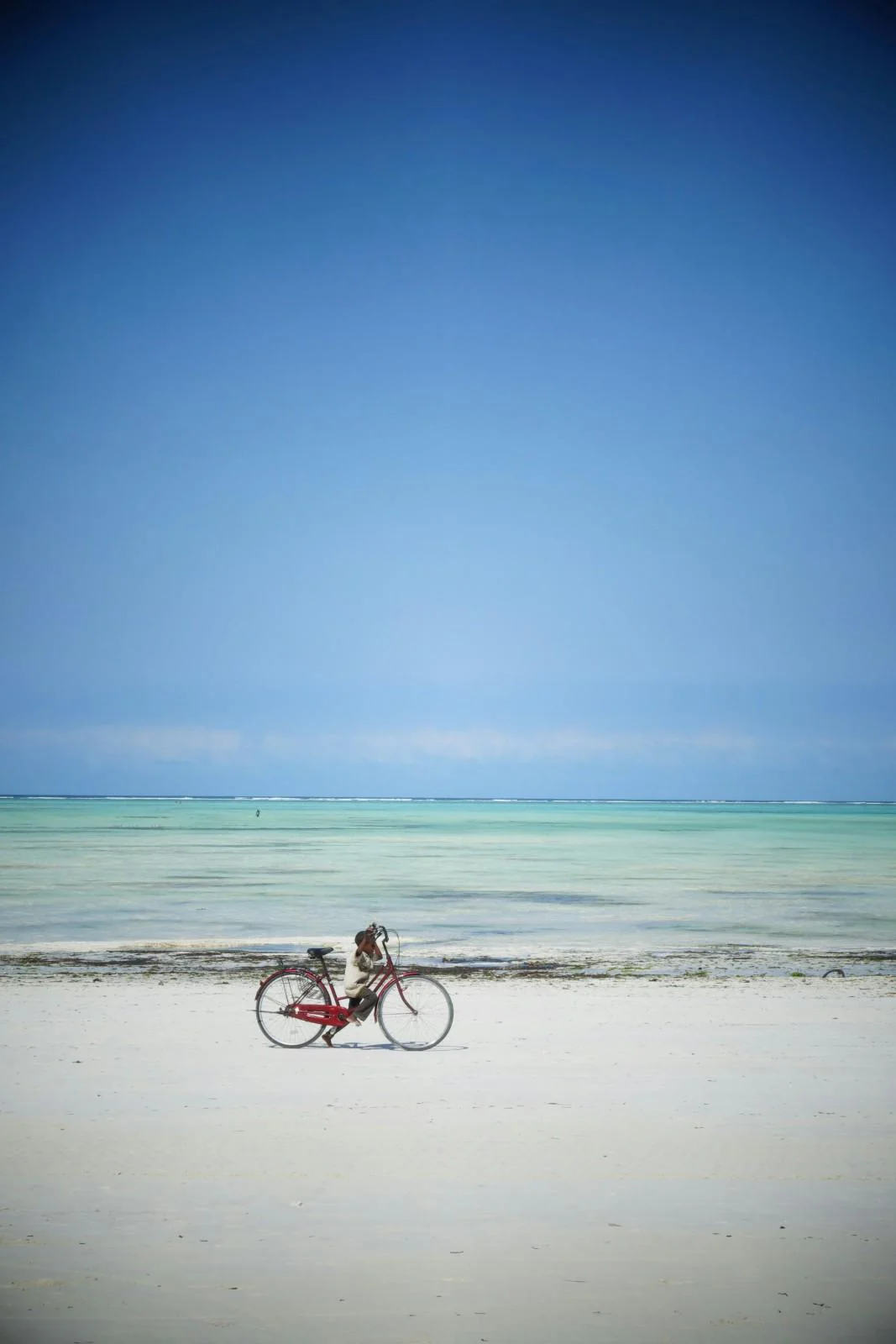
Cycling Zanzibar beach routes offer an eco-friendly, intimate way to experience the island's east coast. Pedaling from Jambiani to Paje, you'll pass seaweed farms where women harvest mwani at low tide, traditional fishing villages with dhows pulled ashore, and the vibrant kiteboarding scene that makes this coastline famous.
The East Coast Cycling Route
The coastal road from Jambiani to Paje follows the coral rag shoreline for approximately 12 kilometers. The flat terrain makes this suitable for all cycling abilities—from families with children to experienced riders. Hybrid bikes handle the mixed surface of sand, coral rag, and pavement sections.
Unlike busy Stone Town streets, this route offers minimal traffic and maximum coastal scenery. The route passes through several small Swahili villages where children wave and shopkeepers offer fresh coconut water. It's authentic Zanzibar away from resort enclaves.
What You'll See Along the Way
- Seaweed Farms – At low tide, hundreds of women tend rows of cultivated mwani (seaweed) drying on wooden stakes. This sustainable industry supports coastal communities.
- Fishing Villages – Traditional dhow boats pulled up on the beach, nets being repaired, fish markets bustling with morning catch.
- Baobab Trees – Ancient specimens dotting the landscape, some believed to be over 1,000 years old.
- Paje Kite Beach – Arrive at Zanzibar's kitesurfing capital to watch colorful sails dancing over the lagoon.
Seaweed Farming – A Living Culture
Seaweed farming (mwani) transformed Zanzibar's coastal economy after cloves declined. Women dominate the industry, earning independent income while managing household responsibilities. The cultivation happens at low tide—farmers tie seedlings to underwater lines, then harvest and dry the mature seaweed for export to Asian cosmetics and food industries.
Cycling past these farms offers glimpses of working coastal life that resort guests rarely see. The geometric patterns of drying seaweed create striking photographic compositions against white sand and blue water.
Practical Tips for Cycling in Zanzibar
Start early (8:00 AM) to avoid midday heat. Tide timing matters—low tide allows beach riding on firm sand, while high tide requires sticking to the road. Bring sun protection (hat, SPF 30+), water, and a camera. Guided tours include bikes, helmets, and local insights; self-guided requires rental from Paje or Jambiani shops.
FAQs About Zanzibar Beach Cycling
How difficult is the cycling route?
What will I see along the way?
When is the best time for beach cycling?
Book a Zanzibar Cycling Tour
Trail Safari Explorers offers guided beach cycling tours with quality bikes, local guides, and support vehicles. Combine cycling with kitesurfing lessons, Stone Town exploration, or beach relaxation for complete Zanzibar immersion.

Explore Further
Read our best time to visit Tanzania,safari cost guide, or packing list.
Explore all experiences,destinations,Tanzania safaris, or Zanzibar.
Read our planning guide,Serengeti guide, or browse our journal.