Partner Experience · Esilalei, Lake Manyara Region
Conservation in the Field
Work alongside the Maasai to protect land, water, and community.
Our Partnership
About Isoitok Camp Manyara
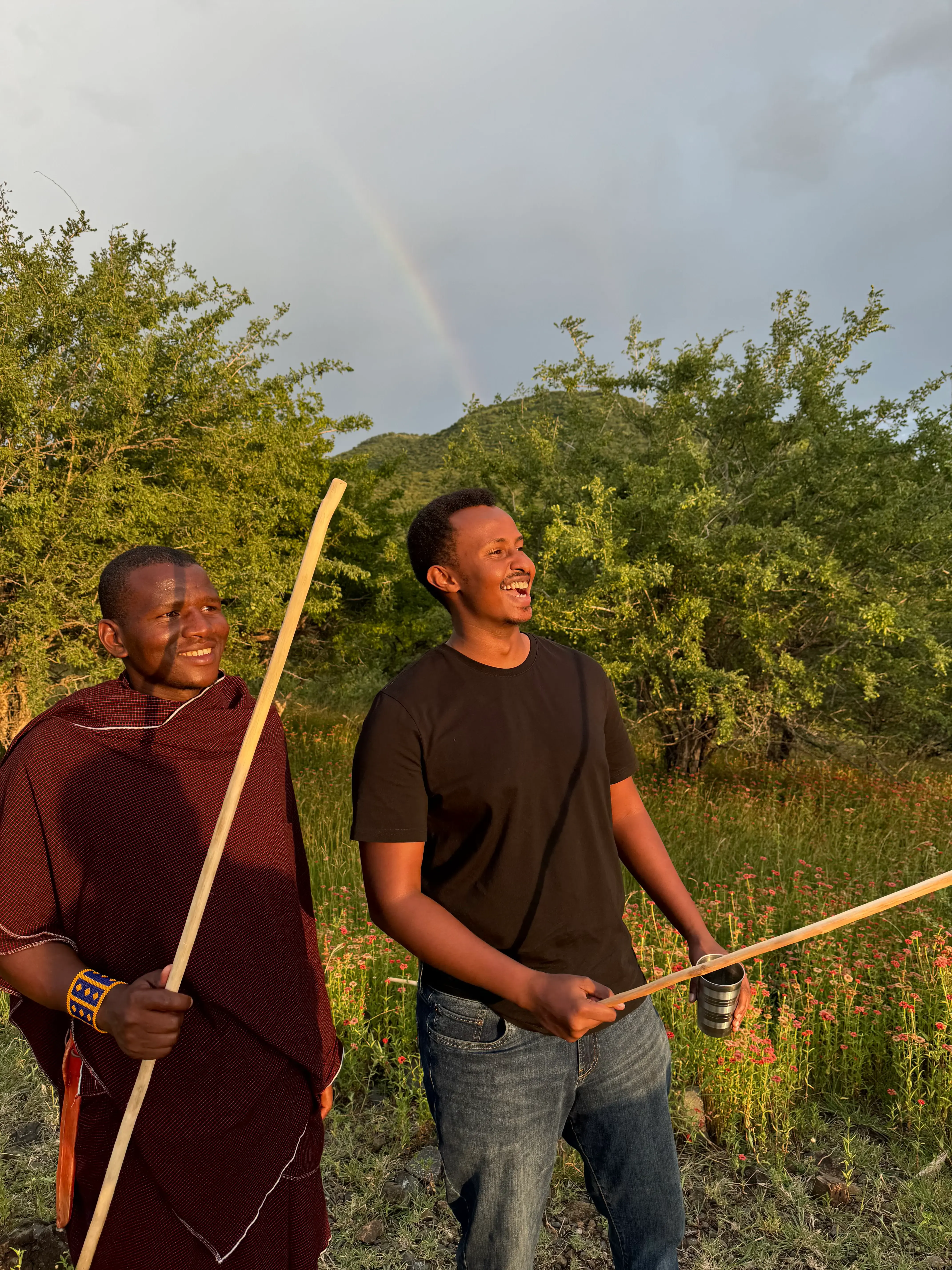
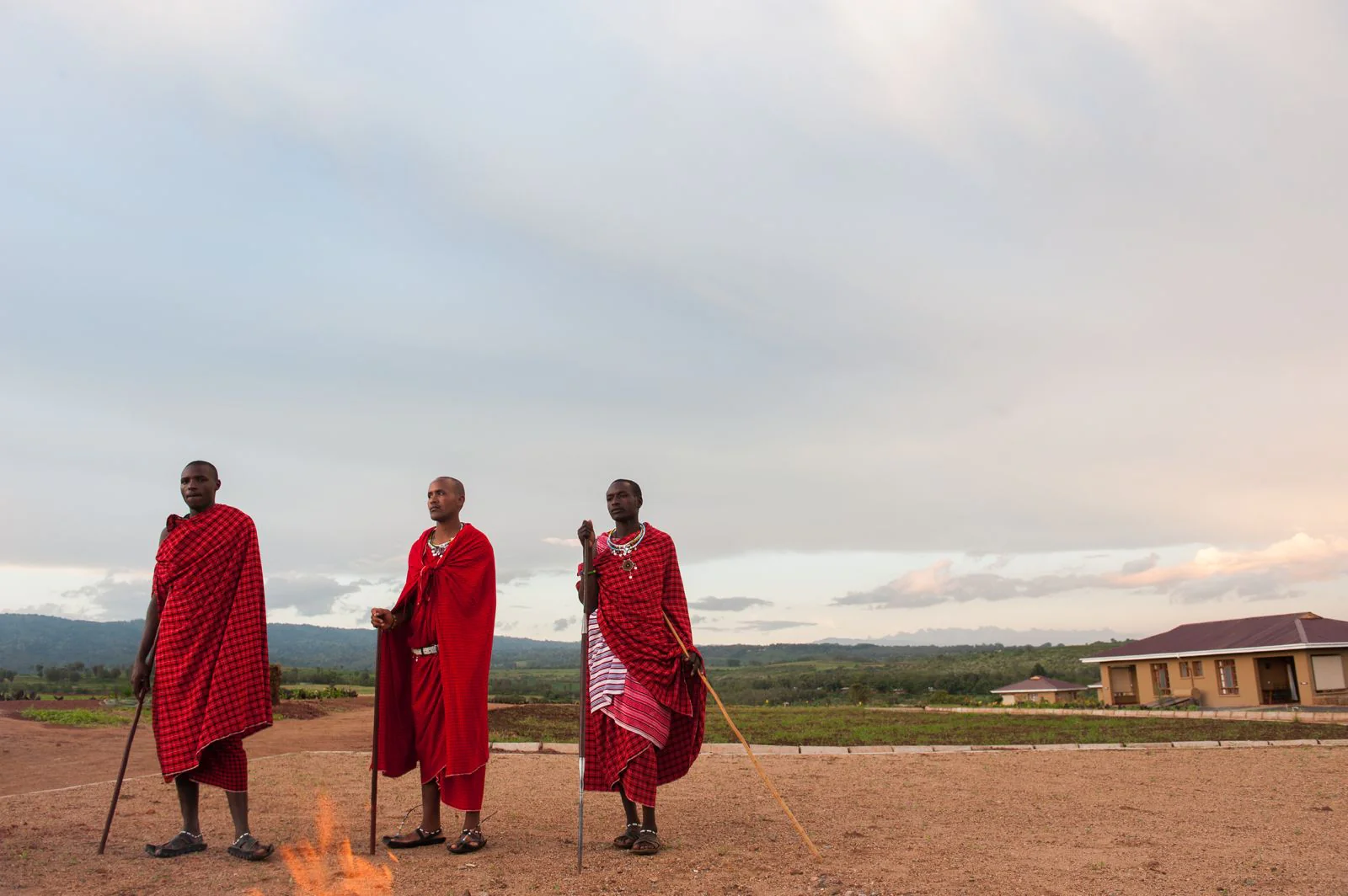
Isoitok Camp sits on the edge of the Esilalei plains, between Lake Manyara and Tarangire — land the Maasai have managed for centuries, and some of the most ecologically vulnerable territory in northern Tanzania. Overgrazed, drought-stressed, slowly losing its topsoil.
Isoitok has been working to change that. Not through observation — through active, community-led conservation projects that run year-round. In partnership with Climate-Smart Solutions, JustDiggit, and Wine to Water, they are doing the kind of work that takes years to see — and that matters long after any visitor has gone home.
TSE guests who stay at Isoitok, or who add a project day to a wider northern circuit itinerary, can join that work directly. Here is what is currently running.
Hands-On Work
Conservation Projects
Protecting the Land Before It's Gone
Sustainable Land Management
Large zones of degraded land have been geo-mapped and protected, giving grasses and trees the chance to regenerate before controlled harvesting resumes. Volunteers work on geo-mapping, tagging trees, monitoring recovery, and building the earth bunds that slow erosion and hold moisture in the soil. The results are visible. You can see the difference between what was and what is coming back.
Planting What Belongs Here
Reforestation
The reforestation programme focuses on indigenous species — trees that hold both ecological and cultural significance for the Maasai. Some regenerate naturally once protected; others are grown through a nursery system based in Arusha and replanted in the field. Guests can join seed collection, planting, and growth monitoring. What you plant outlasts your visit by decades.
Clean Water, Built by Hand
Water Access
In Esilalei, clean water is not a given. Working with Wine to Water, Isoitok has been installing rainwater harvesting systems across the community — from household tanks to large structures holding up to 40,000 litres. Volunteers fit guttering, lay pipework, install tanks, and assist with water filtration surveys. There is always something to build.
The Basics Matter
Sanitation
Better sanitation in Maasai bomas reduces waterborne illness and protects the water sources the community depends on. Volunteers work alongside local builders using traditional materials and methods — mixing mud, setting slabs, fitting guttering and roofing. It is unglamorous and important.
Holding the Ground
Erosion Control
Where erosion has already taken hold, earth and stone bunds are built by hand to slow water flow and retain topsoil. Tree planting then reinforces the root structure, and protected zones allow grasses to return as grazing reserve. Volunteers geo-map affected areas, help establish bunds, and monitor recovery over time.
A Space to Learn
The Kindergarten
The community centre has been running since 2007. It needs hands as much as it needs hearts — painting murals, building shelving, constructing play areas, and spending time with the children who use it every day.
Where You'll Stay
Accommodation at Isoitok
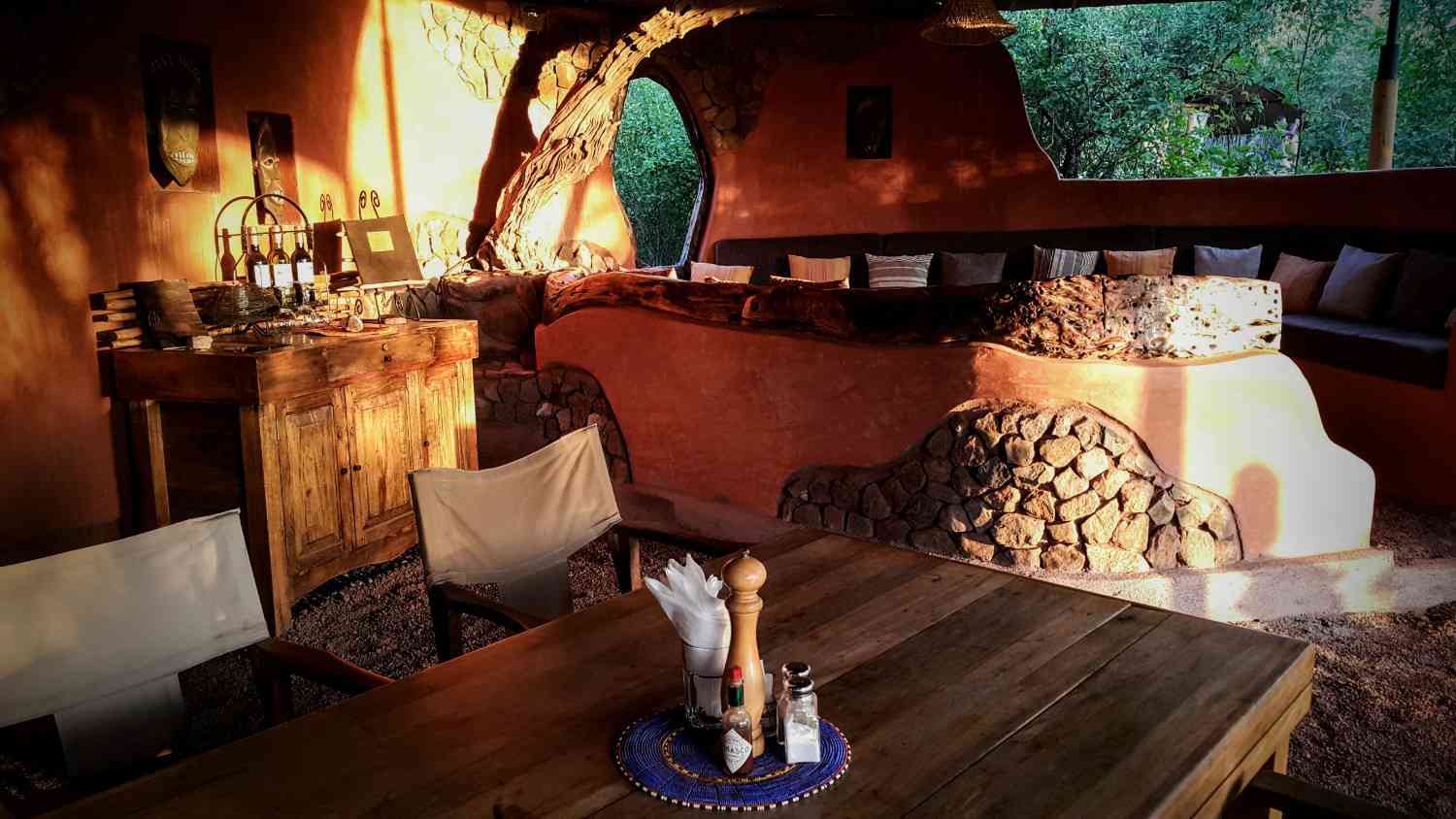
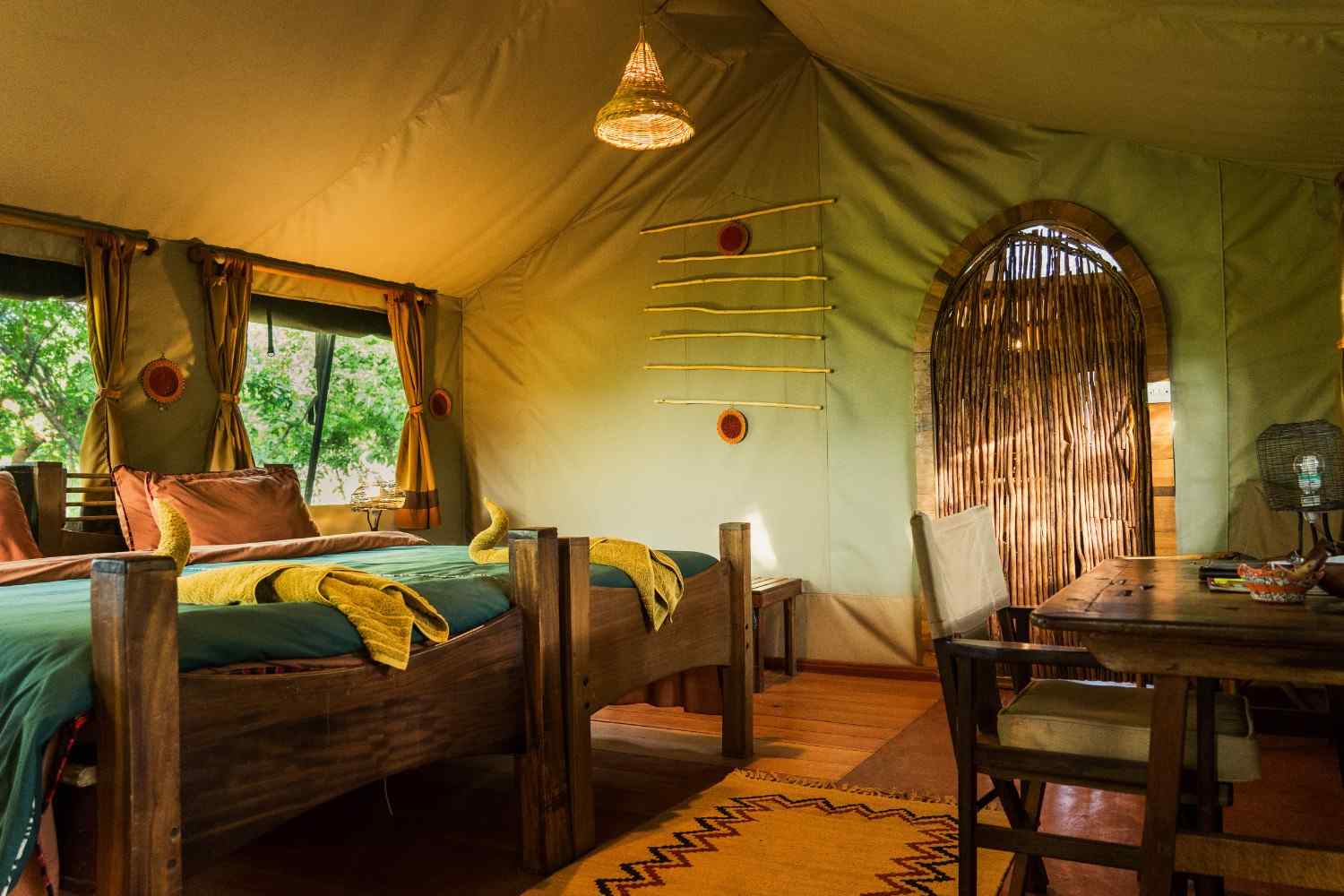
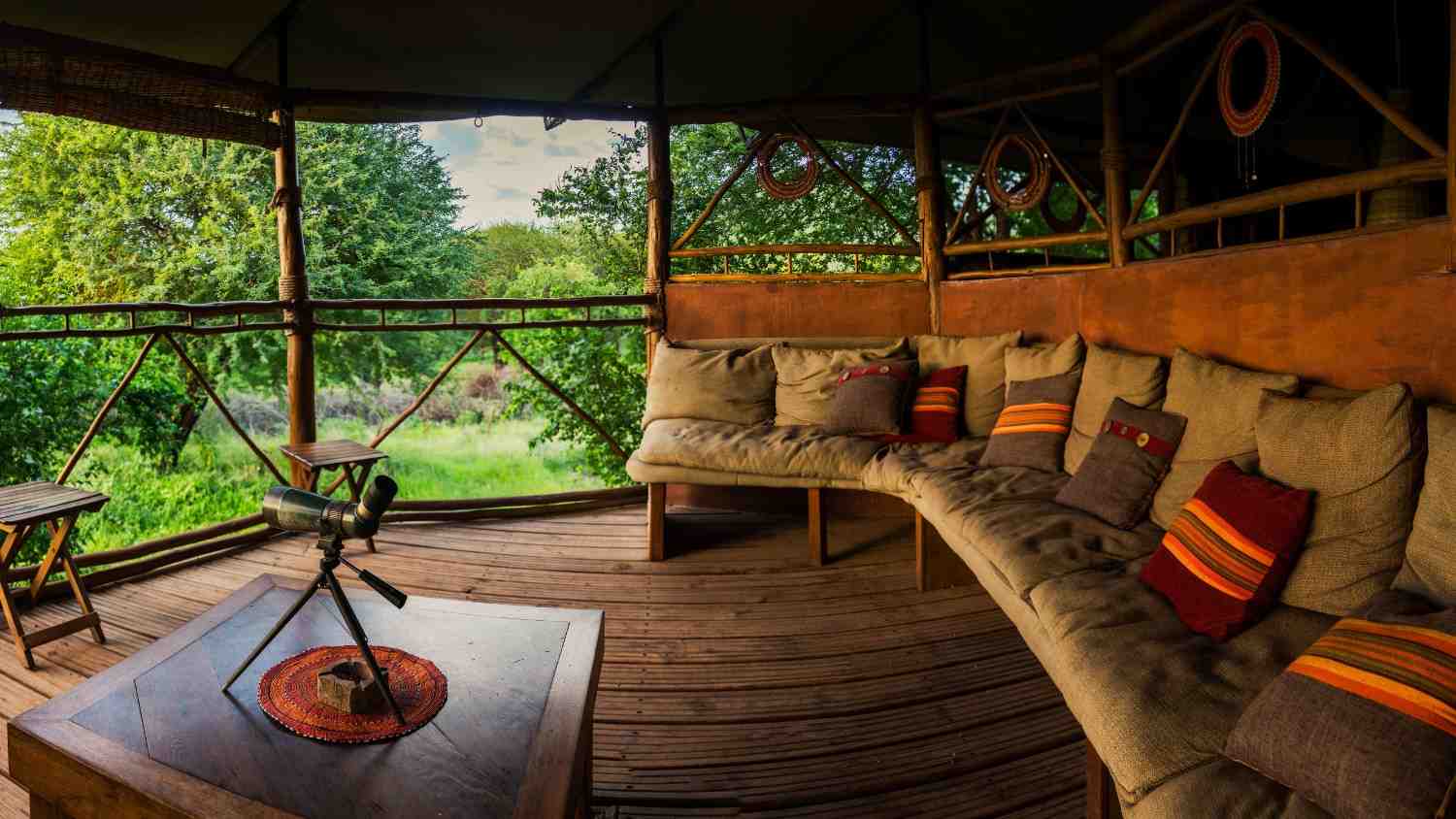
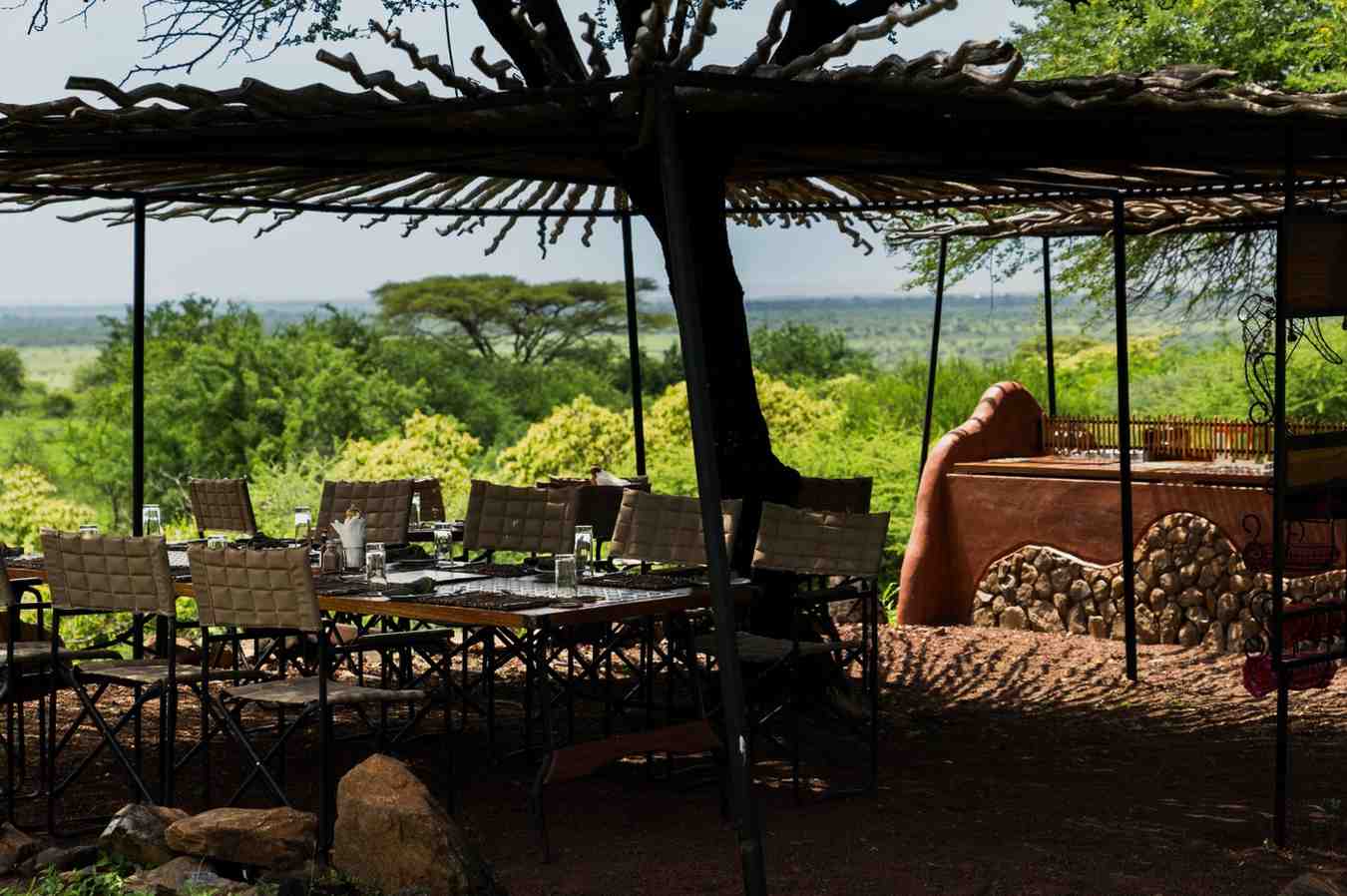
Guests involved in the conservation projects stay at Isoitok Camp — shared deluxe tents, three meals a day, and access to the surrounding bush. During quieter seasons (late March–April, November–early December), private camp arrangements may be available for groups.
The evenings tend to be the unexpected highlight: walks, cultural visits, and — at the end of it all — a Maasai-style BBQ in the open.
Common Questions
Frequently Asked Questions
Explore Further
Read our safari cost guide,best time to visit Tanzania, or packing list.
Explore Tanzania safaris,Lake Manyara,accommodations, or our partners.
Read our planning guide,sustainability, or browse our journal.