Conservation Experiences
Reforestation & Erosion Control – Restore Tanzania's Land
Plant trees and combat environmental degradation
Tree Planting
Restore native forests
Erosion Control
Prevent soil degradation
Habitat Restoration
Support wildlife recovery
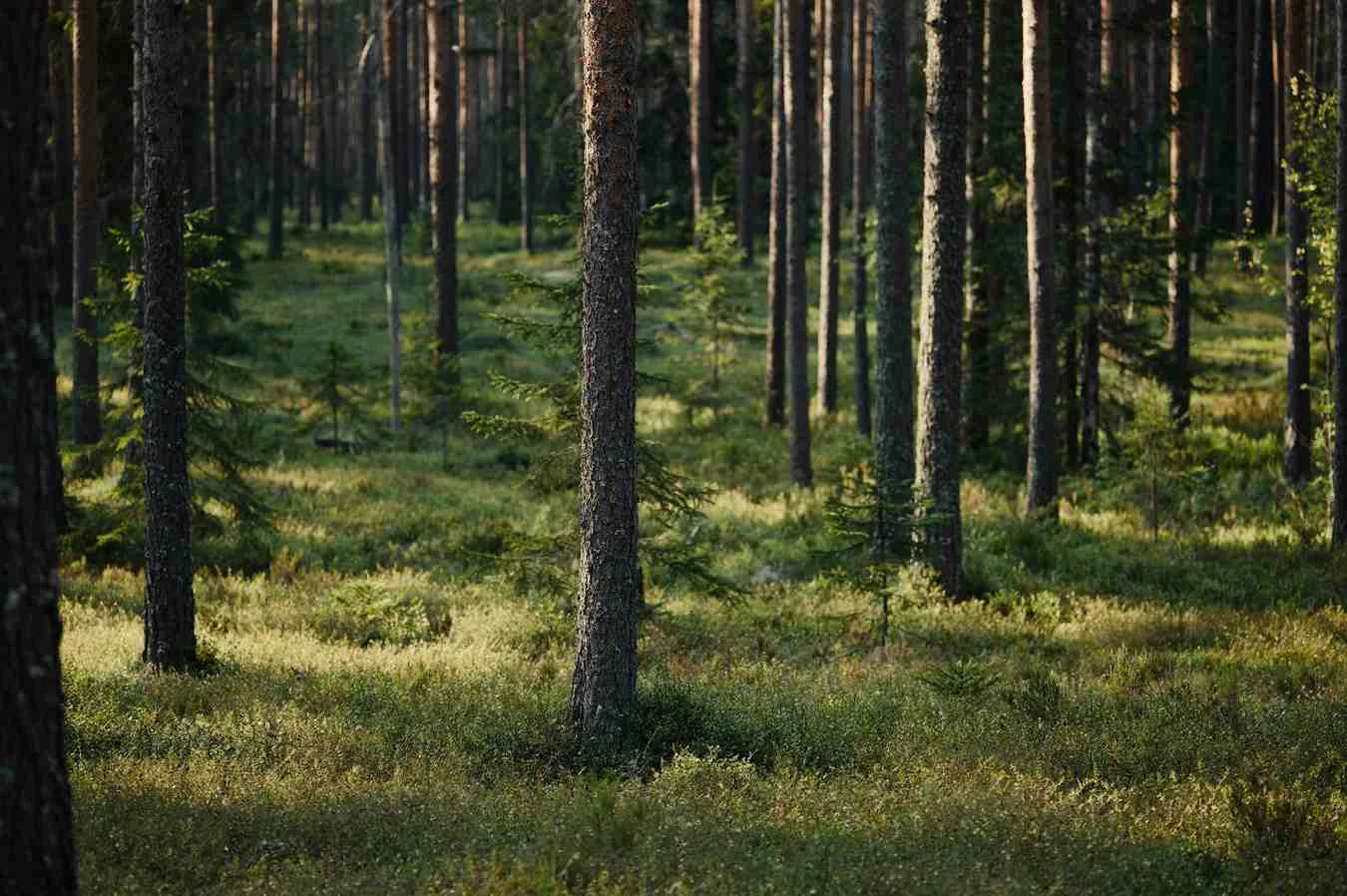
Reforestation and erosion control projects Tanzania offer hands-on opportunities to restore degraded landscapes. Planting native trees and constructing erosion control structures helps combat deforestation, soil loss, and habitat degradation. Your volunteer work directly contributes to environmental restoration and community resilience.
Environmental Challenges
Tanzania faces significant environmental challenges: deforestation for charcoal production, overgrazing, and unsustainable land use have degraded vast areas. Erosion control is critical on steep slopes where soil loss threatens agriculture and water quality. Reforestation restores biodiversity, sequesters carbon, and provides sustainable resources for communities.
Climate change exacerbates these challenges through altered rainfall patterns and increased extreme weather events. Reforestation projects help communities adapt by restoring ecosystems that regulate water cycles, protect soil, and provide resilience against climate impacts.
Volunteer Activities
Volunteer reforestation work includes planting native tree seedlings, maintaining tree nurseries, watering young plants, and protecting planted areas. Volunteers learn proper planting techniques, species selection, and aftercare requirements. The work connects you directly to the land you're helping restore.
Erosion control activities involve building terraces, check dams, and vegetation barriers on slopes. These structures slow water flow, trap sediment, and allow vegetation to establish. Volunteers also plant grasses and shrubs that stabilize soil. The physical work provides visible, lasting impact.
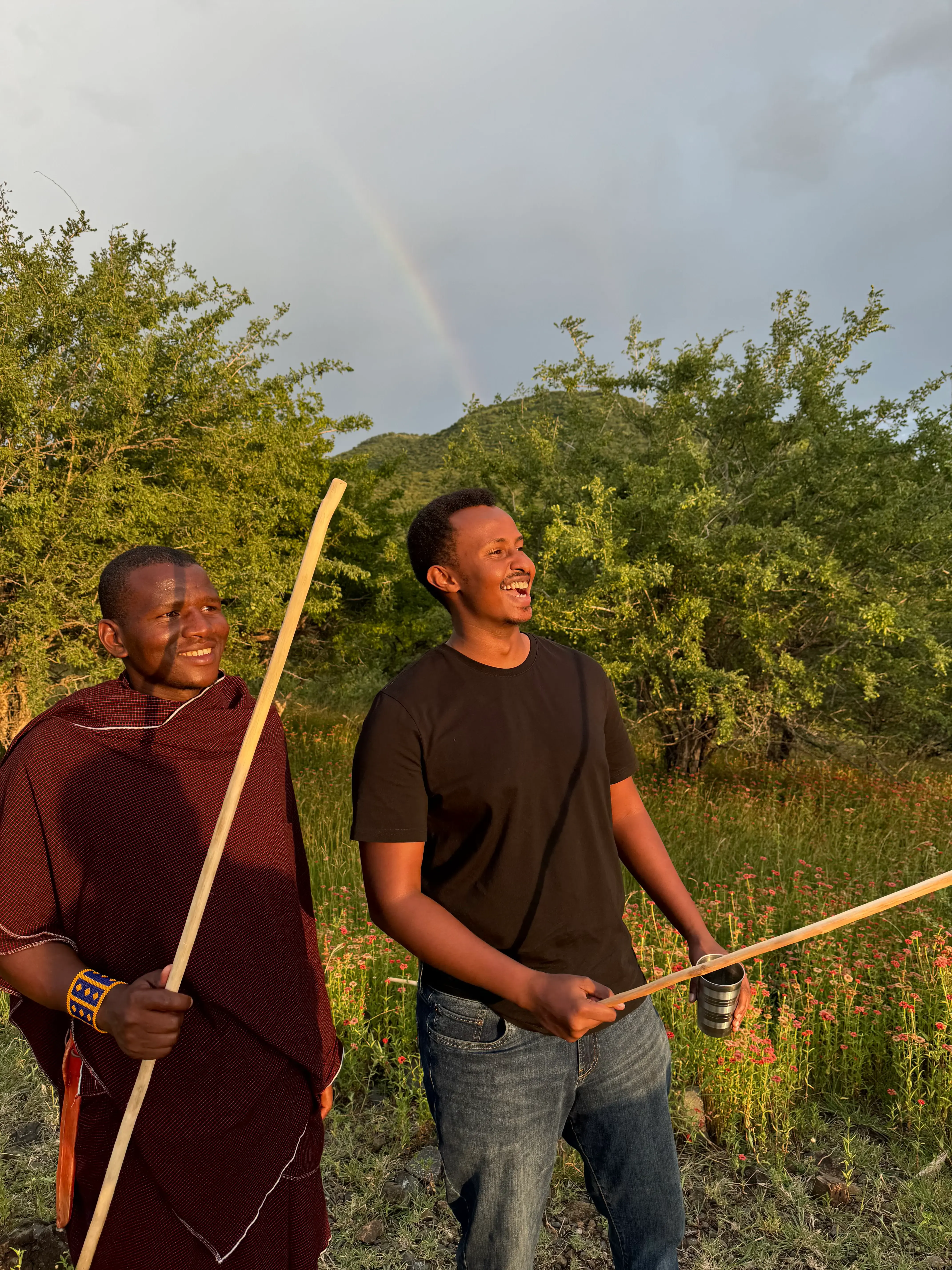
For a real-world example of this work in action, see our partnership with Isoitok Camp Manyara, where guests can join hands-on conservation projects alongside the Maasai in Esilalei.
FAQs About Reforestation
What does reforestation and erosion control involve?
Do I need experience to participate?
Where do these projects take place?
Join Reforestation Projects
Trail Safari Explorers coordinates reforestation and erosion control volunteering with community-based organizations ensuring meaningful impact and cultural exchange. Projects range from day-long tree planting to week-long restoration expeditions. Combine conservation work with wildlife viewing or cultural experiences for a comprehensive Tanzania adventure.
Contact us to explore reforestation opportunities in Tanzania. Whether you're passionate about environmental restoration, want to offset your carbon footprint, or simply enjoy hands-on conservation work, there's a project where you can make a lasting difference.
Explore Further
Read our best time to visit Tanzania,safari cost guide, or packing list.
Explore all experiences,destinations,Tanzania safaris, or Zanzibar.
Read our planning guide,Serengeti guide, or browse our journal.