Great Migration
Mara River Crossing — The Greatest Show on Earth
Wildebeest plunge into crocodile-infested waters. Here is how to witness it.
What Happens at the Crossing
The Mara River crossing is the single most dramatic wildlife event on Earth. Tens of thousands of wildebeest gather on steep riverbanks, the pressure of the herd behind them building until one animal leaps. In seconds, the hesitation breaks and thousands follow in a thundering, dust-charged cascade.
They plunge 15-foot banks into churning water. Nile crocodiles — some over 4 meters long — lie in wait. Many wildebeest drown, trampled or swept downstream by the current. The survivors scramble up the opposite bank, exhausted, disoriented, and easy prey for lions waiting in ambush.
It is brutal, chaotic, and utterly mesmerizing. There is nothing else like it.
When to Go
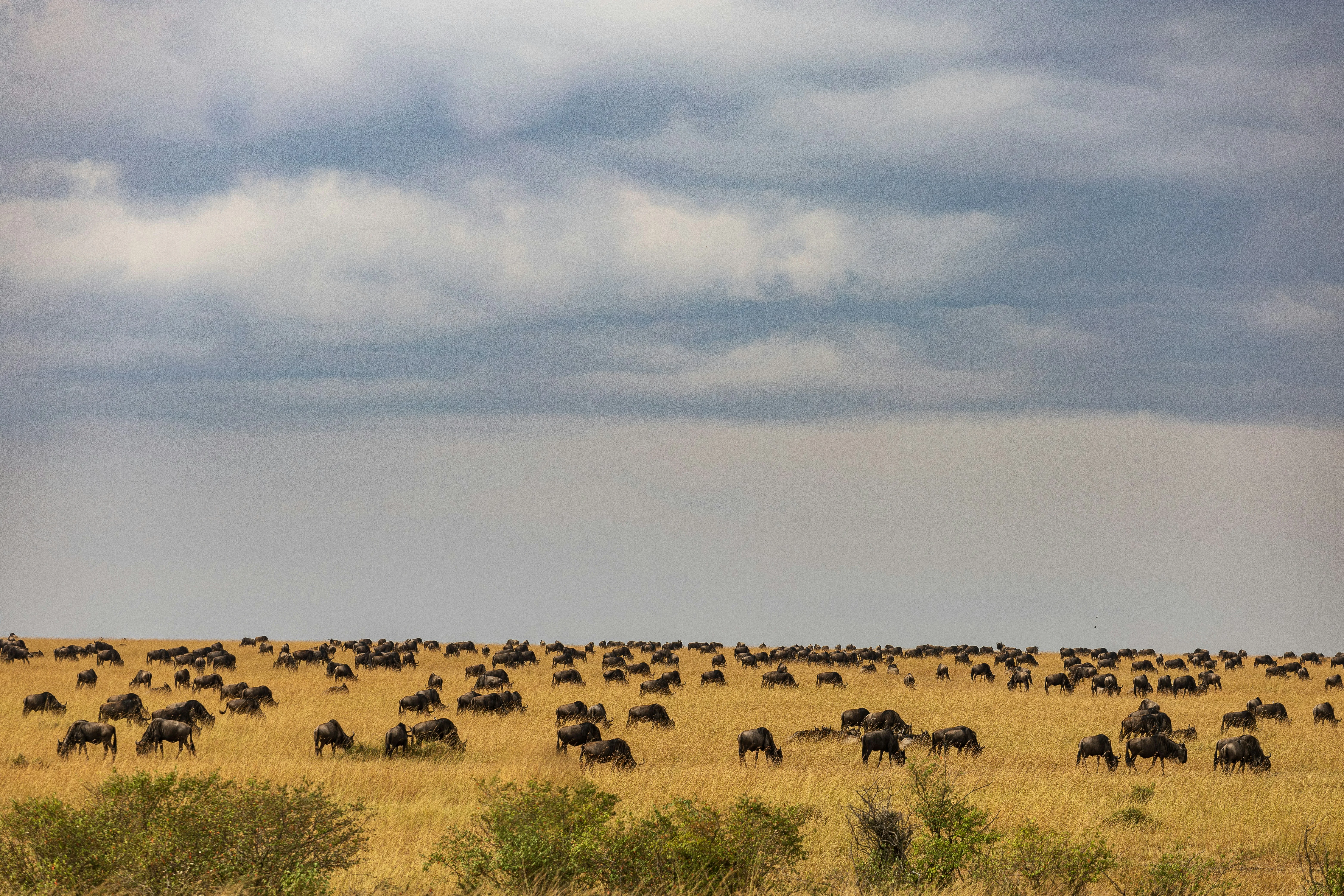
The Mara River crossings occur between July and October, with peak activity in August and September. But timing is not an exact science. The herds move based on rainfall and grass availability. Some years they arrive early; some years late.
The crossings are also unpredictable day-to-day. Wildebeest may gather at a crossing point for hours or even days, then suddenly cross in a 10-minute frenzy. Or they may turn around and walk away. Patience is the only strategy.
Where to Watch
The Mara River flows along Tanzania's northern border with Kenya. The best crossing points are in the Kogatende area of the northern Serengeti.
Key crossing points:
- Main Crossing (Kogatende) — The most famous and reliable. Hundreds of vehicles may gather. Arrive early for a good position.
- Makutano — A secondary crossing with fewer crowds. Good for photography without competing vehicles.
- Bologonja — Less visited, more intimate. Requires a longer drive but worth it for exclusivity.
Where to Stay
Northern Serengeti camps are seasonal — they open July-October and move or close the rest of the year. Book early; space is limited.
- Sayari Camp — Luxury permanent camp near the river. Excellent guides, great positioning.
- Serengeti Safari Camp — Mobile camp that follows the herds. Intimate and well-located.
- Lemala Mara — Mobile tented camp close to crossing points. Good value for the location.
- Nomad Lamai — Perched on a kopje with panoramic views. Premium but exceptional.
Photography Tips
- Use a telephoto lens — 100-400mm or 200-600mm for close action without getting in the way
- Shoot in burst mode — The action is fast and unpredictable
- Arrive before dawn — Herds often cross early morning. Be in position
- Capture the buildup — The tension before the leap is as powerful as the crossing itself
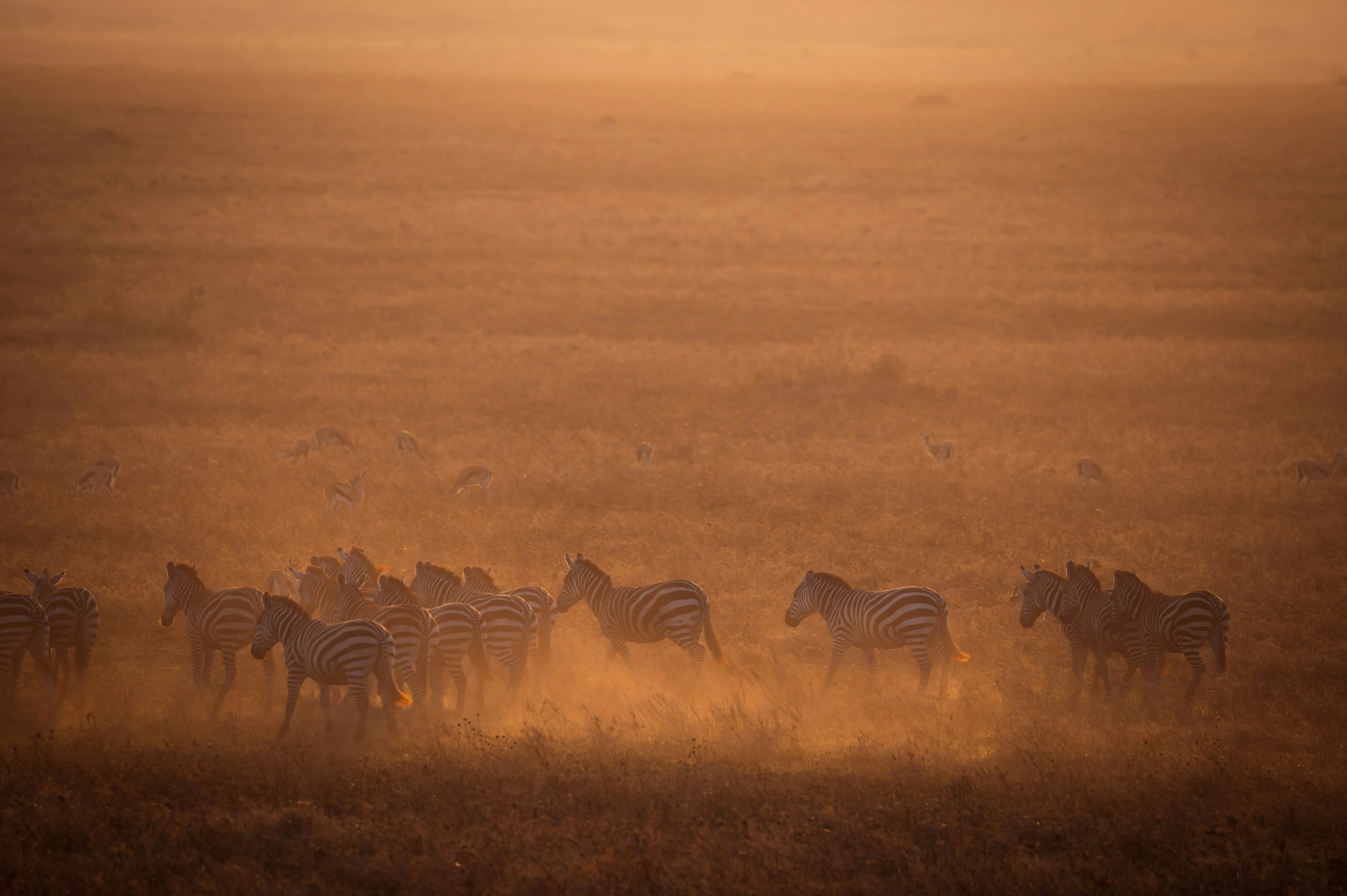
- Include the environment — Wide shots showing the scale of the herd tell a bigger story
- Be patient — You may wait hours. Bring water, sunscreen, and a hat
What It Costs
A Mara River crossing safari is not cheap. Northern Serengeti camps are seasonal luxury properties in a remote area. Expect $600-$1,500 per person per night for accommodation alone, plus park fees ($70/day), flights to Kogatende ($300-$500 round trip from Arusha), and guide/vehicle costs.
A 4-5 day northern Serengeti crossing-focused safari typically costs $4,000-$8,000 per person. It is expensive, but for many travelers, it is a once-in-a-lifetime experience worth every dollar.
Read our full Great Migration guide or plan your crossing safari.
Plan Your Tanzania Safari
Ready for your adventure? Book your safari with Trail Safari Explorers. Read our Great Migration guide, or compare Masai Mara vs Serengeti.
Browse our 7-Day Serengeti Great Migration Safari,9-Day Tanzania Safari Great Migration, or the 15-Day Mara River Safari & Zanzibar.
Explore Serengeti National Park, browse our journal, or check travel resources.