Cultural Experiences
Tea Plantation Visits in Tanzania – Misty Highlands & Fine Teas
Walk the tea rows and taste the highlands
Mufindi Highlands
1,600-2,000m elevation
Tea Tasting
Fresh-picked brews
Factory Tour
See processing steps
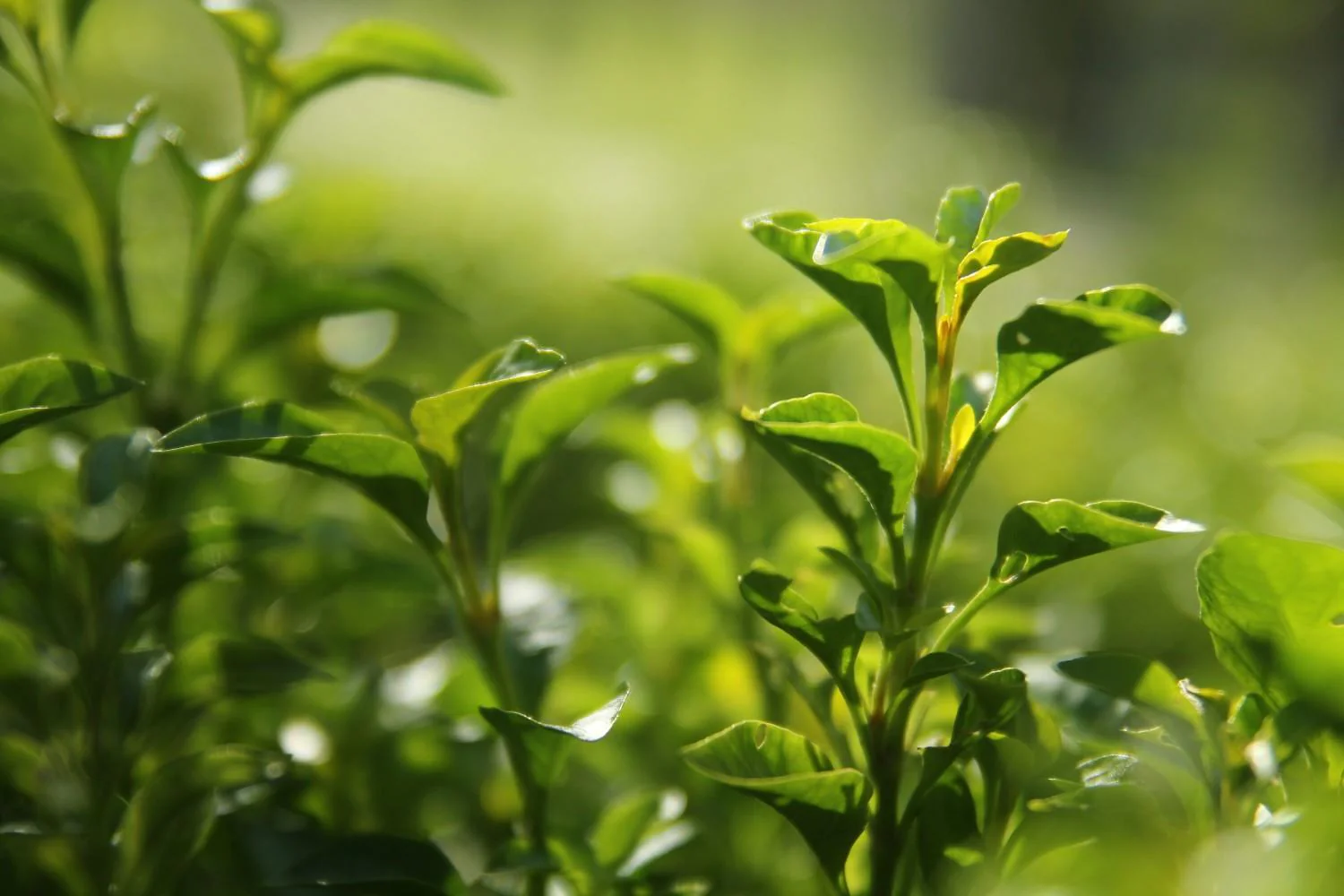
Escape to the cool, misty Southern Highlands of Tanzania, where rolling hills are draped in emerald-green tea plantations. A visit to a working tea estate offers a fascinating glimpse into one of Tanzania's major agricultural exports, combining beautiful scenery with cultural insight and sensory pleasure. Walk among the manicured tea rows, watch the delicate hand-picking process, see how fresh leaves become finished tea, and taste the highlands in every cup.
Tanzania's Tea Belt
While Tanzania is famous for coffee grown on Kilimanjaro's slopes, the country also produces significant quantities of high-quality tea. The main growing region is the Southern Highlands around Mufindi and Njombe, where elevations of 1,600-2,000 meters create ideal conditions for Camellia sinensis—the tea plant.
The cool climate, abundant rainfall (1,200-1,500mm annually), and persistent mist create the perfect environment for tea. The region's red volcanic soils provide excellent drainage and nutrients. First planted commercially in the 1920s, these estates now produce tea for export and domestic consumption.
What Happens on a Tea Plantation Tour
A typical plantation visit begins with a walk through the tea fields, where guides explain the growing cycle and cultivation practices. You'll see tea at various stages—from young seedlings to mature bushes ready for harvest. The dense, dark green rows create striking patterns across the hillsides, offering excellent photography opportunities.
The highlight is watching tea pickers at work. Skilled workers harvest only the top two leaves and bud from each stem—a standard that ensures quality. They move rapidly through the rows, their fingers dancing over the bushes with practiced efficiency. During peak season, an experienced picker can harvest 30-40 kilos of fresh leaf per day.
The Tea Tasting Experience
No plantation visit is complete without tasting the finished product. Estate guides will brew different grades and varieties, explaining the characteristics of each. Tanzanian tea is primarily black tea, processed using either CTC (Cut, Tear, Curl) or orthodox methods. The high-altitude teas have a bright, brisk character with good body.
The tasting follows professional protocols—slurping from a spoon to aerate the tea and spread it across your palate. You'll learn to identify qualities like briskness, body, and astringency. Most visitors are surprised by the complexity and variety that different grades and processing methods create from the same leaf.
Mufindi Highland – Tanzania's Tea Capital
The Mufindi area is the heart of Tanzanian tea production. Several major estates operate here, some offering accommodation and comprehensive tours. The Mufindi Highlands are spectacularly beautiful—misty valleys, rolling hills, and patches of indigenous forest preserved among the plantations. Temperatures rarely exceed 25°C, making this a perfect escape from Tanzania's hotter lowlands.
Combining with Southern Tanzania Safari
The Southern Highlands tea region pairs perfectly with Udzungwa Mountains National Park, home to endemic primates and excellent hiking. The cool highland climate offers welcome relief after the heat of Ruaha or Nyerere National Parks.
A typical southern circuit might include: Nyerere for wildlife, Ruaha for more big game, Udzungwa for hiking and waterfalls, and the tea highlands for relaxation and cultural immersion. The diversity of landscapes and experiences makes this one of Tanzania's most rewarding—yet least crowded—itineraries.
FAQs
Where are Tanzania's tea plantations?
What happens on a tea plantation tour?
Can I combine tea tours with safari?
Book a Tea Estate Visit
Trail Safari Explorers offers tea plantation tours as part of southern Tanzania itineraries. Combine with coffee tours on Kilimanjaro for a comprehensive taste of Tanzania's beverage culture, or pair with Udzungwa Mountains hiking for active adventure. The cool highlands await.

Explore Further
Read our best time to visit Tanzania,safari cost guide, or packing list.
Explore all experiences,destinations,Tanzania safaris, or Zanzibar.
Read our planning guide,Serengeti guide, or browse our journal.