Experience guide
Tanzania Night Safari — Into the Dark Side of the Bush
Leopards hunting, lions on the move, and bush babies in the trees. Here is what happens after sunset.
Why Do a Night Safari?
Roughly 70% of African mammals are nocturnal or crepuscular — active at night or during dawn and dusk. A night safari opens a completely different world. Leopards that sleep in trees all day descend to hunt. Lions, having rested through the heat, begin their patrols. Bush babies, genets, aardvarks, and porcupines emerge from hiding.
If you have only seen the bush by daylight, you have seen half the story. Night safaris reveal the other half.
Where Night Safaris Are Allowed
Not all Tanzanian parks allow night drives. National parks generally prohibit them; game reserves and private concessions permit them.
Night Safaris Allowed
- • Nyerere National Park (Selous)
- • Ruaha National Park (selected camps)
- • Tarangire (private concessions)
- • Manyara (private concessions)
- • Private conservancies bordering Serengeti
Not Allowed
- • Serengeti National Park
- • Ngorongoro Crater
- • Lake Manyara (public areas)
- • Arusha National Park
What You Will See
- Leopards — Far more active at night. Spotlights catch the eyeshine from great distances.
- Lions — Begin hunting as temperatures drop. You may hear roaring that carries for kilometers.
- Hyenas — Their calls — whoops, giggles, and groans — define the African night.
- Bush babies & genets — Small nocturnal primates and cats seen only after dark.
- Aardvark & pangolin — Rare, shy, and almost exclusively nocturnal.
- Hippos — Leave the water at night to graze. You may encounter them on roads.
- Owls & nightjars — African scops owls, Verreaux's eagle-owls, and various nightjars.
How Night Safaris Work
Night drives typically last 1.5-2 hours, departing after dinner (around 8:00-9:00 PM) or before dawn (5:00-6:00 AM). Your guide uses a powerful spotlight, sweeping the bush for eyeshine. Different animals have different eyeshine colors — experienced guides can identify species by the color and height of the reflection.
The vehicle drives slowly, spotlight sweeping. When eyeshine is spotted, the guide stops and focuses the beam. If it is a predator, the vehicle positions for viewing. The guide communicates with radio to share sightings with other vehicles in the concession.
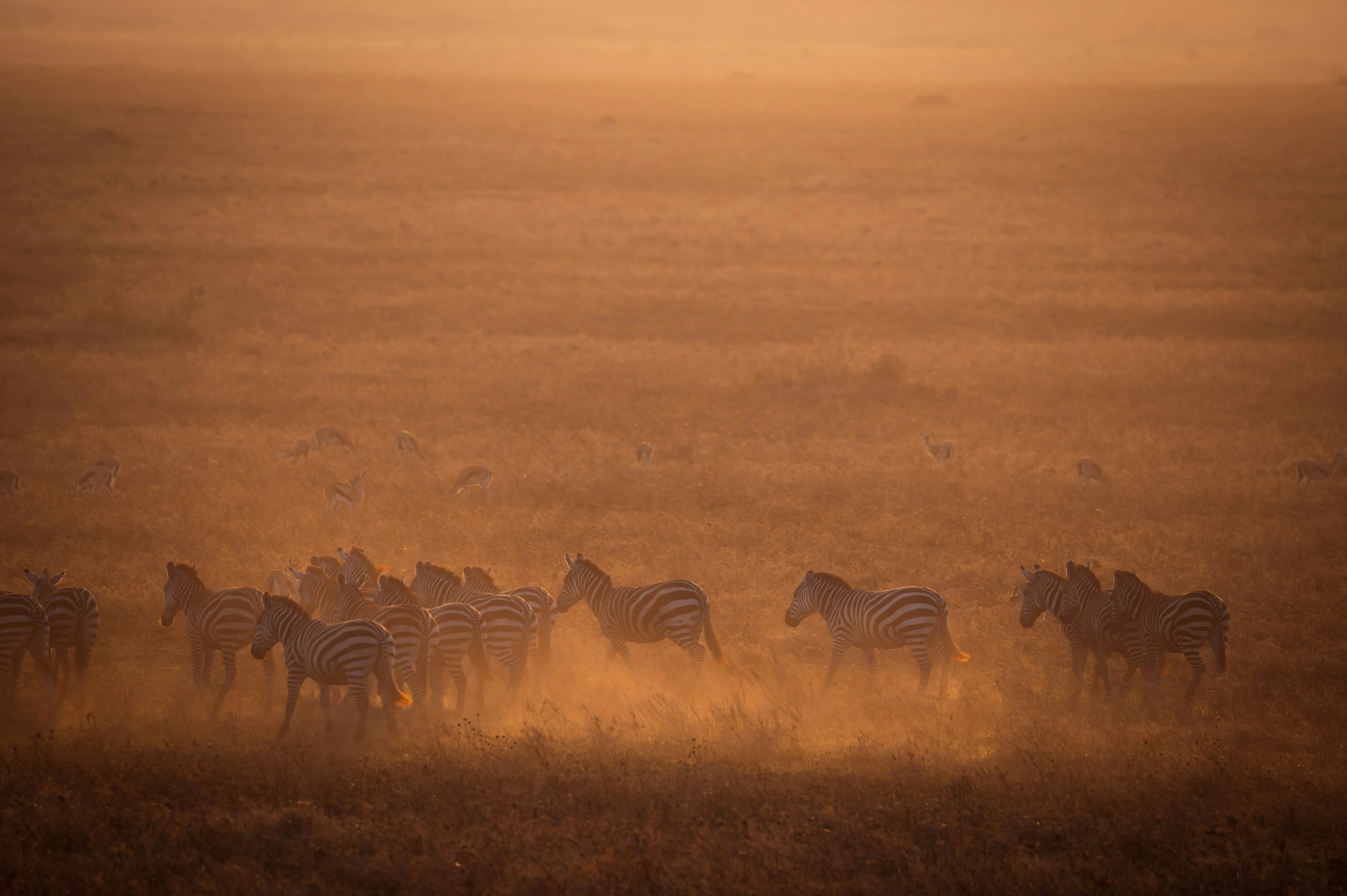
Photography at Night
- High ISO — 3200-12800 depending on your camera's capability
- Fast lens — f/2.8 or faster is ideal
- No flash — Flash is prohibited as it disturbs animals
- Spotlight beam — Use the guide's spotlight as your light source
- Stabilize — Bean bags or window mounts help reduce camera shake
- Expect grain — Night safari photos are atmospheric, not pixel-perfect
Safety
Night safaris are safe when conducted by licensed operators. Rules are strict: stay in the vehicle, do not use flash photography, and follow the guide's instructions. The vehicle is your protection — predators do not attack closed vehicles.
Plan Your Tanzania Safari
Ready for your adventure? Book your safari with Trail Safari Explorers. Explore night game drives, or read our Nyerere (Selous) guide.
Read our Ruaha guide,Tarangire guide,leopards guide, or safari after dark guide.
Browse our Tanzania safaris,journal, or check travel resources.