Wildlife deep dive
Leopards in Tanzania — The Phantom of the Bush
Masters of stealth, climbers of trees, and the most beautiful predator in Africa. Here is how to find them.
Why Leopards Are Special
Leopards are the most elusive and adaptable of Africa's big cats. They are solitary, nocturnal, and masters of camouflage. Spotting one is a moment of pure safari magic — a fleeting glimpse of gold and black, melting back into the bush.
Tanzania has one of Africa's highest leopard densities, particularly in the Serengeti's Seronera Valley. But density does not guarantee sightings. A leopard sighting is earned through patience, a good guide, and luck.
Best Parks for Leopards
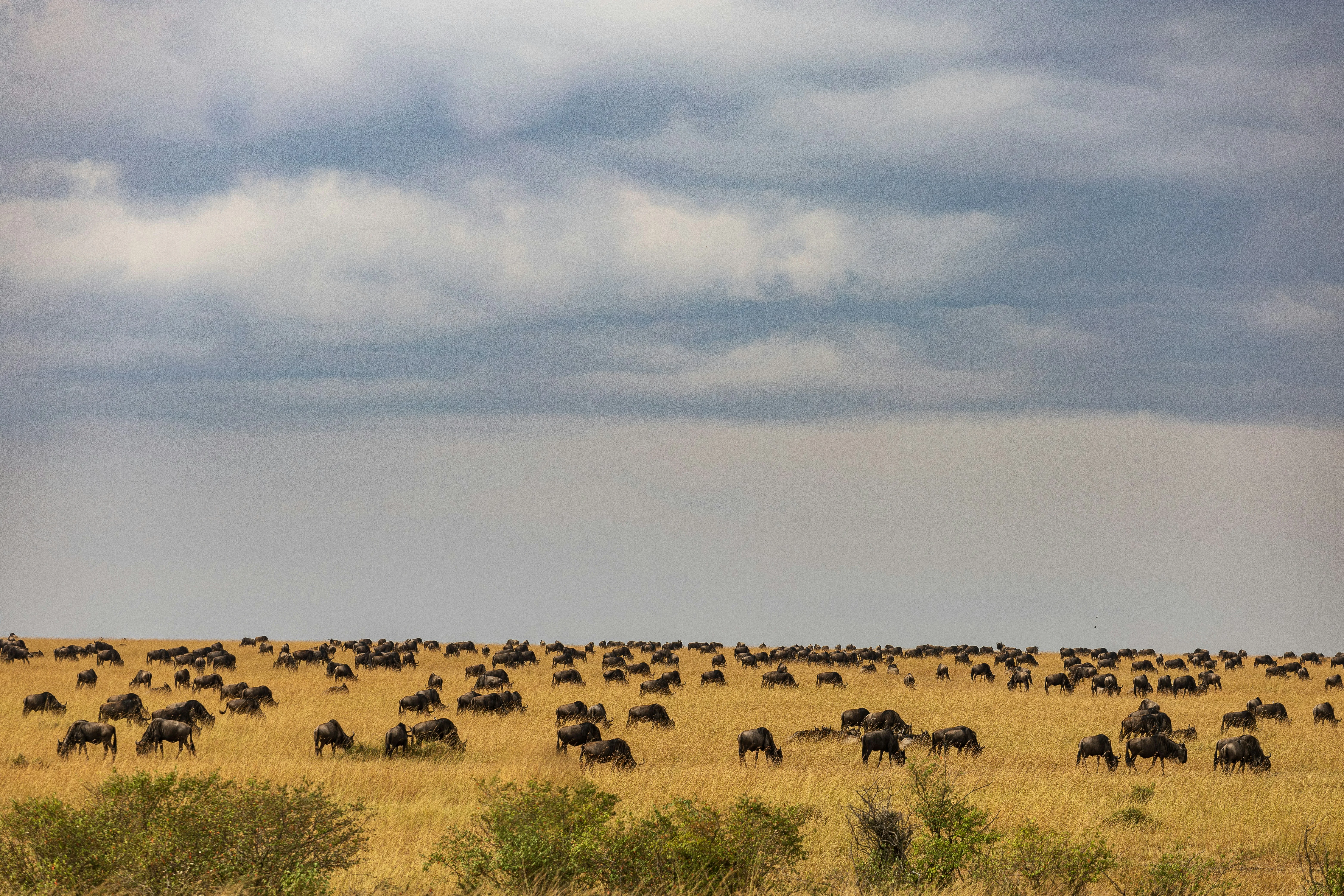
- Serengeti (Seronera) — The leopard capital of Africa. Sausage trees along the Seronera River are classic leopard habitat. Density here is among the highest on Earth.
- Tarangire — Huge sausage trees and acacias provide perfect leopard perches. Dry season concentrates them near the river.
- Lake Manyara — Famous for tree-climbing lions, but also excellent for leopards in the forest.
- Ruaha — Remote and wild. Lower density but less vehicle pressure means longer, more private sightings.
- Selous (Nyerere) — Leopards are common but shy. Night drives are your best chance.
Tree-Climbing: Why Leopards Do It
Leopards hoist kills into trees to protect them from lions and hyenas. A leopard can drag a carcass twice its body weight up a trunk. Impalas, gazelle fawns, and even baby warthogs are common tree-pantry items.
They also sleep in trees during the day — safe from disturbance, cool in the shade, and with a panoramic view of their territory. If you see a sausage tree with a dark lump in the branches, stop and scan with binoculars.
How to Spot a Leopard
- Scan trees — Look for tails hanging down, ears flicking, or the glint of eyes
- Follow hyenas — They often locate leopard kills and harass the cat
- Listen for alarm calls — Baboons and vervet monkeys have distinct leopard alarm calls
- Night drives — Leopards are far more active after dark
- Hire an experienced guide — They know individual leopard territories and recent sightings
Behavior & Ecology
Leopards are strictly solitary. Males and females meet only to mate. A male's territory may overlap with several females but never with another male. Territories are marked by scent spraying, scratching trees, and vocalizing.
Cubs stay hidden in dense cover for the first 6-8 weeks. The mother moves them frequently to avoid predators. Leopard cubs face threats from lions, hyenas, and even baboons.
The Bottom Line
No safari is complete without a leopard sighting. It may take days, or it may happen in the first hour. The anticipation is part of the magic. When you finally see one — golden eyes meeting yours from a tree branch — you will understand why leopards captivate everyone who visits Africa.
Plan Your Tanzania Safari
Ready for your adventure? Book your safari with Trail Safari Explorers. Read our Big Five guide,Serengeti guide, or Tarangire guide.
Read our lions guide,cheetahs guide,photography guide, or night safari guide.
Browse our journal, or check travel resources.