Wildlife deep dive
Cheetahs in Tanzania — Speed Incarnate
The fastest land animal on Earth, desperately vulnerable, and one of the most thrilling animals to watch hunt.
The Fastest, But the Most Fragile
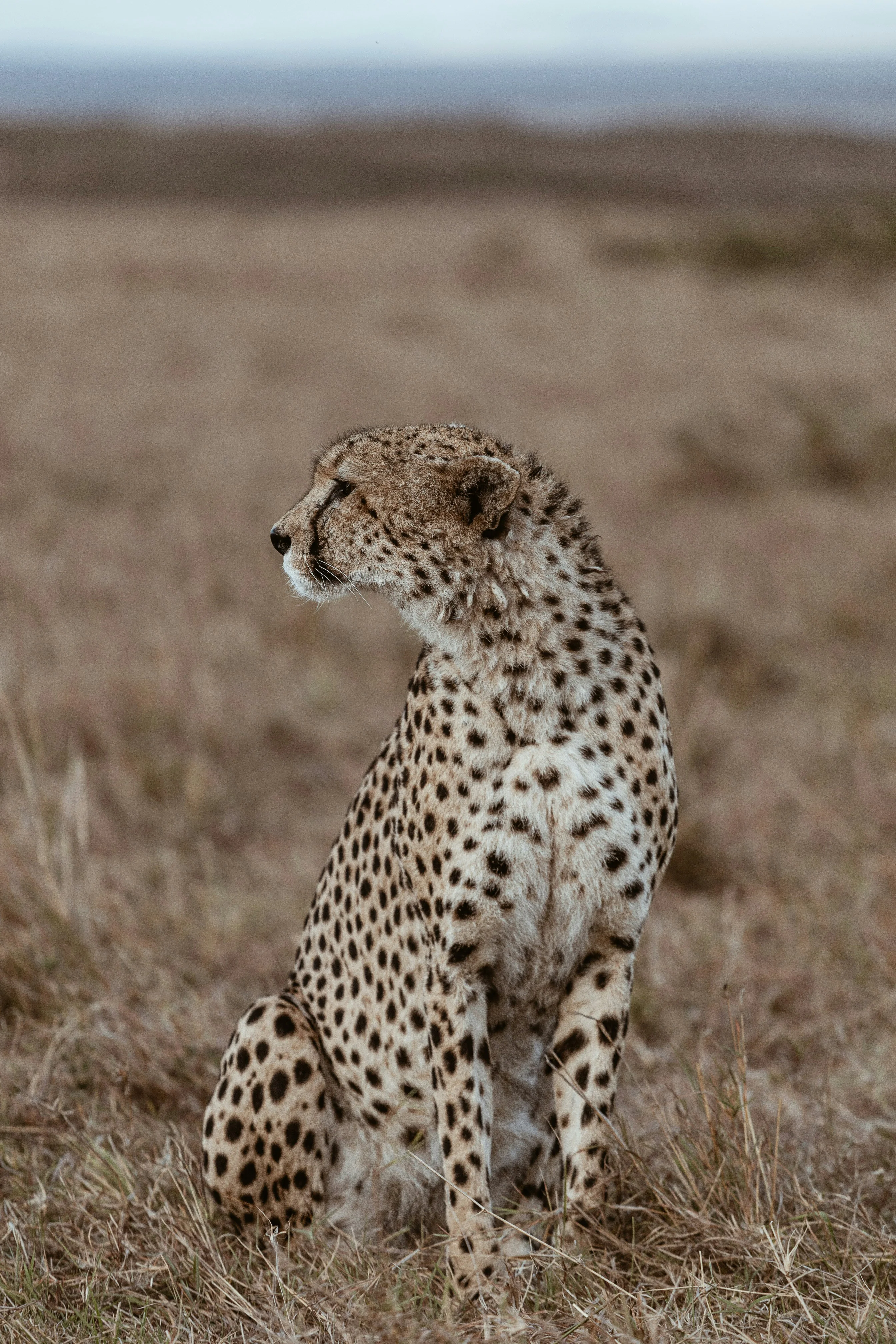
Cheetahs are the fastest land animals on Earth — capable of reaching 110 km/h (68 mph) in under three seconds. But they are also the most vulnerable of the big cats. They are built for speed, not strength, and lose most of their kills to lions and hyenas.
Tanzania has one of the world's most important cheetah populations, particularly in the Serengeti ecosystem. Seeing a cheetah hunt is one of the most electrifying experiences in African wildlife.
Best Parks for Cheetahs
- Serengeti (southern plains) — The best cheetah viewing in Tanzania. The short-grass plains of the south and east are ideal for their hunting style. Calving season (Jan-Mar) is peak.
- Ndutu (Ngorongoro Conservation Area) — Exceptional cheetah density. Mothers with cubs are frequently seen hunting Thomson's gazelle.
- Ruaha — Good cheetah population, less vehicle pressure than Serengeti.
- Tarangire — Occasional sightings, mostly during dry season.
The Hunt: Anatomy of a Chase
A cheetah hunt is a masterclass in precision and failure. The sequence:
- Stalk — The cheetah creeps within 100 meters of its prey, using termite mounds for elevation
- Acceleration — In two seconds, the cheetah goes from 0 to 95 km/h
- The chase — Lasts 20-30 seconds. The cheetah uses its tail as a rudder for sharp turns
- The trip — The cheetah trips the prey with a front paw, then suffocates it with a throat bite
- Recovery — The cheetah pants for 10-20 minutes, vulnerable. If lions or hyenas arrive, it abandons the kill
A cheetah loses 50-70% of its kills to larger predators. After a successful hunt, it eats as fast as possible, then retreats.
Cheetah vs Leopard: How to Tell Them Apart
Cheetah
- • Solid black spots (round)
- • "Tear marks" — black lines from eyes to mouth
- • Slim build, small head
- • Diurnal (hunts in daylight)
- • Non-retractable claws (like a dog)
- • Hunts on open plains
Leopard
- • Rosette spots (clusters)
- • No tear marks
- • Stocky build, large head
- • Nocturnal (hunts at night)
- • Retractable claws
- • Hunts in woodland and trees
Conservation Status
Cheetahs are Vulnerable on the IUCN Red List. There are only ~7,000 left in the wild. Threats include habitat loss, human-wildlife conflict, and genetic bottleneck (all cheetahs are closely related). Tanzania's protected areas are critical cheetah strongholds.
Plan Your Tanzania Safari
Ready for your adventure? Book your safari with Trail Safari Explorers. Read our calving season guide,Big Five guide, or Serengeti guide.
Read our lions guide,leopards guide,best time to visit Tanzania, or photography guide.
Browse our journal, or check travel resources.