Photography guide
Best Photography Safari in Tanzania — Capture the Wild
Gear, locations, timing, and techniques to come home with photographs that do justice to what you witnessed.
Why Tanzania Is a Photographer's Paradise
Tanzania offers unmatched diversity of subjects: the Great Migration, Ngorongoro's dramatic caldera, Tarangire's elephant herds against baobabs, Zanzibar's turquoise waters, and the iconic silhouette of Kilimanjaro. The light is extraordinary — golden hour lasts longer near the equator, and storm clouds in the green season add drama few other destinations match.
Whether you shoot with a smartphone or a professional telephoto setup, Tanzania delivers. But the right preparation separates good photos from unforgettable ones.
Best Parks for Photography
- Serengeti — Open plains, dramatic skies, and the greatest wildlife density on Earth. The migration adds scale and chaos.
- Ngorongoro Crater — Landscapes with animals in context. The crater rim provides stunning vista shots at sunrise.
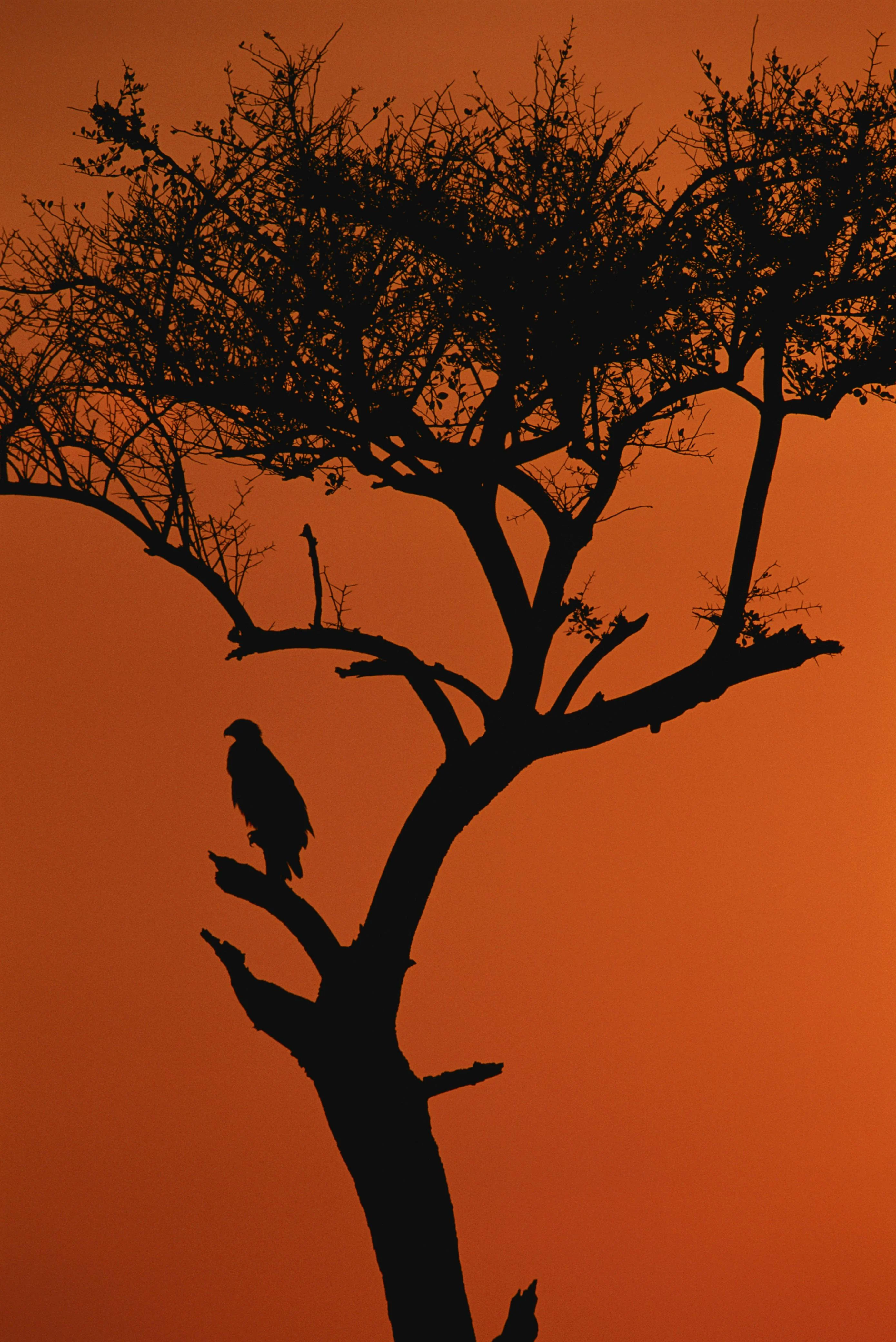
- Tarangire — Elephants and baobabs at sunset. Silhouette heaven. Fewer vehicles mean more time per sighting.
- Nyerere (Selous) — Boat safaris offer water-level perspectives impossible elsewhere. Wild dogs, too.
- Lake Natron — Flamingos against Ol Doinyo Lengai volcano. Minimalist, otherworldly landscapes.
Gear Recommendations
Camera bodies:
- Any modern DSLR or mirrorless with fast autofocus (Sony A7 IV, Canon R6, Nikon Z6 II)
- High frame rate (10+ fps) for action shots
- Good high-ISO performance (3200-12800 usable)
Lenses:
- 70-200mm f/2.8 — Versatile, fast, perfect for lions at 20 meters
- 100-400mm or 150-600mm — Essential for distant wildlife and birds
- 24-70mm f/2.8 — Landscapes, environmental shots, camp life
- 16-35mm f/2.8 — Wide landscapes, star shots, vehicle interiors
Accessories:
- Bean bag — Stabilizes long lenses on vehicle rails
- Extra batteries — Cold mornings drain power fast
- Lens cleaning kit — Dust is constant
- Rain cover — For you and your gear
- Memory cards — 128GB+; shoot RAW
Lighting & Timing
The "golden hours" — first and last hour of daylight — are when Tanzania's light is magical. Near the equator, the sun rises and sets quickly, but the warm light lingers.
- Pre-dawn blue hour — Cool, moody tones. Perfect for silhouettes and atmospheric shots
- Golden hour — Warm, directional light. The best time for portraits and action
- Midday — Harsh, flat light. Focus on behavior, interactions, and close-ups
- Storm light — Dark clouds with shafts of sunlight. Dramatic and unpredictable
- Night — Spotlight shots, star trails over the bush. Bring a tripod
Composition Tips
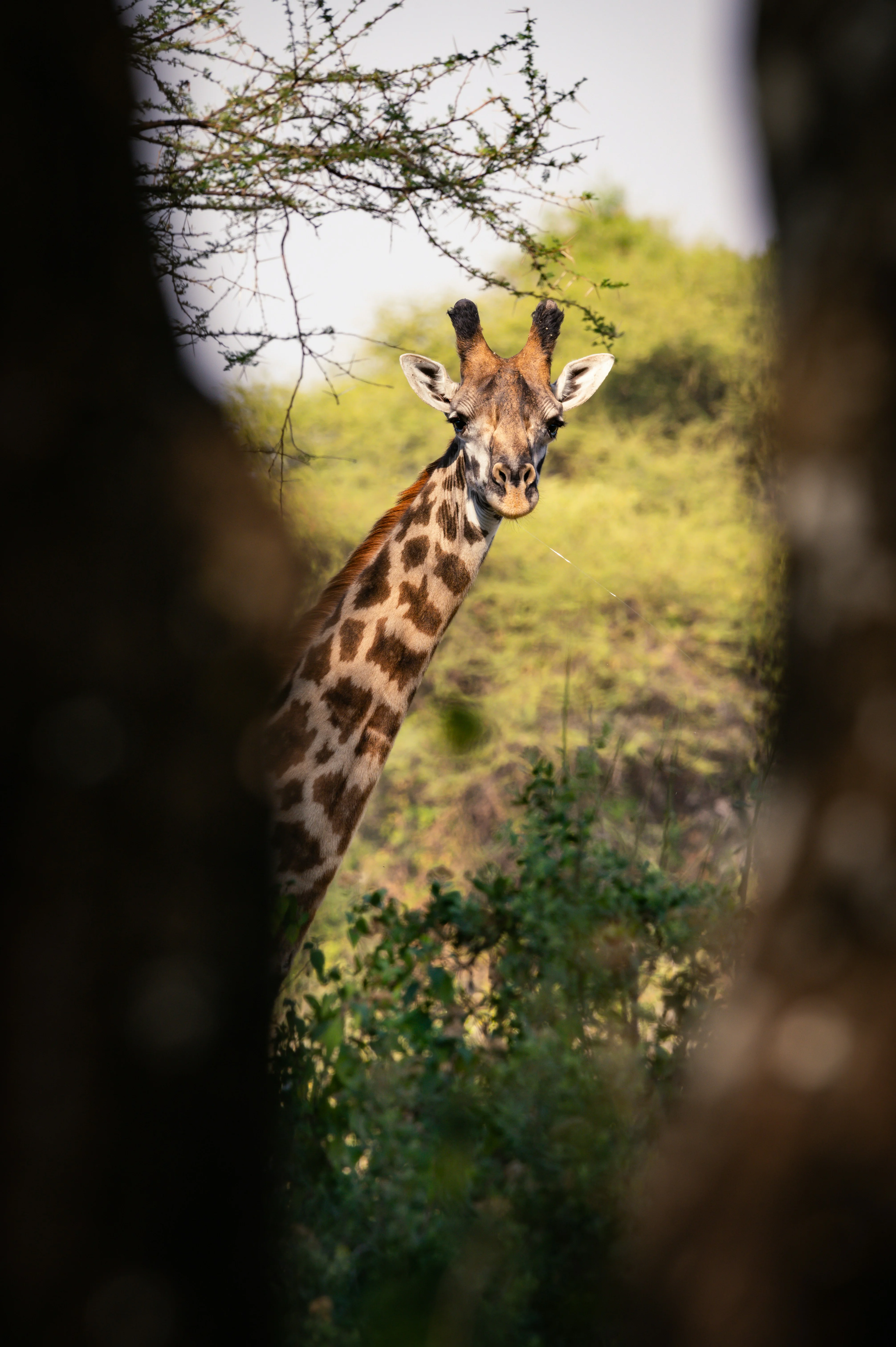
- Get low — Eye-level animal portraits are more intimate than downward angles
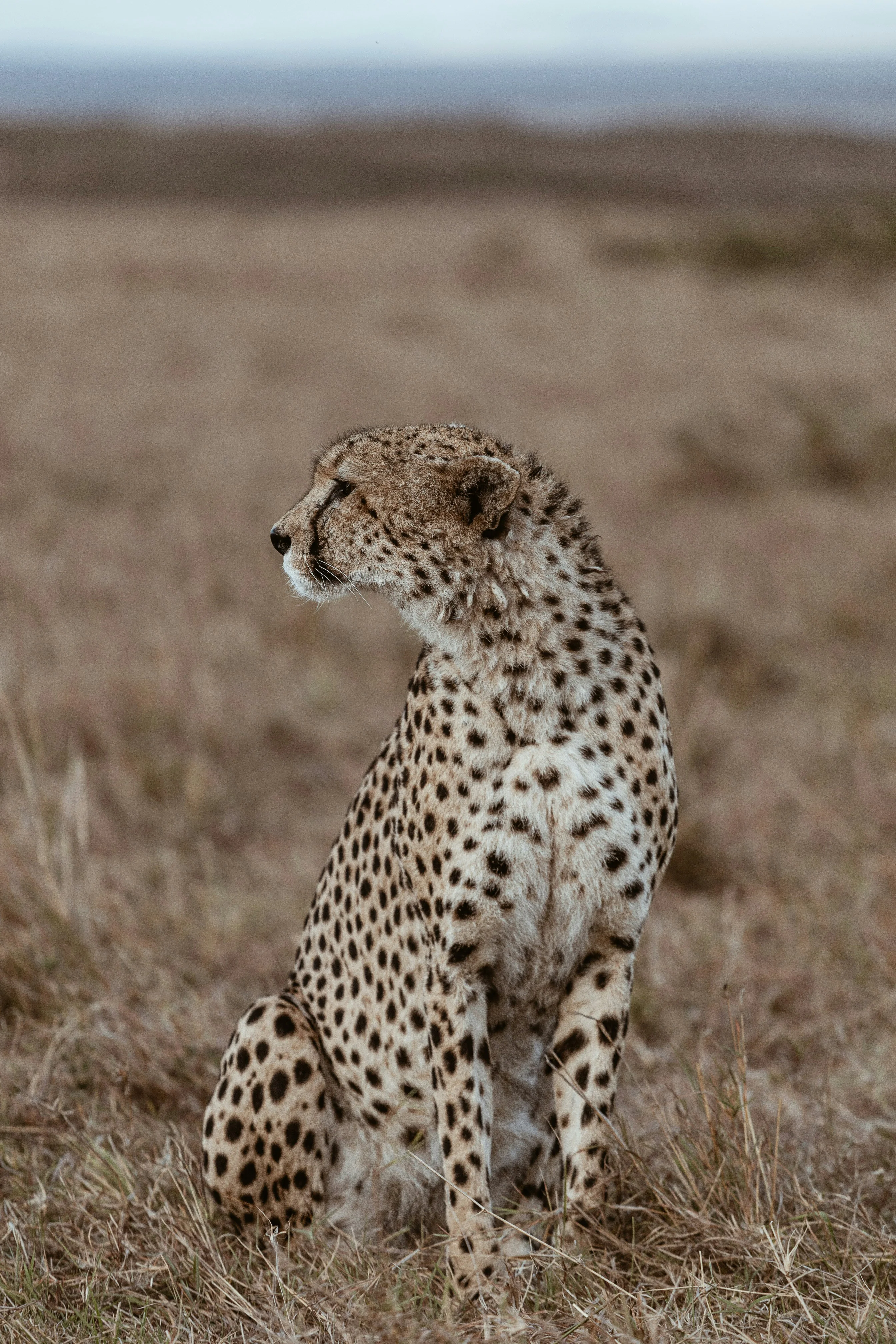
- Leave space — Animals facing into the frame need room to "move"
- Include environment — A lion in grassland tells a bigger story than a tight headshot
- Watch backgrounds — Avoid distracting branches, other vehicles, or bright patches
- Capture behavior — Yawning, stretching, hunting, and interacting beats static poses
- Use vehicles — The safari vehicle itself can add context and scale
Smartphone Photography
Modern smartphones are capable of stunning safari photography. Use burst mode for action, shoot in RAW if your phone supports it, and invest in a clip-on telephoto lens. The best smartphone photos come from patience and composition, not megapixels.
Plan Your Tanzania Safari
Ready for your adventure? Book your safari with Trail Safari Explorers. Read our photography workshop guide,Serengeti guide, or Ngorongoro Crater guide.
Read our Tarangire guide,Nyerere (Selous) guide,Great Migration guide, or best time to visit Tanzania.
Browse our journal, or check travel resources.