Wildlife guide
The Big Five Safari Guide — Lion, Leopard, Elephant, Rhino & Buffalo
Where, when, and how to spot Africa's most iconic animals on a Tanzania safari.
What Are the Big Five?
The "Big Five" is a term coined by big-game hunters in the 19th century for the five animals most dangerous to hunt on foot: lion, leopard, elephant, rhinoceros, and Cape buffalo. Today, it is the safari industry's most famous checklist — and spotting all five in a single trip is a bucket-list achievement.
Tanzania is arguably the best Big Five destination on Earth. The Serengeti and Ngorongoro Crater offer near-guaranteed sightings of four of the five. The fifth — rhino — is the wildcard. But with patience and the right location, even rhino is possible.
1. Lion — The King of Beasts
Best parks: Serengeti, Ngorongoro Crater, Ruaha
Best time: Year-round, but June-October offers the most dramatic sightings during the migration.
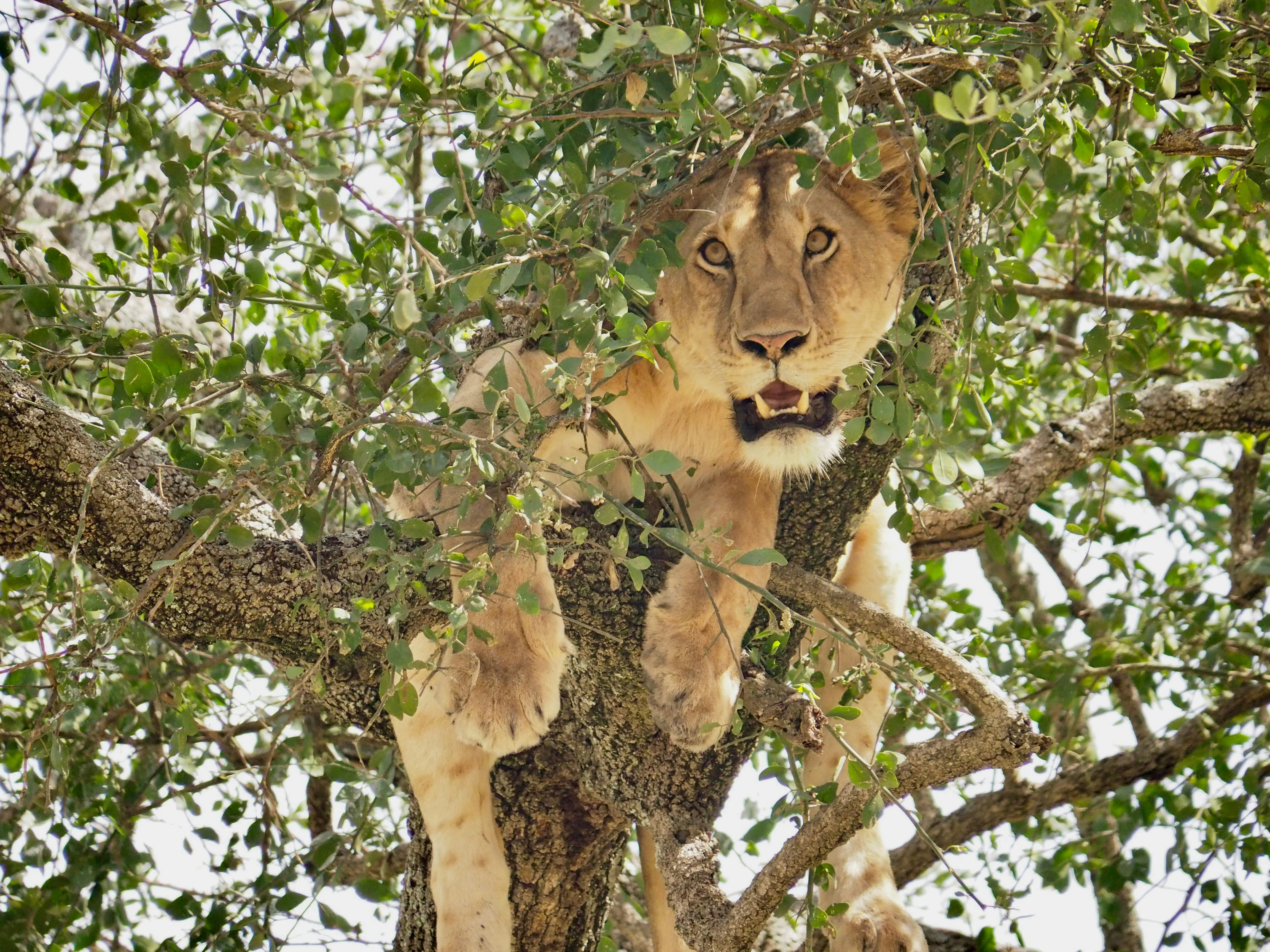
Tanzania has over 15,000 lions — roughly 25% of Africa's remaining population. The Serengeti's open plains make lion sightings almost guaranteed. The big prides (some with 20+ members) hunt wildebeest during the migration. Ngorongoro's crater floor has a dense lion population, often seen resting on vehicles' shade.
Tips for spotting:
- Look for congregations of vehicles — guides radio lion sightings
- Early morning and late afternoon are most active
- Check kopjes (rock outcrops) — lions love elevated resting spots
- Listen for alarm calls from baboons and zebras
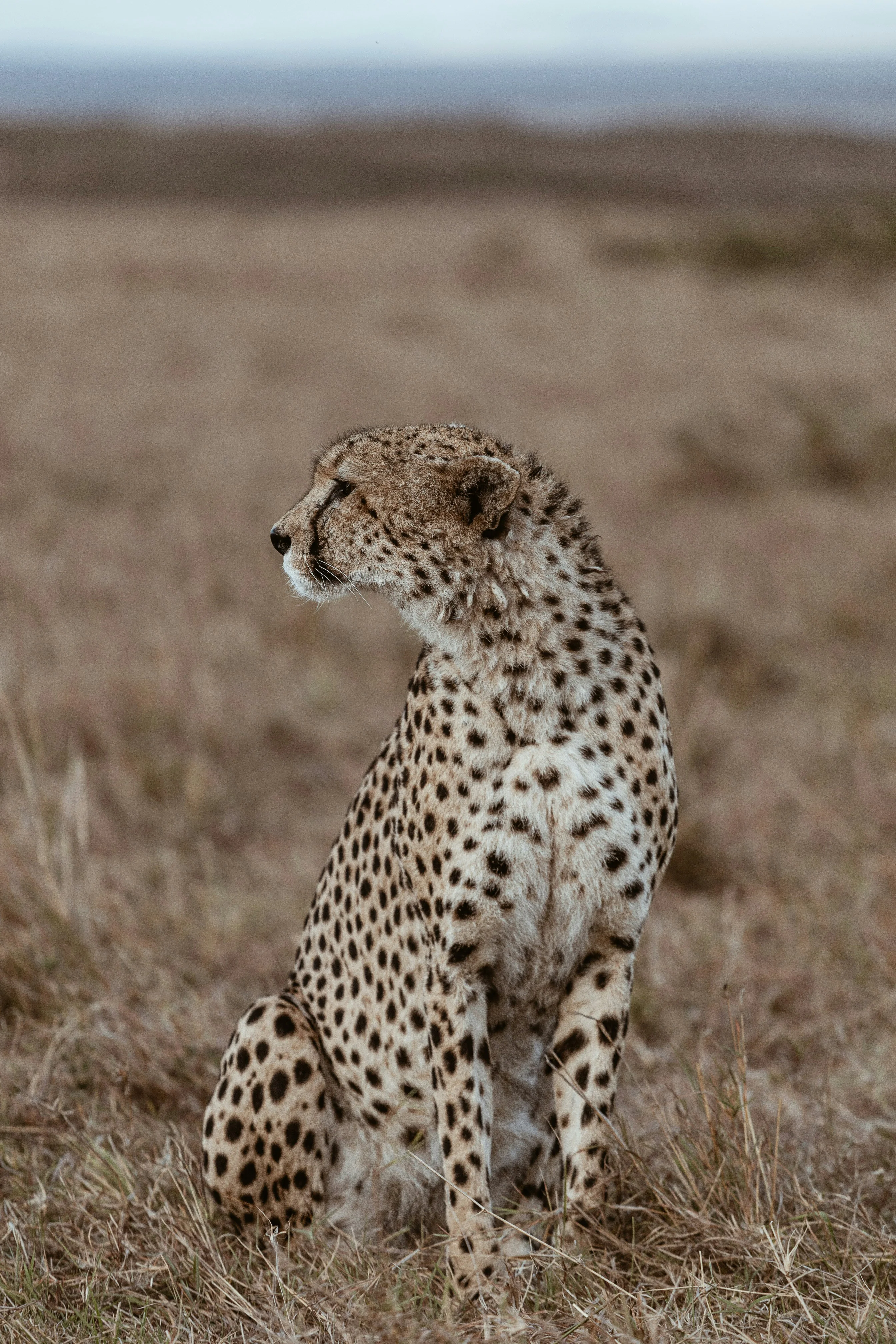
2. Leopard — The Phantom
Best parks: Serengeti (Seronera), Tarangire, Lake Manyara, Ruaha
Best time: Year-round, but dry season (June-October) forces them to riverbeds.
Leopards are the most elusive of the Big Five. Solitary, nocturnal, and masters of camouflage, they spend daylight hours draped over tree branches. The Serengeti's Seronera Valley has some of the highest leopard densities in Africa. Tarangire's sausage trees are classic leopard territory.
Tips for spotting:
- Scan tree branches — especially sausage trees, acacias, and fever trees
- Look for tails hanging down — the giveaway silhouette
- Night drives increase chances dramatically
- Follow hyenas — they often locate leopard kills
3. Elephant — The Gentle Giants
Best parks: Tarangire, Serengeti, Ruaha, Nyerere (Selous)
Best time: June-October (dry season concentrates them near water)
Tarangire has the highest elephant density in northern Tanzania — over 4,000 individuals. During the dry season, herds of 300+ congregate along the Tarangire River. Ruaha and Nyerere have large populations in southern Tanzania. Elephants are active day and night and are the easiest Big Five animal to spot.
Tips for spotting:
- Follow river systems during dry months
- Listen for breaking branches — elephants are noisy feeders
- Look for dust clouds from dust bathing
- Morning and evening are best for social behavior
4. Rhino — The Rarest
Best parks: Ngorongoro Crater, Serengeti (Moru Kopjes), Mkomazi
Best time: Year-round, but dry season visibility is better
Rhinos are the hardest Big Five animal to see in Tanzania. Poaching reduced their numbers catastrophically, but conservation efforts are working. Ngorongoro Crater has a small, heavily monitored population (around 30 black rhinos). The Moru Kopjes in the Serengeti and Mkomazi National Park also hold reintroduced populations.
Tips for spotting:
- Ngorongoro is your best bet — ask your guide about recent sightings
- Scan thickets and bush areas early morning
- Rhinos are shy and easily disturbed — approach quietly
- A full day in Ngorongoro maximizes your chances
5. Cape Buffalo — The Black Death
Best parks: Serengeti, Ngorongoro Crater, Katavi, Ruaha
Best time: Year-round, herds of 1,000+ in Katavi during dry season
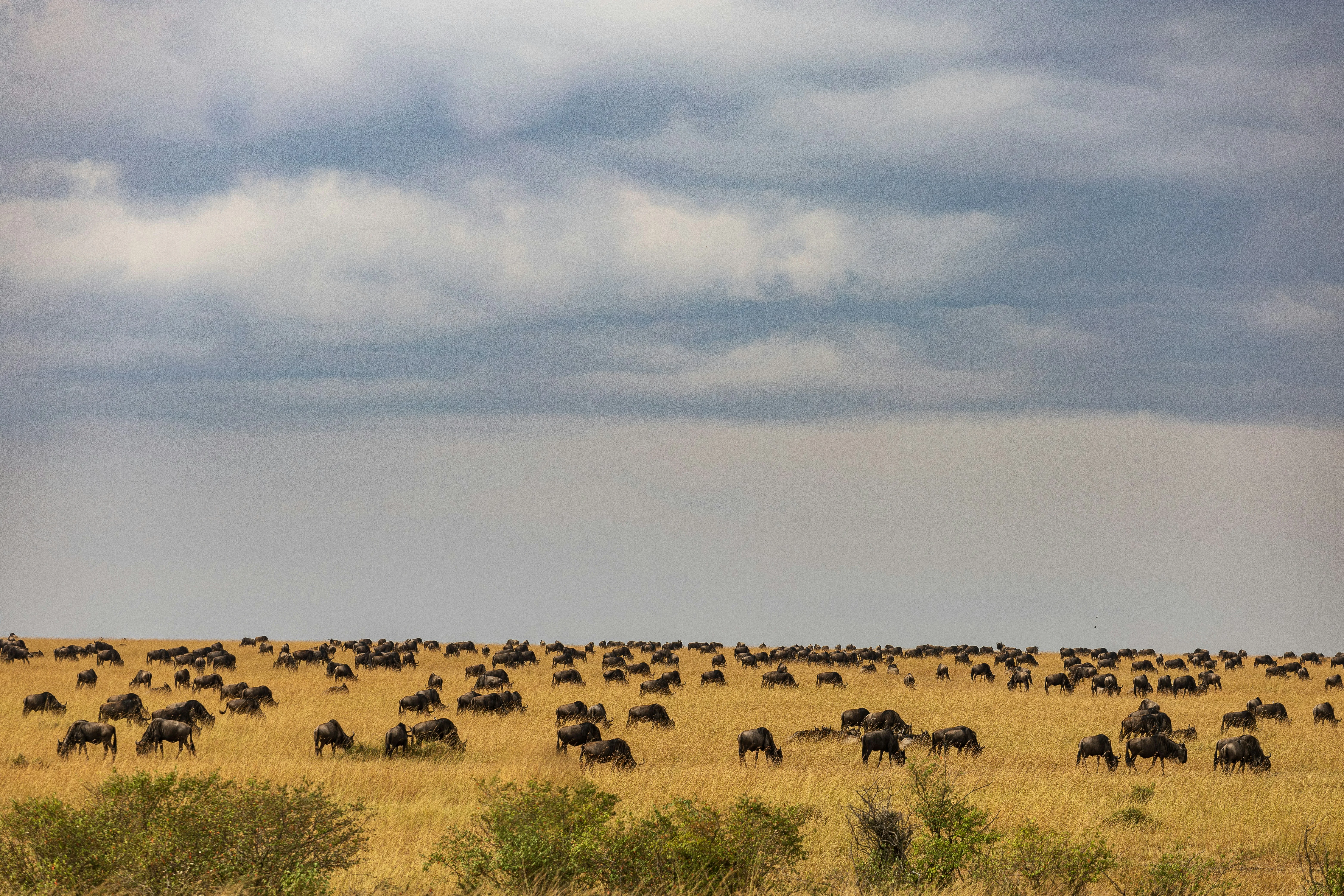
Cape buffalo are the most dangerous of the Big Five to hunters — and the most unpredictable. Tanzania has massive herds, especially in Katavi (10,000+ buffalo in the dry season). Ngorongoro Crater reliably holds large herds on the crater floor. They are social, easily spotted, and provide some of the most dramatic predator-prey interactions.
Tips for spotting:
- Look near water and grazing plains
- Herds are visible from great distances
- Old bulls ("dagga boys") often wallow alone in mud
- Lions hunting buffalo is one of safari's greatest spectacles
Completing Your Big Five
Seeing all five in one trip requires luck and strategy. Here is the formula:
- Include Ngorongoro Crater — Almost guaranteed lion, elephant, and buffalo. Rhino is possible.
- Spend 2-3 days in the Serengeti — Lion and leopard territory. Ask guides to focus on leopard.
- Add Tarangire — Elephant paradise, plus excellent leopard trees.
- Hire an experienced guide — They know recent sightings and leopard territories.
- Be patient — Leopard and rhino require time. Do not rush.
Plan Your Tanzania Safari
Ready for your adventure? Book your safari with Trail Safari Explorers. Read our lions guide,elephants guide,leopards guide, or rhinos guide.
Read our buffalo guide,Serengeti guide,Ngorongoro Crater guide, or Tarangire guide.
Browse our journal, or check travel resources.