Wildlife deep dive
Elephants in Tanzania — Giants of the African Bush
Matriarchs, super herds, and the remarkable recovery of Tanzania's elephant population.
Tanzania's Elephant Population
Tanzania holds roughly 60,000 elephants — one of Africa's largest populations. In the 1980s, poaching reduced numbers catastrophically, but conservation efforts have led to a remarkable recovery. Tarangire, Ruaha, and Nyerere (Selous) are the strongholds.
Elephants are the architects of the African landscape. They knock down trees to reach foliage, dig water holes used by other species, and disperse seeds across vast distances. Without elephants, the savannah would be a different world entirely.
Best Parks for Elephants
- Tarangire — 4,000+ elephants. Dry season brings herds of 300+ to the Tarangire River. Baobab trees provide iconic backdrops. This is Tanzania's elephant capital.
- Ruaha — Tanzania's second-largest elephant population. Super herds and excellent predator interactions.
- Nyerere (Selous) — Large, relaxed herds. Boat safaris offer water-level elephant viewing.
- Serengeti — Smaller herds, but excellent migration-season viewing in the north.
- Lake Manyara — Famous for tree-climbing elephants (they lean against trunks to reach high branches).
Elephant Society
Elephant society is matriarchal. The oldest female leads the herd, drawing on decades of memory to find water during droughts and navigate danger. Herds are composed of related females and their offspring. Males leave at puberty, forming loose bachelor groups.
Elephants grieve their dead. They have been observed touching bones of deceased herd members with their trunks, standing silently for hours. They communicate through infrasound — low-frequency rumbles that travel kilometers through the ground.
Behavior to Watch For
- Dusting — Throwing dust over themselves as sunscreen and insect repellent
- Mud bathing — Cooling off and creating a protective mud layer
- Drinking — Up to 190 liters per day. Watching a herd drink at a waterhole is mesmerizing
- Trumpeting — Alarm calls, excitement, or communication
- Allomothering — Young females helping raise calves
- Charge displays — Ears flared, head shaking, trumpeting. Usually a warning, not a real attack
The Ivory Recovery Story
In the 1980s, Tanzania lost over 80% of its elephants to poaching. The Selous ecosystem alone dropped from 109,000 to 13,000. But anti-poaching efforts, community conservation, and international ivory bans have turned the tide.
Today, elephant populations are recovering in most Tanzanian parks. Tarangire's population has stabilized. Ruaha is thriving. The challenge now is human-elephant conflict — elephants raiding crops and coming into conflict with farmers.
Photographing Elephants
- Tarangire at sunset — Silhouettes against baobabs are iconic
- Close portraits — Focus on the texture of skin, eyes, and trunk detail
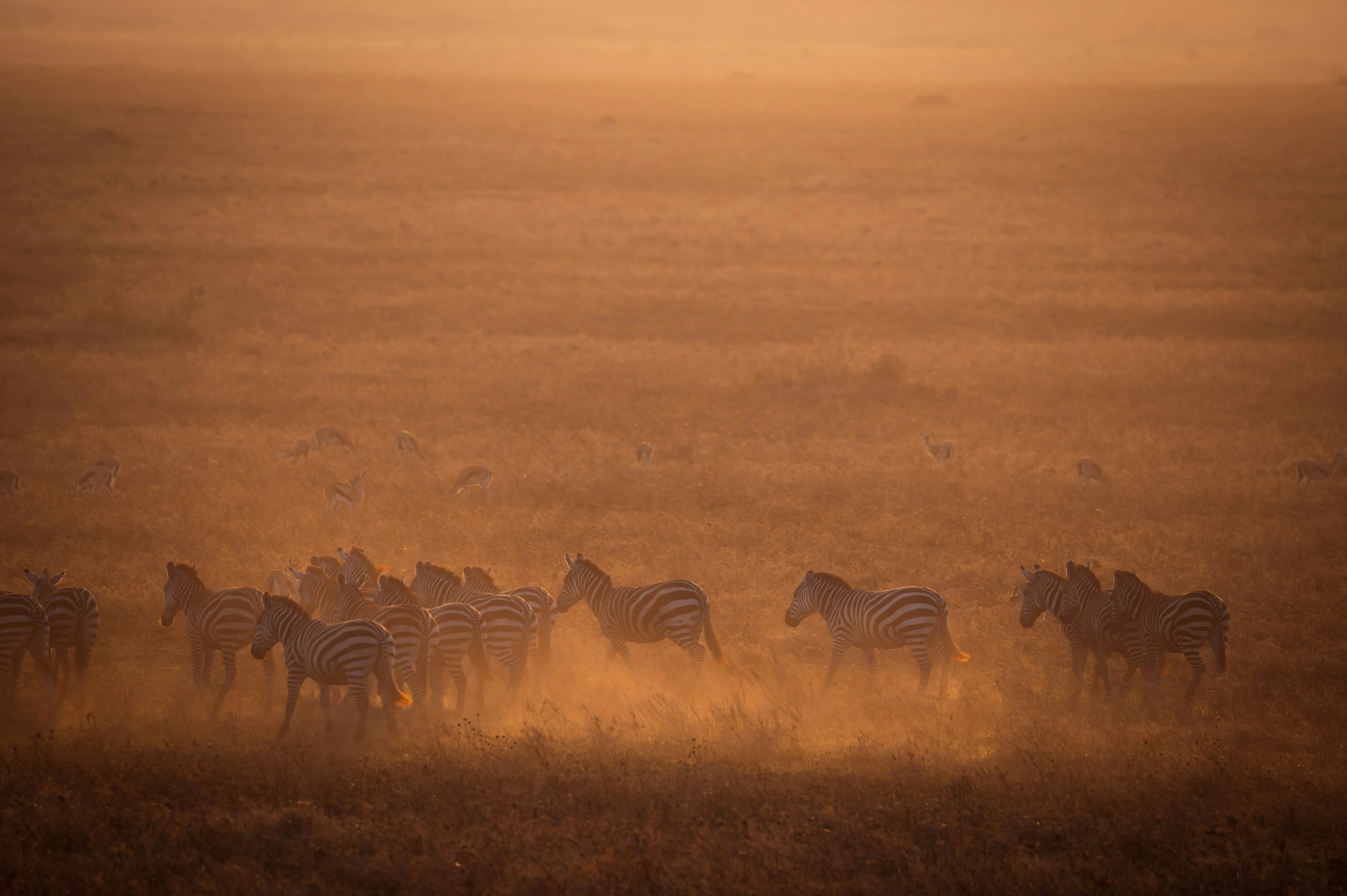
- Dust shots — Backlit dust creates atmosphere
- Water reflections — Herds drinking at waterholes
- Wide landscapes — Show scale against the savannah
Plan Your Tanzania Safari
Ready for your adventure? Book your safari with Trail Safari Explorers. Read our Tarangire guide,Big Five guide, or Serengeti guide.
Read our Ruaha guide,photography safari guide,best time to visit Tanzania, or safari cost guide.
Browse our journal, or check travel resources.