Great Migration
Serengeti Calving Season — The Circle of Life in Action
January to March: 500,000 wildebeest calves are born in three weeks. The predators are waiting.
What Is Calving Season?
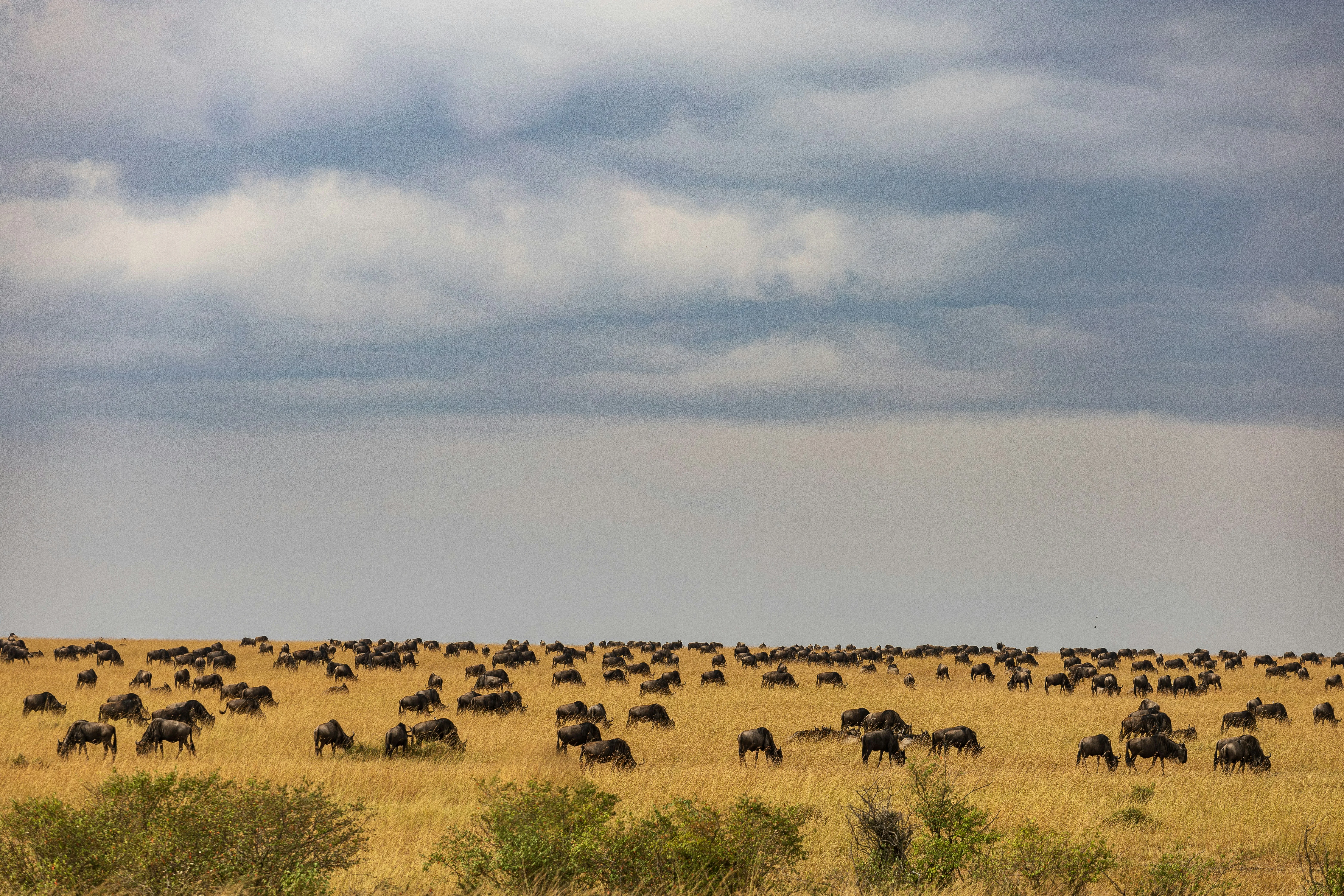
Between late January and March, roughly 500,000 wildebeest give birth in a concentrated 3-week window across the short-grass plains of the southern and eastern Serengeti. The synchrony is a survival strategy — overwhelm predators with so many vulnerable calves that enough survive to sustain the herd.
On average, 8,000 calves are born every single day at the peak. Within minutes of birth, calves can stand and run. But lions, hyenas, cheetahs, and leopards patrol these plains relentlessly. The result is the highest predator density in Africa.
Where It Happens
The calving takes place on the short-grass plains of the southern Serengeti and Ndutu area, which straddles the Ngorongoro Conservation Area border. These nutrient-rich volcanic soils produce grass with higher calcium and phosphorus — exactly what pregnant wildebeest need.
The open terrain makes this the best time of year for predator sightings. There are no tall grasses to hide the action. You will see cheetahs sprinting, lions ambushing, and hyenas scavenging — often from just meters away.
Why It Is Africa's Best-Kept Secret
Calving season is spectacular, affordable, and far less crowded than the July-October river crossing season. Many travelers do not even know it exists.
- Lower prices — Green season rates can be 30-50% less than peak season
- Fewer vehicles — The southern plains feel intimate and exclusive
- Baby animals everywhere — Not just wildebeest, but lion cubs, zebra foals, and gazelle fawns
- Migratory birds — European and Asian birds arrive, making this peak birding season
- Dramatic skies — Afternoon thunderstorms create incredible light for photography
Where to Stay
- Ndutu Safari Lodge — One of the oldest lodges in the area. Permanent, reliable, and well-positioned.
- Lake Masek Tented Camp — Luxury camp on the shores of Lake Masek. Excellent guides and predator tracking.
- Nomad Lamai (mobile) — Moves to the southern plains for calving season. Intimate and perfectly located.
- Asanja Africa — Small, personal camp with excellent guiding. Great for photographers.
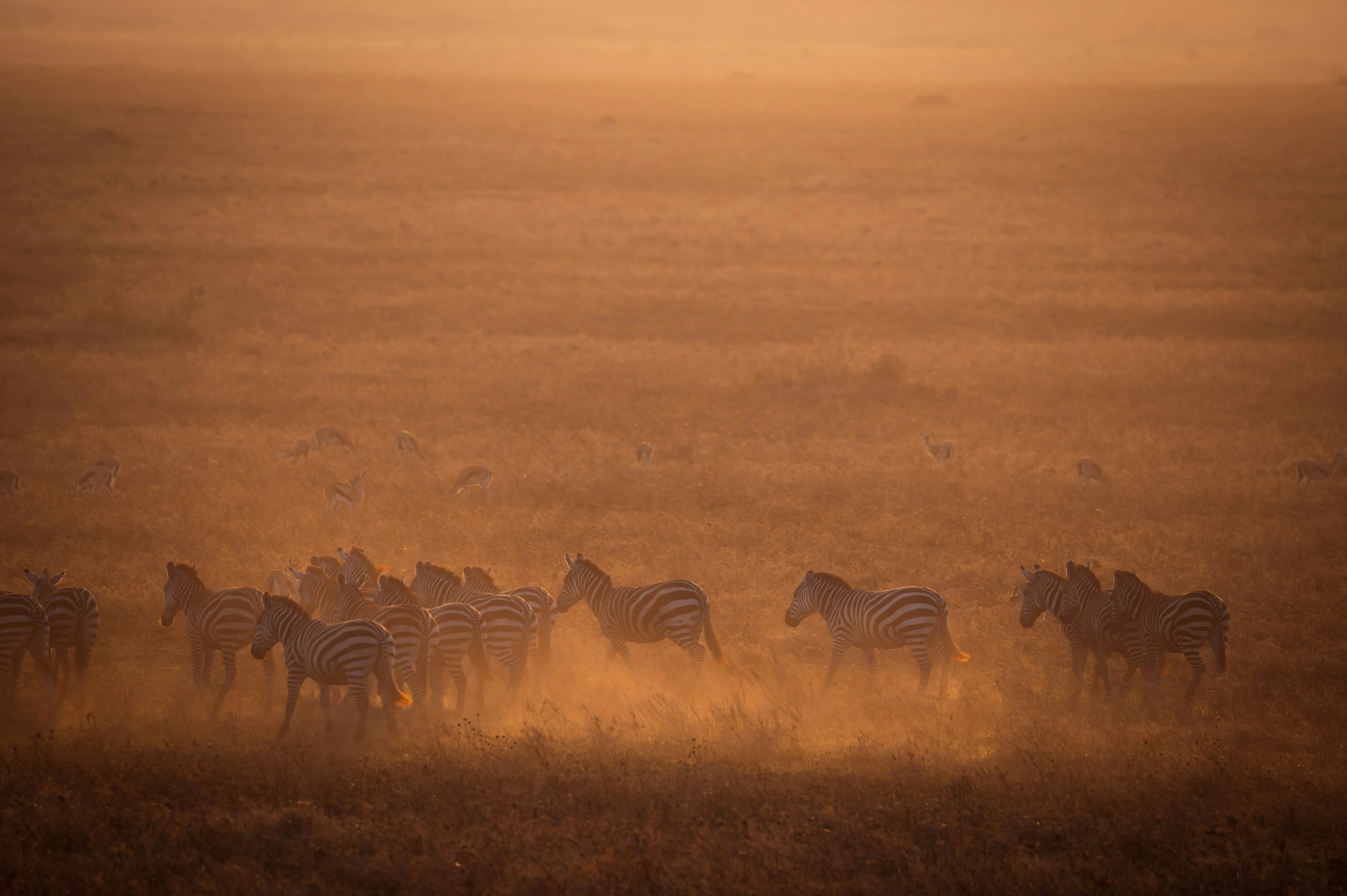
Photography in Calving Season
- Low angles — The short grass lets you shoot predators at eye level
- Golden hour — Calves are most active at dawn and dusk
- Storm light — Dramatic clouds and rain shafts make for epic landscape shots
- Action sequences — Cheetah hunts are more frequent and visible than any other time of year
The Bottom Line
If you want action, intimacy, and value, calving season is unbeatable. The southern Serengeti in February is arguably the best safari experience in Tanzania — and most people have never heard of it.
Read our full Great Migration guide or plan your calving season safari.
Plan Your Tanzania Safari
Ready for your adventure? Book your safari with Trail Safari Explorers. Explore Serengeti National Park, or read our Great Migration guide.
Read our Mara River Crossing guide,Serengeti guide,best time to visit Tanzania, or cheetahs guide.
Browse our 7-Day Serengeti Great Migration Safari,9-Day Tanzania Safari Great Migration, browse our journal, or check travel resources.