Safety guide
Tanzania Safari Safety — How to Stay Safe
Safaris are remarkably safe — if you follow the rules. Here is what you need to know about wildlife, health, and personal safety.
Wildlife Safety
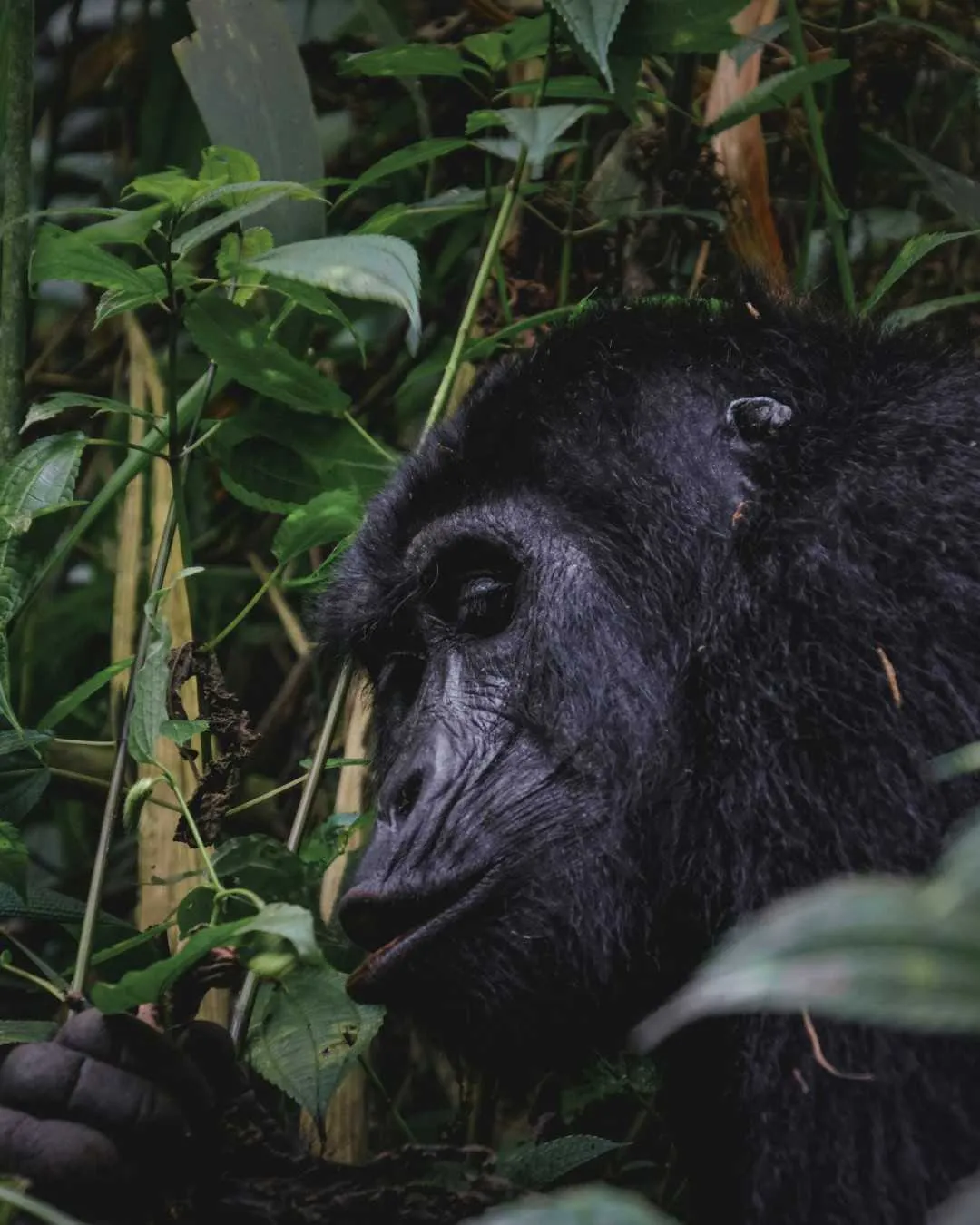
Safaris are safe because animals see the vehicle as one large, non-threatening object. The danger arises when that perception changes — usually because a human exits the vehicle or behaves unpredictably.
- Never exit the vehicle unless your guide explicitly says it is safe. This is the most important rule.
- Keep your limbs inside — Do not dangle arms or cameras outside. Animals have been known to bite hands.
- Do not stand on the roof — Some lodges allow this, but it is risky and banned in most parks.
- Do not run — If an animal charges, running triggers the predator response. Stand still or back away slowly.
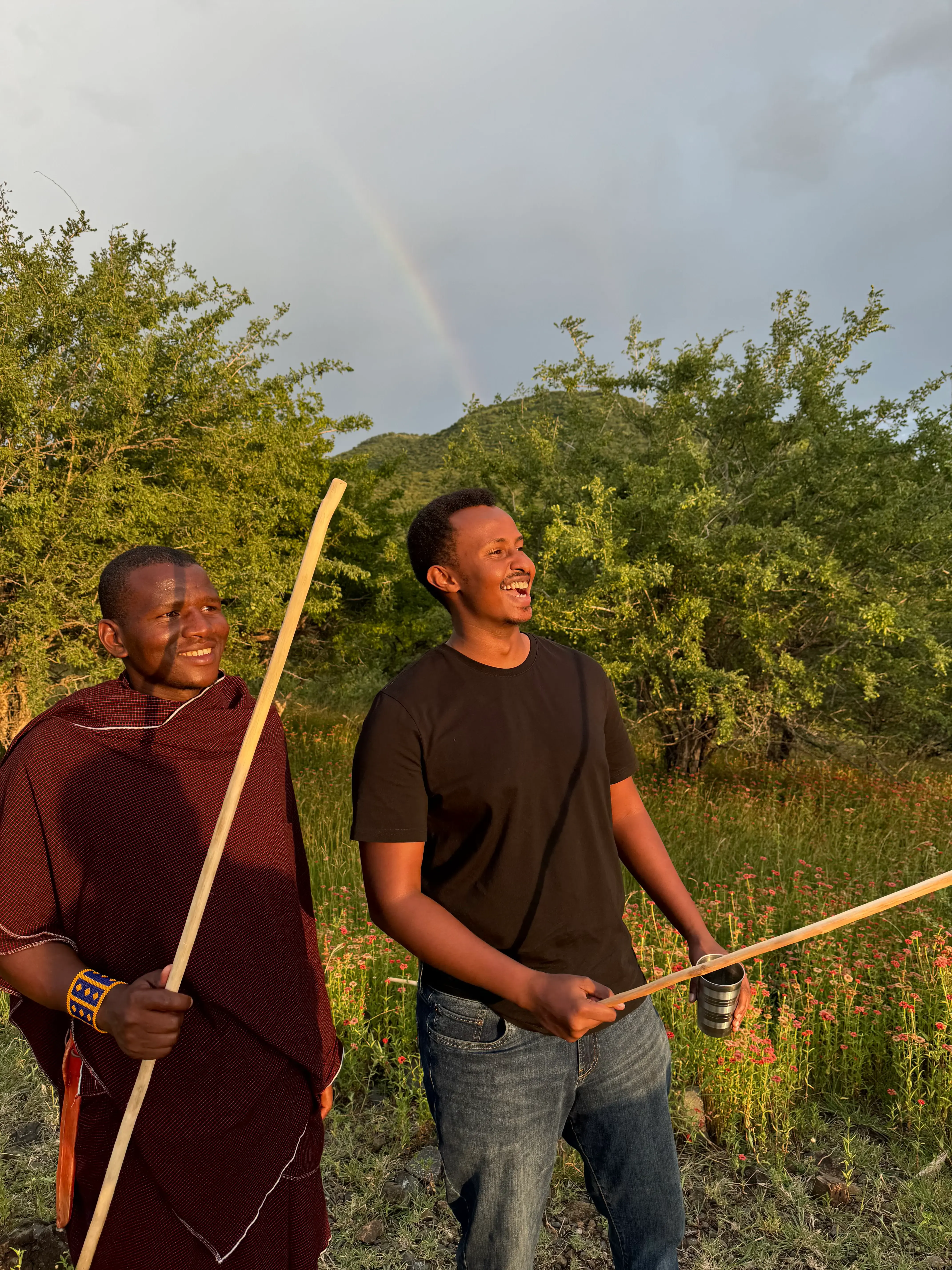
- Listen to your guide — They are trained, experienced, and responsible for your safety. Their word is final.
Health Safety
- Malaria — Take prophylaxis, sleep under nets, and use repellent. The risk is real but manageable.
- Water — Drink only bottled or purified water. Avoid ice unless you are certain of the source.
- Sun — The equatorial sun is intense. SPF 50+, hat, sunglasses, and shade breaks are essential.
- Heat — Stay hydrated. Dehydration sneaks up on you during long game drives.
- Food — Lodge food is safe. Street food in cities is riskier — use common sense.
- Altitude — Ngorongoro rim is 2,300m. Kilimanjaro is 5,895m. Altitude sickness is a real risk on the mountain.
Personal Safety
Tanzania is one of Africa's safest countries for tourists. Violent crime against visitors is rare. Petty theft (pickpocketing, bag-snatching) occurs in cities like Dar es Salaam and Arusha. Standard precautions apply:
- Do not flash expensive jewelry or large amounts of cash
- Use hotel safes for valuables
- Be cautious walking at night in urban areas
- Use registered taxis or hotel transfers
- Keep copies of your passport and visa
Emergency Preparedness
- Travel insurance — Essential. Medical evacuation from remote areas costs $50,000+
- Emergency contacts — Save your operator's 24-hour number
- First aid kit — Basic supplies for minor injuries
- Communication — Most lodges have satellite phones or radios
The Bottom Line
Tanzania is one of the safest safari destinations in Africa. Millions of tourists visit every year without incident. Follow your guide's instructions, take malaria prophylaxis, use common sense in cities, and your biggest risk will be sunburn.
Read our travel insurance guide or plan your safari with us.
Plan Your Tanzania Safari
Ready for your adventure? Book your safari with Trail Safari Explorers.
Read our timing guide,cost guide, or planning guide.
Read our insurance guide,medications guide,health guide, or etiquette guide.
Browse our journal for more resources, or check travel resources.